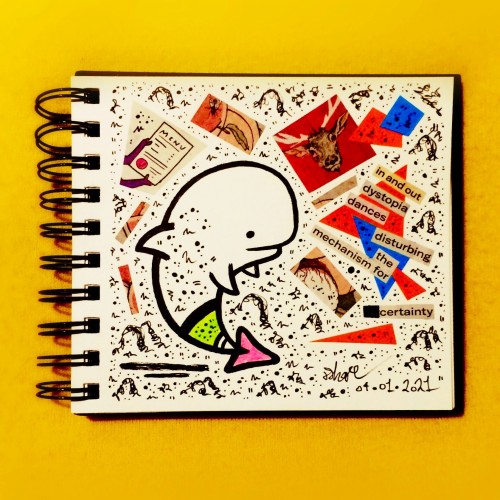
To be perfectly honest, the latest lockdown announcement here in Scotland was bound to influence my art in some form or another...
Needless to say this is going to be one looooong winter, one that’ll have me blasting “Here Comes The Sun” by The Beatles once it ends, or at the very least stabilises.
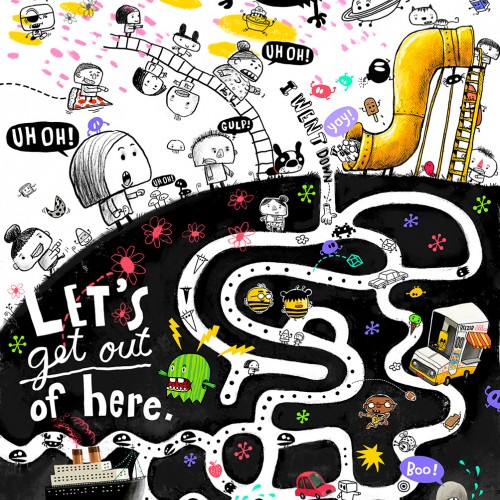
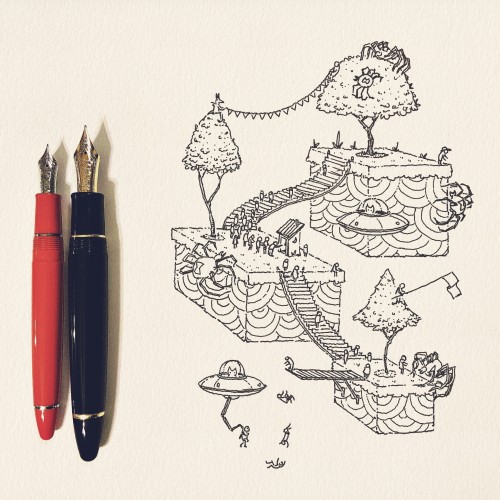
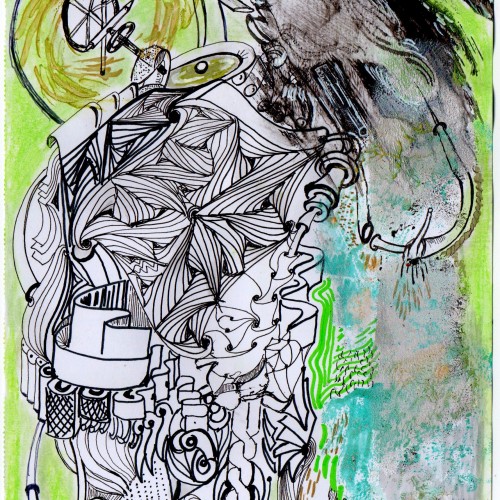
This feels like it could be a fun kids activity page. When I started this doodle it was just the hill with the tunnel maze and a few things added in the maze area. It didn’t feel like it was going anywhere, but as I kept adding things I started to get into it and now I’m happy that I didn’t ditch it. It’s always fun when a piece surprises me. It never gets old.
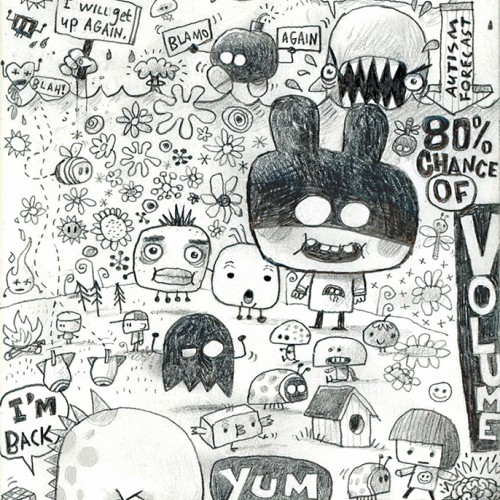
I’m back! The game company I work for hit some turbulence and laid off half the studio. I’m still there but it took a while to adjust. Getting back to my own work now.
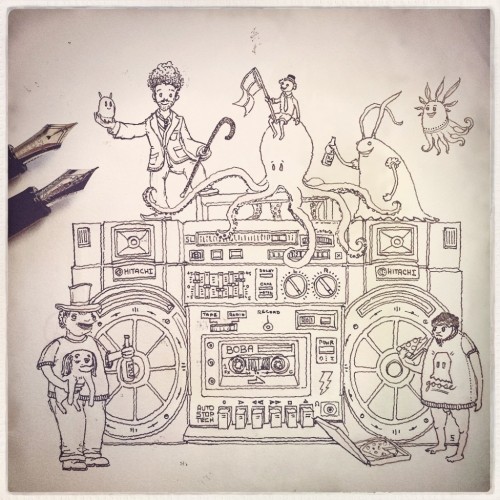
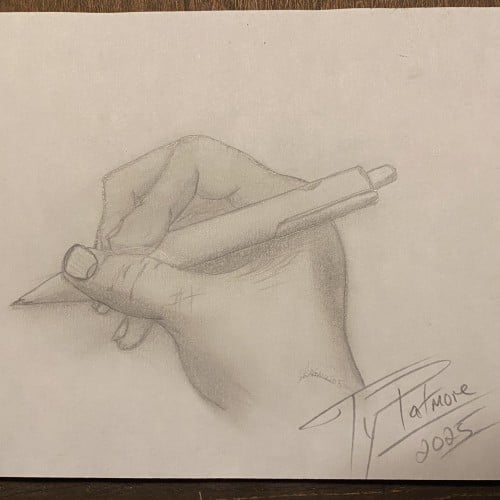
This was drawn with my Sailor King of Pen (M). What a pen! My Royal Tangerine 1911s is to the left for size comparison.
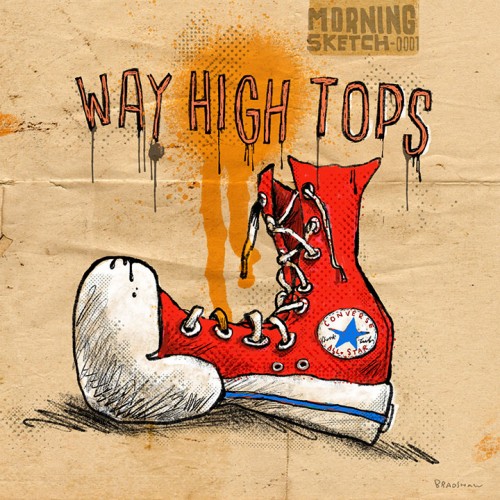
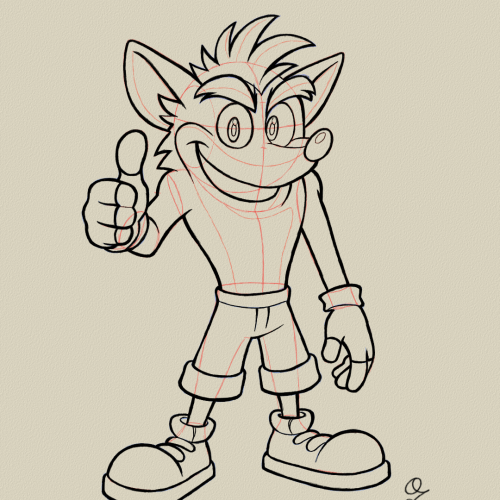
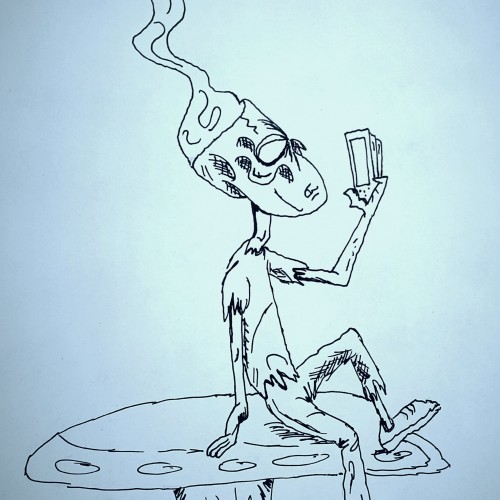
Morning sketch. So I was waiting for a go ahead on a 20 illo project. One of the illustrations in the project is a pair of “Chucks” so in the meantime I did a much crazier than they will be wanting version. Sometimes you just have to please yourself without all the boundaries.
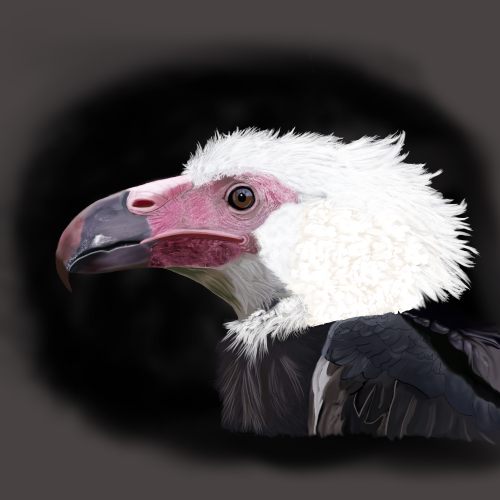
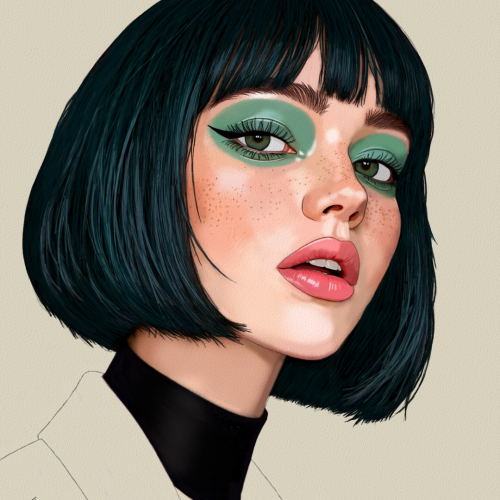
Drawn with Clip Studio Paint and XP-Pen Artist 15.6 Pro pen display tablet.
Critically Endangered The White-headed Vulture has undergone catastrophic declines in population number, with an estimate median decline in 96% over three generations (45 years)
This decline has been seen in its very large range from West Africa, across to southern Africa also. Reductions in populations of medium-sized mammals and wild ungulates, as well as habitat conversion throughout its range best explain the current decline. Additional threats include indirect poisoning at baits set to kill jackals in small-stock farming areas. This species is also recorded in trade in West and Central Africa as this species is used for both traditional medicines and also they are intentionally killed for use in witchcraft. This species is part of the Accipitridae bird family, which diverged from all other species of bird 49.6 million years ago during the Paleogene period. Vultures split from the other genera in this family 12.7 million years ago. This species is highly sensitive to land-use and is concentrated to protected areas. Individuals were marked with patagial (wing) tags in Fouta Djallon vulture sanctuary to monitor movements and for a toxicological assessment of the vulture population of the park. Additional studies to monitor the movements of individuals within and between protected areas in underway is South Africa. Info: Edgeofexistence . org #birdlife #birds #birddrawing #birdsketch #whiteheadedvulture #vultures #bampidraws
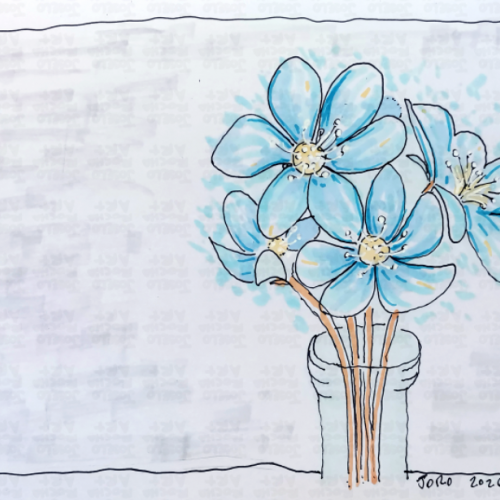
A delicate, hand-drawn study of the Blue Liverflower (Hepatica), capturing the first signs of spring. This design features breezy blue petals, energetic linework, and a minimalist vase, blending a classic botanical feel with a modern, sketchy illustrative style. Perfect for those who love the quiet beauty of forest wildflowers and cottagecore-inspired art.
#28 - A collection of ballpoint pen sketches drawn on printer paper & scanned. This is what my lines look like when I'm not using a stabilizer in digital software to get the nicest clean lines. I tried to separate my scanned lines from the various shades of off-white that the scanner picked up. I adjusted the brightness and contrast levels in photoshop but I'm not very knowledgeable on how to achieve the best results.
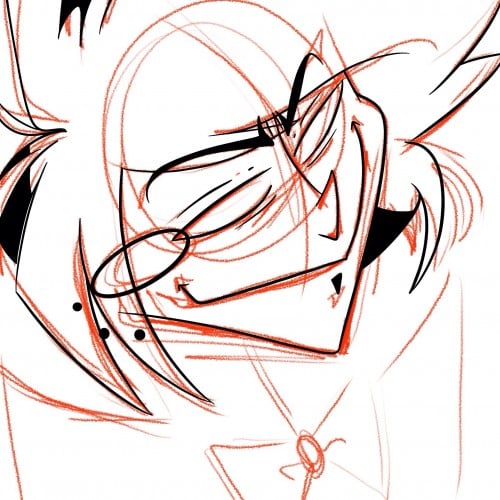
I swear I wasn't going to do fan art for Hazbin. But, yet here I a be. I'm not sure when this will be done. I have been feeling....yeah...so this might be a while until its completed.
A solitary rowboat drifts across a muted, restless surface, unanchored and unattended. Rendered in charcoal, ink, and subtle white highlights, the vessel exists in a quiet state of motion—moving, yet going nowhere. The surrounding water is suggested through loose, rhythmic lines, emphasizing atmosphere and isolation over realism.
The boat is sharply defined against the hazy background, its dark contours and interior shadows contrasting with the soft, unsettled environment. Oars rest unevenly, implying recent human presence while reinforcing absence. The name Perditas—Latin for “lost”—is affixed to the hull, anchoring the emotional weight of the piece without explanation.
This work explores themes of solitude, uncertainty, and endurance. With no shoreline or destination in sight, Perditas becomes a reflection on drifting—physically, mentally, and emotionally—inviting the viewer to confront their own sense of direction within an undefined space.