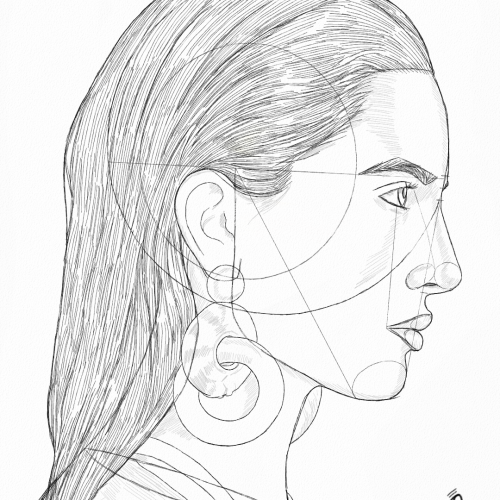
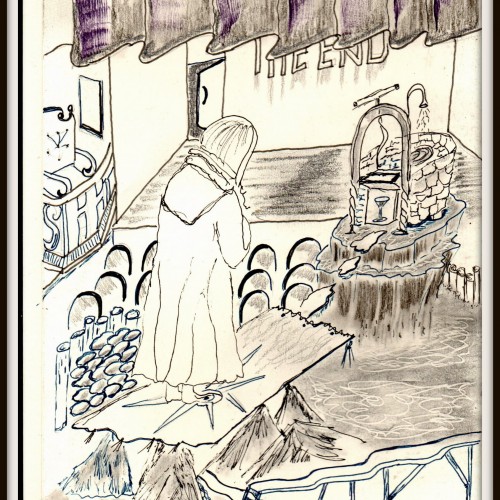
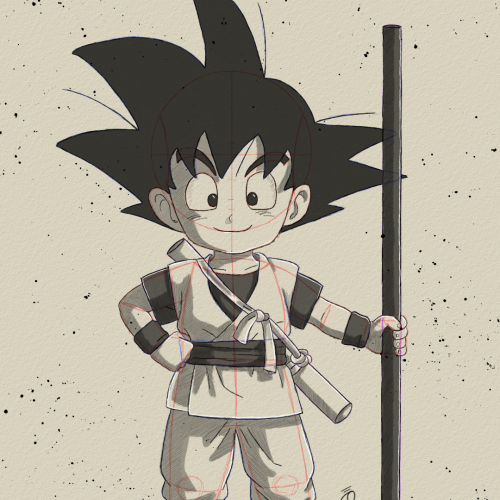
Drawn and colored by me, inspiration from a pause oc challenge on YouTube. Zayn is an escaped lab experiment with water elemental abilities. The cat on his shoulder is Raya, a stray that frequented the lab that he befriended. Zayn is a human with animalistic features and four eyes, marking him as unnatural. He is an original character, not based off of anything.
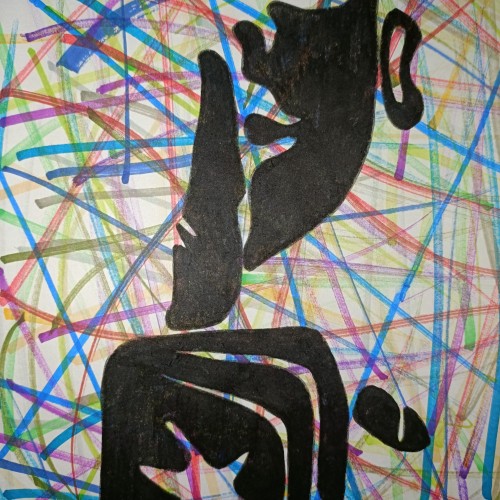
The background tries to represent the noise around in the environment and in the mind. Its a silhouette art which asks the viewer to stay quiet and find escape from noise.
Living, breathing, and creating with nature
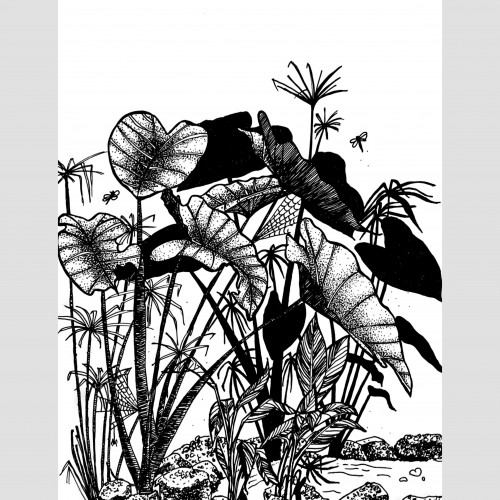
When you wake up to the gentle sights and sounds of the pond, trees, plants, birds, bees, and dragonflies, inspiration flows effortlessly. So, when the owner asked for a menu design for @SarayaGoa Art Café, I thought—why not let nature speak for itself?
Using pen and ink, I captured the beauty of my mornings here—each stroke reflecting the lush surroundings that make Saraya unique. Instead of focusing on just food items, I filled the cover and inside pages with illustrations of the vibrant life around us. Dining here means eating among the green, surrounded by the diverse plants of our permaculture gardens.
This study is a tribute to the beauty that shapes every meal at Saraya.
Initiate of the Order of the Saints of the Scrapyard. All members of the order are entitled to the scrap of the mechs they fell (with the pieces they decline to use or take with them being tithed). To join the ranks proper, an initiate must fell an enemy pilot and bring their mech to heel (often by detonating the cockpit and going from there)). Initiates are given little more than a fusion engine (that may double as a shaped charge (or a death sentence depending on their luck)), a kinetic energy recycler (and shield for it to power), a small pile of scraps to build the rest of their sled, and a book of prayers for the scrapyard saints. Most will not graduate their initiation, ending their short stint as little more than ash on the breeze.
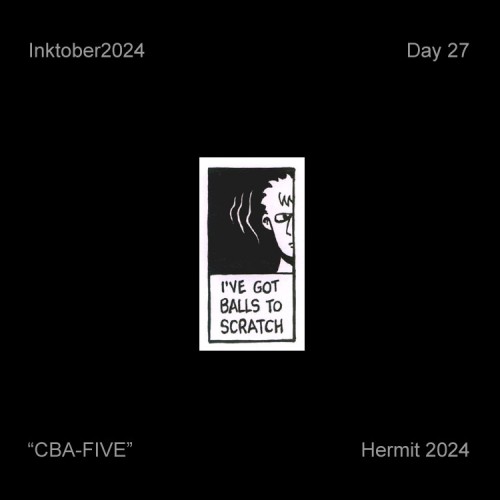
(Gel Fineliner on A5 Paper) The fifth, and last, of these small CBA images, and even an artist can find better things to do when they get bored of doing artwork, but don't worry, they always return to it.
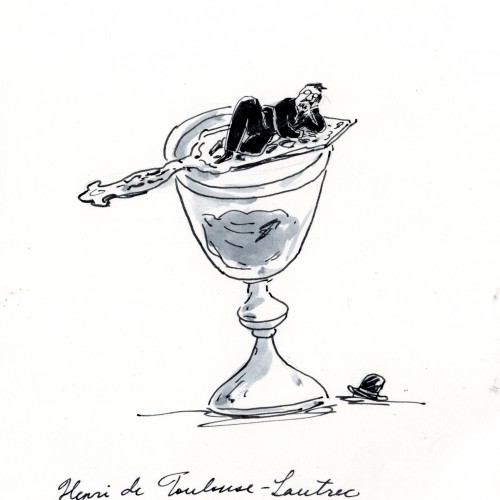
Henri de Toulouse-Lautrec (1864-1901)
Toulouse-Lautrec drank constantly and slept little. After a long night of drawing and binge-drinking, he would often wake early to print lithographs, then head to a café for lunch and several glasses of wine. Returning to his studio, he would take a nap to sleep off the wine, then paint until the late afternoon, when it was time for aperitifs.
(One of his inventions was the Maiden Blush, a combination of absinthe, mandarin, bitters, red wine, and champagne. He wanted the sensation, he said, of “a peacock’s tail in the mouth.”)
From Daily rituals by Mason Currey
#dailyrituals #inktober #henriToulouseLautrec @masoncurrey
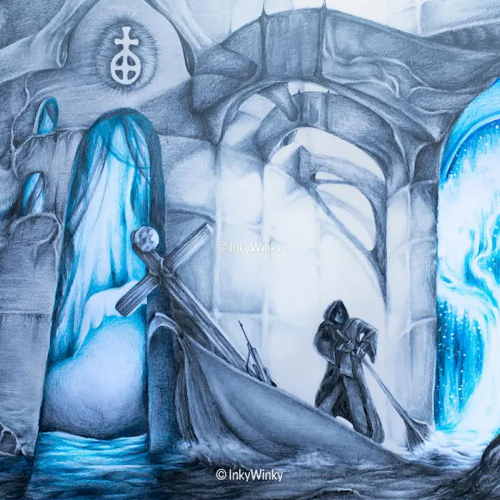
Journey presents a surrealist setting where a man is rowing his boat through a wondrous landscape, surrounded by buildings and stones with strange symbols and runes. A bright heavenly light illuminates the traveller's origin while a stark contrast is made with the vibrant blue light, from behind the walls, of this mysterious sunken building. This artwork is for sale on inkywinky.com.au
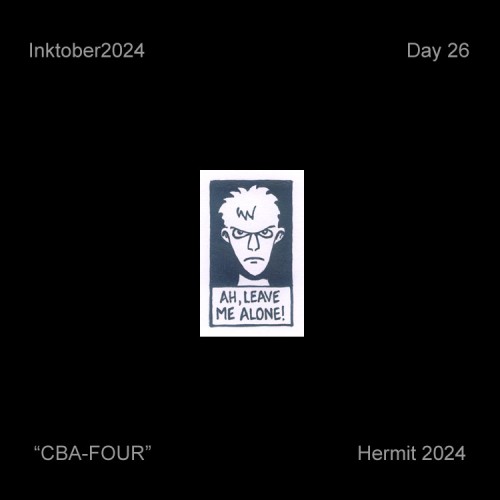
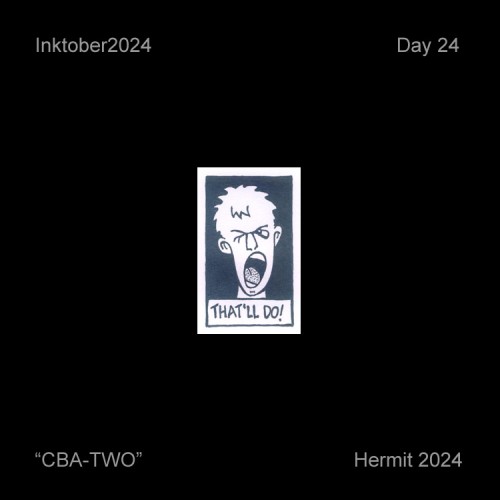
(Gel Fineliner on A5 Paper) The second of five small drawings which are meant to show what happens when an artist gets bored of a subject. You draw something halfheartedly and think "That'll do!" XD
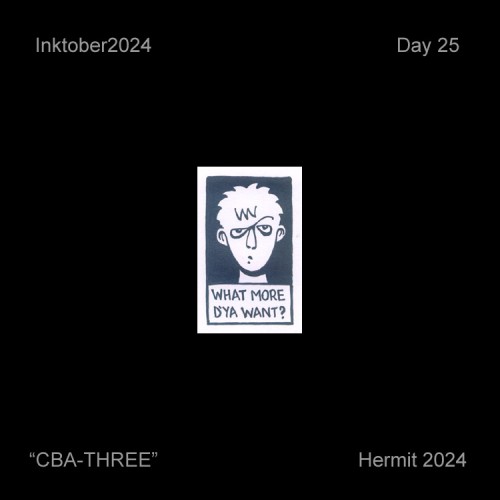
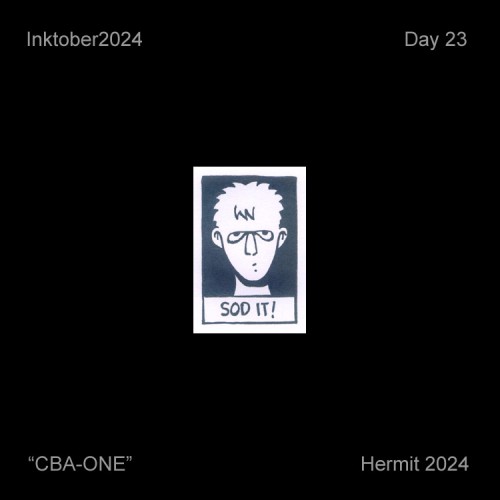
(Gel Fineliner on A5 Paper) The central image is small because it is that small (about 4cm). It's the first of five which represents that point every artist gets to where they say to themselves: "I really CAN'T BE ARSED doing this!" and casually knock out anything. I thought it was apt for the "encouraging" nature of Inktober ;P
This poignant black and white pencil and ink drawing captures the essence of a dark, broken man with sand slipping through his fingers, symbolizing the passage of time and lost hopes. A hole in his chest reveals his heart, while beside him stands a similarly broken woman. In the foreground, withered flowers and a shattered hourglass accentuate the theme of decay and loss. The background features a forgotten playground, representing the loss of innocence, and a swirling vortex with lightning in the sky that engulfs the man's illusion of reality. This artwork speaks to the emotional turmoil and fragility of the human experience.
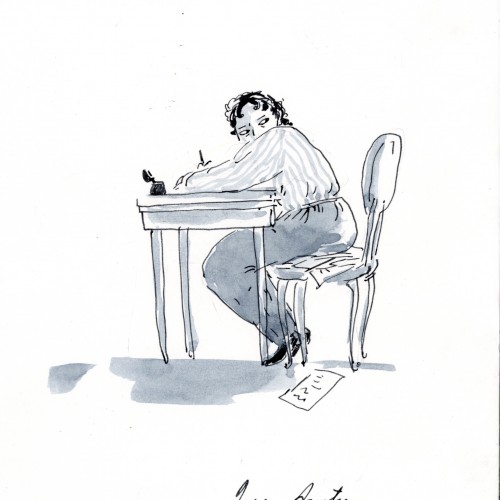
Jane Austen (1775–1817)
Austen never lived alone and had little expectation of solitude in her daily life. Her final home, a cottage in the village of Chawton, England, was no exception: she lived there with her mother, her sister, a close friend, and three servants, and there was a steady stream of visitors, often unannounced.
...
Austen wrote in the family sitting room, “subject to all kinds of casual interruptions,” her nephew recalled. She was careful that her occupation should not be suspected by servants, or visitors, or any persons beyond her own family party. She wrote upon small sheets of paper which could easily be put away, or covered with a piece of blotting paper. There was, between the front door and the offices, a swing door which creaked when it was opened; but she objected to having this little inconvenience remedied, because it gave her notice when anyone was coming.
“Composition seems to me impossible with a head full of joints of mutton & doses of rhubarb.”
From Daily rituals by Mason Currey
#dailyrituals #inktober #janeAusten @masoncurrey
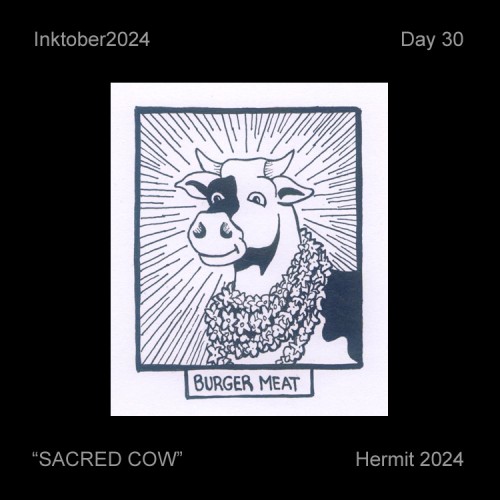
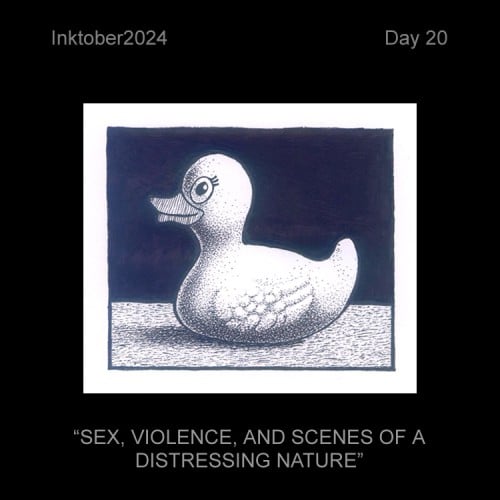
(Gel Fineliner on A5 Paper) The type of artwork which makes you look twice at it due to the title. If it was a photo or a sculpture, I'd probably use a readymade, but here it was something I could easily draw from memory with it being so basic and familiar to everyone.
Benjamin Franklin (Part 2)
The plan worked, up to a point. After following the course several times in a row, he found it necessary to go through just one course in a year, and then one every few years. But the virtue of order—“Let all your things have their places; let each part of your business have its time”—appears to have eluded his grasp. Franklin was not naturally inclined to keep his papers and other possessions organized, and he found the effort so vexing that he almost quit in frustration.
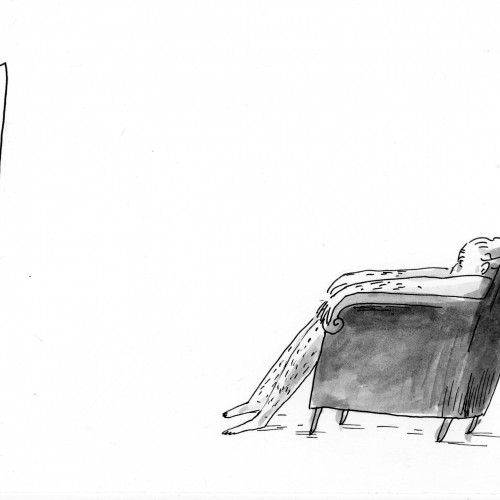
This timetable was formulated before Franklin adopted a favorite habit of his later years—his daily “air bath.” At the time, baths in cold water were considered a tonic, but Franklin believed the cold was too much of a shock to the system. He wrote in a letter: I have found it much more agreeable to my constitution to bathe in another element, I mean cold air. With this view I rise early almost every morning, and sit in my chamber without any clothes whatever, half an hour or an hour, according to the season, either reading or writing. This practice is not in the least painful, but on the contrary, agreeable; and if I return to bed afterwards, before I dress myself, as sometimes happens, I make a supplement to my night’s rest, of one or two hours of the most pleasing sleep that can be imagined.
From Daily rituals by Mason Currey
#daulyrituals #inktober #benjaminfranklin @masoncurrey