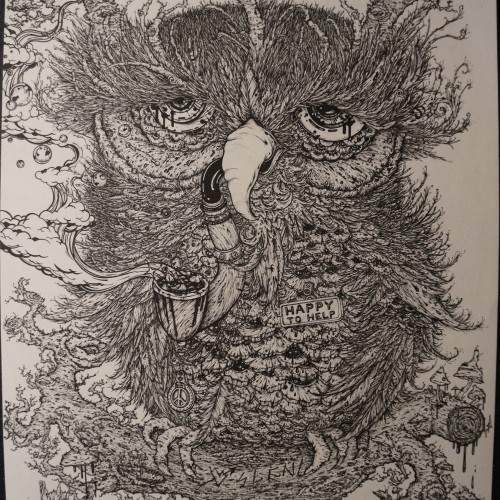
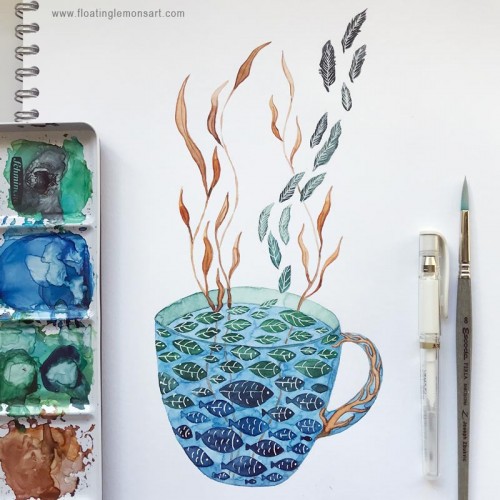
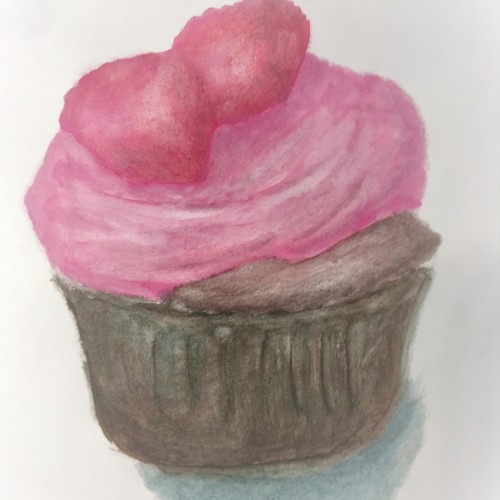
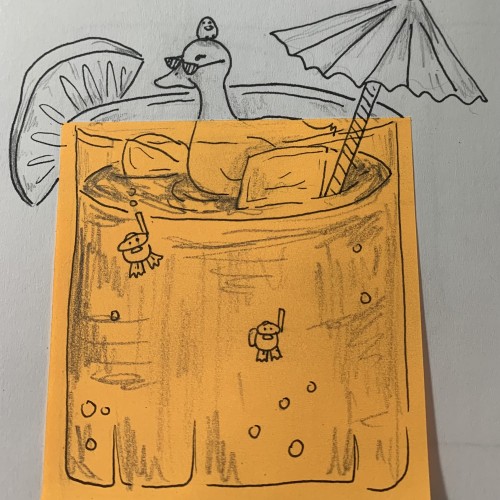
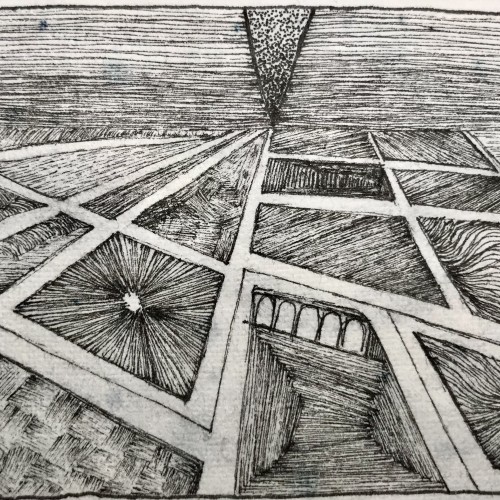
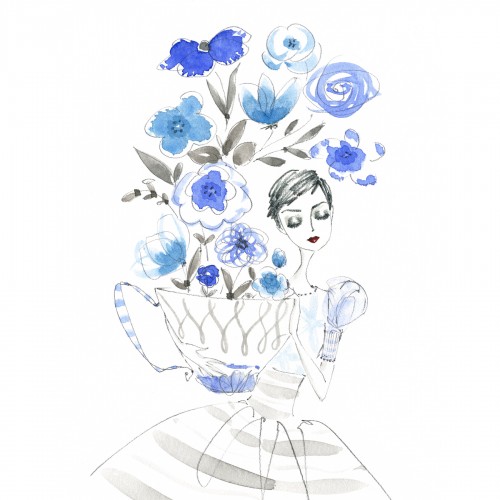
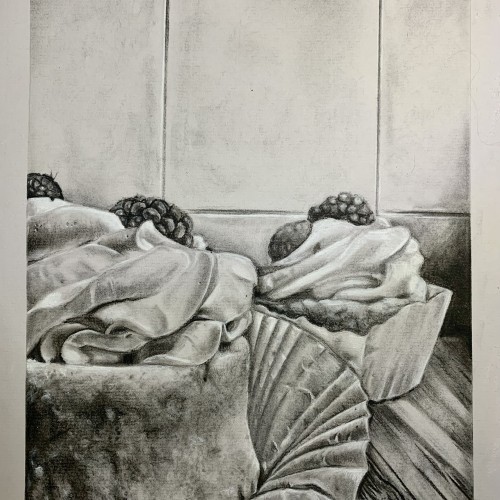
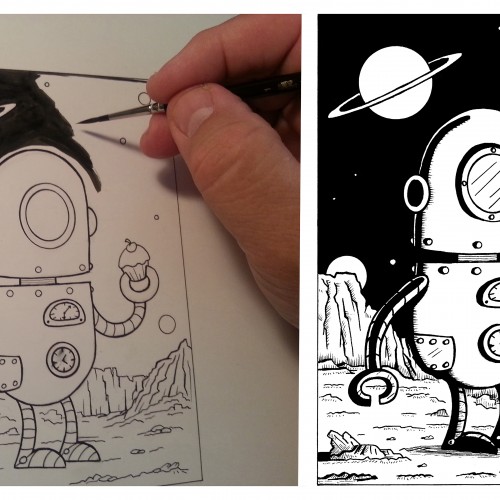
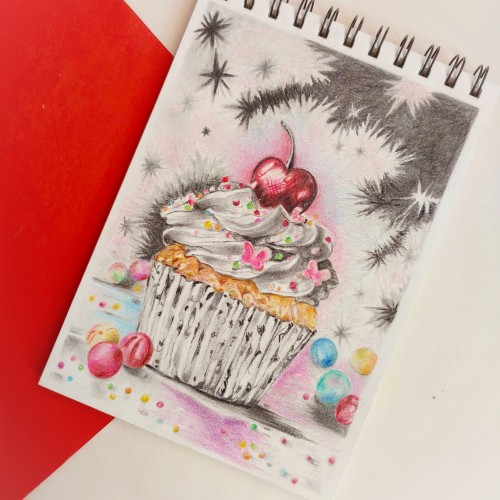
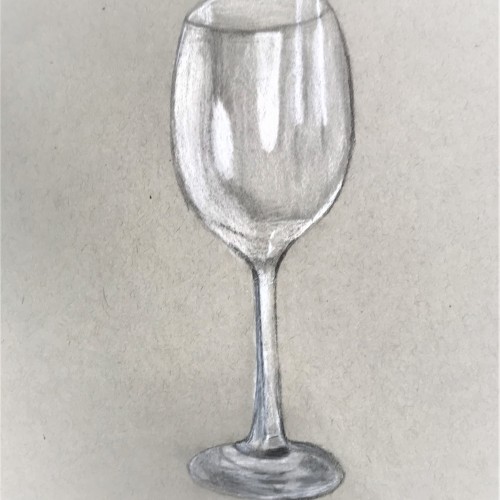
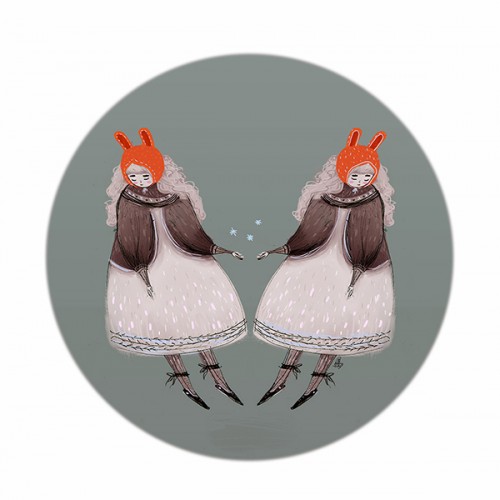
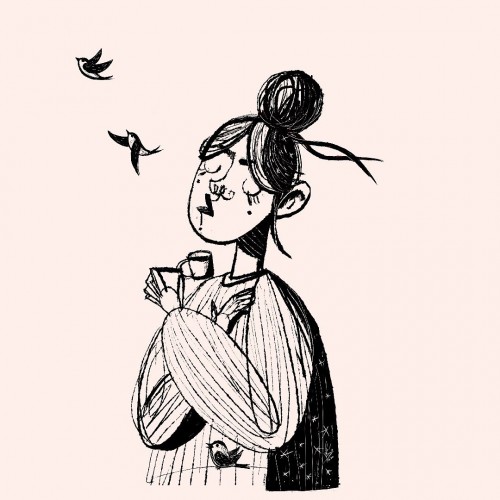
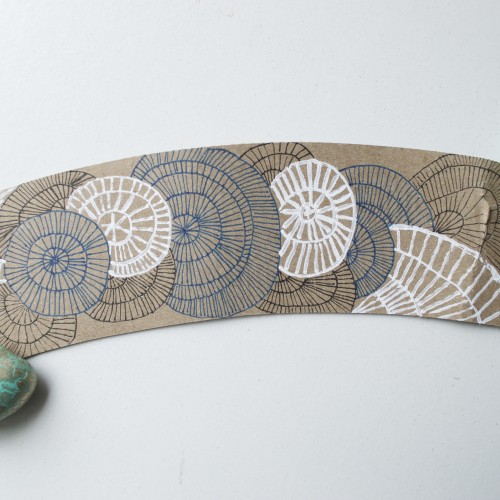
Watercolour crayon, crayon, fineliner and acrylic paint... . . . . . .. ... . ... .. ... . .. ... .. ............ . ... . . The tree is weary crying for some help, its roots are drowning and the taps on full pelt. Its head cant speak the evil, hear the evil, see it. Whilst its occupiers point the fingers at each other and dont even believe it... .. ... . .... . .. .
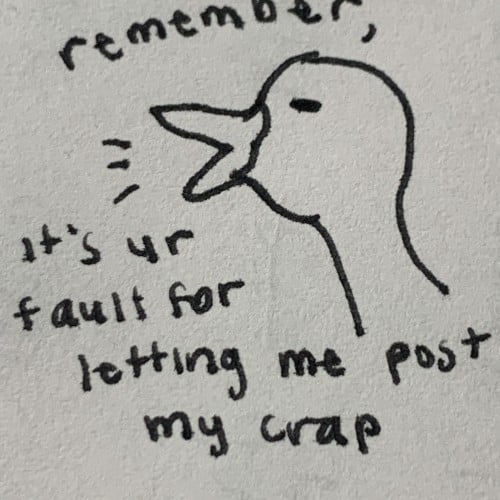
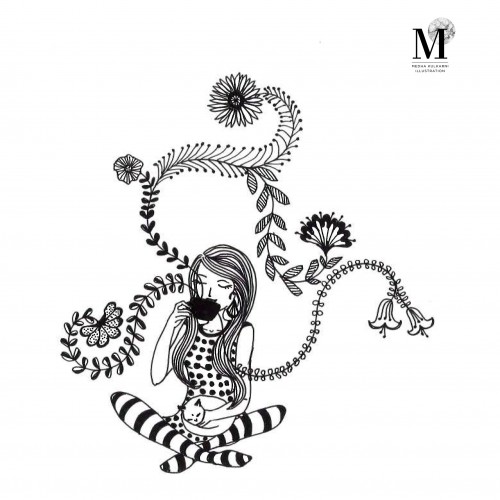
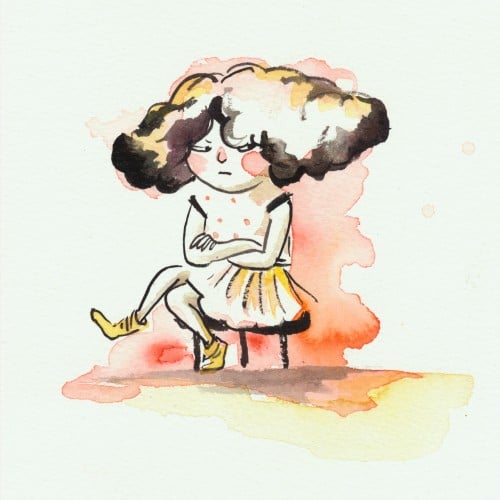
I've spent recent lockdown days watching far too many Youtube videos about attachment styles and honestly it makes a lot of sense. Here is a little message for my anxious preoccupied self
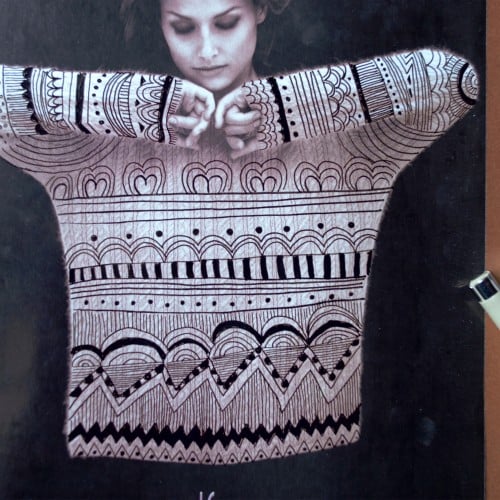
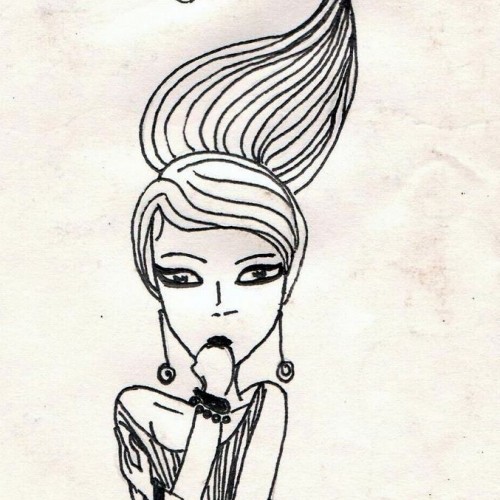
I was skimming through a 1990s Vanity Fair magazine and found a sweater ad. It was a perfect shot to intervene it with doodles! Now it looks like a very Christmas-y sweater, perfect for sitting in your favourite sofa and drinking a cup of hot cocoa.
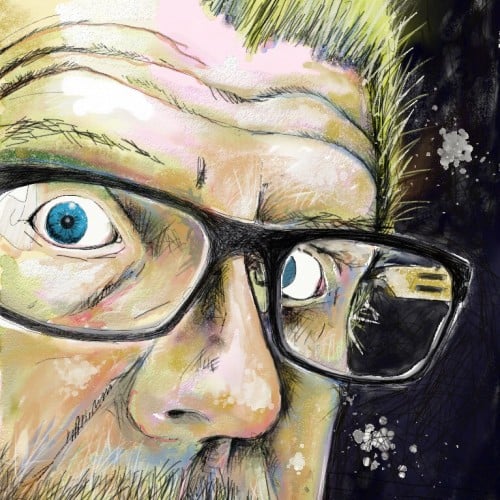
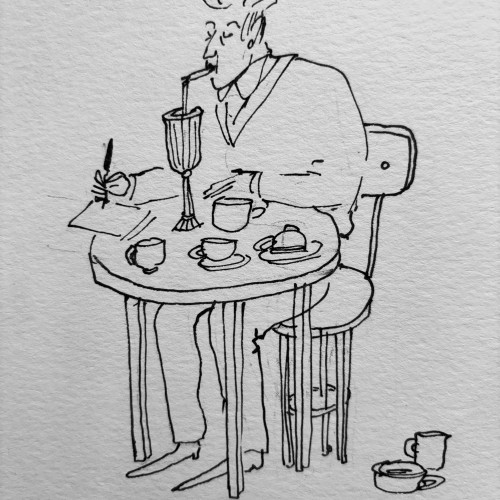
David Lynch (1946-2025)
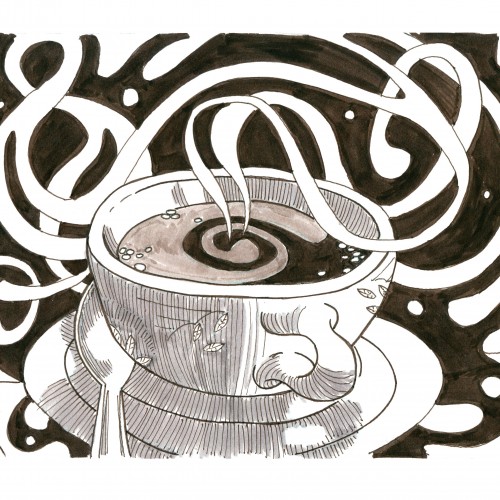
I like things to be orderly,” Lynch told a reporter in 1990. For seven years I ate at Bob’s Big Boy. I would go at 2:30, after the lunch rush. I ate a chocolate shake and four, five, six, seven cups of coffee—with lots of sugar. And there’s lots of sugar in that chocolate shake. It’s a thick shake. In a silver goblet. I would get a rush from all this sugar, and I would get so many ideas! I would write them on these napkins. It was like I had a desk with paper. “
- From Daily Rituals: How Artists Work by Mason Currey
“I don't think it was pain that made [Vincent Van Gogh] great - I think his painting brought him whatever happiness he had.”
― David Lynch
Thank you for all your amazing art!
#dailyrituals #inktober #DavidLynch #goals @masoncurrey
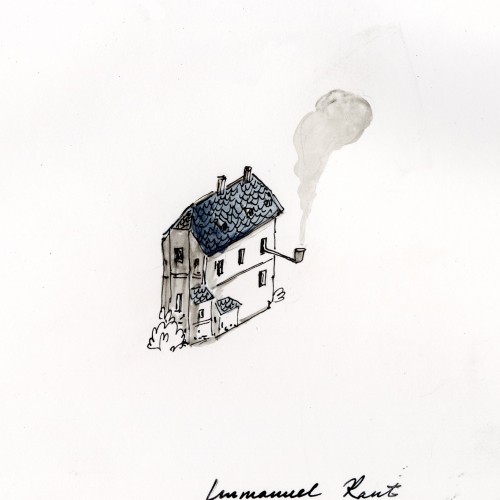
Immanuel Kant (1724–1804)
Kant’s biography is unusually devoid of external events.
As Heinrich Heine wrote: The history of Kant’s life is difficult to describe. For he neither had a life nor a history.
In actual fact, as Manfred Kuehn argues in his 2001 biography, Kant’s life was not quite as abstract and passionless as Heine and others have supposed…. If he failed to live a more adventurous life, it was largely due to his health: the philosopher had a congenital skeletal defect that caused him to develop an abnormally small chest, which compressed his heart and lungs and contributed to a generally delicate constitution. In order to prolong his life with the condition—and in an effort to quell the mental anguish caused by his lifelong hypochondria—Kant adopted what he called “a certain uniformity in the way of living and in the matters about which I employ my mind.”
This routine was as follows: Kant rose at 5:00 A.M., after being woken by his longtime servant, a retired soldier under explicit orders not to let the master oversleep. Then he drank one or two cups of weak tea and smoked his pipe. According to Kuehn, “Kant had formulated the maxim for himself that he would smoke only one pipe, but it is reported that the bowls of his pipes increased considerably in size as the years went on.”
- From Daily Rituals: How Artists Work by Mason Currey
#dailyrituals #inktober #ImmanuelKant @masoncurrey
Many beginnings.
Beginning 8.
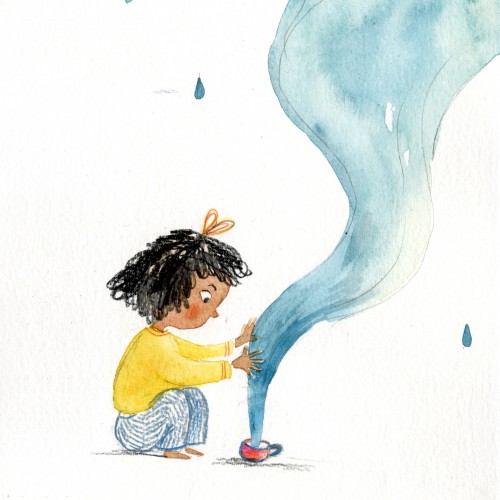
Lola stared in astonishment as the water spout grew and grew and grew.
* Starting is easy, it's the middle that is often a muddle. And I won't even mention the endings. Here are some beginnings for children stories that flitter through my head.
https://www.instagram.com/p/CO2nszuBn2Z/?utm_source=ig_web_copy_link
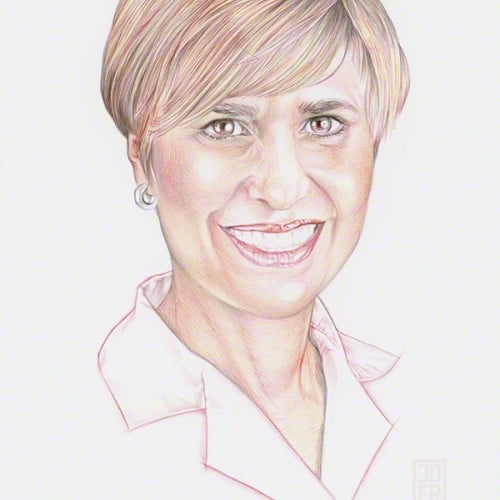
Meet Dr. Lorna Breen. She was in the trenches of the front line inside the New York hot zone during the first wave of the pandemic. She saw the massive influx of patients she knew she could not save (29,000 deaths reported in April, 2020). She contracted the virus and after recuperating, went straight back to work. A week and a half later, the hospital sent her home. Her family intervened to bring her back home to Charlottesville, Virginia. During her visit with her family, she seemed “detached.” She passed away April 26, 2020 at the UVA University Hospital in Charlottesville from self-inflicted wounds.
"She tried to do her job, and it killed her… Make sure she’s praised as a hero. Because she was, she’s a casualty just as much as anyone else who has died."
—Dr. Philip C. Breen, Father
Omens and Superstitions.
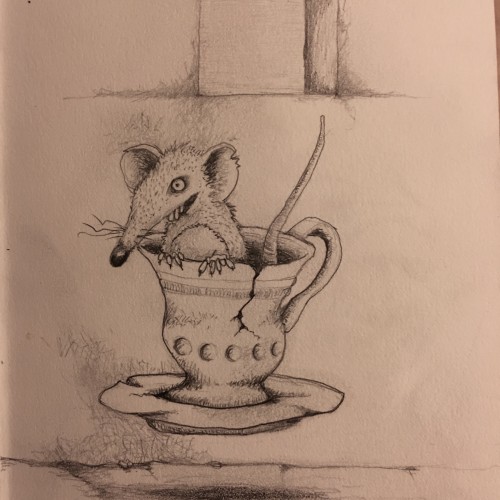
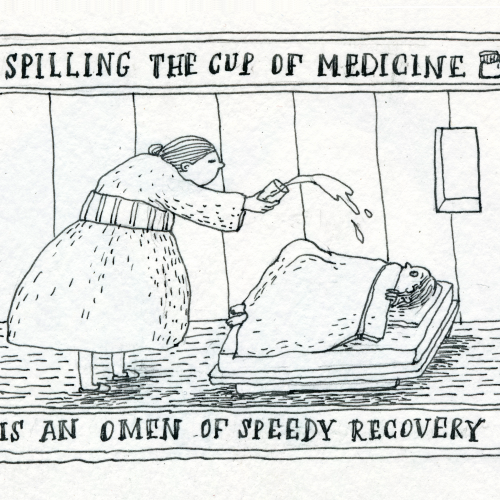
In Japan there is a superstition that if a cup or glass containing medicine for a sick person is accidentally upset, then it is an omen of that person's speedy recovery.
From "A DICTIONARY OF OMENS AND SUPERSTITIONS" by Philippa Waring