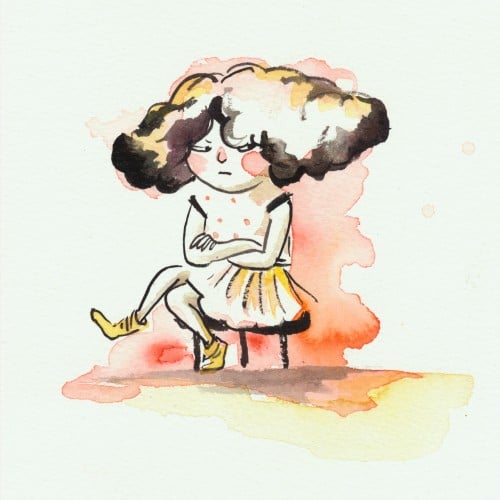
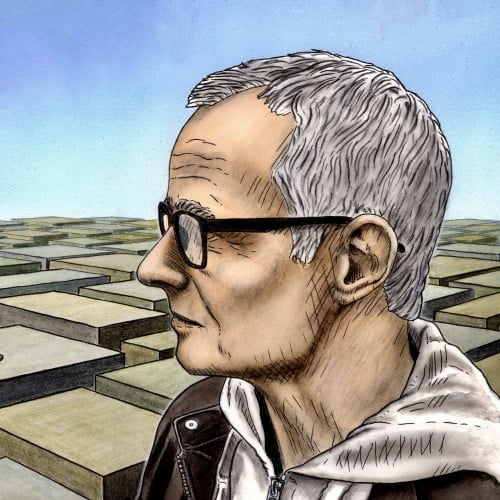
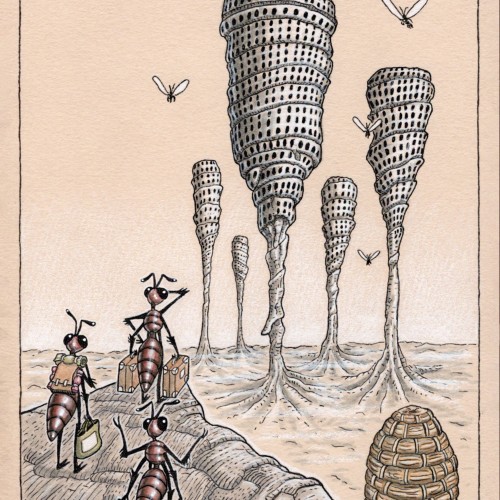
In fact, she [Mummy] said after a while, we have gone into hibernation. Nobody can get in any longer and no one can get out!
I looked carefully at her and understood that we were saved. At last we were absolutely safe and protected.
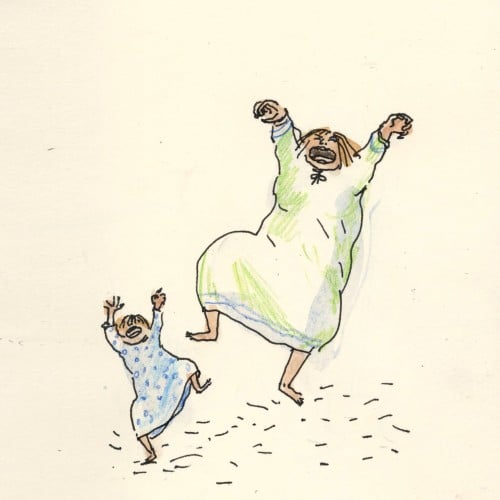
This menacing snow had hidden us inside in the warm for ever and we didn't have to worry a bit about what went on there outside. I was filled with enormous relief, and I shouted, I love you I LOVE YOU, and took all the cushions and threw them at her and laughed and shouted and Mummy threw them all back and in the end we were lying on the floor just laughing.
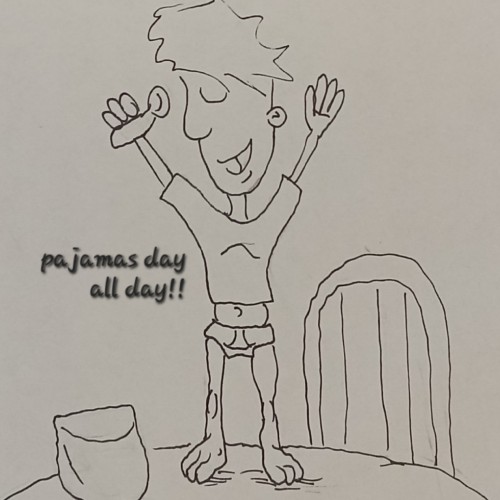
Then we began our underground life. We walked around in our nighties and did nothing. Mummy didn't draw. We were bears with pine needles in our stomachs and anyone who dared come near our winter lair was torn to pieces. We were lavish with the wood, and threw log after log on to the fire until it roared.
Sometimes we growled. We let the dangerous world outside look after itself, it had died, it had fallen out into space. Only Mummy and I were left.
- Sculptor's Daughter by Tove Jansson
#dailydrawing #tovejansson
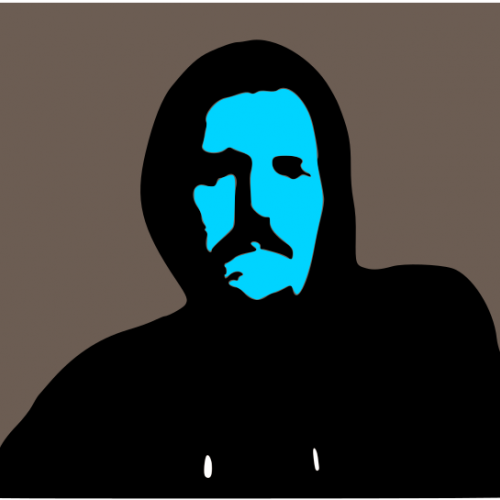
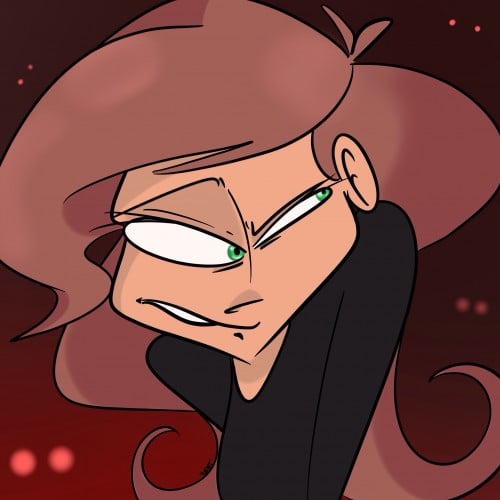
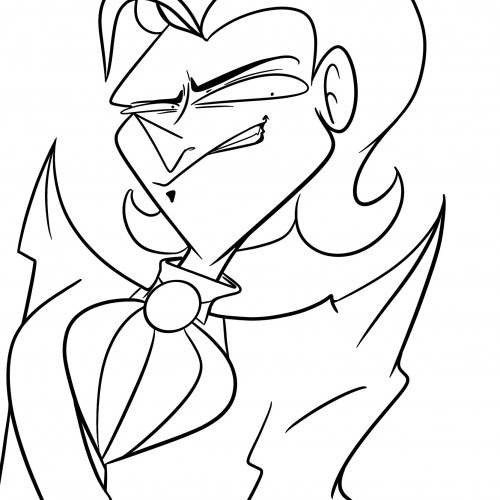
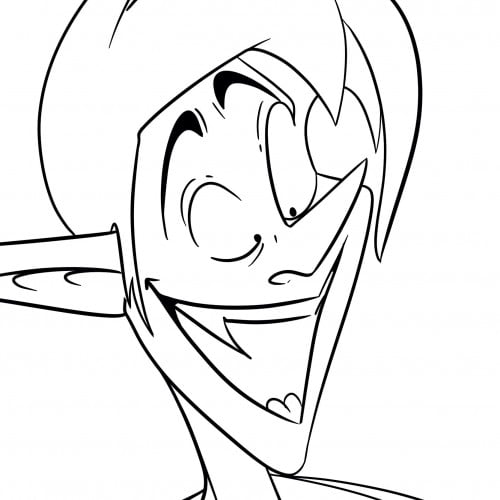
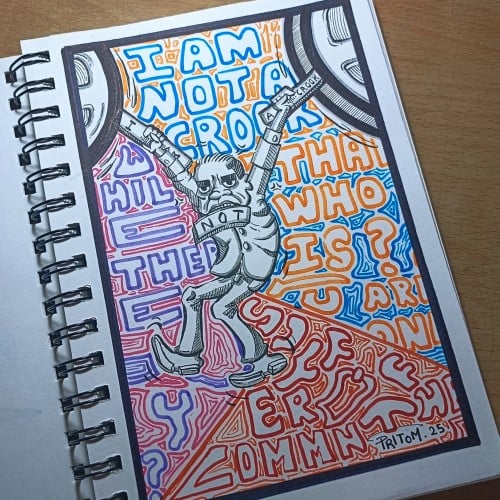
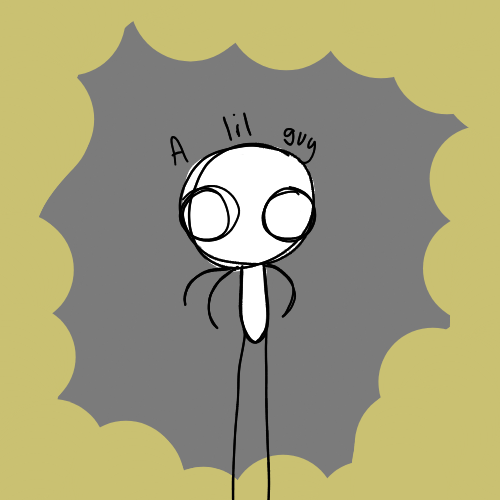
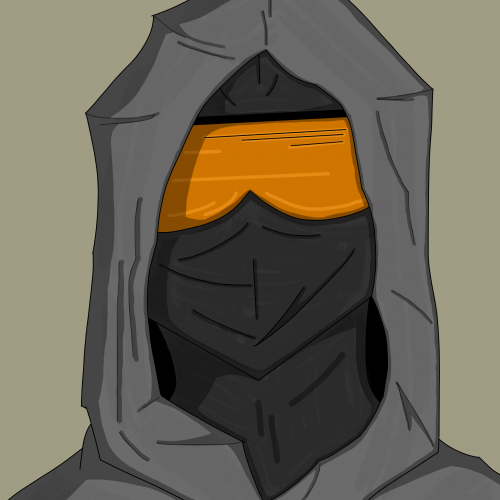
I was going through some old sketch books that marked 2024. I had completely forgotten about this guy. I did change his look a little. I added hair to him and took his horns off. But I had created him to be my demon or devil. I thought he had died, no he was just waiting.
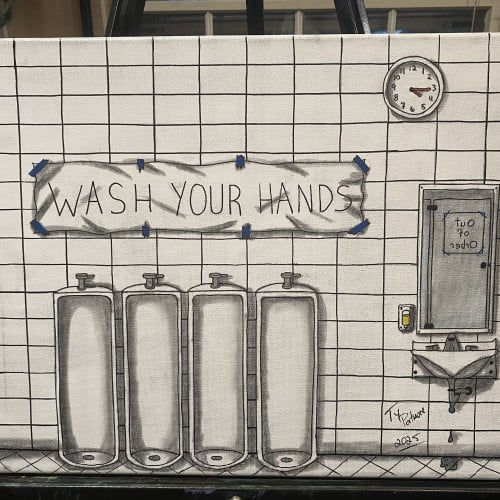
In this memory-driven piece, Patmore reconstructs the bathroom from his third-grade elementary school, capturing the sterile brightness, the tiled repetition, and the institutional reminder to “WASH YOUR HANDS.”
But the scene is not pristine — a leaky sink, an out-of-order stall, and a taped-up sign reveal the quiet decay behind childhood places we assume were orderly and safe.
Patmore blends nostalgia with unease, transforming a simple restroom into a study of what it means to grow up: how the lessons we learn early (“hygiene,” discipline, responsibility) stay with us even after the walls begin to crack. The small pop of blue tape emphasizes the DIY fragility of rules meant to guide us.
This piece stands at the intersection of memory and maintenance — of spaces, of bodies, and of ourselves.
As a digital artist venturing into the world of NFTs, I was filled with excitement and hope. I had spent years honing my craft, and the prospect of sharing my work with a global audience was exhilarating. However, my journey took a devastating turn when I fell victim to a malicious smart contract that drained my wallet of $75,000 in earnings and royalties. The art community's response was disheartening; they told me it was gone forever, a harsh reminder of the risks we accept in the digital space.Feeling lost and disheartened, I began to accept the reality of my situation. It was not just about the money; it represented years of hard work, creativity, and passion. I felt as though a part of my artistic identity had been stolen. Just when I thought all hope was lost, I came across Salvage Asset Recovery. Their approach was different; they understood the emotional weight of my loss and were determined to help. Salvage Asset Recovery specializes in cryptocurrency vulnerabilities, and their team of experts meticulously analyzed the malicious contract code that had caused my financial devastation. They identified the exploit and worked tirelessly with the platform to freeze subsequent transactions, preventing further losses. Their dedication was evident, and I felt a renewed sense of hope.Ultimately, Salvage Asset Recovery successfully recovered my lost funds. If you need help reach out to Salvage Asset Recovery
CONTACT INFORMATION Whats app....+1 8 4 7 6 5 4 7 0 9 6
Telegram..... 16592200206
It gives me great pleasure to report that Supreme Peregrine Recovery was able to help me retrieve the coins from my lost Trust Wallet. A seamless and effective process was guaranteed by their timely assistance and professional knowledge. I genuinely value their help and suggest them to others who require comparable recuperation remedies.
+1,3,1,8,5,5,3,0,6,7,9
supremeperegrinerecovery(@)proton(.)me
supremeperegrinerecovery567(@)zohomail(.)com
info(@)supremeperegrinerecovery(.)com
it's from my studies of the masters, here implying to Herblock the famous editorial illustrationist from the 1900s. studying his art and implementing my art style on top made me really hooked to this piece. I hope you all like it.
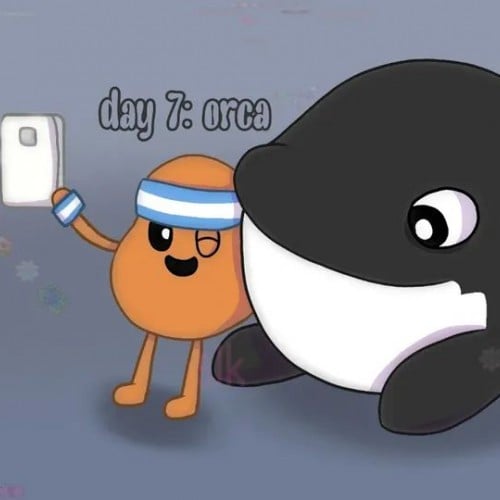
For Maycean Day 7, today it's the orca's turn.
For this day, I decided to make this drawing based on the minigame where you clean the teeth of a giant fork to take a selfie with it
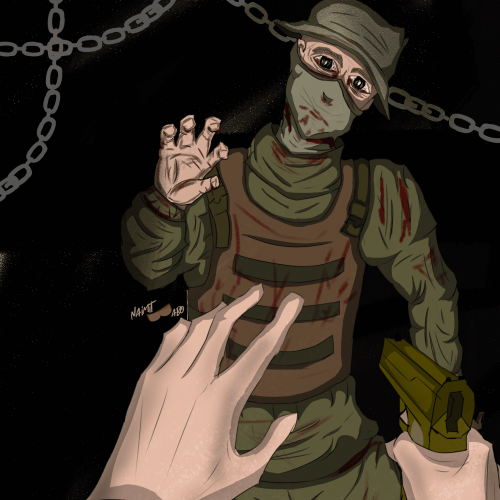
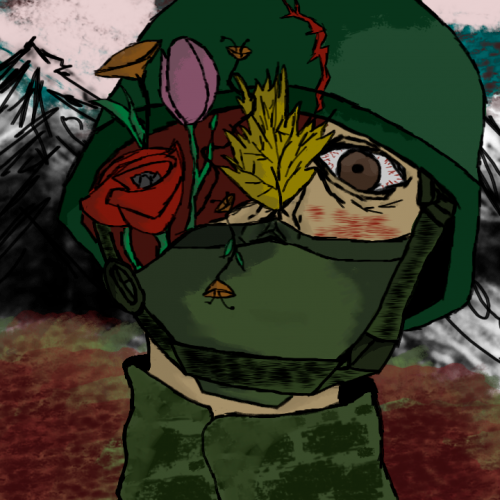
the wounded soldier is no longer just a man begging for mercy - he is infected with something dangerous, which makes him aggressive and possibly uncontrollable. His outstretched hand may now mean not a plea, but an attempt to grab the protagonist, which increases the sense of threat.
The soldier's eyes, wide open and seemingly filled with fear or madness, now look like a sign of loss of humanity. The blood stains on his clothes are no longer just traces of battle, but perhaps the result of his own aggression.
The chains in the background can be interpreted as a symbol of restriction or control over the infected - perhaps he was captured or locked up, but was able to break free.
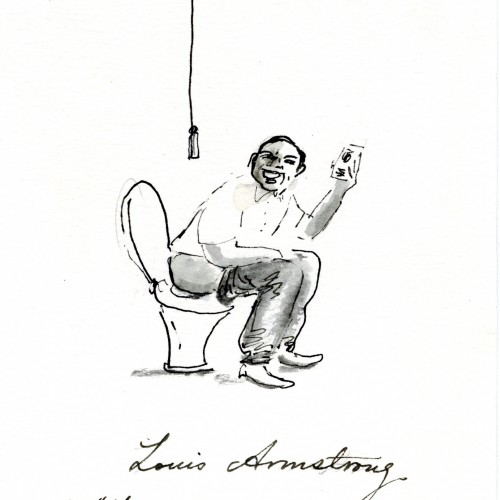
Louis Armstrong (1901–1971)
Armstrong relied on music to lull himself to sleep. Before he could get into bed, however, he had to administer the last of his daily home remedies, Swiss Kriss, a potent herbal laxative invented by the nutritionist Gayelord Hauser in 1922 (and still on the market today). Armstrong believed so strongly in its curative powers that he recommended it to all his friends, and even had a card printed up with a photo of himself sitting on the toilet, above the caption “Leave It All Behind Ya.”
- From Daily Rituals: How Artists Work by Mason Currey
“All music is folk music. I ain't never heard a horse sing a song.”
― Louis Armstrong
#dailyrituals #inktober #LouisArmstrong @masoncurrey
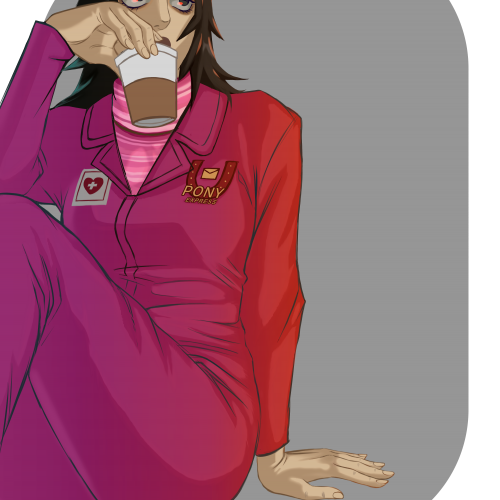
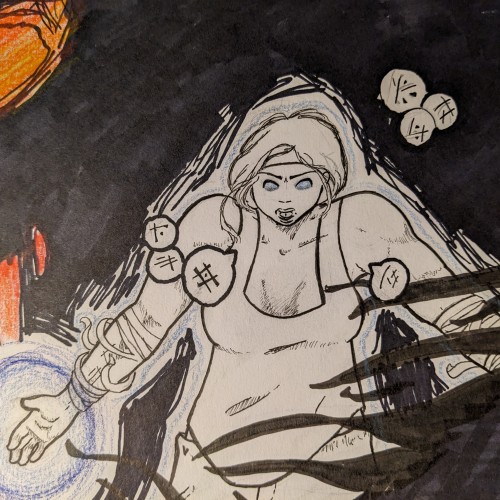
This is a major redesign of an OC that I came up with a while back. She's a hardened battle general, fighting on the worst day of her life. The assault has failed, soldiers have been lost, and the darkness has used memories of her husband to lure her to her doom. She's not going to go down easy.
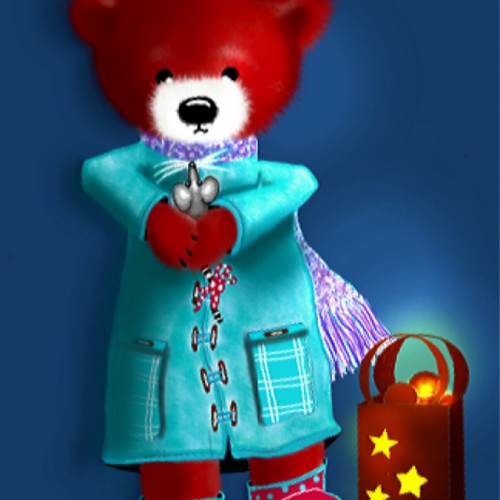
Teddy Bear's Change of Seasons - Sophie's Christmas included!
Is beautifully written and illustrated, Teddy Bear’s Change of Seasons includes four charming stories, wonderfully rolled into one children’s novel.
Teddy Bear and his friends create magical ways to explore and learn about the snow-white, wonderful world they live in, which changes from summer to autumn and into an unforgettable Christmas.
Teddy’s journey of self-discovery through four seasons, Christmas included, begins in a magnificent old-growth forest, but Teddy is stuck inside a dark and lonely place.
His dreams look far away and out of reach, until Teddy rescues a small mouse, who is desperate for help.
From this one act of kindness, Teddy's life changes in ways he never imagined, bringing him close friends, a new loving family and the kind of challenges and adventures other teddies have never encountered before.
This is a dream of a book, the perfect snuggle-down bedtime story, accompanied by hot, sleepy cocoa.
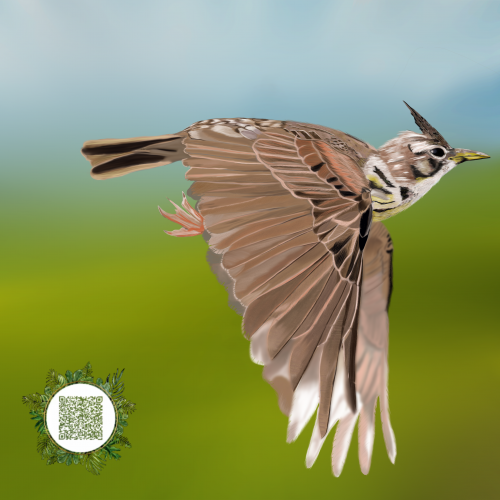
I just finished the Calandra Lark. Here are some facts about this beautiful bird...
Appearance: It's a large lark, about 17.5-20 cm long, with a robust build, a heavy bill, and noticeable pale eyebrows
. Its plumage is mainly greyish-brown streaked above and white below, with large black patches on the breast sides.
Habitat: This species is found in open plains, steppes, pastures, and dry cereal cultivations. It's mainly resident in the west of its range but Russian populations migrate further south in winter.
Diet: Their main food source is seeds, but they also consume insects when nesting.
Behaviour: Calandra Larks are known to be gregarious outside the breeding season, often forming large flocks.
Song: Their song is considered musical and slower than the Skylark's. It has been historically popular as a cagebird.
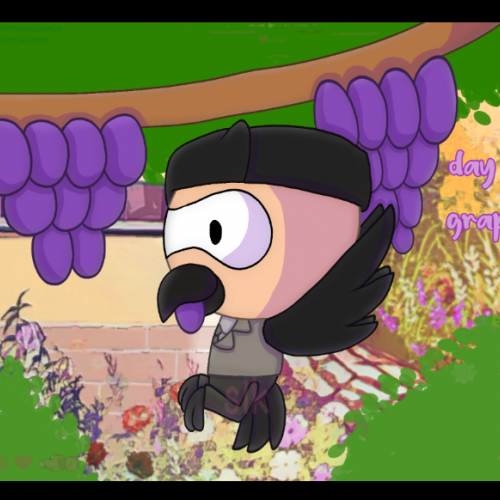
para el día 13 de Fruitecember hoy le toca a uvas
para este día decidí dibujar a policarpo el cual se encontró en un jardín de uvas y decidió comerse algunas sin que el dueño se diera cuenta