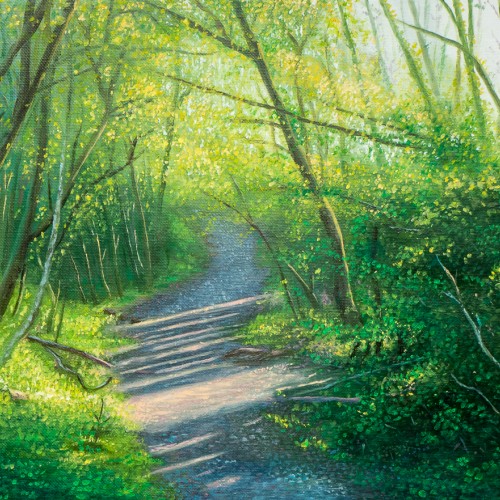
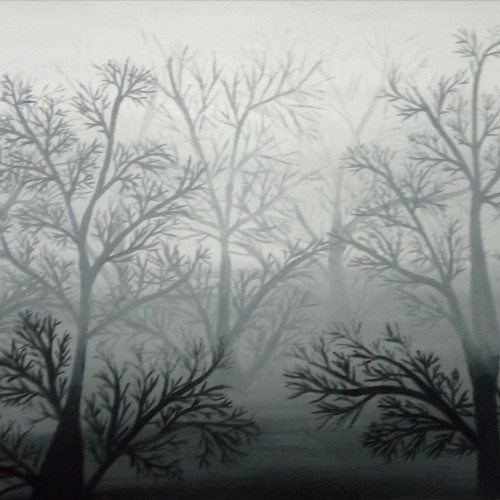
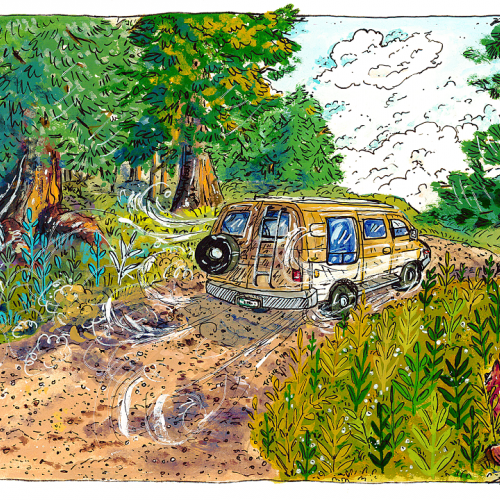
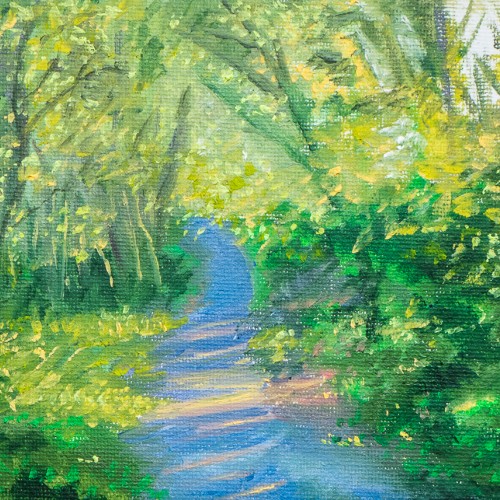
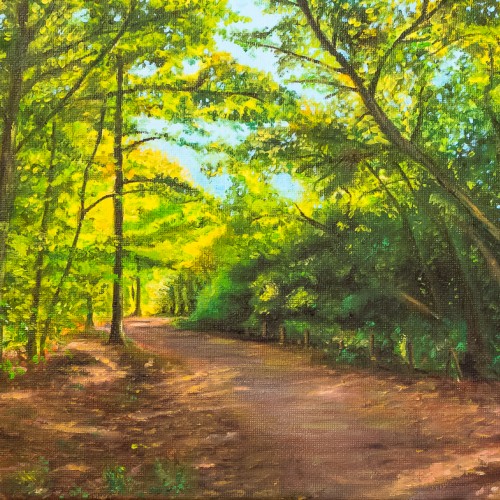
My last finished painting of 2020. A morning in the woodlands of Ystradfawr Nature Reserve near my home. This is the final result of one of my colour sketches - Spring on the Line. It sold to lady in a care home who's lost her mobility. I hope it gives her a bit of the great outdoors when she's sitting in her room.
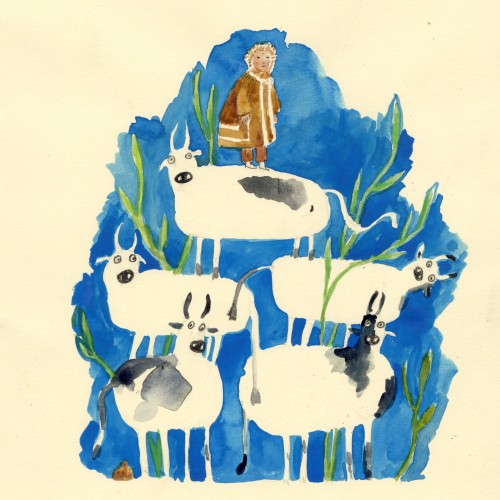
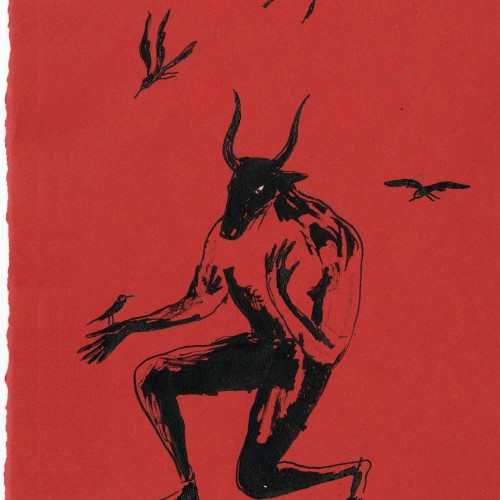
THE LITTLE OLD WOMAN WITH FIVE COWS
From Favorite Folktales from Around the World by Jane Yolen.
One morning a little old woman got up and went to the field containing her five cows. She took from the earth a herb with five sprouts and, without breaking either root or branch, carried it home and wrapped it in a blanket and placed it on her pillow. Then she went out again and sat down to milk her cows.
Suddenly she heard tambourine bells jingle and scissors fall, on account of which noise she upset the milk. Having run home and looked, she found that the plant was uninjured. Again she issued forth to milk the cows, and again thought she heard the tambourine bells jingle and scissors fall, and once more she spilled her milk.
https://www.instagram.com/p/CnnCvkZpxW0/?utm_source=ig_web_copy_link
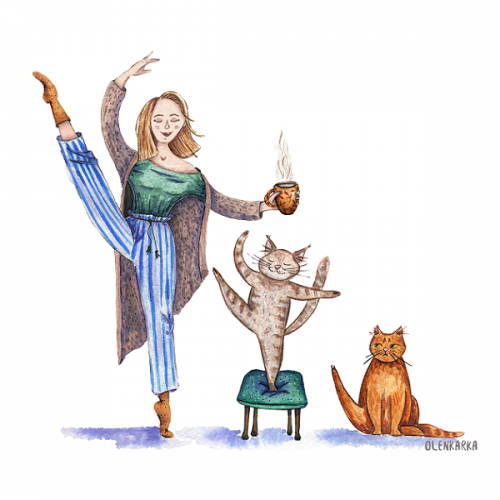
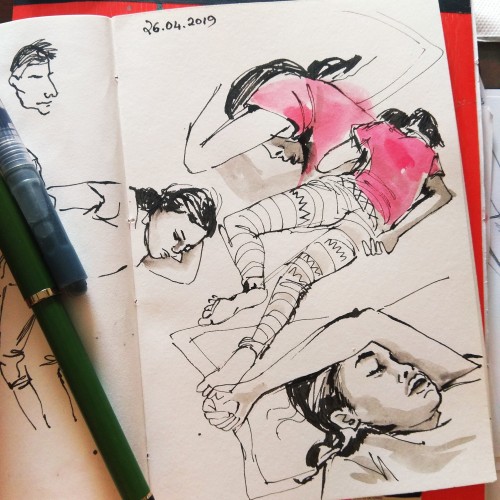
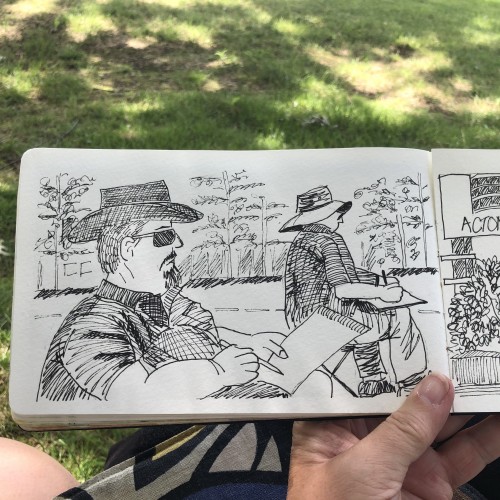
Early morning camping trip! This week I've *resurrected* my instagram. It's @gouacheandink or https://www.instagram.com/gouacheandink/ Hope you all have a happy 4th of July :)
Joseph Cornell (1903–1972)
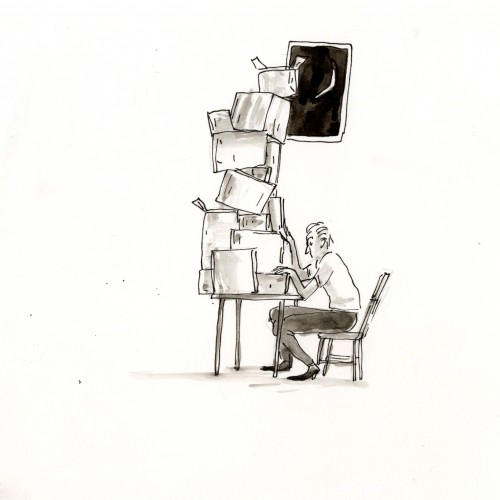
Cornell worked nights at the kitchen table, sorting and assembling materials for his boxes. It was not easy going. Some nights he felt too fatigued from his day job to concentrate on his art and would sit up reading instead, switching on the oven for warmth. In the mornings, his quarrelsome mother would scold him about the mess he’d left at the kitchen table; without a proper workroom, Cornell was forced to store his growing collection of magazine clippings and dime-store baubles out in the garage.
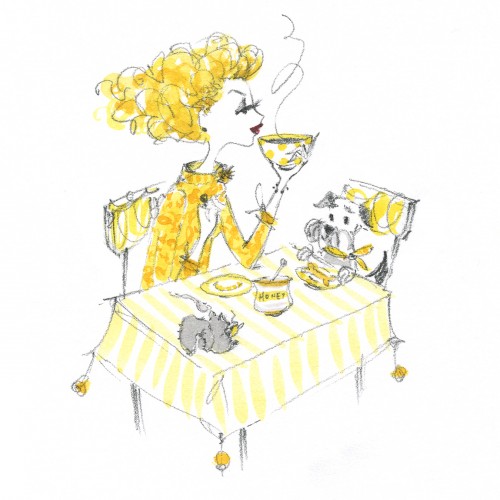
In 1940 Cornell finally mustered the courage to quit his job and pursue his art full-time—and even then his habits changed little. He still worked nights at the kitchen table, while his mother and brother slept upstairs. In the late morning he would head downtown for breakfast at his local Bickford’s restaurant, often satisfying his sweet tooth with a Danish or a slice of pie (and lovingly cataloging these indulgences in his diary).
- From Daily Rituals: How Artists Work by Mason Currey
#dailyrituals #inktober #JosephCornell @masoncurrey
- Oil painting of a countryside of Vietnam. When observing, it is easy to see an image erected when people are working in the field, along with the early morning time, so it has created a beautiful picture. Each object in the picture has its own highlight, full of attractive looks. Although it is a picture of a simple landscape about people in the countryside, every little detail is meticulously painted by the author. This painting is owned by the author "Uilliam Potter". This picture was drawn and uploaded to show everyone the inherent beauty of a rural village, if you have the opportunity, come and feel it. Get the beauty here in the most realistic way.
- Please contact me via Email: williampotterowners@yahoo.com
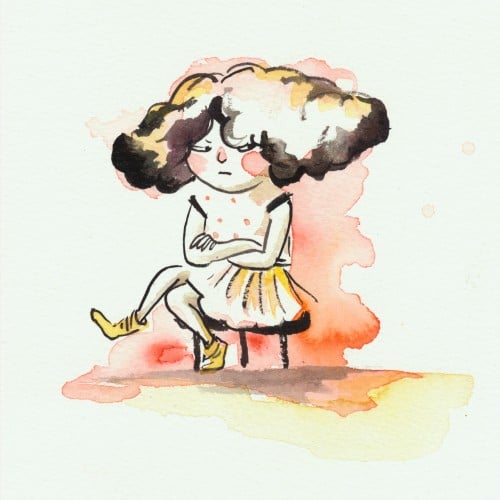
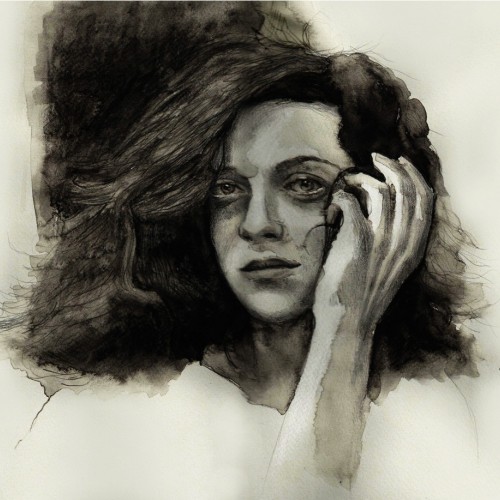
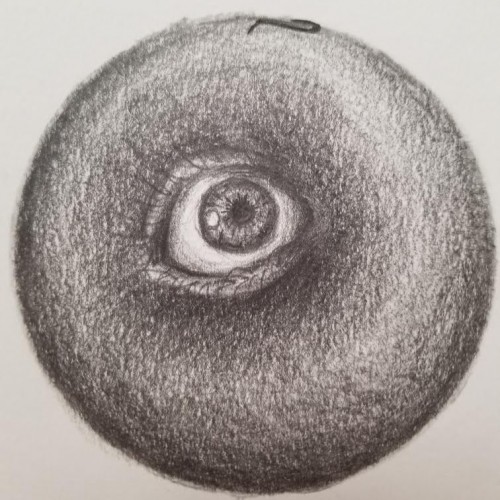
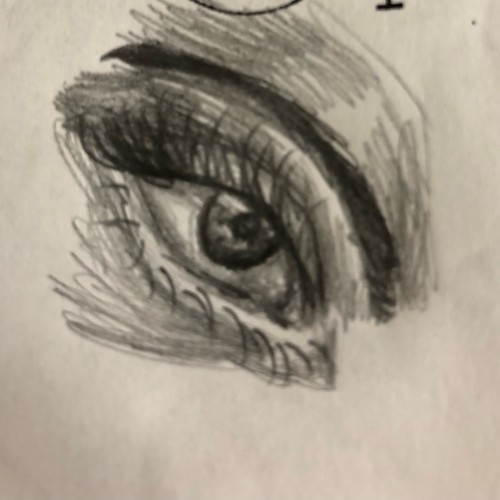
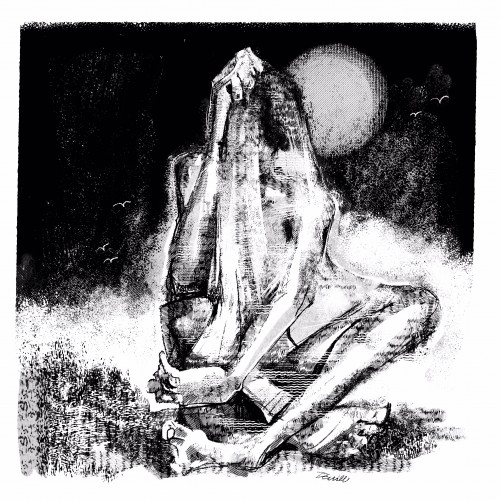
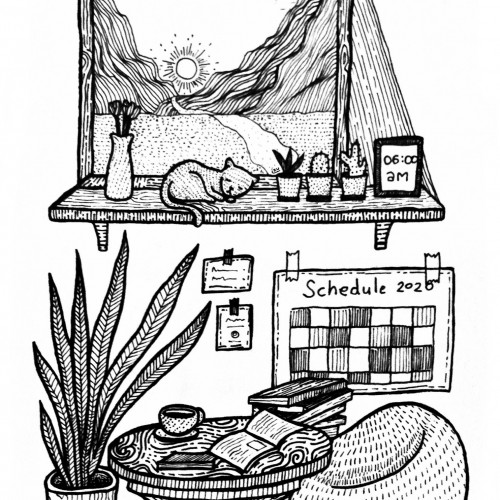
Here's something I drew in 10 minutes this morning. I was on call waiting for work to start and my anxiety went through the roof. Not sure why, but it did. My friend asked me if this sketch was a sound, what would it be? I said static. That's what things feel like most of the time: all-consuming, loud, abrasive static.
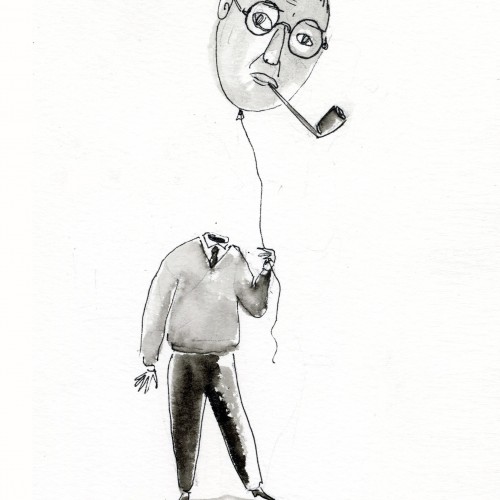
Jean-Paul Sartre (1905–1980)
By the 1950s, too much work on too little sleep—with too much wine and cigarettes—had left Sartre exhausted and on the verge of collapse. Rather than slow down, however, he turned to Corydrane, a mix of amphetamine and aspirin then fashionable among Parisian students, intellectuals, and artists (and legal in France until 1971, when it was declared toxic and taken off the market). The prescribed dose was one or two tablets in the morning and at noon. Sartre took twenty a day, beginning with his morning coffee and slowly chewing one pill after another as he worked. For each tablet, he could produce a page or two of his second major philosophical work, The Critique of Dialectical Reason.
The biographer Annie Cohen-Solal reports, “His diet over a period of twenty-four hours included two packs of cigarettes and several pipes stuffed with black tobacco, more than a quart of alcohol—wine, beer, vodka, whisky, and so on—two hundred milligrams of amphetamines, fifteen grams of aspirin, several grams of barbiturates, plus coffee, tea, rich meals.”
- From Daily Rituals: How Artists Work by Mason Currey
#dailyrituals #inktober #jeanPaulSartre @masoncurrey