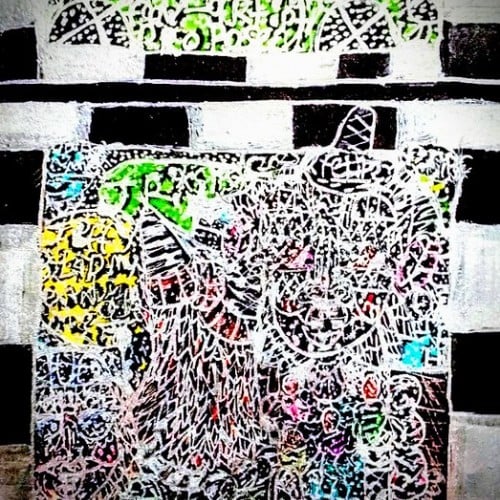
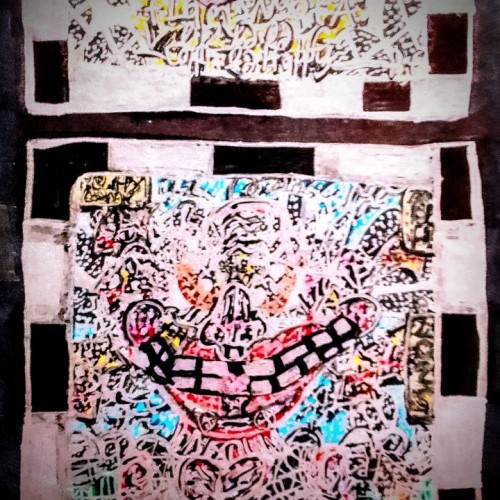
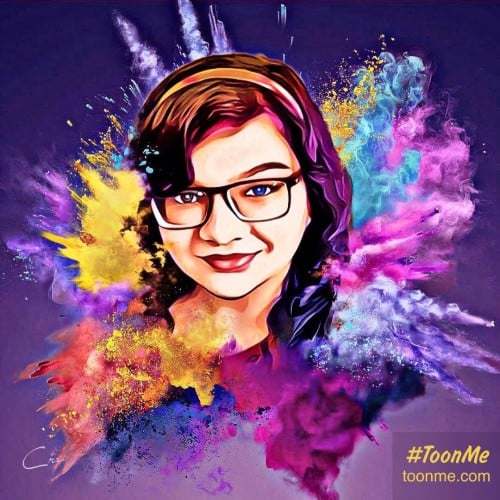
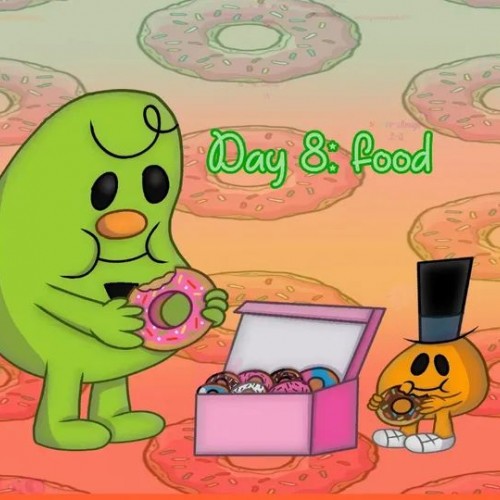
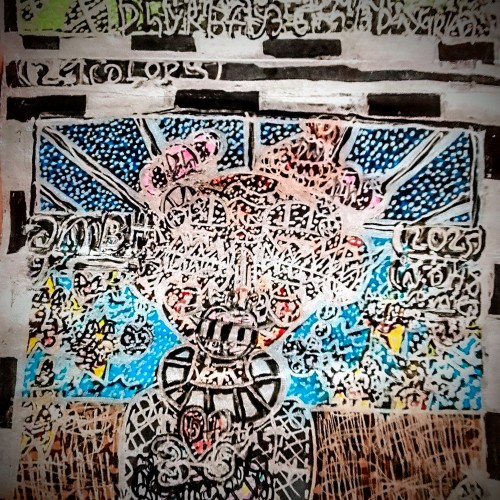
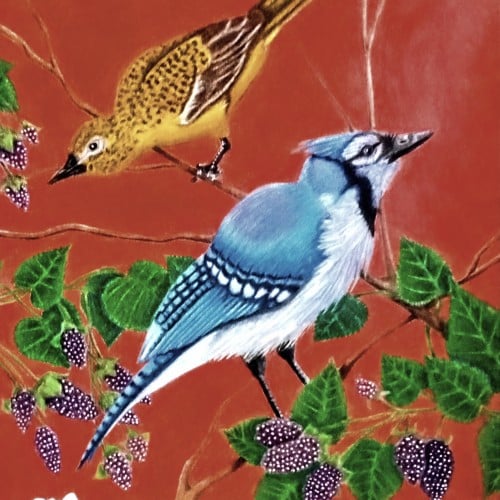
(PS I hadn't drawing Felipe & junior on an date in 6 month's / now almost 7 months l exp last time was Jeffpayricks day 2025 the one where Felipe had his childhood bff non blood related friend named junior back in March 2025 for st jeffpayricks day in pot of gold together was last time i drew the 2 together on.
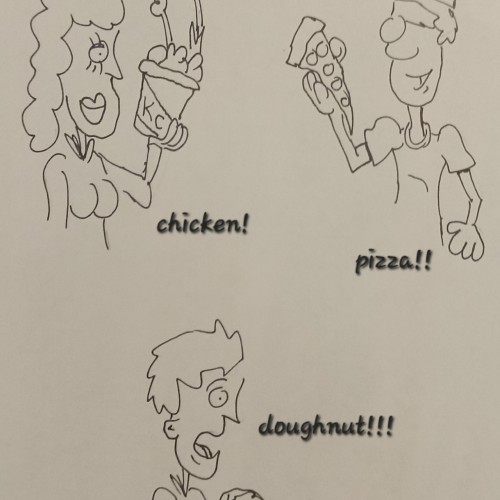
*Ps:not my bestest work yet but its great tho! Due colors r too bright and its an Finished rn i draw this 3 person drawing on this.
I believed losing $630,000 in cryptocurrency was the end for me. I had no clue how to recover my wallet, and every other service I found only offered empty promises. Then I discovered iForce Hacker Recovery. Their team was highly professional, skilled, and meticulous. Using advanced forensic techniques, they worked relentlessly to recover every dollar. In the end, I regained everything I thought was gone forever. Their support didn’t stop there; they also helped me strengthen my wallet’s security to prevent future breaches.
Email; iforcehk@consultant.com
Call/Text-whatsapp; +1 (240) 803. (3706)
Hi, I’m Mike Thomas, and I want to share how iForce Hacker Recovery helped me after I fell victim to a clever online scam. I thought I was tech savvy, but a fake rep from a major tech company tricked me into giving away sensitive info. My finances and identity were at risk, and I felt helpless. Then I found iForce Hacker Recovery. Their team was reassuring, knowledgeable, and guided me through every step of regaining control. I'm truly grateful they turned a nightmare into hope.
Contact iForce Hacker Recovery:
Email: iforcehk@consultant.com
WhatsApp: +1 (240) 803-3706
Website: iforcehackers.wixsite.com
Ps i hadn't drawn Happy Boyfriend aka chad from flamingo on the last Jeffpatricks day 2025 group drawing but last time i draw him in group or i hadn't drawn Happy Boyfriend aka chad from flamingo since my very first Sneezy art post (shout out to u if u seen it) but last time i draw him on his own was sneezy art first post but Due busy drawing other YouTuber flamingo fanarts and some original ocs lolz agains
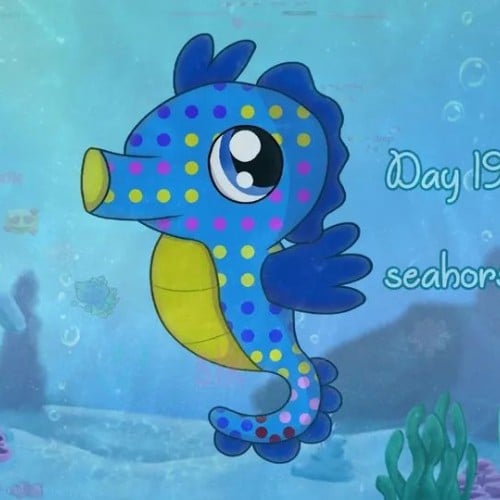
For Junefairytale Day 19, today is the seahorse's turn.
For this day, I decided to make the seahorse with colorful dots swimming at the bottom of the sea
Yes, Lost Crypto Recovery is Possible within 72hrs With Lost Recovery Masters
My name is Dr Egor Barnet , and I have been working so hard for the last 18 years, and just last week, I was on the verge of suicide because I lost all 0f my savings - $58 million u$dt - but thankfully, (Lost Recovery Masters) They helped me recover all I had lost in less than 72 hours. You can get in touch with them to recover your lost crypto.
Contact info.
Website ( https://lostrecoverymasters.com/ )
Email ( Support@lostrecoverymasters.com )
Whatsapp +44(7537)-105921
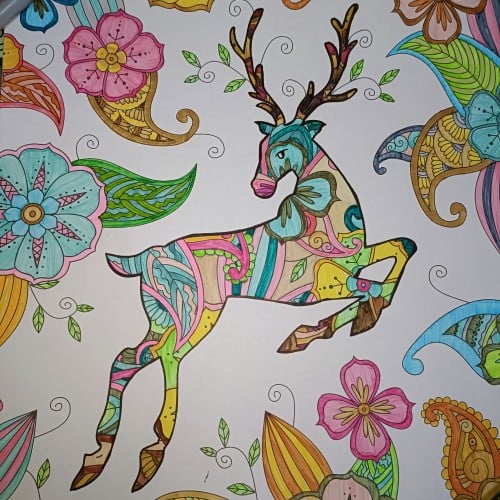
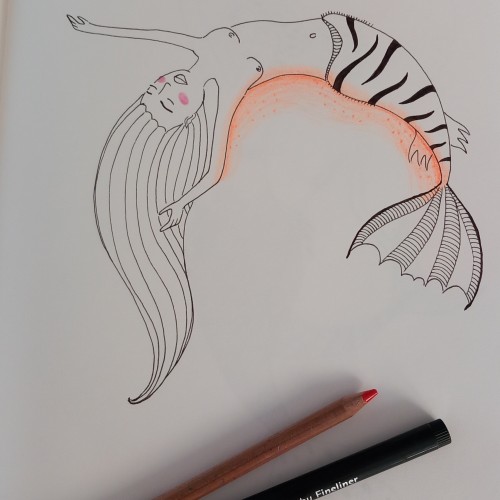
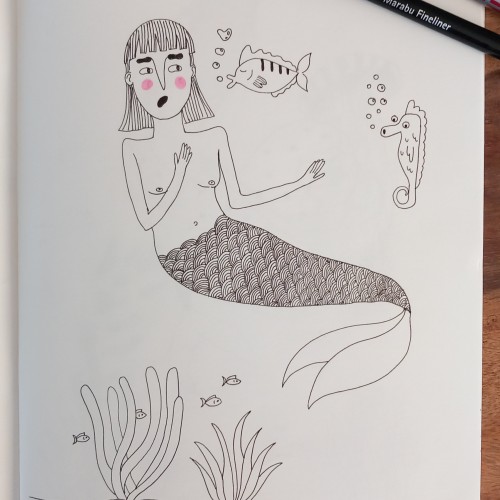
...supported by some bioluminescent particles. I drew the glowy effect with a merchandise neon orange pastel pencil that I probably stole somewhere. The rest is a simple black fineliner on drawing paper.
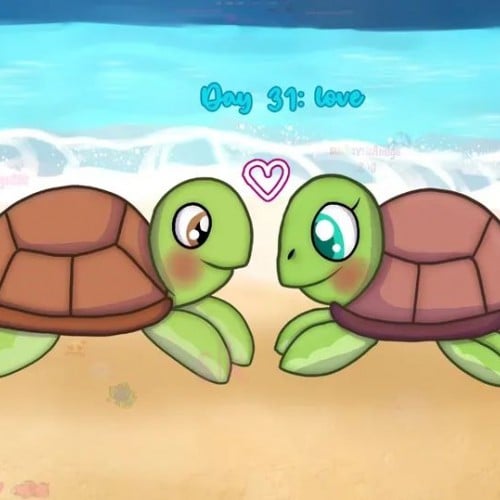
For the 31st and final day of Maycean, today it's love's turn.
For this day, I decided to make an adorable turtle couple getting to know each other on the beach. Thank you all for enjoying these drawings. I hope you liked them
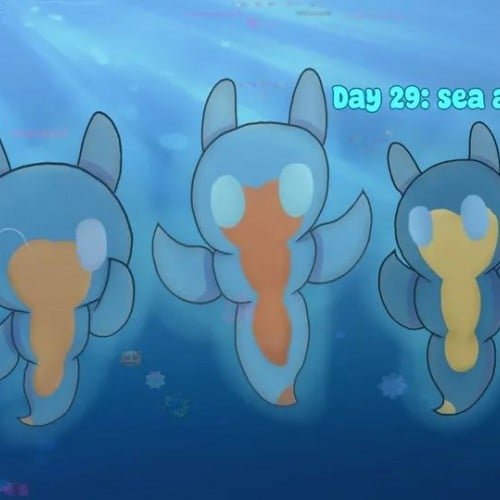
For May 29th, today is the day for Sea Angels.
For this day, I decided to draw three strange and wonderful sea creatures that I always imagine as cosmic marine beings
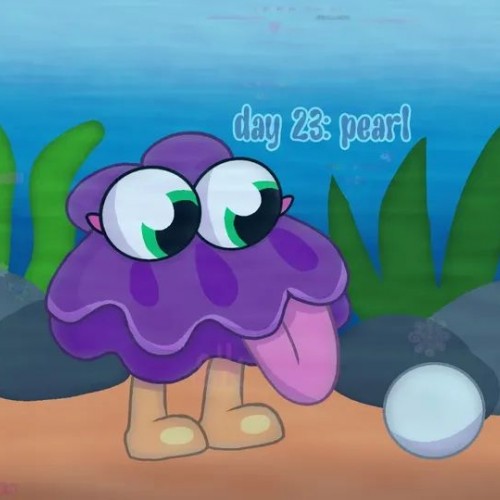
For May 23rd, today is Pearl's turn.
For this day, I decided to make Shimmy, who, while walking on the bottom of the sea, came across a strange and beautiful Pearl
For May 14th, today is the day for rainbows.
For this day, I decided to make Pond Dino Cookie. He's in a small pond on top of a lily pad, and suddenly he saw a beautiful rainbow next to the pond
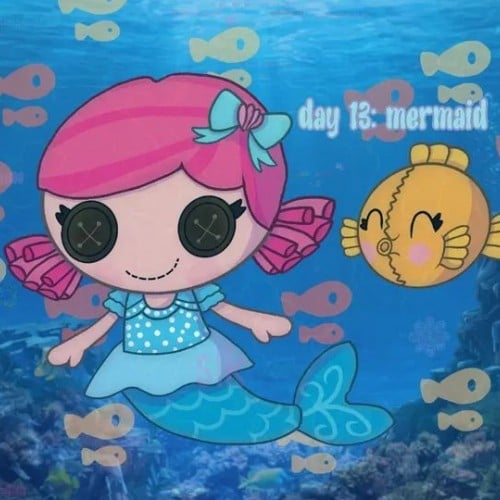
For May 13th, today it's a mermaid's turn.
For this day, I decided to draw one of the Lalas mermaids along with her pet pufferfish who loves to throw water. She's Coral Sea Shells
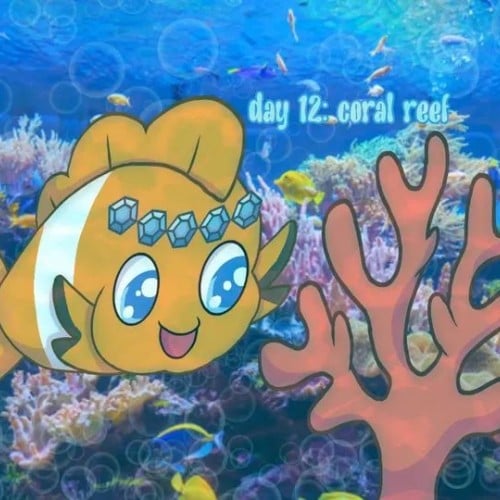
For May 12th, today is the coral reef's turn.
For this day, I decided to invite Aqua, who went out to explore the ocean and found a huge, incredible coral reef. They'd never seen anything like it
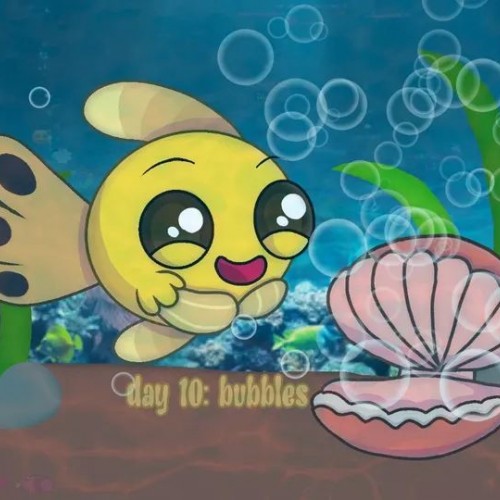
For May 10th, today is the day for bubbles.
For this day, I decided to make Equilor, who, while swimming, came across a strange oyster, which, when opened, released the bubble motor