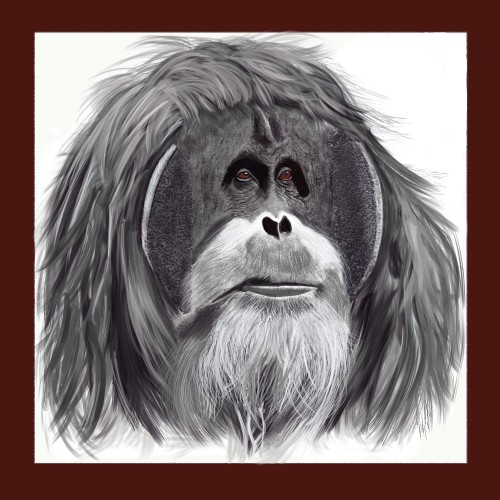
Orangutan sketch (Original Dimensions: 3000x3000px x 300DPI) to try out my new iPad Air M2 13 using both iArtbook Pro and Artstudio Pro artist apps. This iPad is awesome for power and quickness.
Here are three main facts about adult male orangutans:
1. **Physical Characteristics**: Adult male orangutans are significantly larger than females, with an average height of about 1.2-1.5 meters (4-5 feet) and weighing around 50-100 kg (110-220 lbs). They develop distinctive physical features such as large cheek flanges (fleshy pads) and a throat pouch, which they use to produce long calls to communicate across the dense forests.
2. **Solitary Lifestyle**: Unlike many primates, male orangutans are solitary creatures. They spend most of their lives alone, except during brief periods of mating. This solitary behaviour reduces competition for food and other resources. The males will range widely and have large territories that often overlap with the ranges of several females.
3. **Long Call**: Adult male orangutans have a unique and powerful long call that can be heard over great distances. This call is used to establish territory and attract females. The call consists of a series of roars, grunts, and bellows, and it serves to warn other males of their presence, helping to maintain social hierarchy and reduce conflicts.
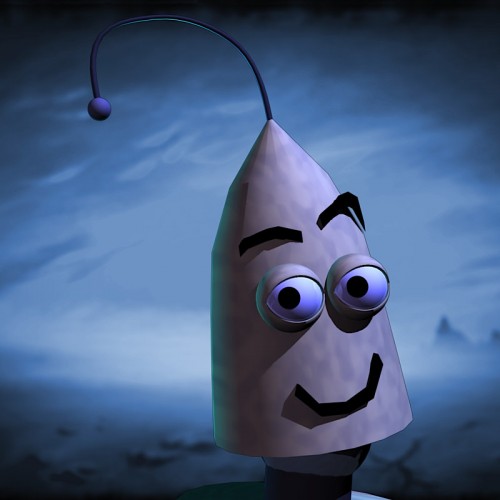
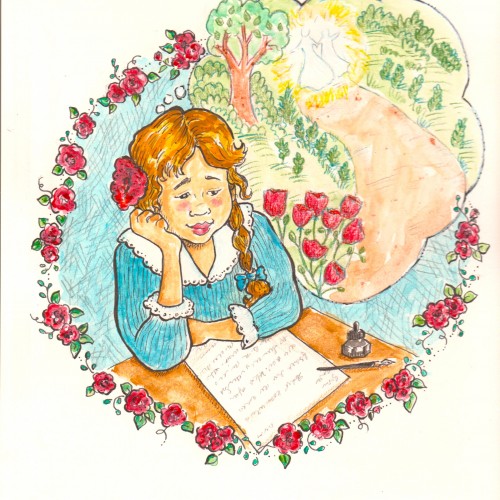
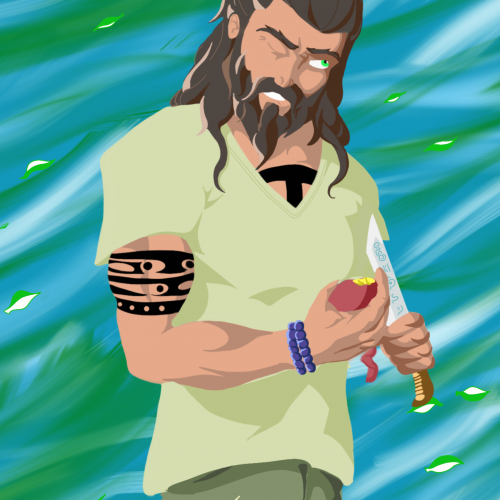
This is an illustration I did last year that is included in a book of short stories about 'Abdul-Baha, the son of the founder of the Baha'i Faith, entitled "To Serve All Humanity".
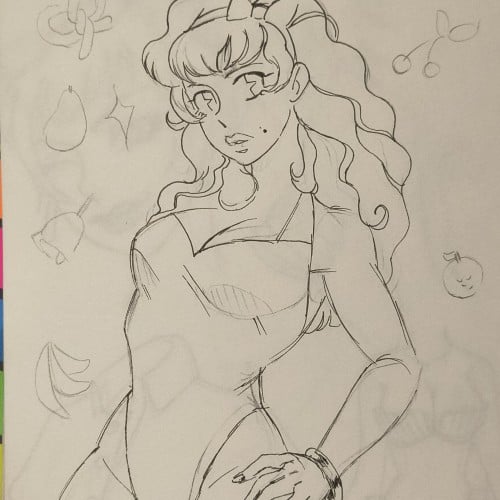
Trying a new art style but not really feeling it. It's supposed to be a little of the 80s anime with a twist but it's hard to replicate. Body is tea but sort of stiff
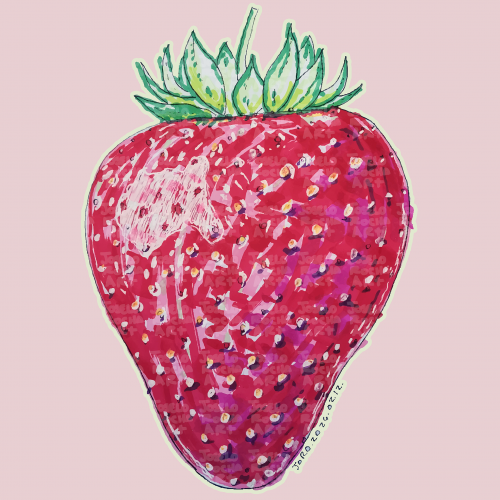
A vibrant, hand-rendered standing strawberry illustration featuring rich textures and expressive marker strokes. This piece captures the organic beauty of summer fruit through a modern, illustrative lens.
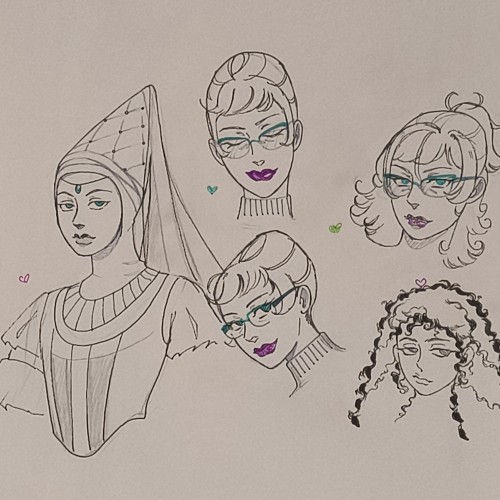
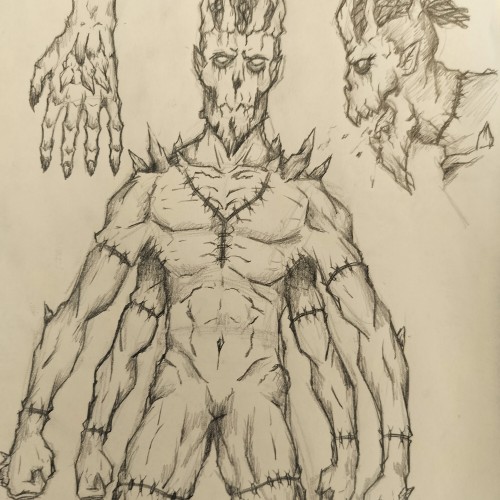
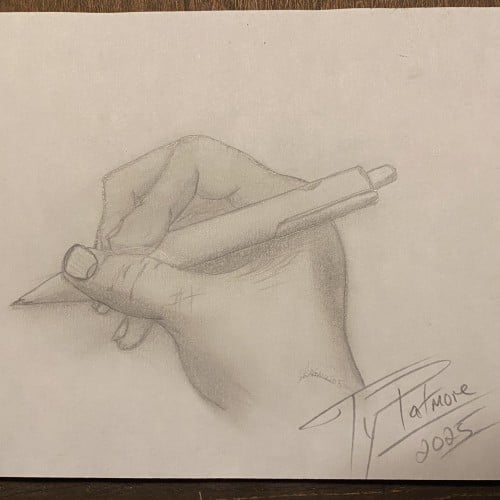
#28 - A collection of ballpoint pen sketches drawn on printer paper & scanned. This is what my lines look like when I'm not using a stabilizer in digital software to get the nicest clean lines. I tried to separate my scanned lines from the various shades of off-white that the scanner picked up. I adjusted the brightness and contrast levels in photoshop but I'm not very knowledgeable on how to achieve the best results.
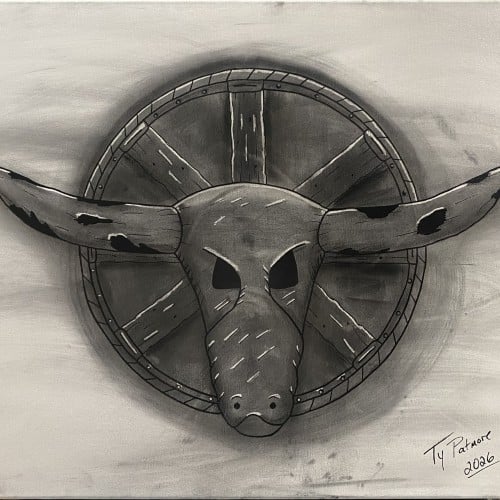
24x30 canvas A weathered steer skull fixed against a wagon wheel, drawn in graphite, charcoal, and ink, evokes the grit and resolve of westward migration. The skull stands as a quiet emblem of endurance, sacrifice, and survival, while the wheel anchors the piece in motion and passage. Westbound ’49 references the year many headed west in search of promise, capturing the stark beauty and cost of that journey in restrained black and white.
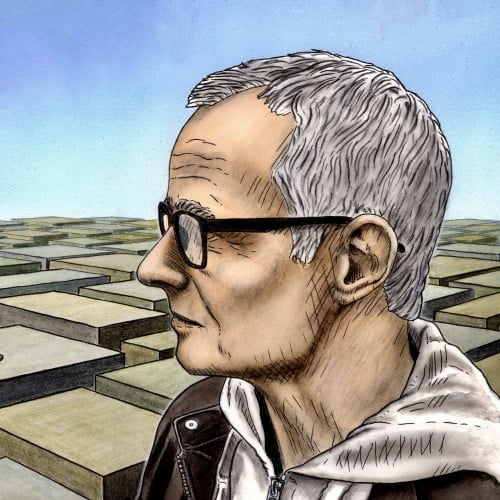
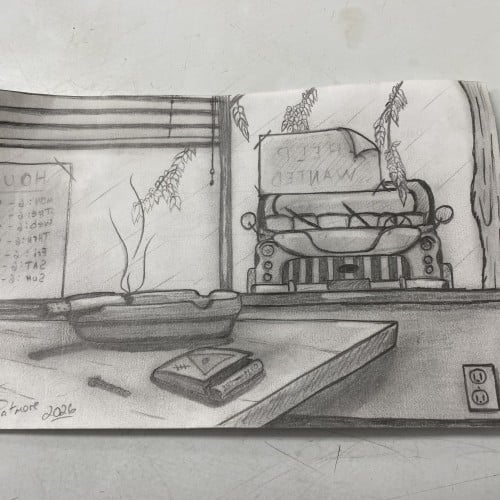
A sketch recalling an era when smoking indoors after a meal was commonplace—a fleeting pause of stillness before continuing the journey ahead. Done with mechanical pencil on scrap printer paper.
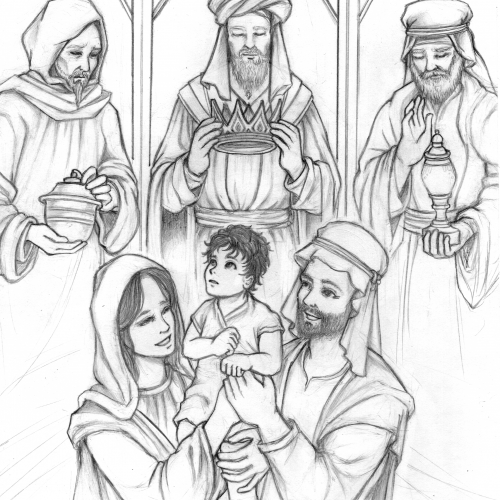
A late Christmas edition, but I suppose it's fine because it's still Christmastide. And according to the story, the wise men didn't actually arrive at the time of Jesus's birth so the lateness has some historical basis.
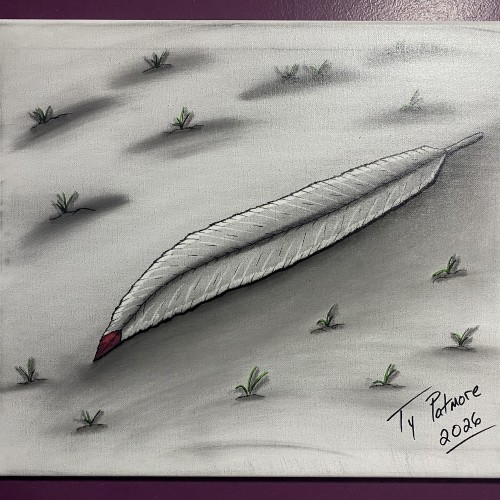
This feather rests as a symbol of gentle guardianship. Light enough to drift, yet preserved with intention, it speaks to protection without restraint—something watched over, not controlled. It represents care that is quiet, constant, and strong precisely because it does not weigh anything down.
Meadhbh stretching after a long pose.
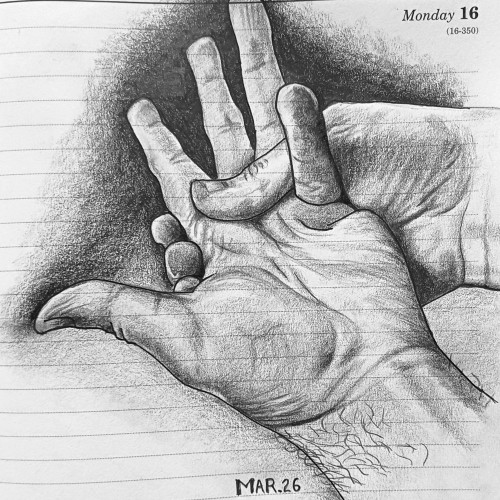
Sketchbook work from November 2025
2025, Ballpoint Pens on 5” x 8” (10” x 8” Double page spread) Sketchbook, Adobe Photoshop
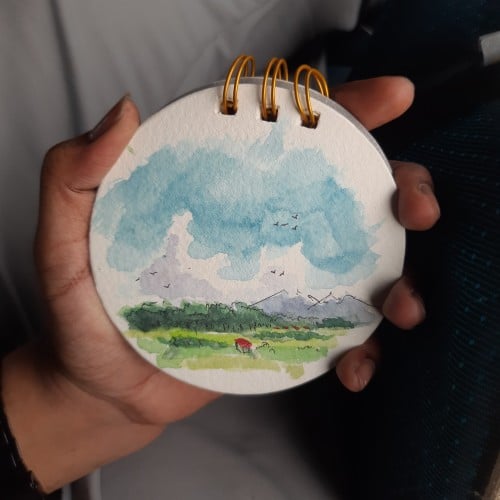
This is the 4rth piece that I painted during my train journey. I painted this scene after getting mesmerised by the view from the train window. It was Day 1, evening, 4 pm. We were passing through mountains and lakes. A group of girls ( students ) got excited when I showed some of my paintings. So I gifted one of them this (●'◡'●)
A solitary rowboat drifts across a muted, restless surface, unanchored and unattended. Rendered in charcoal, ink, and subtle white highlights, the vessel exists in a quiet state of motion—moving, yet going nowhere. The surrounding water is suggested through loose, rhythmic lines, emphasizing atmosphere and isolation over realism.
The boat is sharply defined against the hazy background, its dark contours and interior shadows contrasting with the soft, unsettled environment. Oars rest unevenly, implying recent human presence while reinforcing absence. The name Perditas—Latin for “lost”—is affixed to the hull, anchoring the emotional weight of the piece without explanation.
This work explores themes of solitude, uncertainty, and endurance. With no shoreline or destination in sight, Perditas becomes a reflection on drifting—physically, mentally, and emotionally—inviting the viewer to confront their own sense of direction within an undefined space.