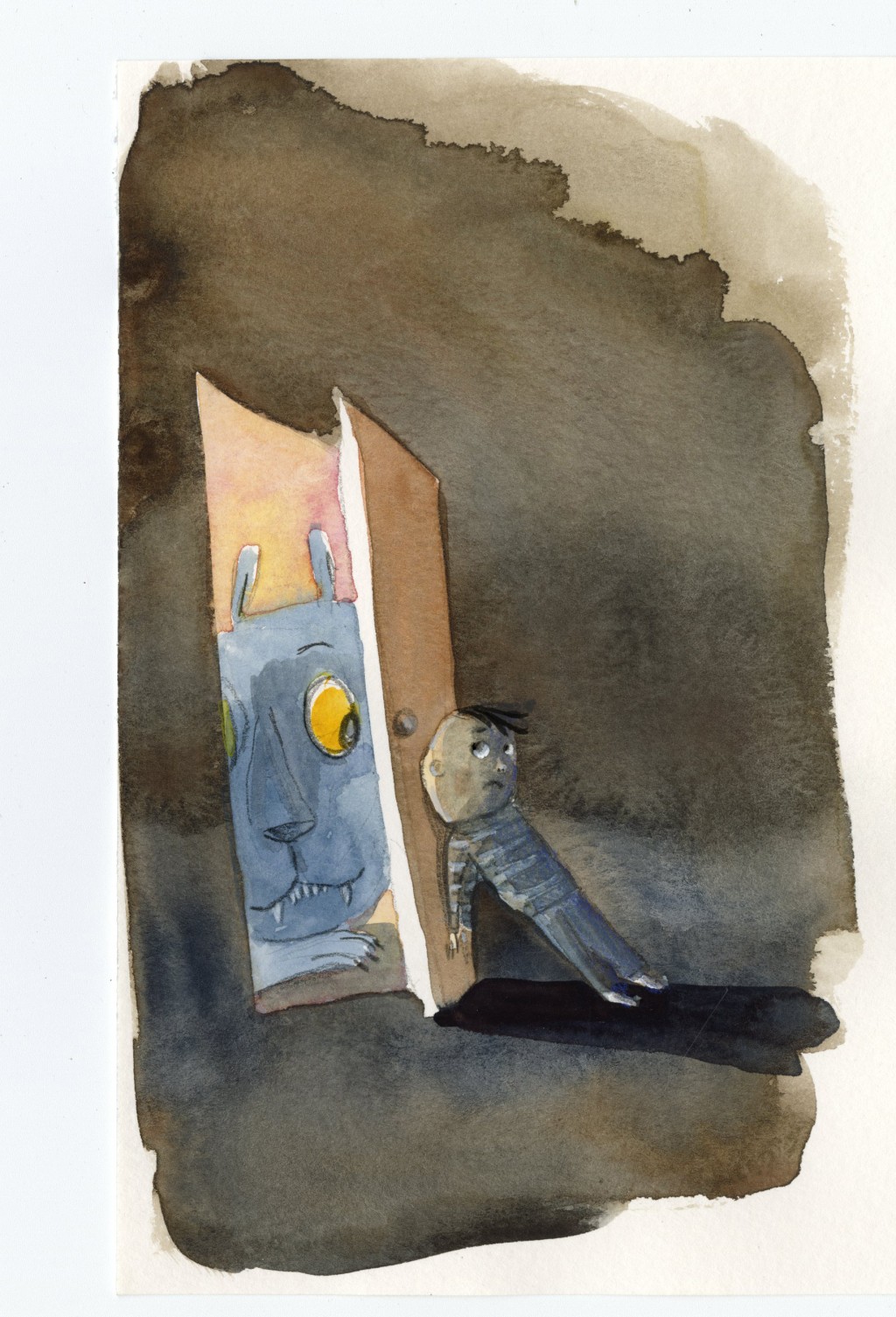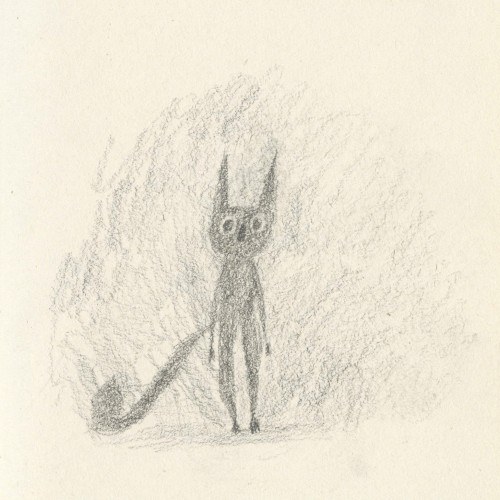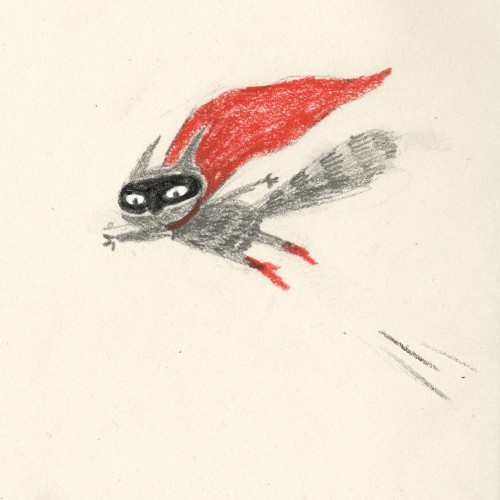
Hide and seek.

Beginning. Only one of them was playing hide and seek... https://www.instagram.com/p/CQymJK6BQSW/?utm_source=ig_web_copy_link
More from this Artist
Louis Armstrong (1901–1971) Armstrong relied on music to lull himself to sleep. Before he could get into bed, however, he had to administer the last of his daily home remedies, Swiss Kriss, a potent herbal laxative invented by the nutritionist Gayelord Hauser in 1922 (and still on the market today). Armstrong believed so strongly in its curative powers that he recommended it to all his friends, and even had a card printed up with a photo of himself sitting on the toilet, above the caption “Leave It All Behind Ya.” - From Daily Rituals: How Artists Work by Mason Currey “All music is folk music. I ain't never heard a horse sing a song.” ― Louis Armstrong #dailyrituals #inktober #LouisArmstrong @masoncurrey
-
280
-
2
-
0
Erik Satie (1866–1925) In 1898, Satie moved from Paris’s Montmartre district to the working-class suburb of Arcueil, where he would live for the rest of his life. Most mornings, however, the composer returned to the city on foot, walking a distance of about six miles to his former neighborhood, stopping at his favorite cafés along the way. According to one observer, Satie “walked slowly, taking small steps, his umbrella held tight under his arm. When talking he would stop, bend one knee a little, adjust his pince-nez and place his fist on his hip. Then he would take off once more, with small deliberate steps.” His dress was also distinctive: the same year that he moved to Arcueil, Satie received a small inheritance, which he used to purchase a dozen identical chestnut-colored velvet suits, with the same number of matching bowler hats. Locals who saw him pass by each day soon began calling him the Velvet Gentleman. The last train back to Arcueil left at 1:00 A.M., but Satie frequently missed it. Then he would walk the several miles home, sometimes not arriving until the sun was about to rise. Nevertheless, as soon as the next morning dawned, he would set off to Paris once more. The scholar Roger Shattuck once proposed that Satie’s unique sense of musical beat, and his appreciation of “the possibility of variation within repetition,” could be traced to this “endless walking back and forth across the same landscape day after day.” Indeed, Satie was observed stopping to jot down ideas during his walks, pausing under a streetlamp if it was dark. During the war the streetlamps were often extinguished, and rumor had it that Satie’s productivity dropped as a result. - From Daily Rituals: How Artists Work by Mason Currey
-
345
-
5
-
0
Leave a comment
Login or sign-up to leave a comment.