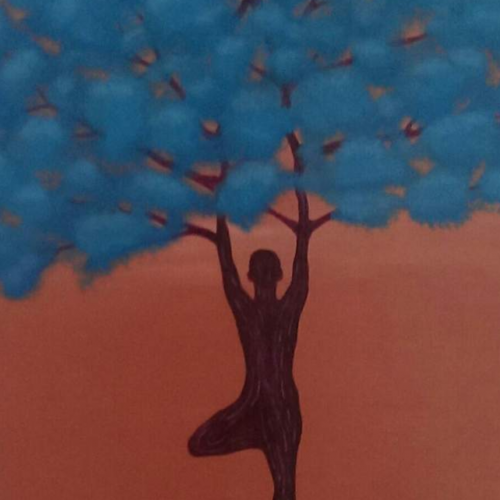
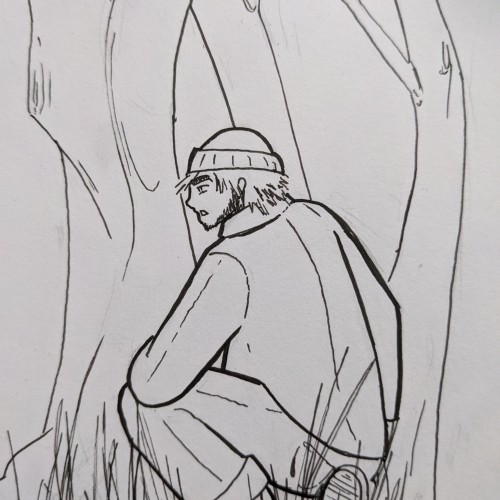
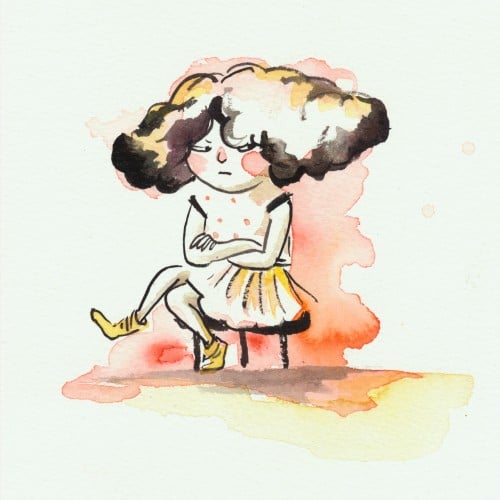
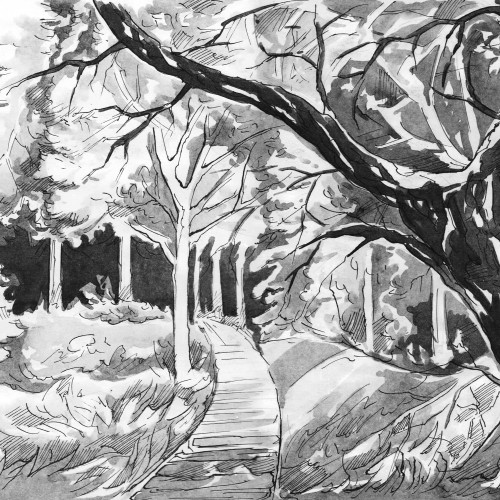
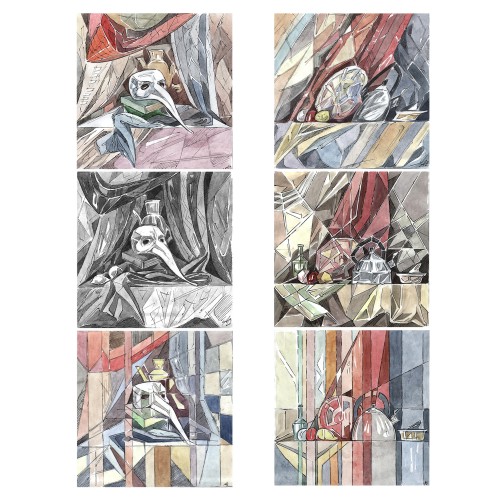
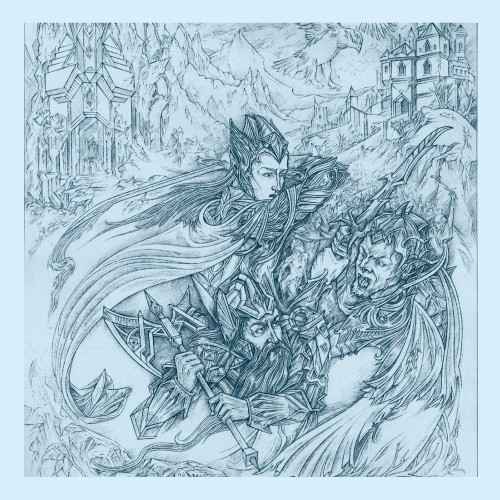
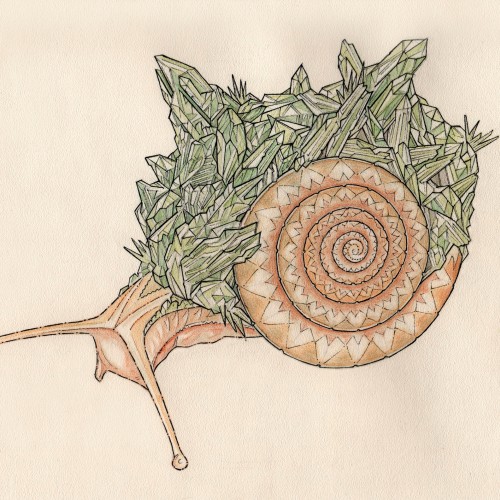
As awesome as summer and winter are, I love the transitional seasons the best, especially fall. It's the best time to do sports, orienteering, bird watching, hikes. The crisp air feels so good, and I love the rustle of the dead leaves and grasses on a windy day. While sometimes I get sad to see the branches bare, I also love looking at and analyzing their structure. I find it fascinating that a tree can go from this mighty, fluttering thing to a spindly, knobby structure and remain fundamentally unchanged. It's a bit of a miracle
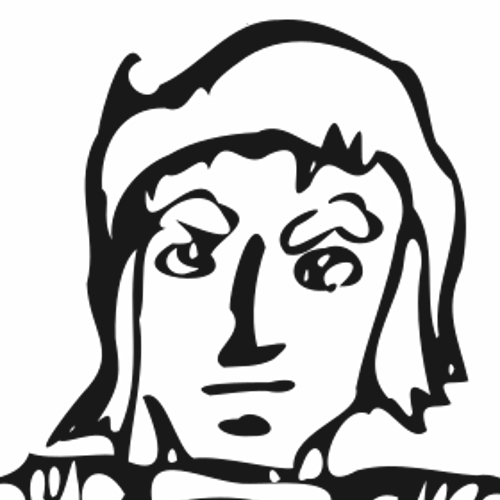
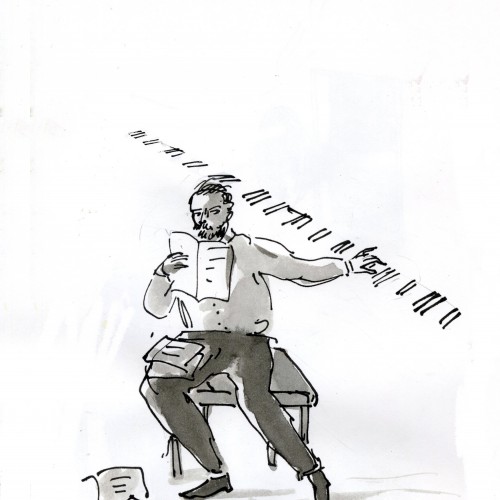
Pyotr Ilich Tchaikovsky (1840–1893)
At 9:30, Tchaikovsky set to work—composing at the piano only after he had dealt with any proofs or his correspondence, chores that he disliked. “Before setting about the pleasant task,” his brother noted, “Pyotr Ilich always hastened to get rid of the unpleasant.”
After lunch he went for a long walk, regardless of the weather. His brother writes, “Somewhere at sometime he had discovered that a man needs a two-hour walk for his health, and his observance of this rule was pedantic and superstitious, as though if he returned five minutes early he would fall ill, and unbelievable misfortunes of some sort would ensue.”
- From Daily Rituals: How Artists Work by Mason Currey
“Truly there would be reason to go mad were it not for music.”
― Peter Ilyich Tchaikovsky
“If you do not want to write, at least spit on a piece of paper, put it in an envelope, and send it to me. You are not taking any notice of me at all. God forgive you – all I wanted was a few words from you.”
― Pyotr Ilyich Tchaikovsky
#dailyrituals #inktober #PeterTchaikovsky @masoncurrey
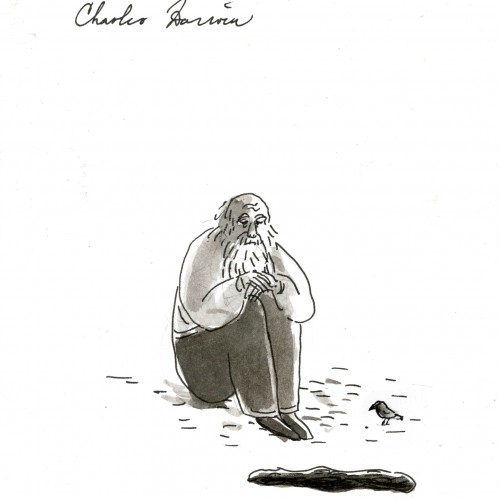
Charles Darwin (1809–1882)
From the time he arrived at Down House until 1859, when he finally published On the Origin of Species, Darwin led a double life, keeping his thoughts on evolution and natural selection to himself while bolstering his credentials in the scientific community.
Meanwhile, he divulged his secret theory to a very few confidants; he told one fellow scientist it was “like confessing a murder.”
- From Daily Rituals: How Artists Work by Mason Currey
“Ignorance more frequently begets confidence than does knowledge: it is those who know little, not those who know much, who so positively assert that this or that problem will never be solved by science.”
― Charles Darwin, The Descent of Man
#dailyrituals #inktober #CharlesDarwin @masoncurrey