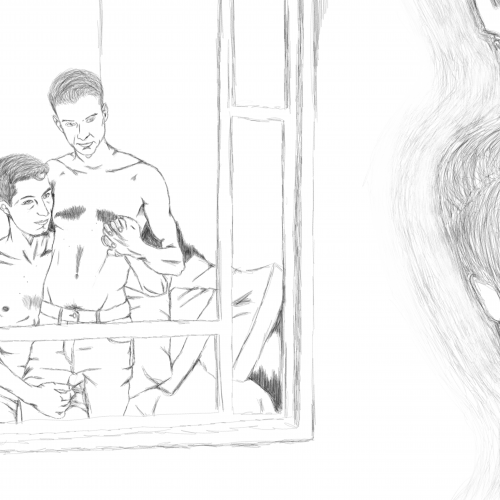
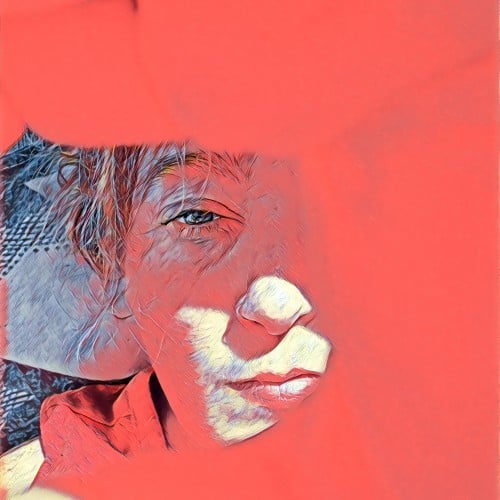
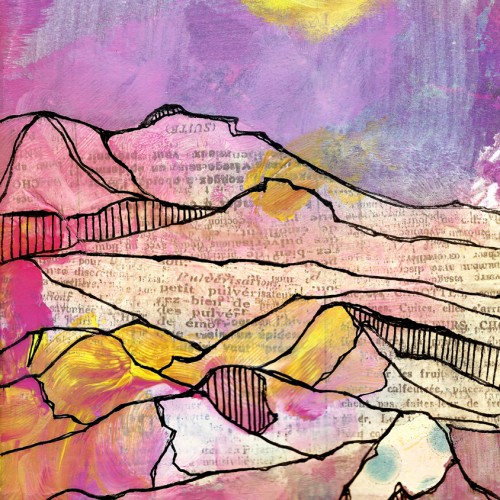
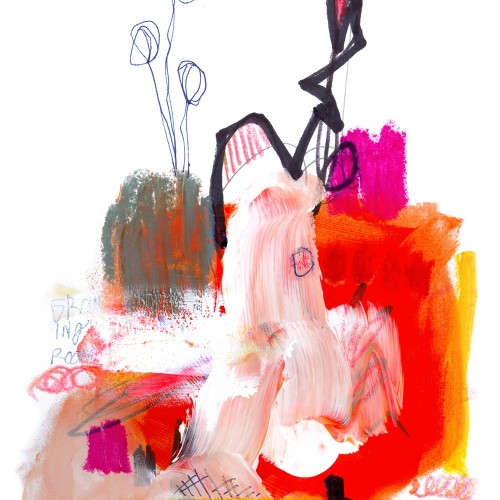
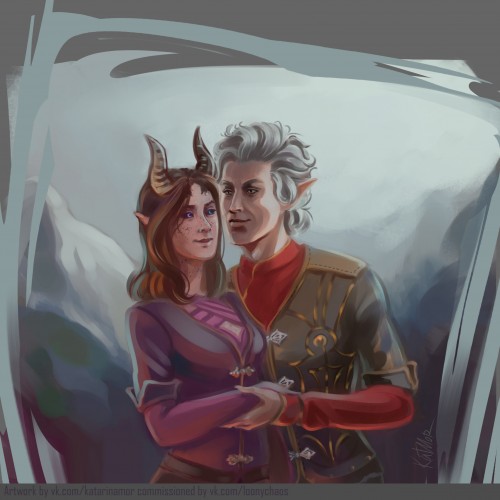
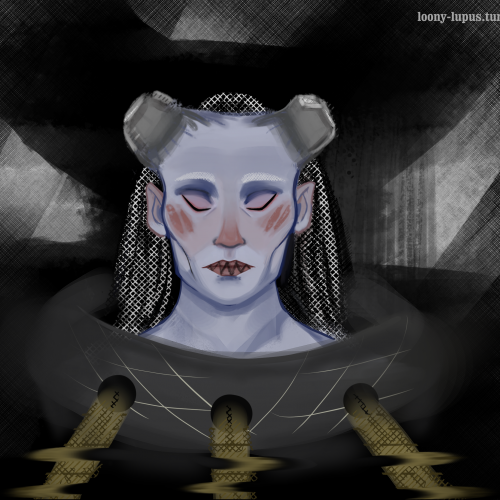
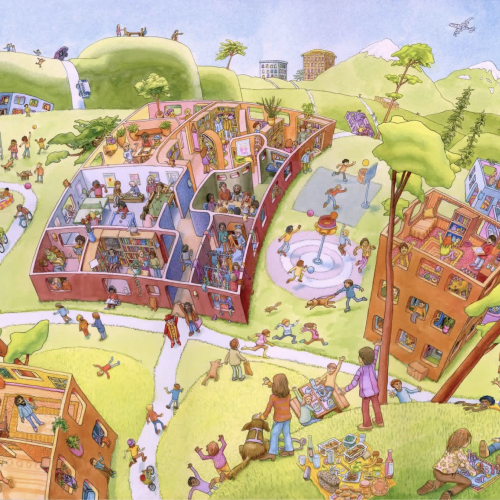
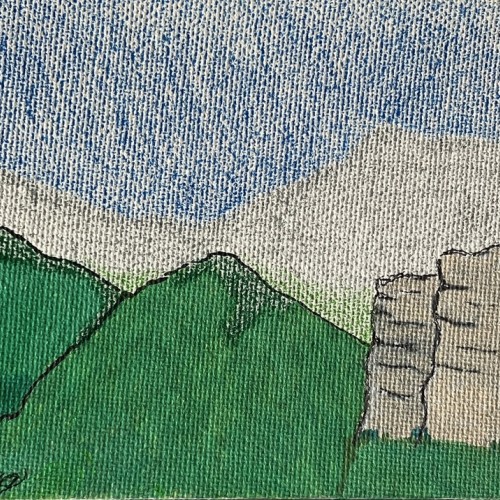
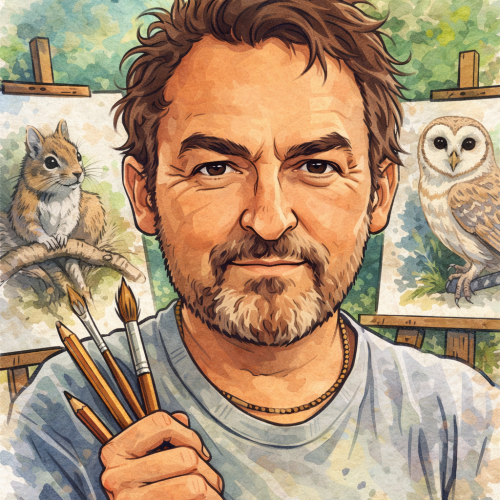
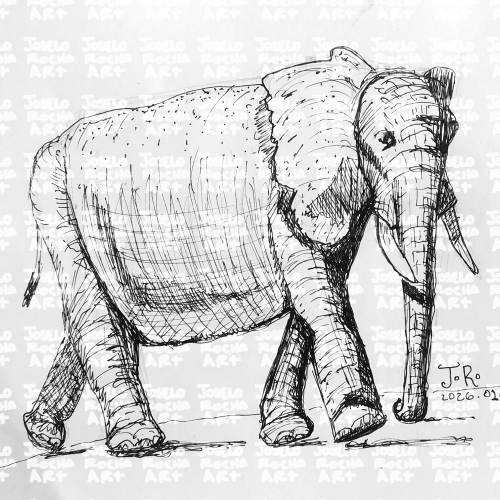
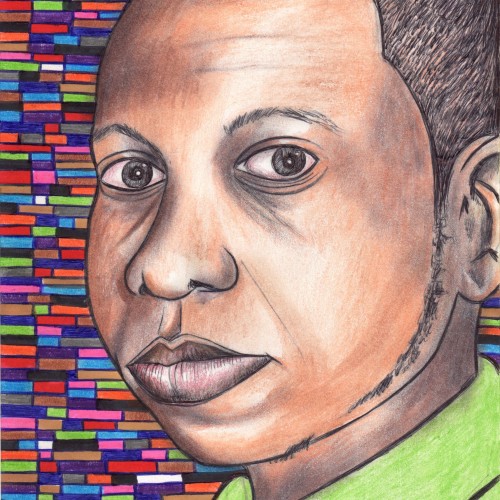
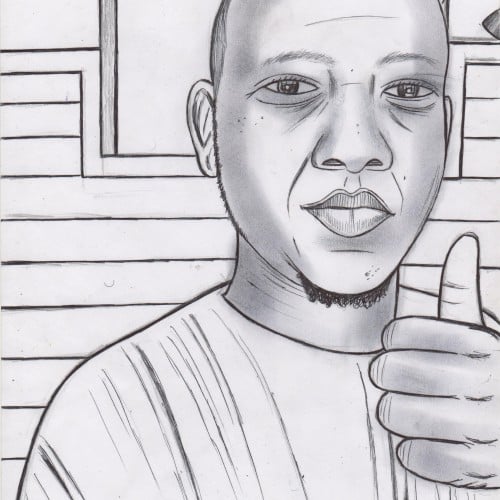
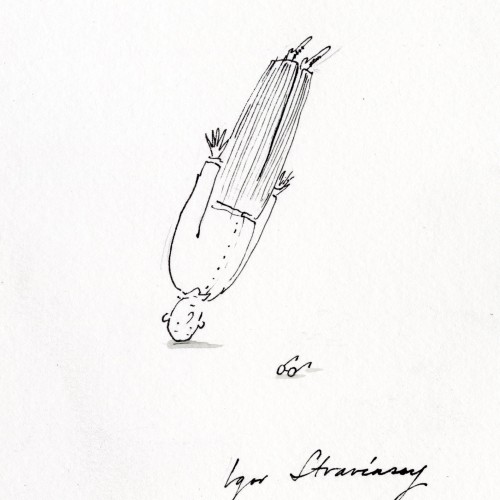
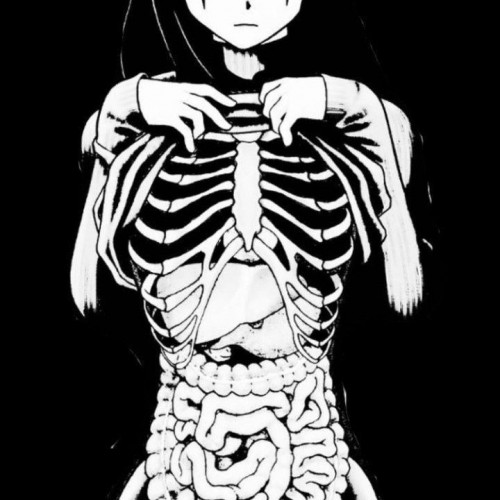
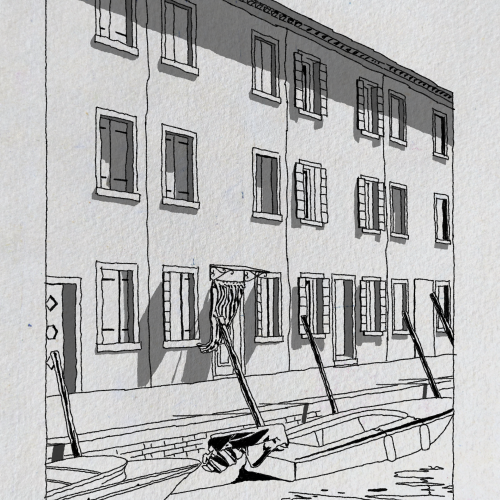
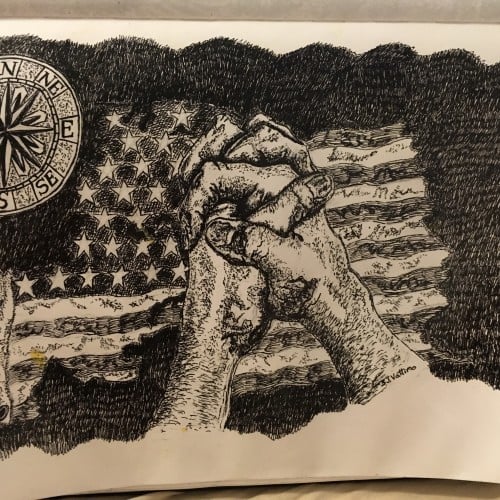
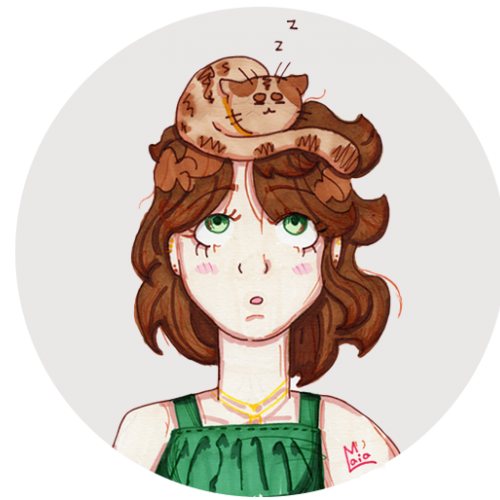
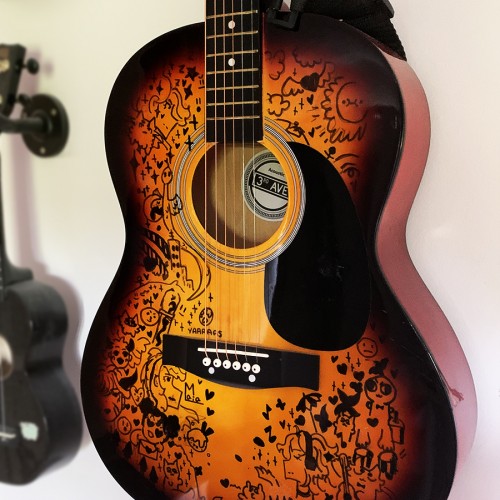
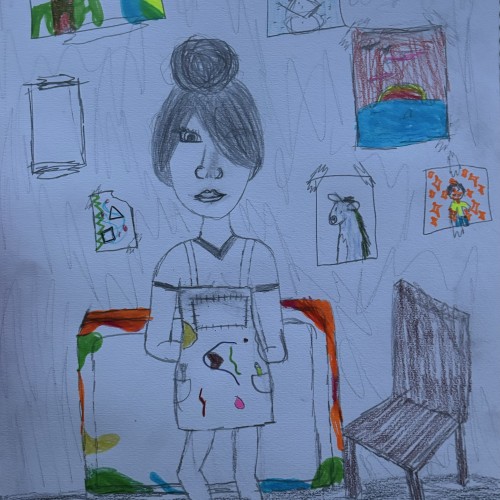
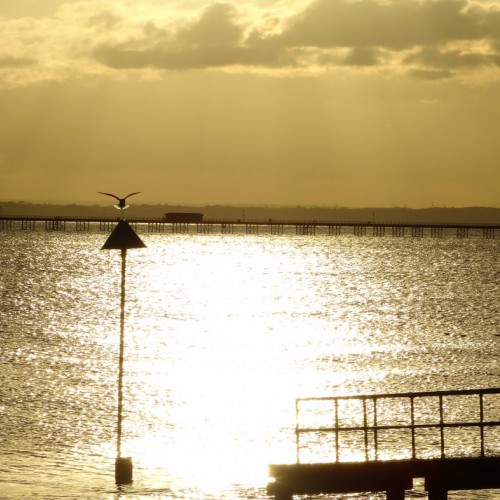
I grew up drawing and illustrating, but 20+ years later, it hit me with force. I haven't looked back since. These are the first two practice sketches I made when I decided finally that I want to be an artist.
Featuring handmade art by Washington state artist, Tonya Doughty. If you would like this design on an item not listed in my shop, please don't hesitate to ask if it's possible! Just contact me.
Featuring handmade art by Washington state artist, Tonya Doughty. If you would like this design on an item not listed in my shop, please don't hesitate to ask if it's possible! Just contact me.
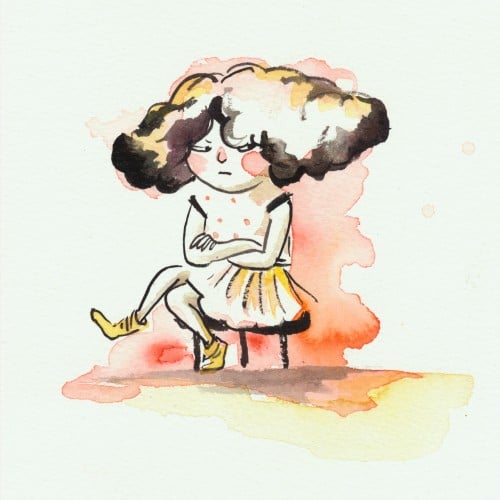
My role was to serve my people as a tactician.
My name was my rank. I had a soul.
But magic awakened within me, and my role changed.
My mind — trained and carved for purpouse — ceased to matter.
Reduced to a beast, they stripped away my soul and bound me in chains.
Is this the wisdom of the Qun?..
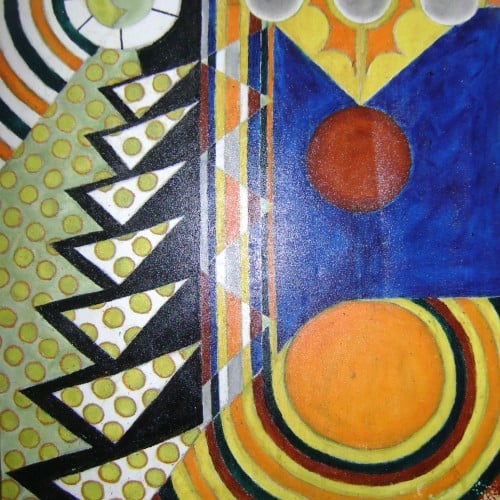
This is a pen and watercolour painting done as a proposal for a competition to do a mural painting in a community centre. This was back in the late 90s. I was beaten out by a contemporary artist who painted the wall with four strips of colour, which could have been done in a matter of hours. The community centre was predominantly filled with local kids. I felt so sorry for the kids. Not once did any of them look at the "mural" and when I asked what they thought of the painting on the wall, they said, "What painting?"
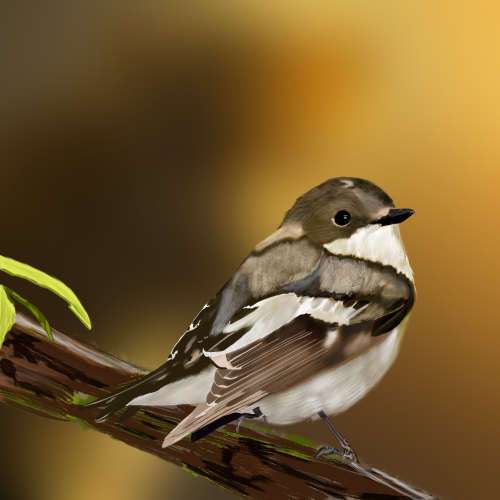
A Female Pied Flycatcher Ficedula Hypoleuca…
The Pied Flycatcher is a summer migrant to the UK.
As the name suggests, it feeds on flies that are caught by making a quick dash from an obvious perch. There are around 40,000 pairs in the UK each summer. The Pied Flycatcher is a small unmistakable bird that often sits with drooped wings. It spends its winter in Africa.
Identification:
Adult
Adult males and females share the same plumage pattern but are different colours.
Male Pied Flycatchers are small and chunky,13cm in length and are black and white all over, they are quite unmistakable.
The upperparts are black and white, tail is black with white base to outer tail feathers, rump is a slightly paler, back is jet black, wings are black with white wing patch (tertials)
The nape and head is black except for small white patch above the black bill. Chin and throat white, extending to form a half collar.
The entire underparts are white, ie; chin, throat, breast, belly and undertail coverts. Legs, bill and eye black.
Females are brown versions of the male although tail is dark, no obvious white patch over the bill and the collar is less distinct. #piedflycatcher #brd #birdart #birdartist #birdsketch #birddrawing #bampidraws #birdlovers
I've been thinking about this for some time now. I possess a plethora of incomplete artworks, and I ultimately chose to push through the countless pieces in development and stumbled upon this one. I can't believe this one went unnoticed.
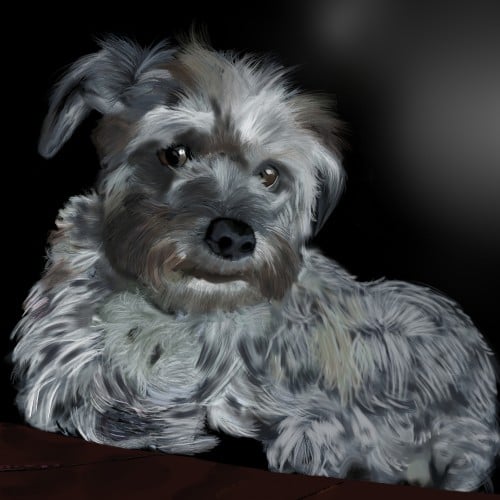
This is Taffy, a mixed Shih Tzu, Bichon Frise, and Terrier known as Shichon Terrier.
Please kindly show him some affection!
#doglovers #dogportrait #dogportraits #dogsketch #dogdrawing #dogart #dogartist #cutepuppy @bampidraws
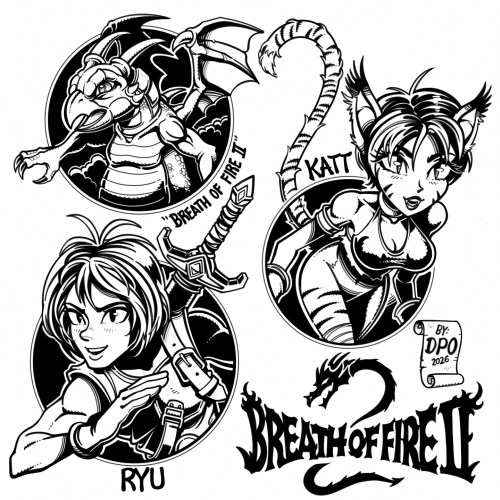
#29 Breath of Fire 2 - My fanart drawn in ibis paint on iPad pro. I recently discovered this game on the Super Nintendo. I really like the artist’s concept artwork for BoF2. I wanted to draw a few of the characters and the logo in my style. Ryu is the main character, and I like Catwoman type characters, so I thought Katt looked fun to draw. Also, I drew the logo slightly different from the original. I don't like to draw every detail exact. As usual: [No Tracing] [No Ai] [No free form line tools for inking except for the perfect circles]
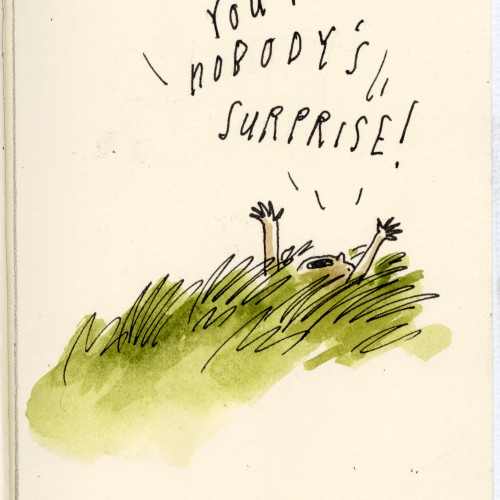
I stared and stared at her until I had stared her into little pieces and I thought, you're big and scraggy like a carthorse and nobody can hunt for you in the grass and you couldn't hide anywhere because you can be seen the whole time and you can't surprise anybody and make them feel good! You have completely spoilt our games for no reason because you can't play games yourself! O alas and alack! No one wants your presents. He doesn't want them! You're nobody's surprise, and you can't understand because you're not an artist! And so I went a little closer and humiliated her by saying the most terrible thing of all : amateur! You're an amateur! You're not a real artist!
- Sculptor's Daughter by Tove Jansson
#dailydrawing #tovejansson
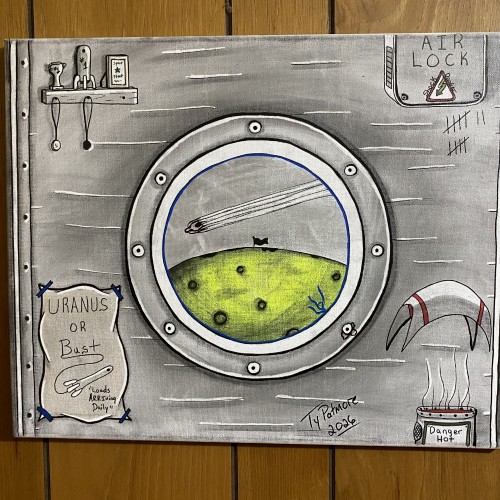
Pressurized Patience
16x20 canvas
sealed interior, a distant promise, and time marked in scratches and routines.
Pressurized Patience explores endurance, isolation, and the quiet humor found while waiting under pressure.
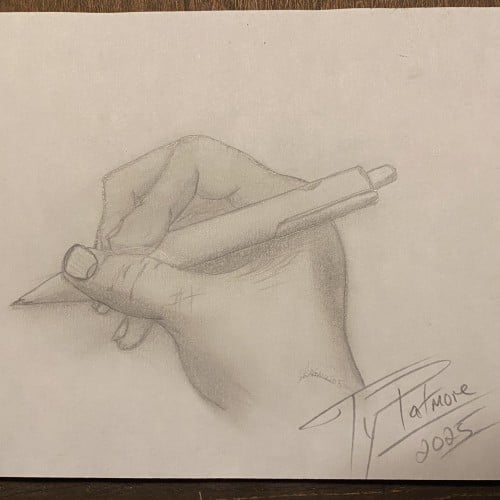
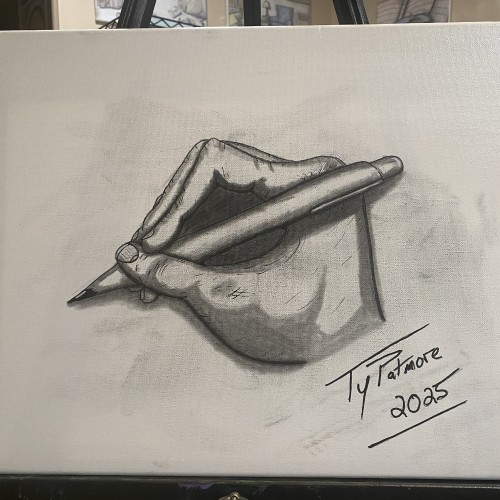
A striking, high-contrast graphite study of a hand in the act of writing. Created in a rapid 45-minute sitting through self-observation, this piece captures the intricate anatomy and focused tension of the artist's own hand as it holds the pen. The tip being pencil the top being pen and finger tips slightly smudged incorporate all aspects of the mediums used to create it.
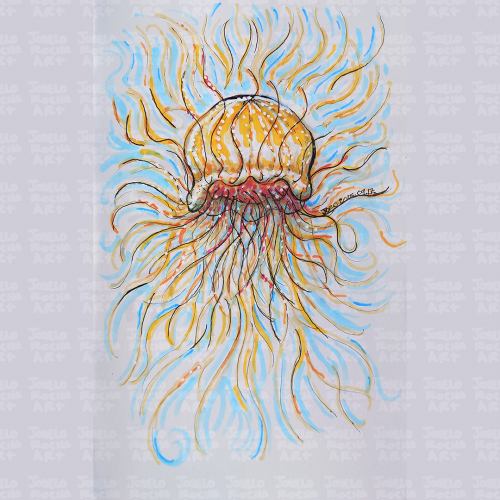
A striking jellyfish is depicted with flowing, colorful tendrils. The intricate lines in vibrant blues and oranges give a sense of movement and grace. This image captures the delicate beauty of marine life with an artistic flair.
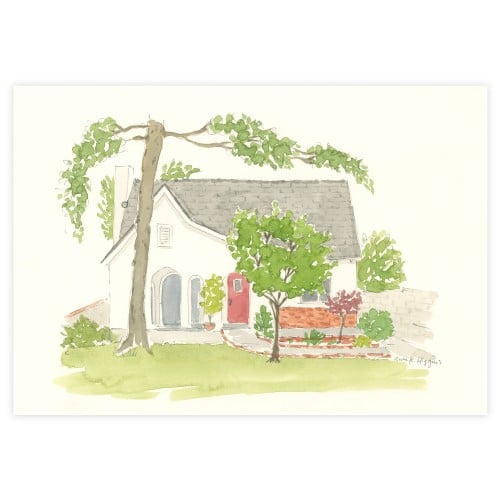
Artist @asherbingham.fineart initiated a project offering free paintings of homes lost in the recent Los Angeles fires. Since announcing this on IG, she has received over 1500 requests and enlisted volunteer artists nationwide to assist. This is one of 35 homes I've painted.
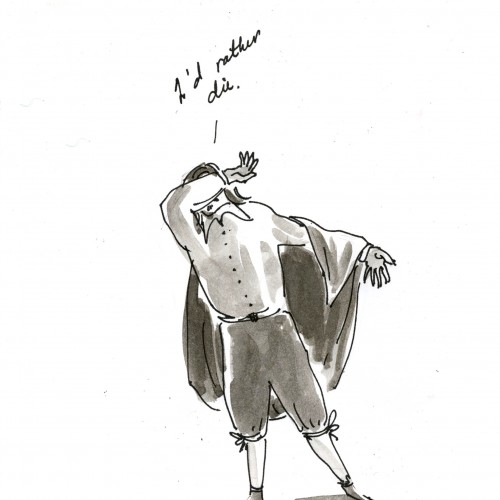
René Descartes (1596–1650)
Descartes was a late riser. The French philosopher liked to sleep until mid-morning, then linger in bed, thinking and writing, until 11:00 or so.
His comfortable bachelor’s life ended abruptly in late 1649, Descartes accepted a position in the court of Queen Christina of Sweden.
Descartes accepted a position in the court of Queen Christina of Sweden,Arriving in Sweden, in time for one of the coldest winters in memory, Descartes was notified that his lessons to Queen Christina would take place in the mornings—beginning at 5:00 A.M. He had no choice but to obey. But the early hours and bitter cold were too much for him. After only a month on the new schedule, Descartes fell ill, apparently of pneumonia; ten days later he was dead.
- From Daily Rituals: How Artists Work by Mason Currey
“Dubito, ergo cogito, ergo sum.
(English: "I doubt, therefore I think, therefore I am")”
― Rene Descartes
#dailyrituals #inktober #reneDescartes @masoncurrey #wouldratherdiethangetupearly
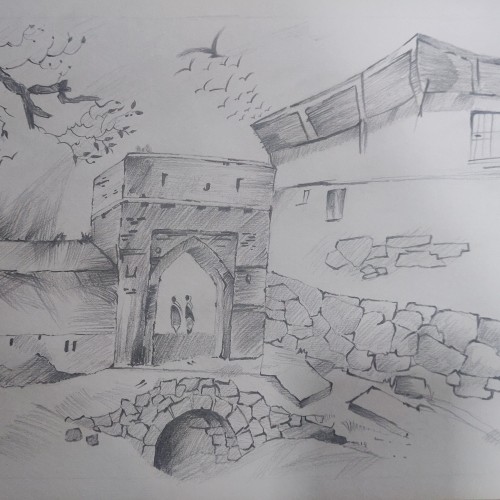
Draped in delicate pencil strokes, this artwork elegantly portrays a historic city gate, standing as a timeless sentry to myriad untold stories. Each shaded contour brings forth the intricate details of the gate's architecture, echoing the urban landscape of a bygone era. The deft use of monochrome evokes a nostalgic journey through the annals of time, where every shadow and highlight adds to the depth and texture of this piece. This mesmerizing blend of artistry and history invites viewers to step into the past and embrace the serene splendor of the city's storied gateway.
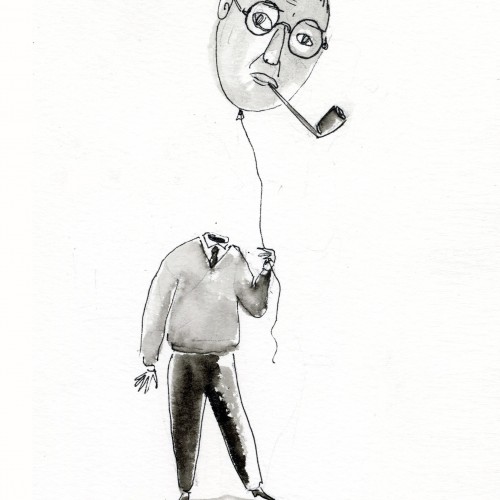
Jean-Paul Sartre (1905–1980)
By the 1950s, too much work on too little sleep—with too much wine and cigarettes—had left Sartre exhausted and on the verge of collapse. Rather than slow down, however, he turned to Corydrane, a mix of amphetamine and aspirin then fashionable among Parisian students, intellectuals, and artists (and legal in France until 1971, when it was declared toxic and taken off the market). The prescribed dose was one or two tablets in the morning and at noon. Sartre took twenty a day, beginning with his morning coffee and slowly chewing one pill after another as he worked. For each tablet, he could produce a page or two of his second major philosophical work, The Critique of Dialectical Reason.
The biographer Annie Cohen-Solal reports, “His diet over a period of twenty-four hours included two packs of cigarettes and several pipes stuffed with black tobacco, more than a quart of alcohol—wine, beer, vodka, whisky, and so on—two hundred milligrams of amphetamines, fifteen grams of aspirin, several grams of barbiturates, plus coffee, tea, rich meals.”
- From Daily Rituals: How Artists Work by Mason Currey
#dailyrituals #inktober #jeanPaulSartre @masoncurrey
Igor Stravinsky (1882–1971)
“I get up at about eight, do physical exercises, then work without a break from nine till one,” Stravinsky told an interviewer in 1924. Generally, three hours of composition were the most he could manage in a day, although he would do less demanding tasks—writing letters, copying scores, practicing the piano—in the afternoon.
Unless he was touring, Stravinsky worked on his compositions daily, with or without inspiration, he said. He required solitude for the task, and always closed the windows of his studio before he began: “I have never been able to compose unless sure that no one could hear me.” If he felt blocked, the composer might execute a brief headstand, which, he said, “rests the head and clears the brain.”
- From Daily Rituals: How Artists Work by Mason Currey
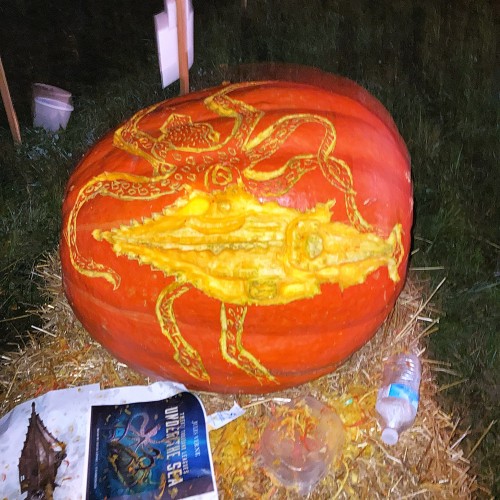
This is a pumpkin carving of the infamous Nautilus submarine, owned by the pirate captain Nemo . Who sunk ship that supported war, ramming them with his submarine. In this tale Nemo's ship gets attacked by a monstrous giant squid. I caved this design at the Chadds Ford Historical Society's Great Pumpkin Carve contest and event. This is a live carve event. Artist have no idea what kind of pumpkin they will be given to carve. No knowledge of shape, color, size, or condition. Competitors must create their design with manual hand tools. Cavers have 6 hours to create their master pieces, to be considered to qualify to be judged, to compete for the prize. The size of the average pumpkin is from 200 to 400 pounds, and their wall are about 5 inched thick. It took me 6 hours to carve my pumpkin design. Stephen J. Vattimo 10/18/2021