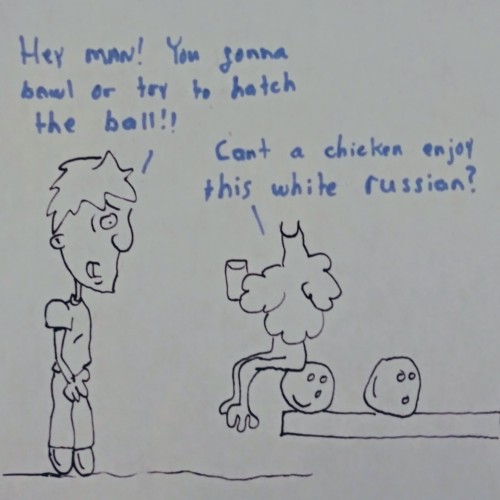
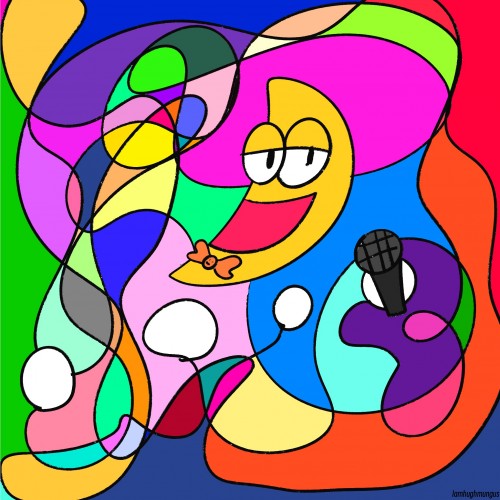
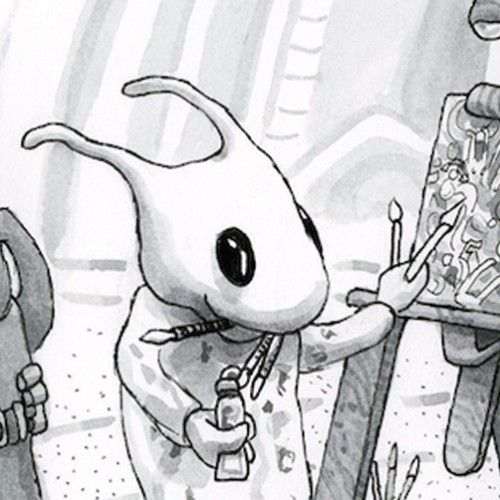
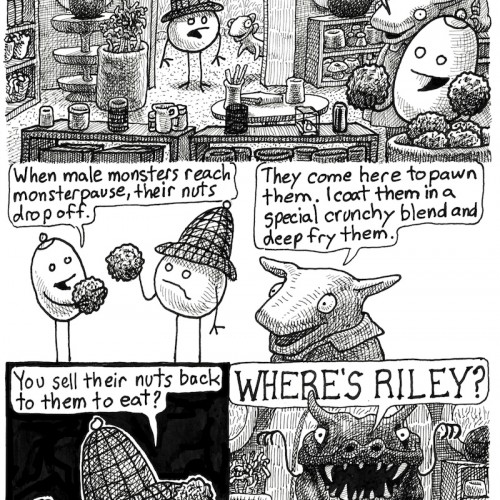
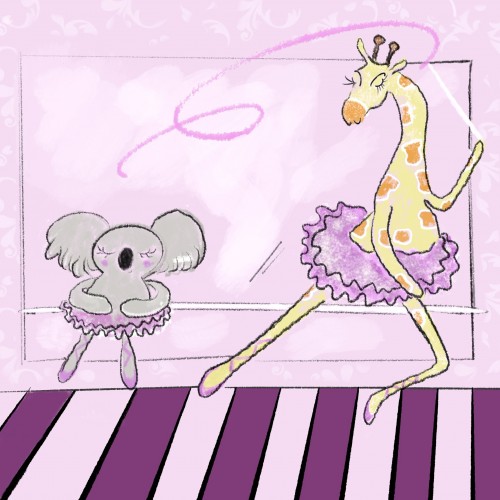
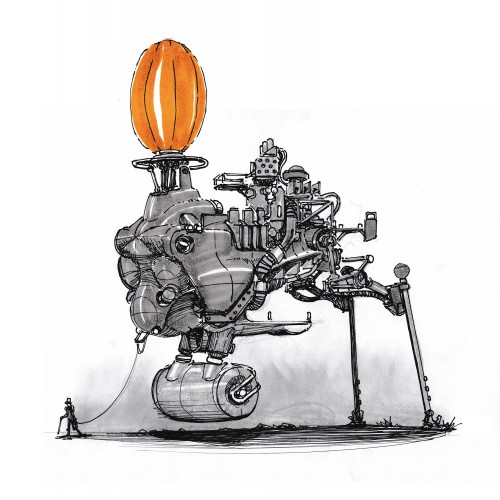
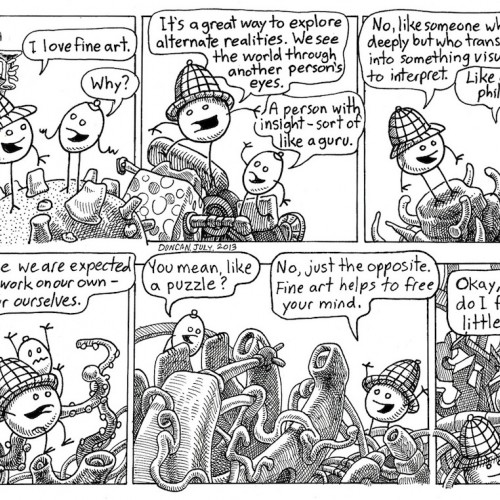
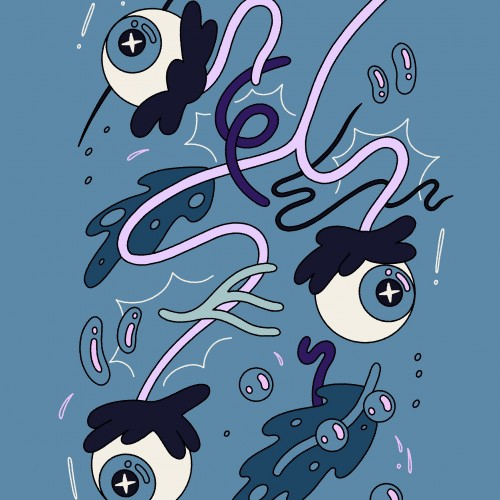
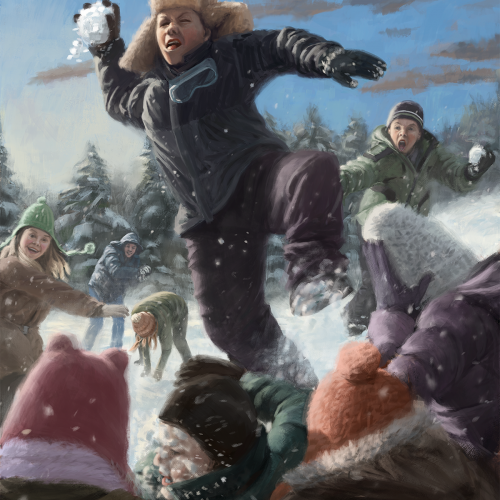
In my Blue Star sketchbook serious art has been interrupted by two cartoon characters I came up with years ago that I drew for my university student newspaper. They're back! Adolescent silliness returns with the adventures of Hardball and Riley. There's a bit of allegory at work in this story, so it's not as infantile as it first seems. They are certainly fun and my main characters are very easy to draw. I do sometimes spend too much time on the background.
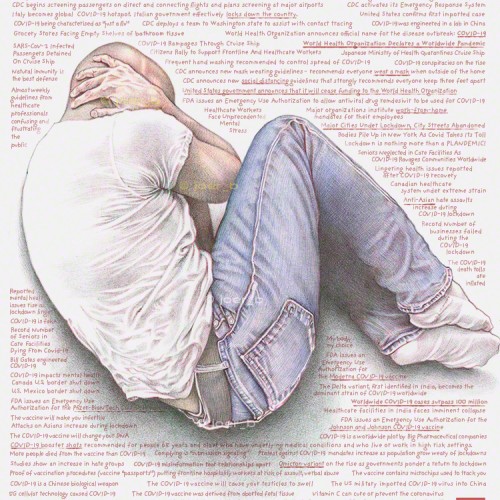
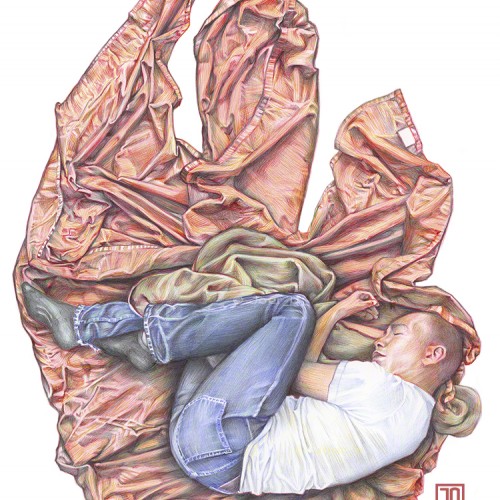
Overwhelmed...started as a little tiny sketchbook sketch and turned into my statement about recent events. It complements my previous post "Fevered Dreams." Bic ballpoint pen on archival 9” x 12” paper, scanned into Photoshop where the text overlay was added. Model: Jose
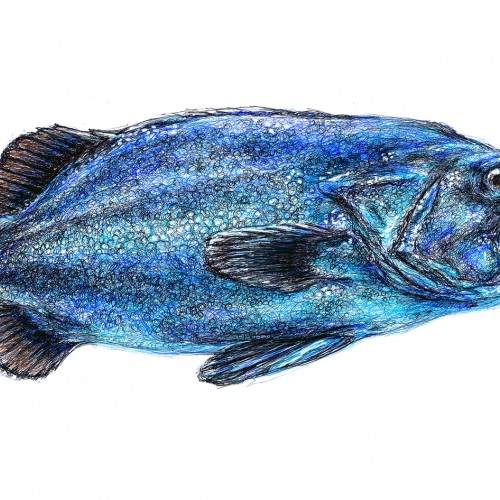
I was looking at what Pixabay might offer as inspiration, and found this fish. Perfect for a ballpoint pen drawing. The incompleted drawing in the second photo was taken before the final "glaze" of little scribbles of turquoise pen across almost the whole surface. It was a happy accident that made for a shimmery, iridescent fishy quality.
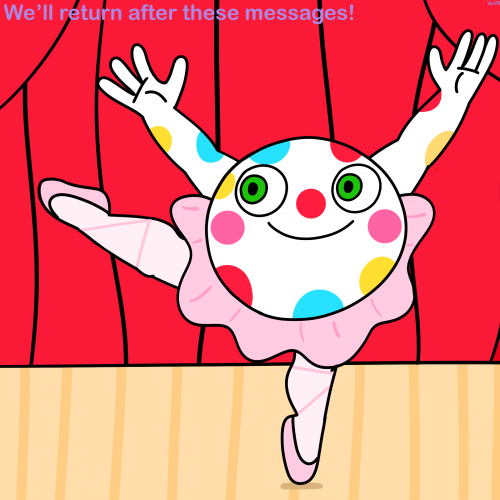
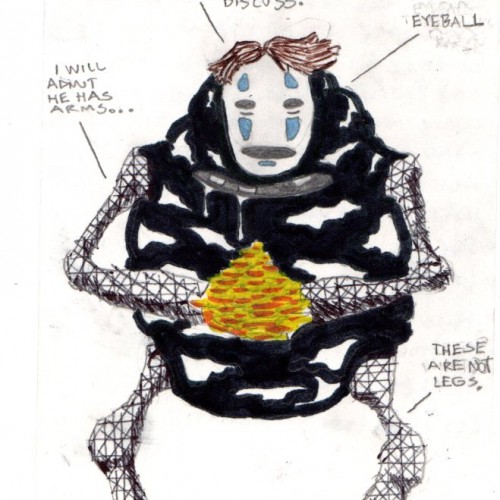
my friend and i have a joke that no face has no legs (because i cannot wrap my mind around how to draw his limbs plus i just don't like his legs) so i made this for him a couple months ago
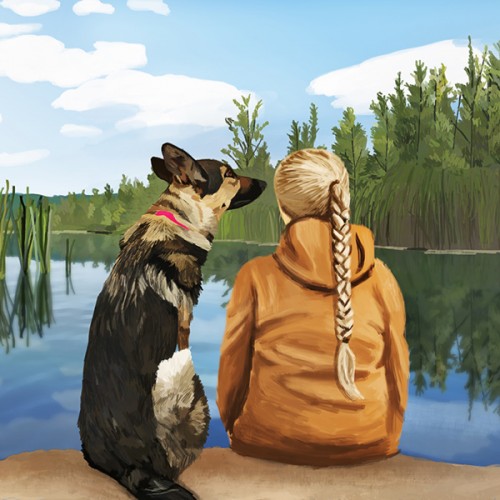
Seemingly trapped indoors and inside your head indefinitely, the possibility of living a normal life after COVID seems like a fevered dream. Still one of my favourite drawings from 2020 and a technique breakthrough. Ballpoint Pen on Archival 8.5" x 11" paper
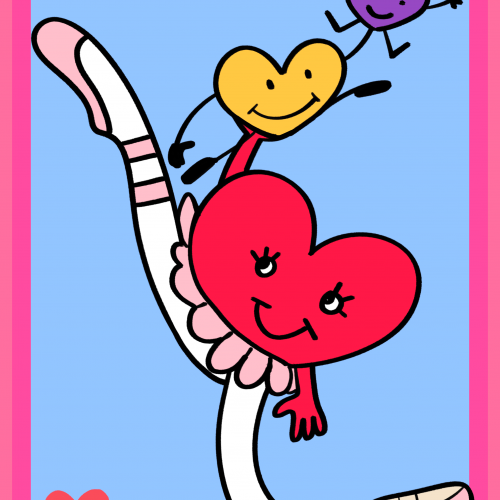
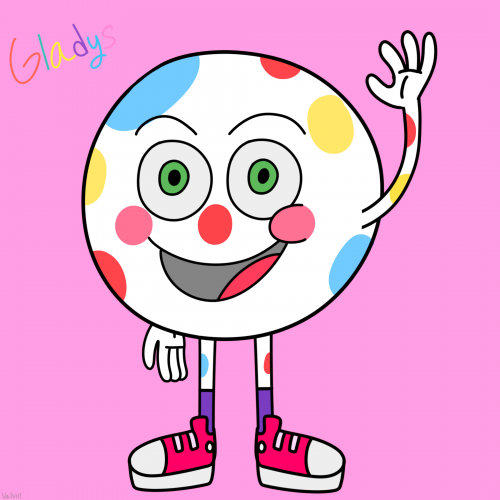
Gladys is a gobstopper which is a type of round,large,hard candy.like Clemence they're both candy people.Gladys is naive,kind and most of the times enthusiastic unlike Clemence who tends to be a realist.Clemence and her are best friends,they both applied to become DEA agents at the same time.she is big and round and which gives her an advantage when facing enemies so she can roll down like a ball and run over them.she resembles a clown with pink cheeks and a red dot resembling a nose.
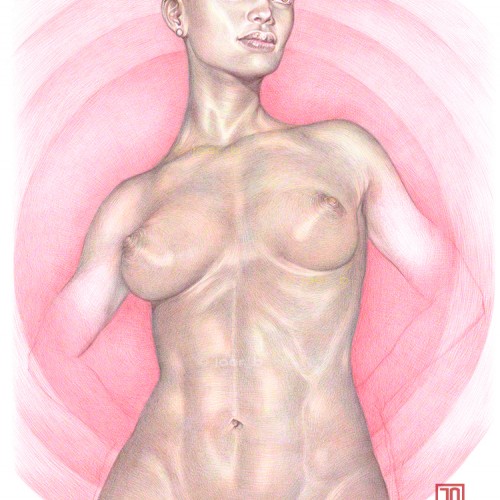
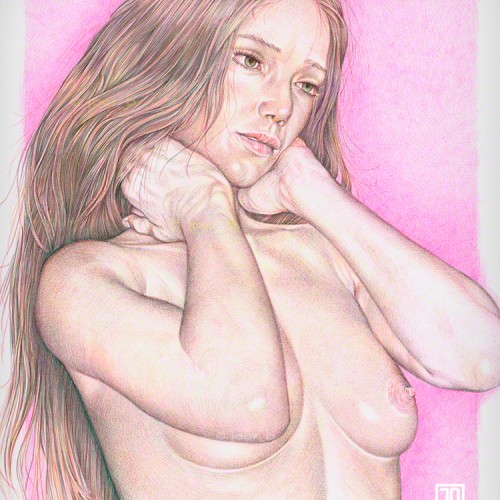
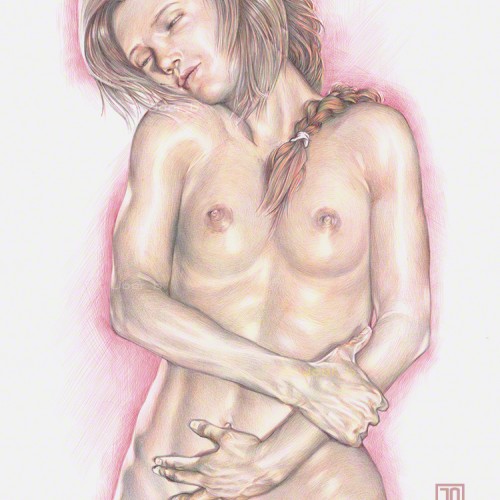
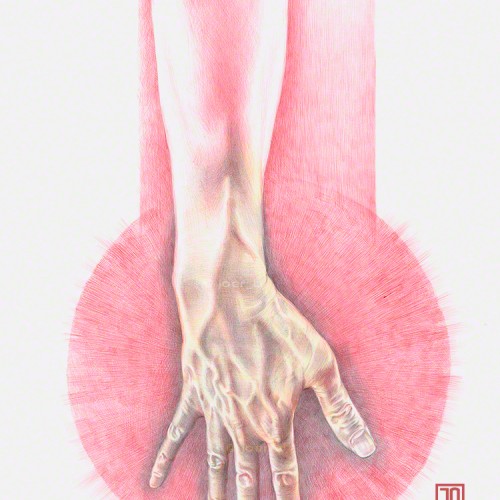
Meadhbh standing while clasping her forearm. Two drawing details along with two in-progress scans of my technique: red Bic pen layer first, then green layer and finally the yellow ink layer. Bic4 Ballpoint Pen on Archival 9” x 12” paper. Model: Meadhbh (Maeve).
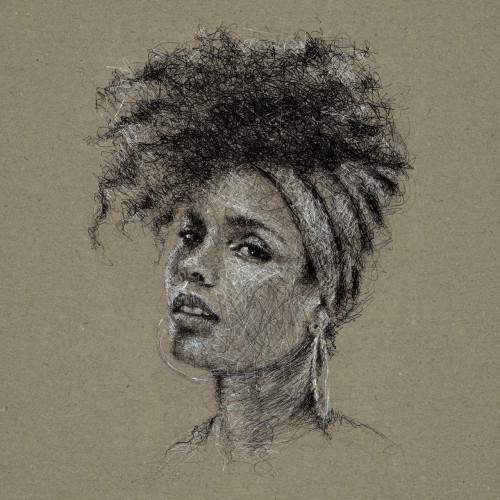
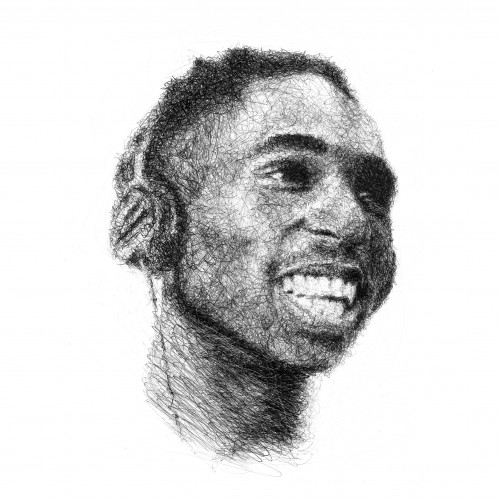
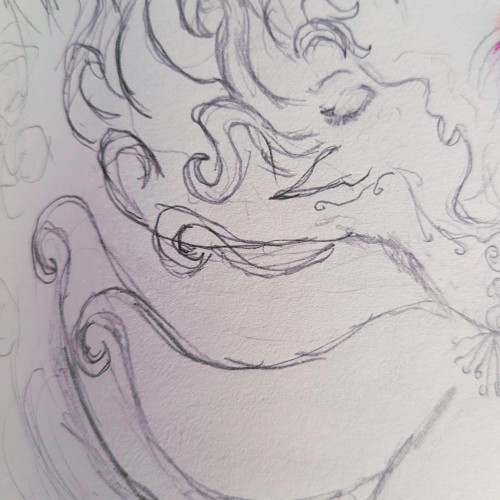
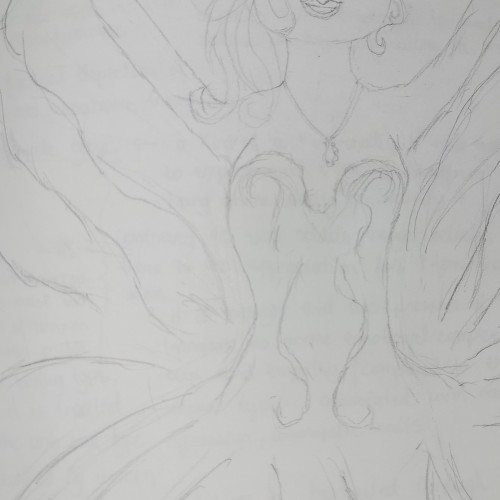
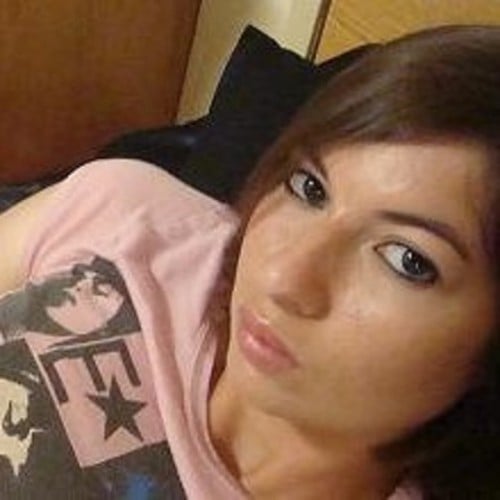
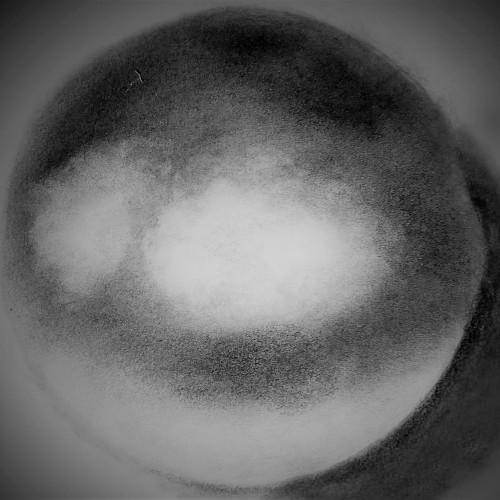
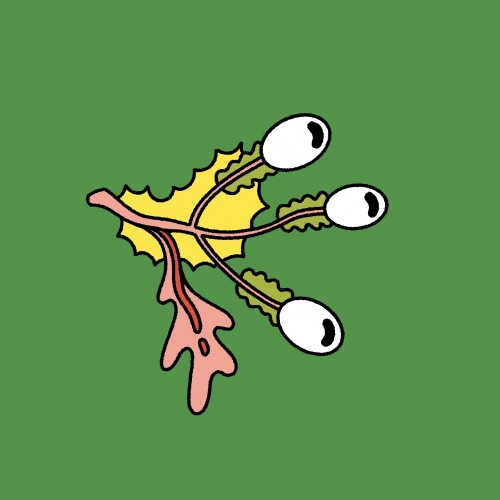
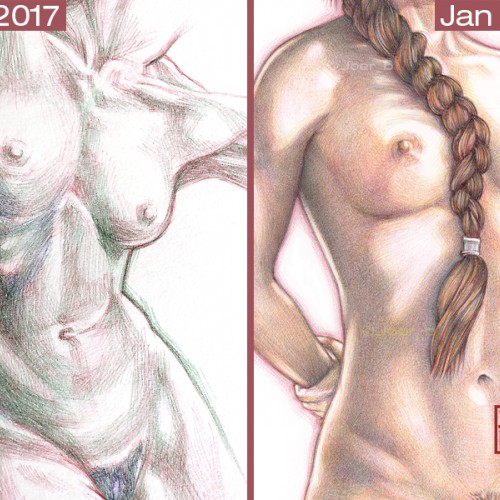
I’m often asked about my Bic pen drawings and how I do them. It starts with a good foundational drawing, the ballpoint pen part is just trying to colour within the lines. I try to do my best to explain the process, but the best way to show my progress is by posting my efforts to master pen drawings over the span of 3 or so years. I have been doodling/drawing with ballpoint pens as far back as I can remember - they were cheap, readily available and always lying around the house. It wasn’t until I was bored during a particularly long team meeting-conference call (around 2016-17) that I started to think about the possibilities of ballpoint pens as serious portrait illustration tools. My first experiments with full colour ink portrait drawings were rather crude, but that’s the point of learning new techniques—as long as the curiosity and the love of drawing is there, you can transfer that skill and passion into any medium. Remember, the most exquisite drawings and paintings you see didn’t materialise fully formed, they started out as failed experiments. Failure after failure after failure. It’s important to remember this when you get discouraged (I've failed spectacularly over the years). The only difference between the accomplished artist and the beginner is hundreds of hours of practice. Talent can only get you so far. It’s the hard work that you do behind the scenes that makes your work look effortless. Keep doodling. Keep learning. Stay curious.
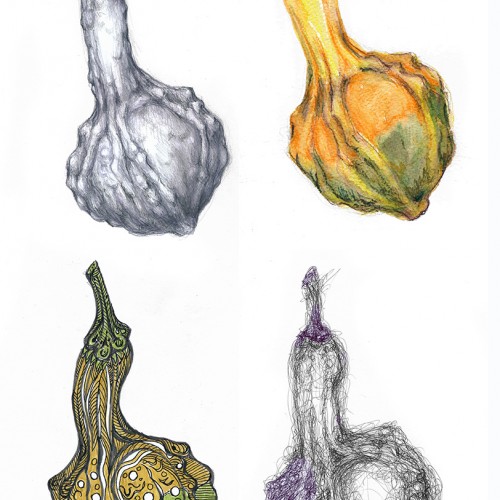
I modified the challenge a wee bit. I didn't use the same paper for the various drawings since I was using (top row, left to right) hard graphite pencils (3H to HB), watercolor pencils, (bottom row, left to right) brush pens and ballpoint pen. These media work best on very different paper textures and moisture absorbing qualities. The second picture shows the object of my study --- and the apparatus I use to hold botanical subjects. "Third hand" tools are very useful and cheap. This one was under $10 and serves my purposes well. Just FYI. (Each drawing/painting was scanned and composited in Photoshop.)