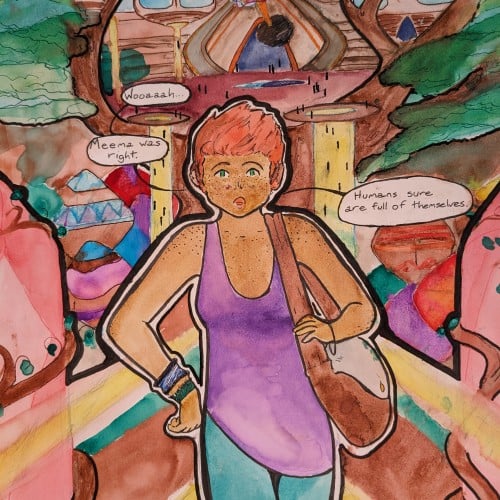
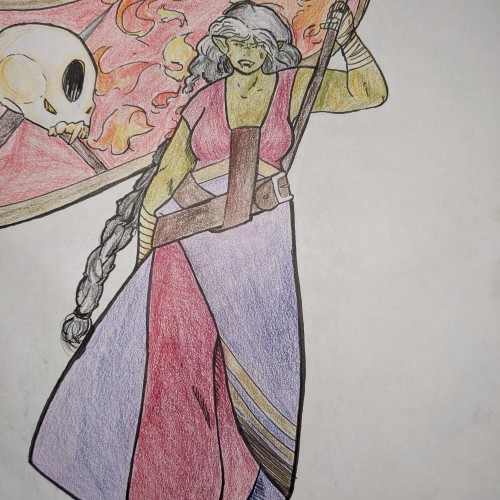
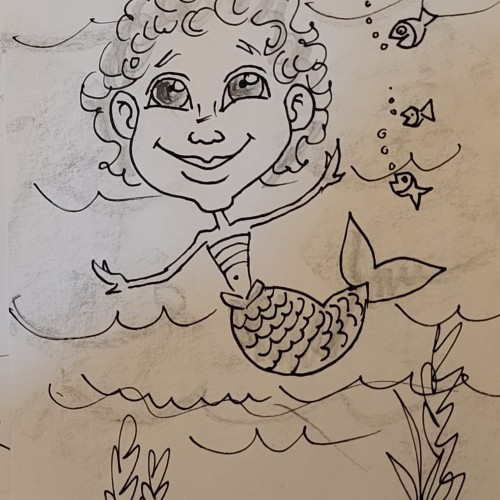
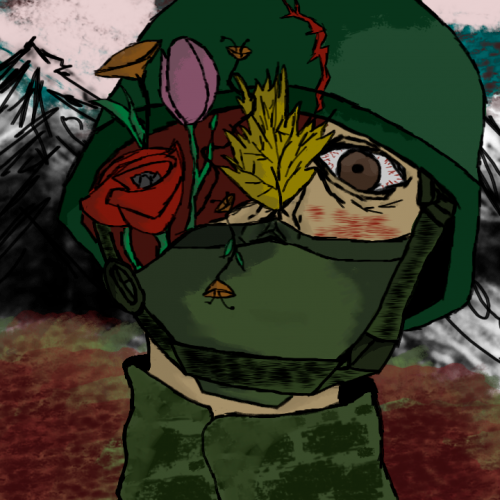
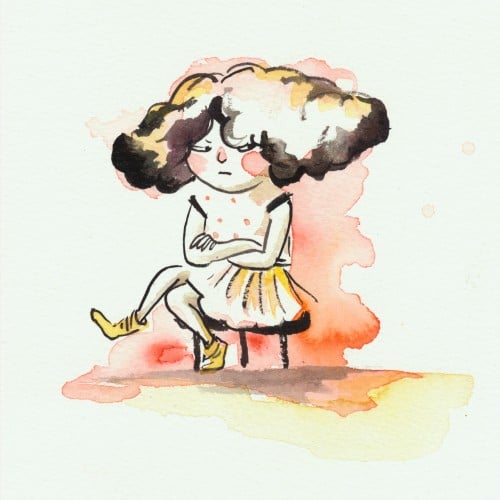
I'm rather pleased with this one. Did you know that banner bearers are actually super important? In ancient battles, they stood at the front lines and used various signals to communicate the general's orders to the troops. There was an important battle between the Greeks and Persians in 480 BC. called the battle of Thermopylae. The Greeks were outrageously outnumbered. However, when a banner bearer accidentally dropped their banner, the other bearers thought it was the signal to retreat, and dropped their banners as well. The entire Persian army was routed by the significantly smaller Greek force. So technically this lady is much more important and powerful than any flashy warrior could be.
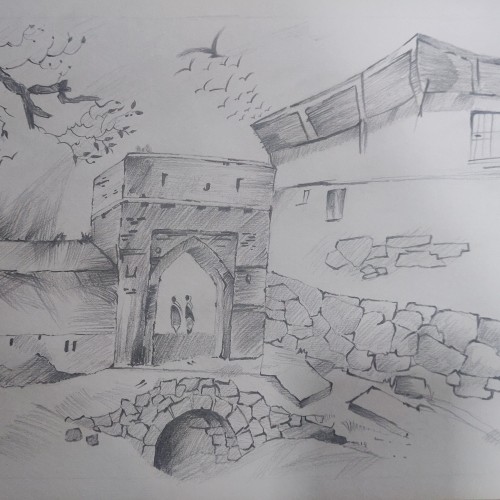
Draped in delicate pencil strokes, this artwork elegantly portrays a historic city gate, standing as a timeless sentry to myriad untold stories. Each shaded contour brings forth the intricate details of the gate's architecture, echoing the urban landscape of a bygone era. The deft use of monochrome evokes a nostalgic journey through the annals of time, where every shadow and highlight adds to the depth and texture of this piece. This mesmerizing blend of artistry and history invites viewers to step into the past and embrace the serene splendor of the city's storied gateway.
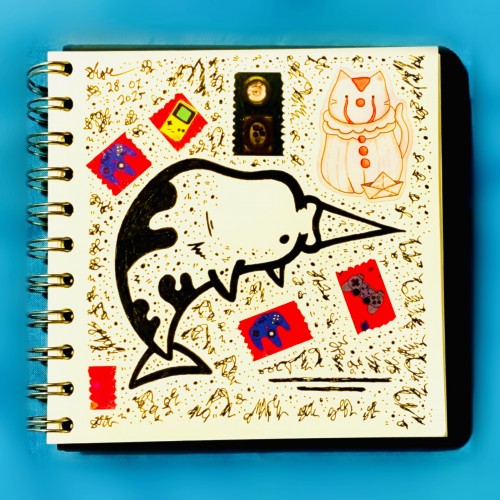
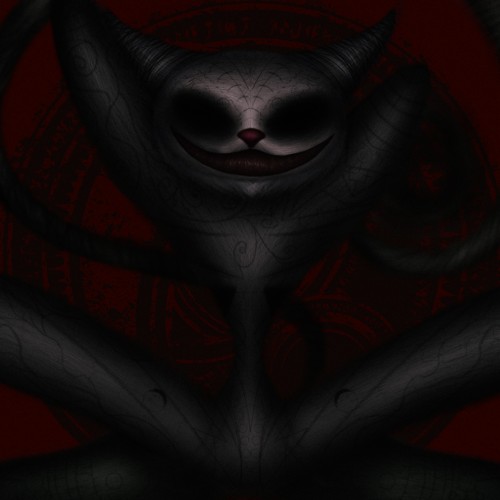
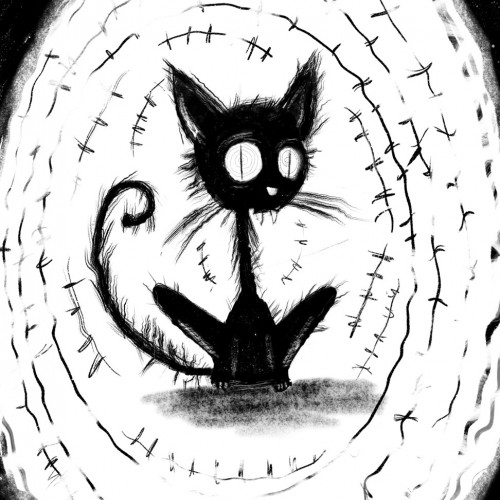
Hi. Am I hard to see? You are free to look closer.
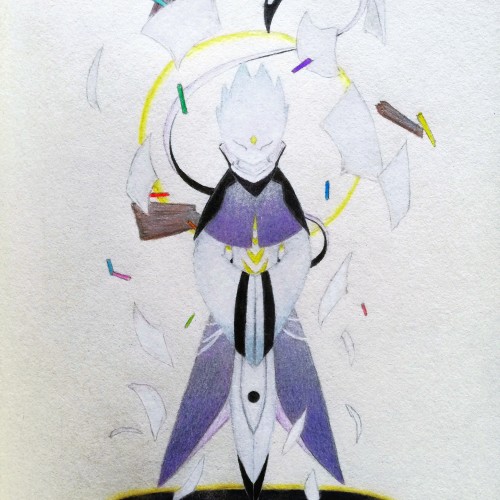
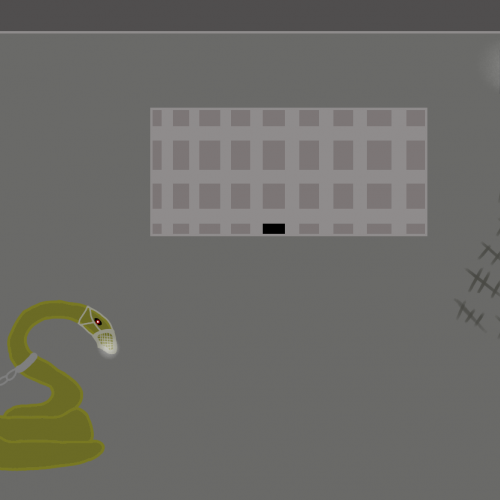
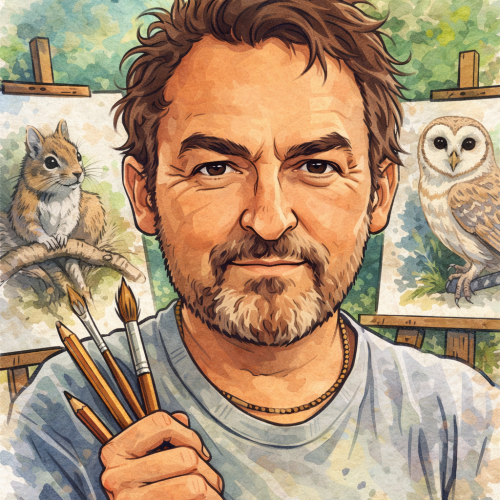
This is how I will most frequently present myself as, drawn here in an effort to rejuvenate past drawing abilities . Both Ego and Shadow are delicately present as one, although still not the truly completed form. That is still outside my own grasp within the field of creativity.
Everything here has some meaning, including the blank background. A "Domain" in the form of a canvas. The ability to bend reality. A shadow that opens the door to the extraordinary. The simple tools to channel one's creativity. Most importantly, an Avatar of one's being.
Joseph Cornell (1903–1972)
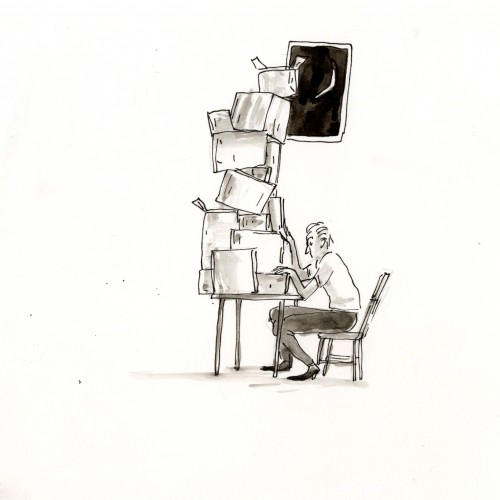
Cornell worked nights at the kitchen table, sorting and assembling materials for his boxes. It was not easy going. Some nights he felt too fatigued from his day job to concentrate on his art and would sit up reading instead, switching on the oven for warmth. In the mornings, his quarrelsome mother would scold him about the mess he’d left at the kitchen table; without a proper workroom, Cornell was forced to store his growing collection of magazine clippings and dime-store baubles out in the garage.
In 1940 Cornell finally mustered the courage to quit his job and pursue his art full-time—and even then his habits changed little. He still worked nights at the kitchen table, while his mother and brother slept upstairs. In the late morning he would head downtown for breakfast at his local Bickford’s restaurant, often satisfying his sweet tooth with a Danish or a slice of pie (and lovingly cataloging these indulgences in his diary).
- From Daily Rituals: How Artists Work by Mason Currey
#dailyrituals #inktober #JosephCornell @masoncurrey
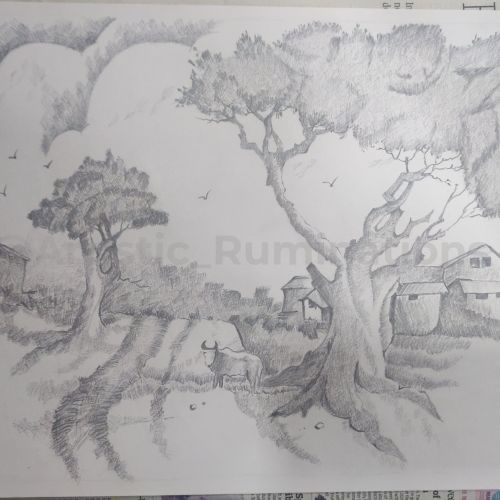
In this captivating cross-hatched pencil shading, a tranquil village scene comes to life. The intricate strokes create a harmonious blend of light and shadow, showcasing the serene beauty of rural life. Thatched roofs, winding pathways, and towering trees are meticulously detailed, inviting viewers to step into the peaceful simplicity of village existence. The gentle interplay of shades and textures evokes a sense of nostalgia and calm, capturing the essence of a timeless village story.
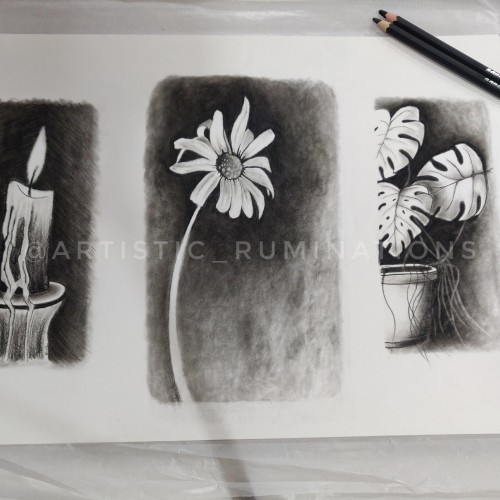
"Monochrome Serenity: Candles, Blooms, and Foliage" is an exquisite black and white charcoal artwork that captures the tranquil essence of its subjects. The subtle interplay of shadows and highlights accentuates the delicate beauty of flickering candles, graceful flowers, and lush plant life. This piece evokes a sense of calm and harmony, allowing the viewer to find peace in its serene simplicity.
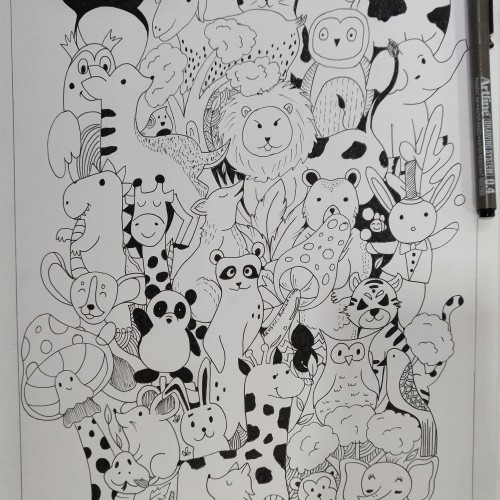
This delightful black-and-white drawing captures the lively and playful essence of a whimsical animal parade. Bursting with creativity, each animal character showcases unique traits and expressions, bringing a joyful scene to life. From the adorable, tiny mice balancing on top of each other to the elegant elephants dancing gracefully, the artwork is a breathtaking celebration of harmony and fun in the animal kingdom. With its intricate details and enchanting charm, this piece invites viewers to step into a world of imagination and whimsy where animals parade with joy and carefree spirit.
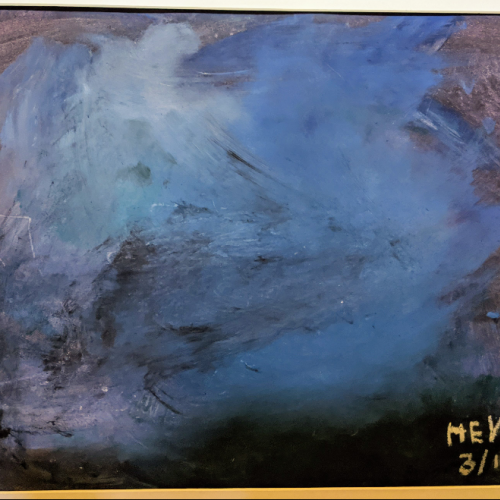
4 year old Henry engaged fully with thick applications of watercolor and oil pastels. He said it was a stormy sea with a small boat. This was at the onset of the pandemic, when we were all a bit uncertain and confined to our homes. I was reminded of an insight by Kierkegaard written in the early 1800s: “When the sailor is out on the sea and everything is changing around him, as the waves are continually being born and dying, he does not stare into the depths of these, since they vary. He looks up at the stars. And why? Because they are faithful – as they stand now, they stood for the patriarchs, and will stand for coming generations. By what means then does he conquer changing conditions? Through the eternal: By means of the eternal, one can conquer the future, because the eternal is the foundation of the future.”
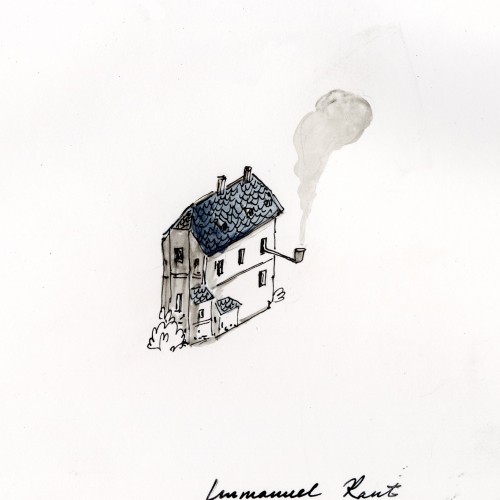
Immanuel Kant (1724–1804)
Kant’s biography is unusually devoid of external events.
As Heinrich Heine wrote: The history of Kant’s life is difficult to describe. For he neither had a life nor a history.
In actual fact, as Manfred Kuehn argues in his 2001 biography, Kant’s life was not quite as abstract and passionless as Heine and others have supposed…. If he failed to live a more adventurous life, it was largely due to his health: the philosopher had a congenital skeletal defect that caused him to develop an abnormally small chest, which compressed his heart and lungs and contributed to a generally delicate constitution. In order to prolong his life with the condition—and in an effort to quell the mental anguish caused by his lifelong hypochondria—Kant adopted what he called “a certain uniformity in the way of living and in the matters about which I employ my mind.”
This routine was as follows: Kant rose at 5:00 A.M., after being woken by his longtime servant, a retired soldier under explicit orders not to let the master oversleep. Then he drank one or two cups of weak tea and smoked his pipe. According to Kuehn, “Kant had formulated the maxim for himself that he would smoke only one pipe, but it is reported that the bowls of his pipes increased considerably in size as the years went on.”
- From Daily Rituals: How Artists Work by Mason Currey
#dailyrituals #inktober #ImmanuelKant @masoncurrey
This is just a little thing I colored, the lineart is NOT mine. I asked my friend what colors I should do for certain things and I think it came together pretty well. The shading is also done by me. I forgot to watermark this one ^^'
Drawn and colored by me, inspiration from a pause oc challenge on YouTube. Zayn is an escaped lab experiment with water elemental abilities. The cat on his shoulder is Raya, a stray that frequented the lab that he befriended. Zayn is a human with animalistic features and four eyes, marking him as unnatural. He is an original character, not based off of anything.
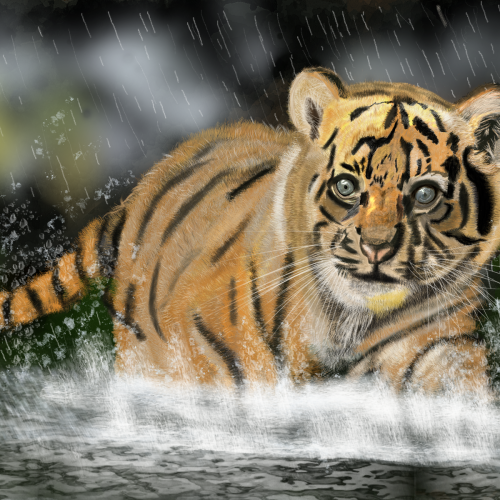
I've been going through my sketches, both completed and incomplete, and found a drawing of a young Sumatran Tiger that I began working on around two years ago, but never completed. I'm actually relieved that I didn't draw it earlier, as it has allowed me to gain more experience in illustrating this stunning creature, which is unfortunately a species at risk of extinction.
A few facts about the Sumatran Tigers...
The Sumatran tiger Panthera tigris sumatrae*, the smallest tiger subspecies, is critically endangered and stands as the final surviving species of island tigers. Poaching poses a significant danger to Sumatran tigers as hunters target them for their skin, bones, and canines. Additionally, habitat loss caused by oil palm, coffee, and acacia plantations, further endangers these big cats by reducing their prey availability and pushing them closer to human habitations.
It is estimated that there are fewer than 400 mature individual tigers in Sumatra in isolated pockets of protected land. Three of the protected areas are classified as UNESCO World Heritage Sites but all are in danger of losing this status due to threats from poaching, illegal logging, agricultural encroachment, and planned road building. It is for these reasons the Sumatran tiger is classified in the most severe IUCN status: Critically endangered.
Description: The Sumatran tiger is the smallest and darkest tiger subspecies and tends to be more bearded and maned than the other subspecies. Male tigers can expect to reach somewhere in the region of 120kg and 8ft from head to tail vs females who average 91kg and 7ft length.
Breeding: Female tigers are sexually mature at about 3 or 4 years of age, and males at about 4 to 5 years. Mating may occur any time during the year, but it most frequently takes place from November to April. The information was obtained from conservewildcats.org. Thank you.
#indonesia #criticallyendangered #sumatrantiger #amateurartist #tigerdrawing #tigersketch #tigercub #sketchadayapp #october2024