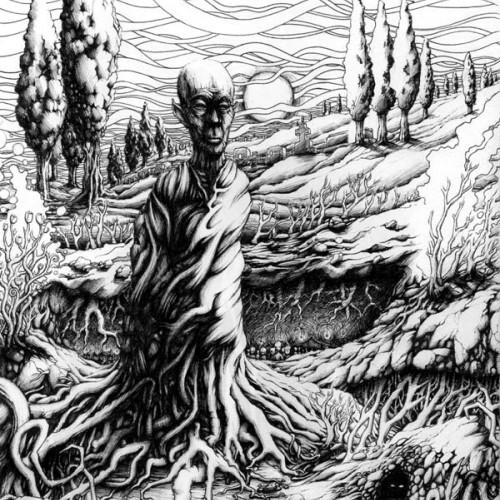
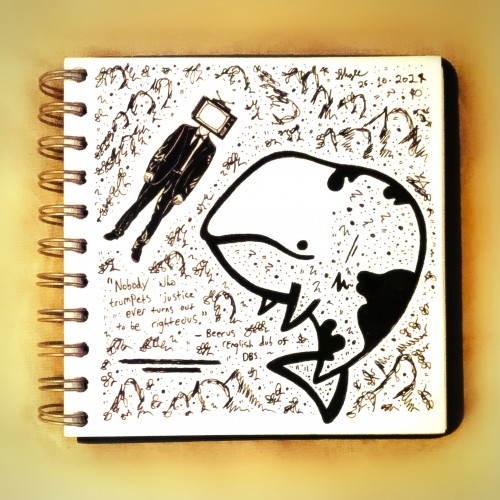
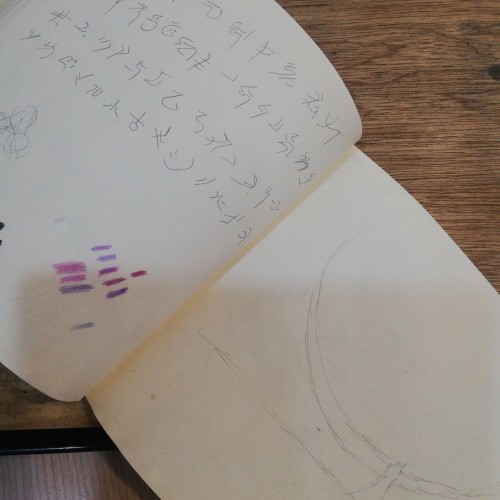
This captivating ink drawing features a fantasy character standing still, deeply rooted to the earth and seamlessly merged with nature. Surrounded by a complex web of trees and plants, the figure embodies the essence of the natural world. In the background, a mesmerizing sunset casts a warm glow over abstract waves of clouds, creating a harmonious blend of light and shadow. This artwork symbolizes the profound connection between humanity and the environment, inviting viewers to reflect on the beauty of nature.
"You flee my dream come the morning
Your scent - berries tart, lilac sweet
To dream of raven locks entwisted, stormy
Of violet eyes, glistening as you weep"
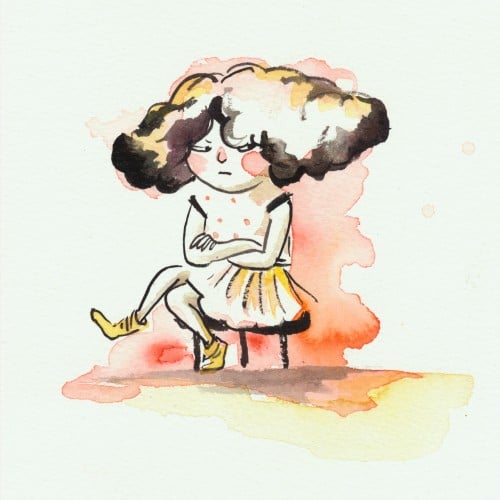
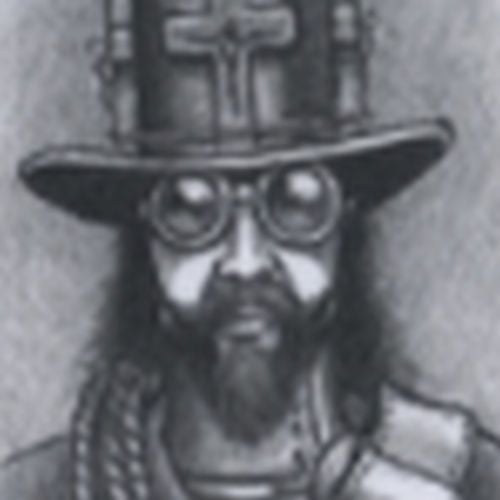
This black and white ink drawing portrays an aged man with a beard lost in deep contemplation within a futuristic spaceship setting. The subtle hints of sadness on his face are contrasted against the vastness of space, where the Milky Way is barely visible in the background. The artwork evokes feelings of isolation and reflection, inviting viewers to ponder the human experience amidst the cosmos.
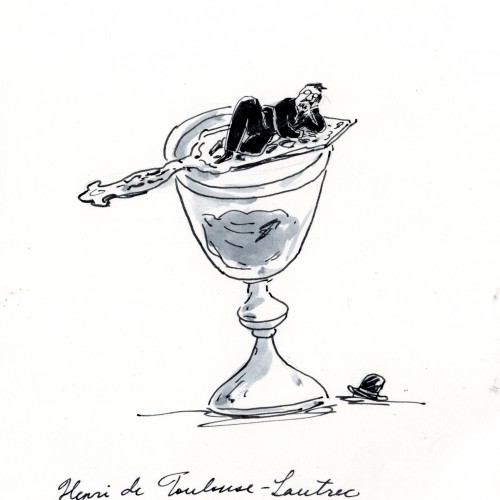
Henri de Toulouse-Lautrec (1864-1901)
Toulouse-Lautrec drank constantly and slept little. After a long night of drawing and binge-drinking, he would often wake early to print lithographs, then head to a café for lunch and several glasses of wine. Returning to his studio, he would take a nap to sleep off the wine, then paint until the late afternoon, when it was time for aperitifs.
(One of his inventions was the Maiden Blush, a combination of absinthe, mandarin, bitters, red wine, and champagne. He wanted the sensation, he said, of “a peacock’s tail in the mouth.”)
From Daily rituals by Mason Currey
#dailyrituals #inktober #henriToulouseLautrec @masoncurrey
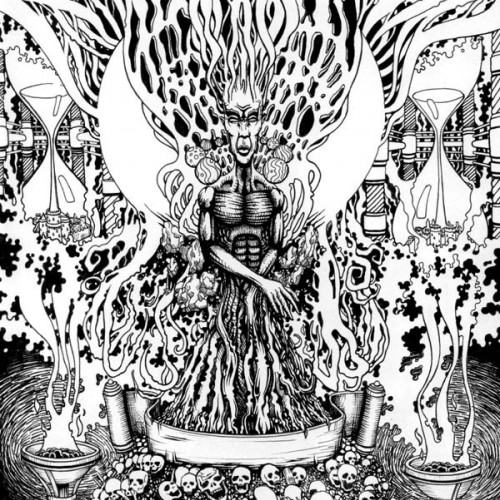
This striking black and white ink drawing personifies Time as a dark entity surrounded by flying souls. A half moon hovers between two hourglasses, symbolizing the passage of time, while smoke billows from two pit fires below. The scene is grounded by skulls and bones, emphasizing the theme of mortality. The artwork is elegantly framed in a gothic style, enhancing its surreal atmosphere and dark symbolism, inviting viewers to reflect on the inevitability of time and its impact on existence.
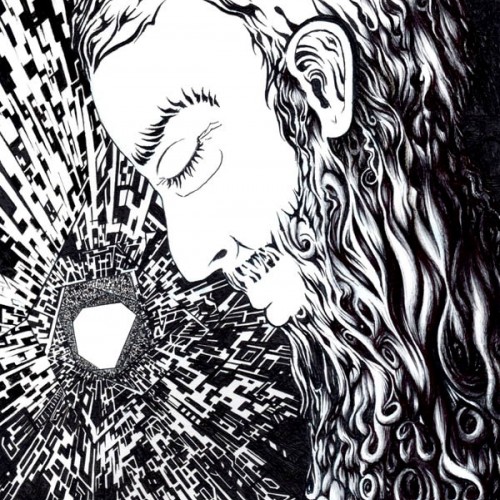
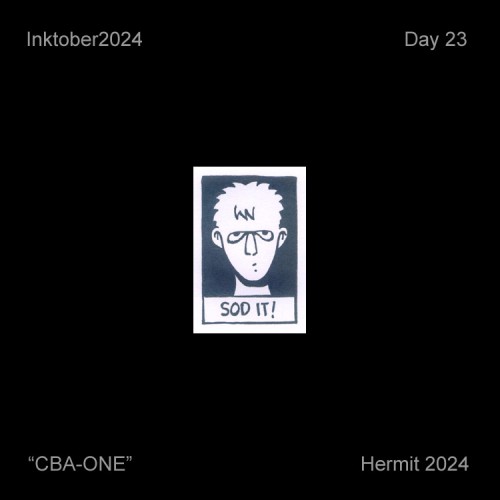
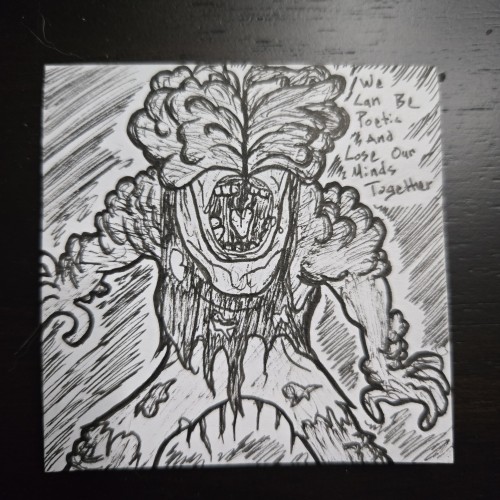
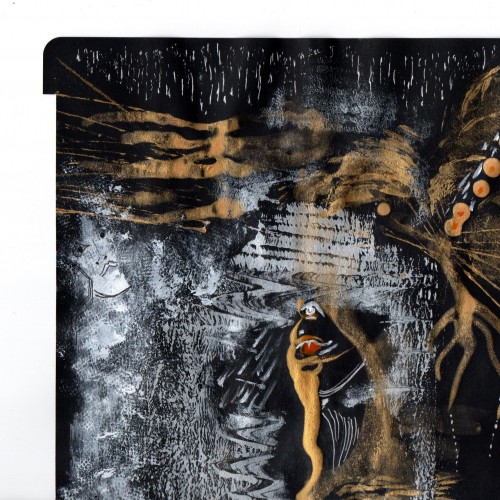
An abstract manifestation of my mind undergoing an "unblocking" to recover the spring of creativity. Putting it in more concrete and psychological terms, a projection of illegible thought processess that free mental binds that have been plagueing my mind for the past year or two.
(Gel Fineliner on A5 Paper) The central image is small because it is that small (about 4cm). It's the first of five which represents that point every artist gets to where they say to themselves: "I really CAN'T BE ARSED doing this!" and casually knock out anything. I thought it was apt for the "encouraging" nature of Inktober ;P
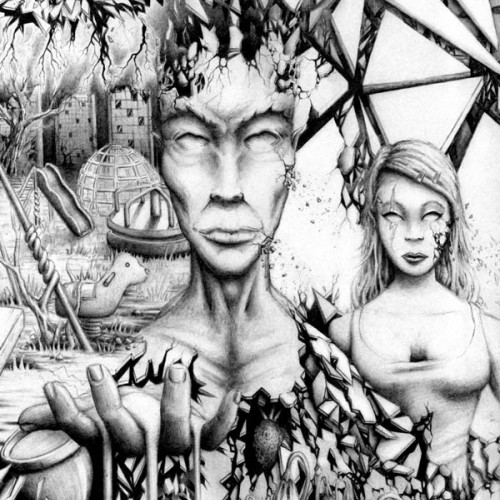
This poignant black and white pencil and ink drawing captures the essence of a dark, broken man with sand slipping through his fingers, symbolizing the passage of time and lost hopes. A hole in his chest reveals his heart, while beside him stands a similarly broken woman. In the foreground, withered flowers and a shattered hourglass accentuate the theme of decay and loss. The background features a forgotten playground, representing the loss of innocence, and a swirling vortex with lightning in the sky that engulfs the man's illusion of reality. This artwork speaks to the emotional turmoil and fragility of the human experience.
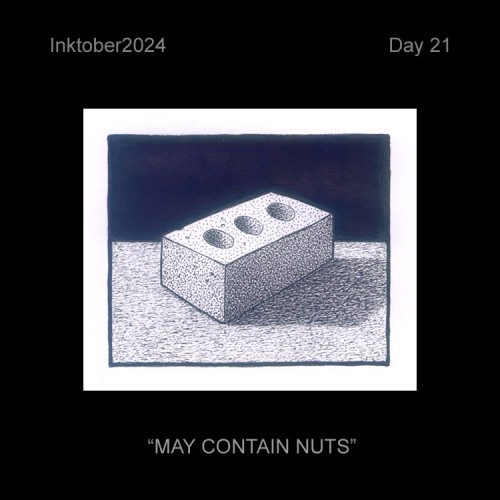
(Gel Fineliner on A5 Paper) The type of artwork which makes you look twice at it due to the title. If it was a photo or a sculpture, I'd probably use a readymade, but here it was something I could easily draw from memory with it being so basic and familiar to everyone.
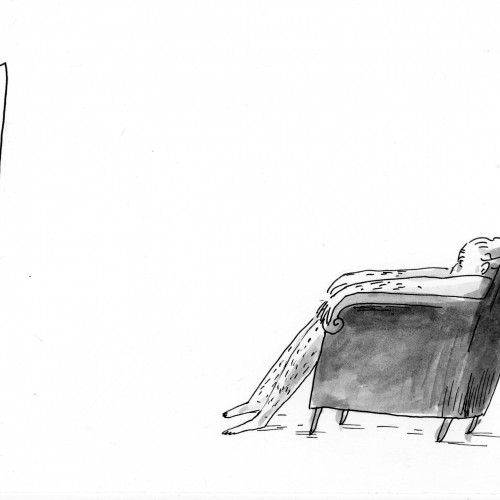
Benjamin Franklin (Part 2)
The plan worked, up to a point. After following the course several times in a row, he found it necessary to go through just one course in a year, and then one every few years. But the virtue of order—“Let all your things have their places; let each part of your business have its time”—appears to have eluded his grasp. Franklin was not naturally inclined to keep his papers and other possessions organized, and he found the effort so vexing that he almost quit in frustration.
This timetable was formulated before Franklin adopted a favorite habit of his later years—his daily “air bath.” At the time, baths in cold water were considered a tonic, but Franklin believed the cold was too much of a shock to the system. He wrote in a letter: I have found it much more agreeable to my constitution to bathe in another element, I mean cold air. With this view I rise early almost every morning, and sit in my chamber without any clothes whatever, half an hour or an hour, according to the season, either reading or writing. This practice is not in the least painful, but on the contrary, agreeable; and if I return to bed afterwards, before I dress myself, as sometimes happens, I make a supplement to my night’s rest, of one or two hours of the most pleasing sleep that can be imagined.
From Daily rituals by Mason Currey
#daulyrituals #inktober #benjaminfranklin @masoncurrey