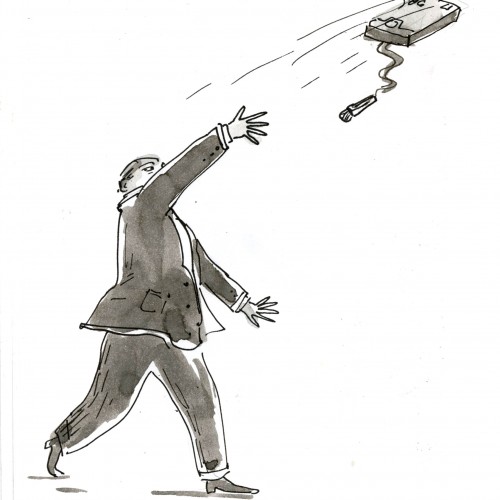
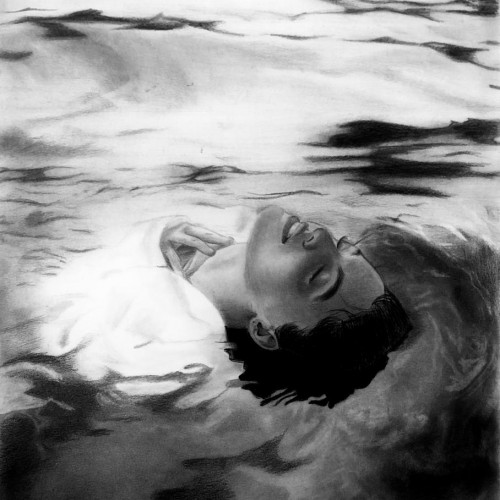
P. G. Wodehouse (1881–1975)
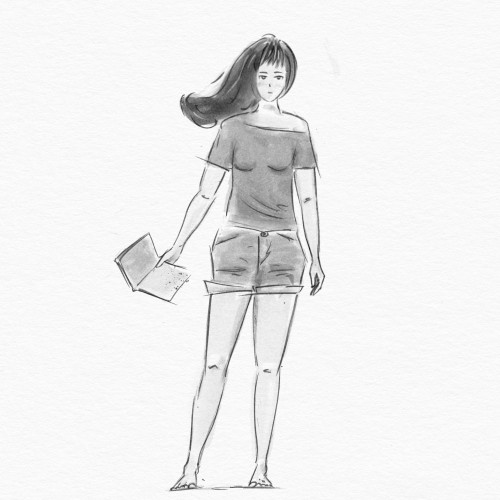
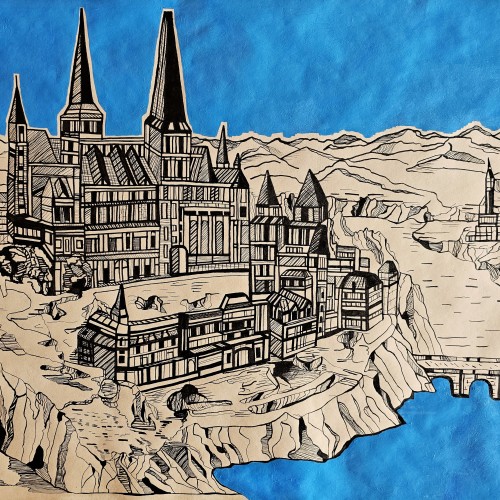
Once, when he was beginning a Wooster-Jeeves novel, he experimented with using a Dictaphone. After he had dictated the equivalent of a page, he played it back to check it over. What he heard sounded so terribly unfunny that he immediately turned off the machine and went back to his pad and pencil.
After this, according to the biographer Robert McCrum, “he might snooze a bit in his armchair, have a bath, and do some more work, before the evening cocktail (sherry for her, a lethal martini for him) at six, which they took in the sun parlour, overlooking the garden.
- From Daily Rituals: How Artists Work by Mason Currey
“He had just about enough intelligence to open his mouth when he wanted to eat, but certainly no more.”
― P.G. Wodehouse
#dailyrituals #inktober #PGWodehouse @masoncurrey
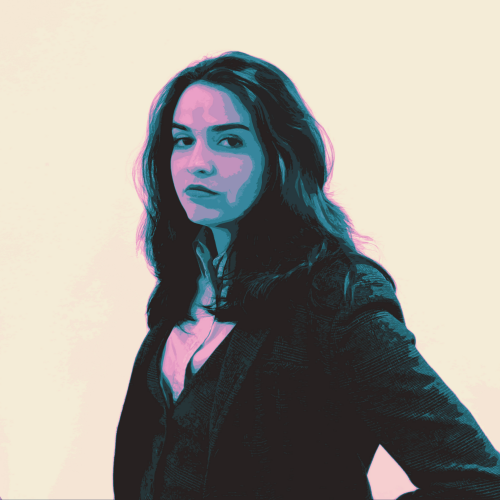
Artist and writer. While undergoing treatment for Patulous Eustachian Tube, a refractory ear disease, they developed an interest in Digitalnature and Computer, leading to their pursuit of media art creation.
In March 2023, they exhibited “Bonsai Woven by Nature and Technology” at a multi-purpose exchange hub, later completing a masterpiece in electronic art. In April 2023, the work was showcased at the NFT digital art online gallery Media Art Gallery.
In September 2023, inspired by memories of reforestation efforts, they exhibited a photography piece at a garden show in Kansai, expressing a strong desire to engage with reforestation through art.
In 2024, their media art was exhibited at an NFT exhibition at Kyoto Miyakomesse, continuing their exploration of the fusion of digital technology and nature in artistic expression.
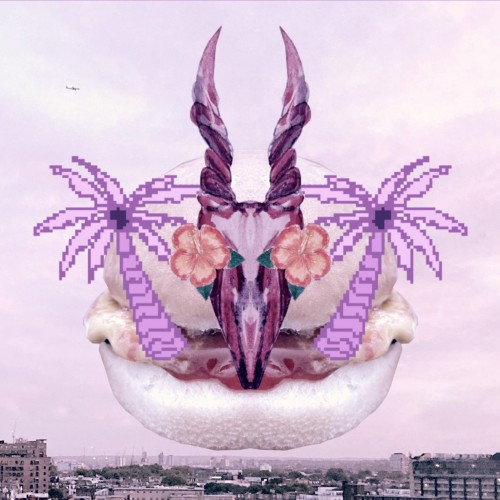
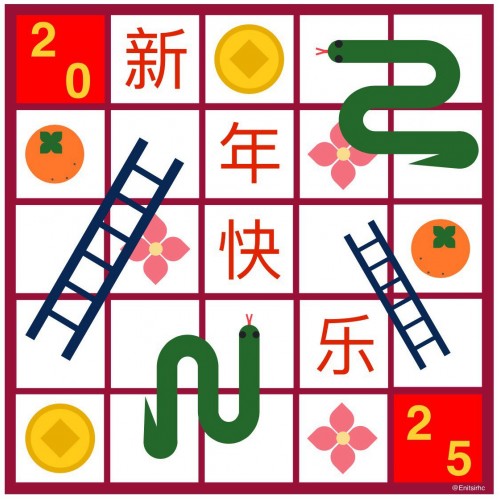
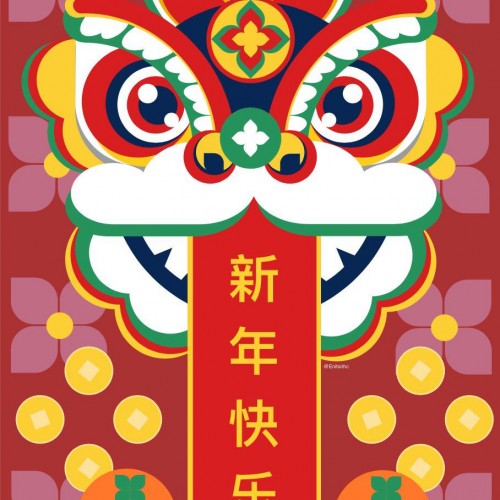
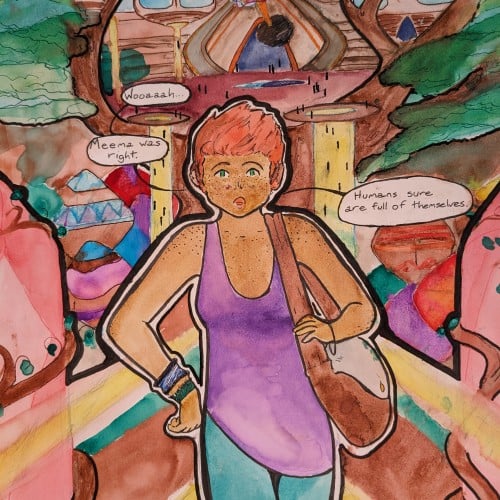
In celebration of the Lunar New Year, hoping this year will be as fun as a game of snakes and ladder! Symbolism: ladder (progression), coin (prosperity), flower (unfolding/bloom of new adventures), oranges (a fruitful year).
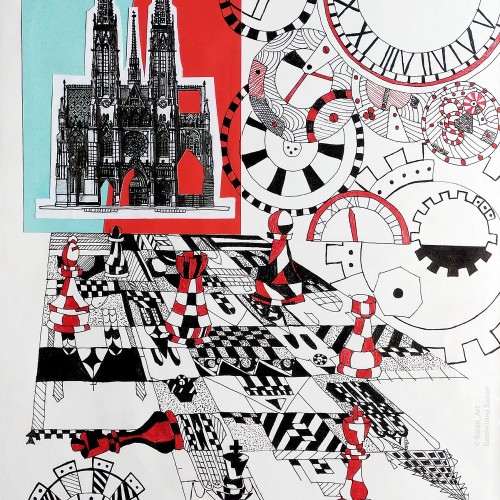
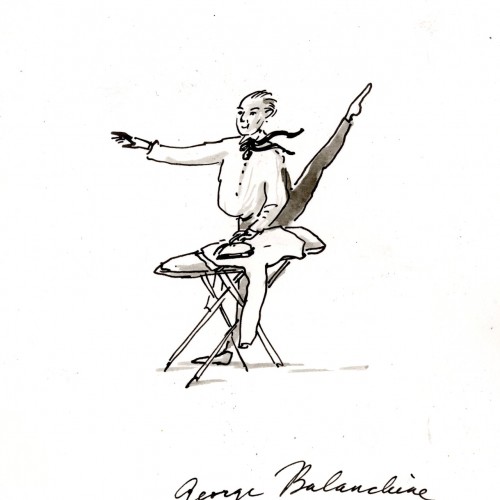
George Balanchine (1904–1983)
Balanchine liked to do his own laundry. “When I’m ironing, that’s when I do most of my work,” he once said. The choreographer rose early, before 6:00 A.M., made a pot of tea, and read a little or played a hand of Russian solitaire while he gathered his thoughts. Then he did his ironing for the day (he did his own washing too, in a portable machine in his Manhattan apartment) and, between 7:30 and 8:00, phoned his longtime assistant for a rundown of the day’s schedule.
- From Daily Rituals: How Artists Work by Mason Currey
“I like to do things certain ways and I disagree with everybody but I don't even want to argue.”
― George Balanchine
#dailyrituals #inktober #balanchine @masoncurrey
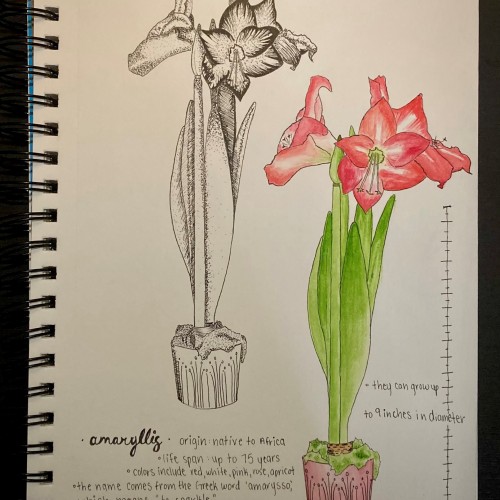
this was just a fun little doodle I did of a pretty plant I saw. it was absolutely stunning and the bright salmon/rose/red flowers just POPPED! this was a nice leisure time doodle to do in between some other projects of mine. I find my happy place sometimes being taking care of my plants, taking pictures of pretty trees and plants, walking around a plant nursery, and now drawing beautiful plants I see.
my favorite fact I learned about the amaryllis was that is comes from the Greek word amarysso, which means “to sparkle” or “to shine”, as this plant does indeed sparkle and with its magnificent flowers when it blooms.
I enjoyed mixing mediums and doing one as a graphic doodle with my Micron pens and the other with watercolors - it was a good study for me seeing the detail come to life by lines/dots and then come to life by colors/shadowing colors.
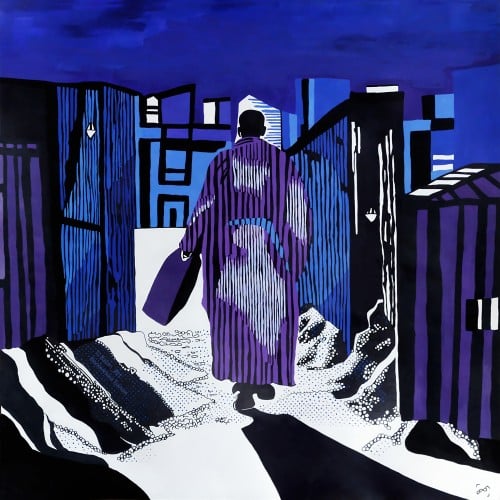
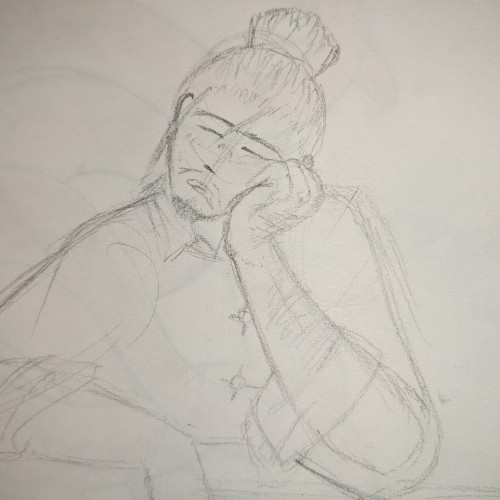
I was kinda bored when I drew this, so it came out in the art work. Incidentally, this guy looks a bit like a character in the nameless city series of graphic novels, which I finished reading recently. The first book is rather heavy handed, but the last two are much better by comparison.