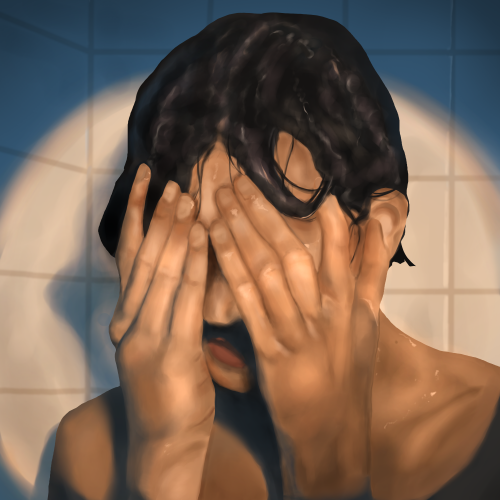
Initiate of the Order of the Saints of the Scrapyard. All members of the order are entitled to the scrap of the mechs they fell (with the pieces they decline to use or take with them being tithed). To join the ranks proper, an initiate must fell an enemy pilot and bring their mech to heel (often by detonating the cockpit and going from there)). Initiates are given little more than a fusion engine (that may double as a shaped charge (or a death sentence depending on their luck)), a kinetic energy recycler (and shield for it to power), a small pile of scraps to build the rest of their sled, and a book of prayers for the scrapyard saints. Most will not graduate their initiation, ending their short stint as little more than ash on the breeze.
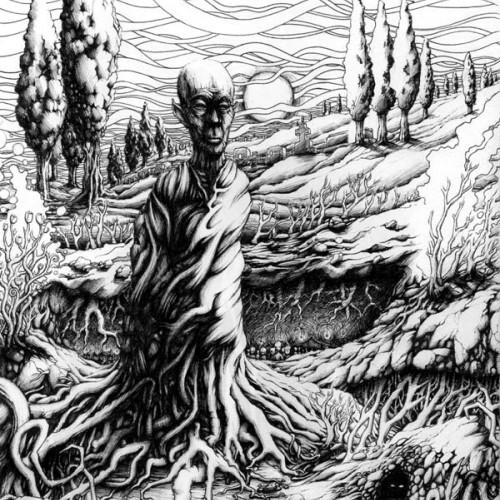
This captivating ink drawing features a fantasy character standing still, deeply rooted to the earth and seamlessly merged with nature. Surrounded by a complex web of trees and plants, the figure embodies the essence of the natural world. In the background, a mesmerizing sunset casts a warm glow over abstract waves of clouds, creating a harmonious blend of light and shadow. This artwork symbolizes the profound connection between humanity and the environment, inviting viewers to reflect on the beauty of nature.
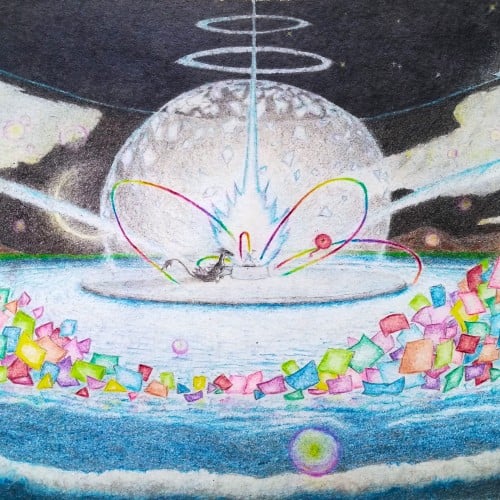
This piece was made 2 months into starting drawing. A symbolic surge of creativity and inspiration as the veil was broken down. This can be considered a personal milestone.
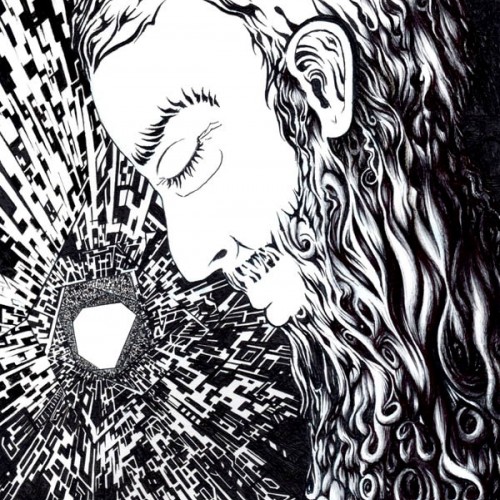
This black and white ink drawing portrays an aged man with a beard lost in deep contemplation within a futuristic spaceship setting. The subtle hints of sadness on his face are contrasted against the vastness of space, where the Milky Way is barely visible in the background. The artwork evokes feelings of isolation and reflection, inviting viewers to ponder the human experience amidst the cosmos.
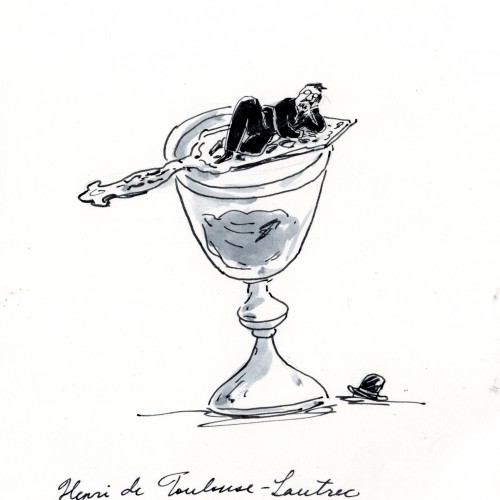
Henri de Toulouse-Lautrec (1864-1901)
Toulouse-Lautrec drank constantly and slept little. After a long night of drawing and binge-drinking, he would often wake early to print lithographs, then head to a café for lunch and several glasses of wine. Returning to his studio, he would take a nap to sleep off the wine, then paint until the late afternoon, when it was time for aperitifs.
(One of his inventions was the Maiden Blush, a combination of absinthe, mandarin, bitters, red wine, and champagne. He wanted the sensation, he said, of “a peacock’s tail in the mouth.”)
From Daily rituals by Mason Currey
#dailyrituals #inktober #henriToulouseLautrec @masoncurrey
para el día 23 de Inktober hoy toca a oxido
para este día se me ocurrió dibujar a doris-1 quién durante todo el tiempo que estuvo abandonada en Bosque Ágata se empezó a oxidar un poco su capa exterior de pintura.
°”Ŕₒɞₒ
Sigmund Freud (1856–1939)
“I cannot imagine life without work as really comfortable,” Freud wrote to a friend in 1910. With his wife, Martha, to efficiently manage the household—she laid out Freud’s clothes, chose his handkerchiefs, and even put toothpaste on his toothbrush—the founder of psychoanalysis was able to maintain a single-minded devotion to his work throughout his long career.
Freud’s long workdays were mitigated by two luxuries. First, there were his beloved cigars, which he smoked continually, going through as many as twenty a day from his mid-twenties until near the end of his life, despite several warnings from doctors and the increasingly dire health problems that dogged him throughout his later years. (When his seventeen-year-old nephew once refused a cigarette, Freud told him,
From Daily rituals by Mason Currey
#dailyrituals #inktober #sigmundFreud @masoncurrey
(Gel Fineliner on A5 Paper) The central image is small because it is that small (about 4cm). It's the first of five which represents that point every artist gets to where they say to themselves: "I really CAN'T BE ARSED doing this!" and casually knock out anything. I thought it was apt for the "encouraging" nature of Inktober ;P
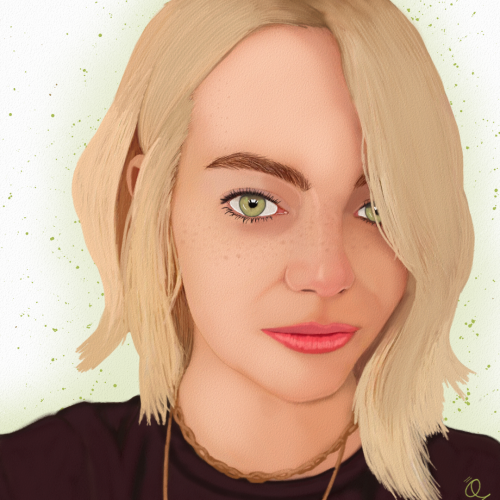
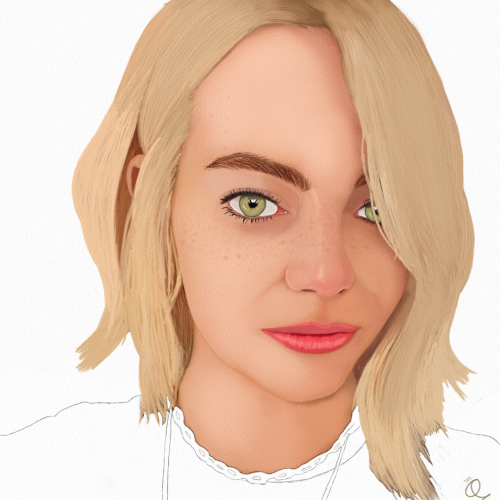
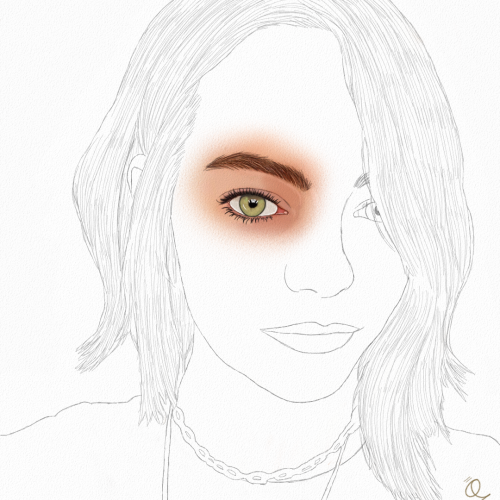
Emma Stone Portrait Color Sketch by Oz Galeano
Instagram:
https://www.instagram.com/arte_ozgaleano/
Comissions:
https://www.fiverr.com/s/6WzyVL
Donations:
https://www.paypal.com/paypalme/ozgaleano
Youtube:
https://www.youtube.com/@OzGaleano/videos
Patreon:
https://www.patreon.com/Ozgaleano
Shop:
https://www.inprnt.com/gallery/ozgaleano/
TIK TOK:
https://www.tiktok.com/@oz_galeano
Behance:
https://www.behance.net/ozgaleano
KO-FI:
https://ko-fi.com/ozgaleano/commissions
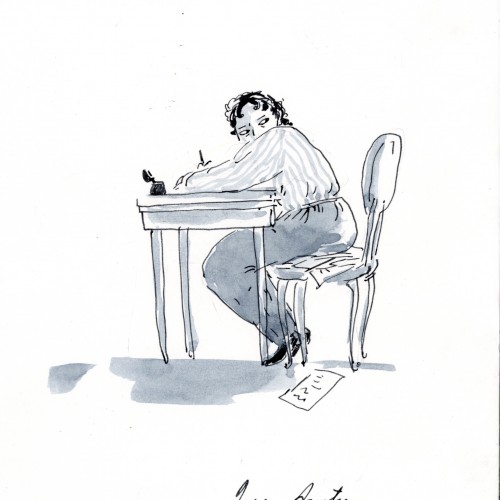
Jane Austen (1775–1817)
Austen never lived alone and had little expectation of solitude in her daily life. Her final home, a cottage in the village of Chawton, England, was no exception: she lived there with her mother, her sister, a close friend, and three servants, and there was a steady stream of visitors, often unannounced.
...
Austen wrote in the family sitting room, “subject to all kinds of casual interruptions,” her nephew recalled. She was careful that her occupation should not be suspected by servants, or visitors, or any persons beyond her own family party. She wrote upon small sheets of paper which could easily be put away, or covered with a piece of blotting paper. There was, between the front door and the offices, a swing door which creaked when it was opened; but she objected to having this little inconvenience remedied, because it gave her notice when anyone was coming.
“Composition seems to me impossible with a head full of joints of mutton & doses of rhubarb.”
From Daily rituals by Mason Currey
#dailyrituals #inktober #janeAusten @masoncurrey









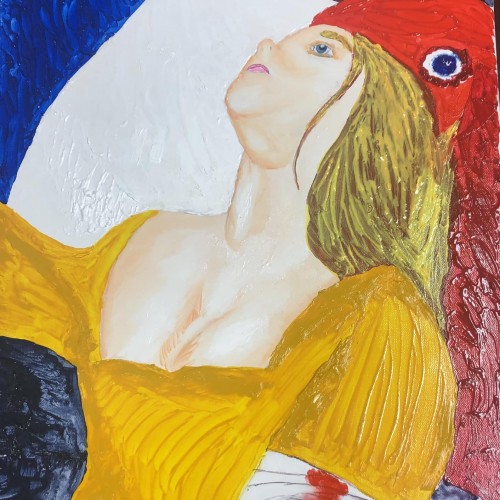







![[MS Paint Sketch] Imps Circus](/images/uploads/square/65557_shadowl_1730326826.9138.jpg)