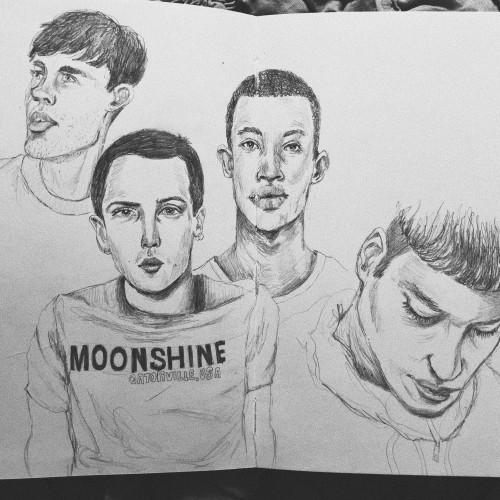
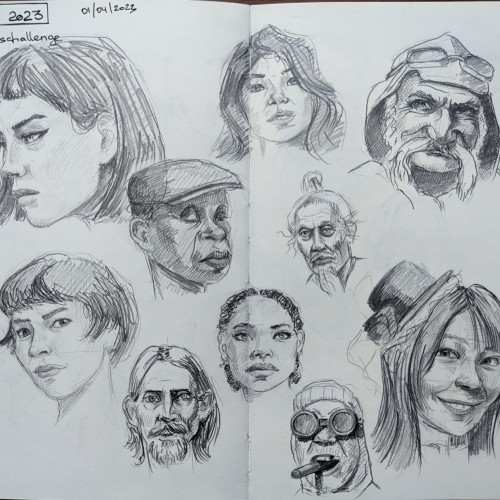
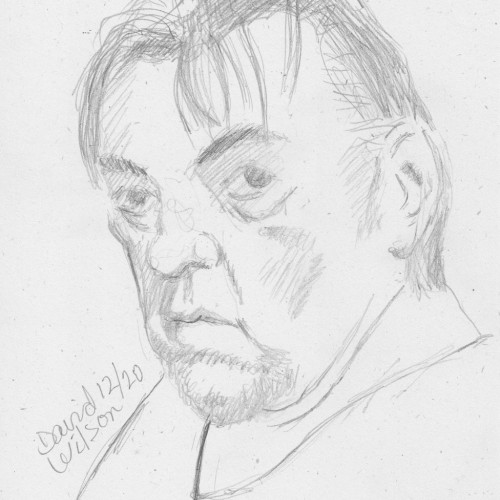
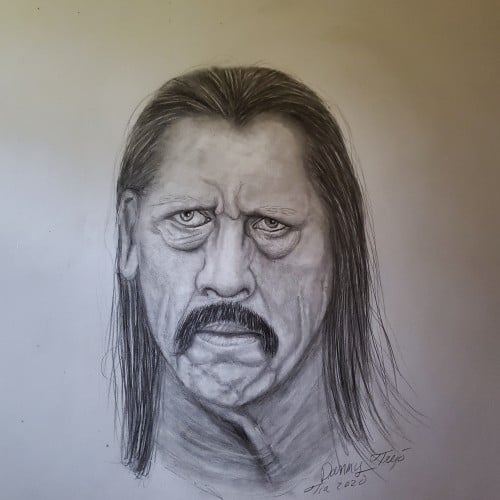
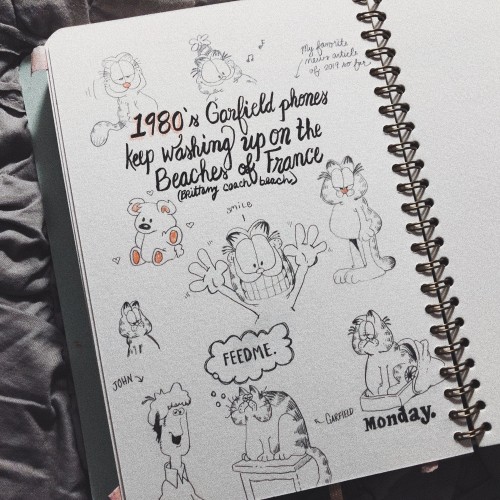
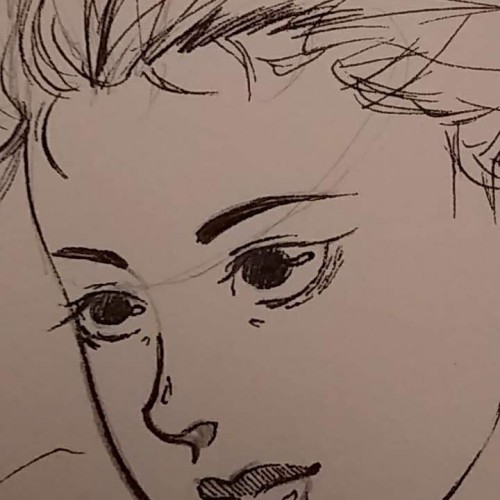
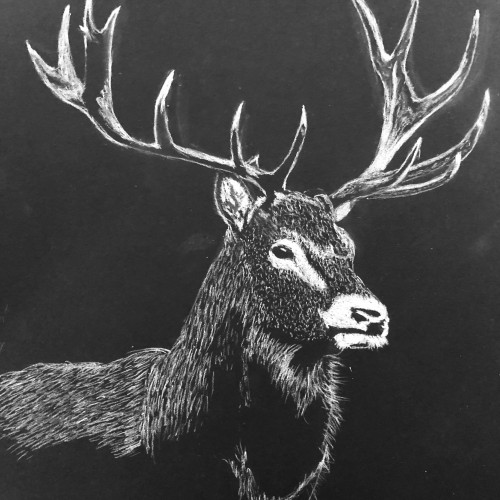
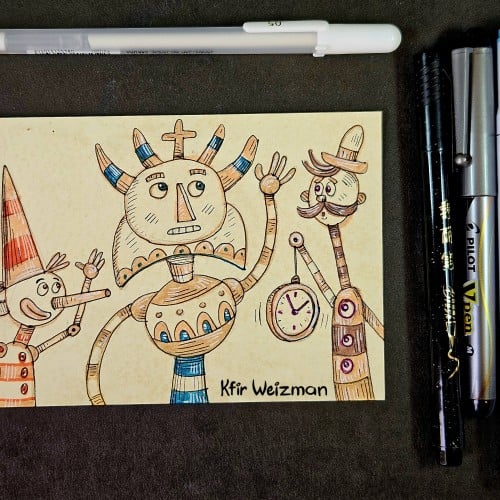
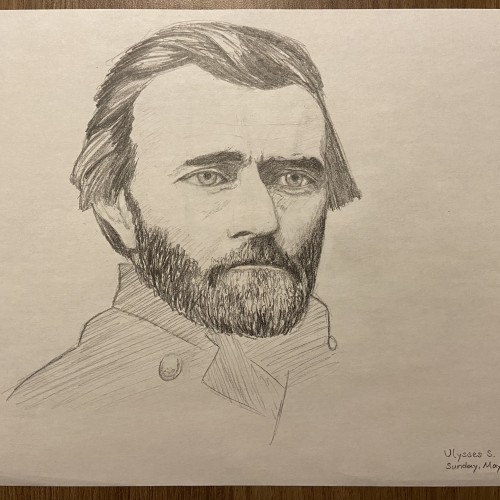
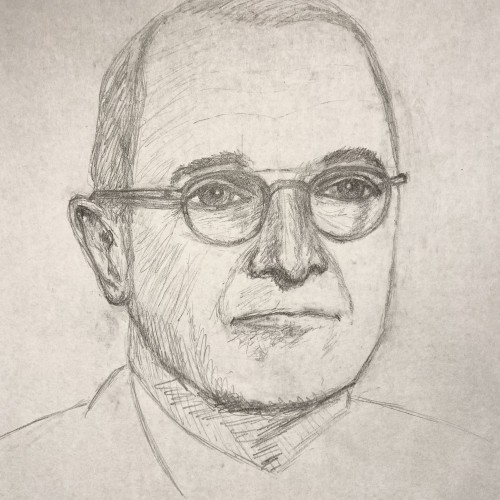
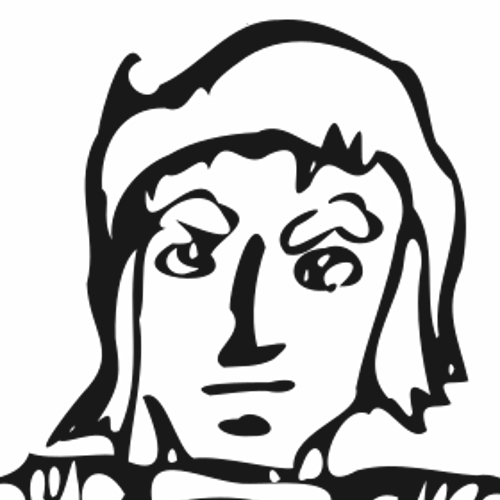
Sketchbook #7. This time I decided to try 100 heads challenge. It was quite fun, but it took me 2 months instead of 10 days though... I haven't used all the provided references and mixed them with my own. Entries 1-10, mechanical pencil.
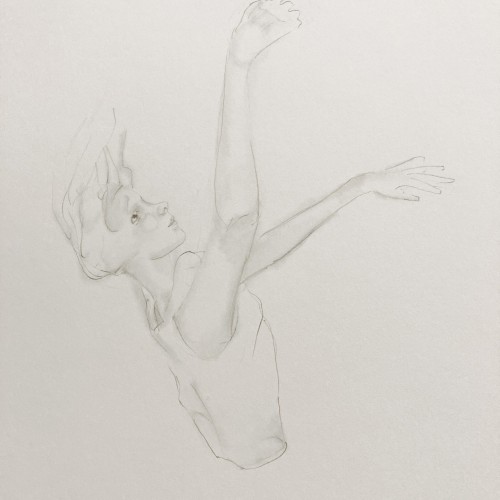
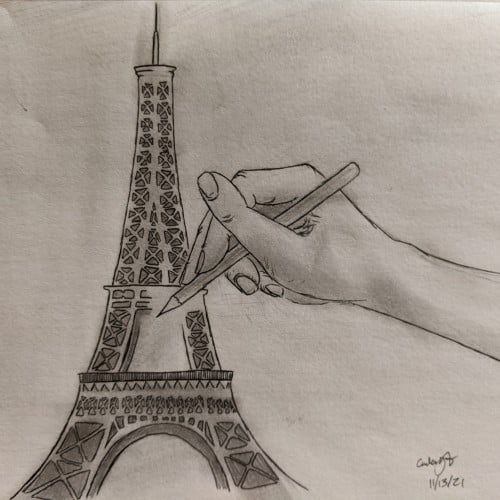
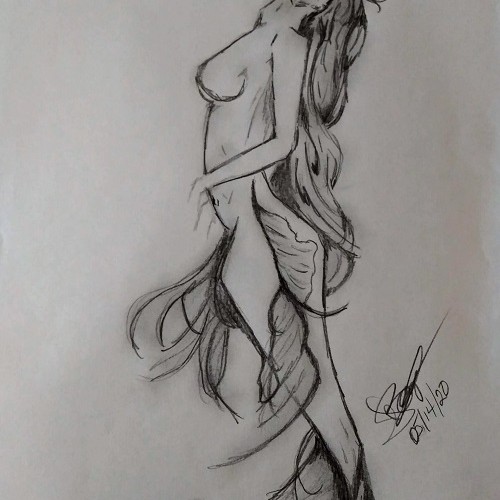
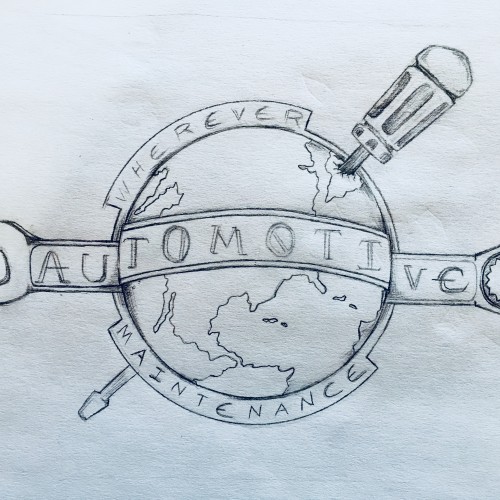
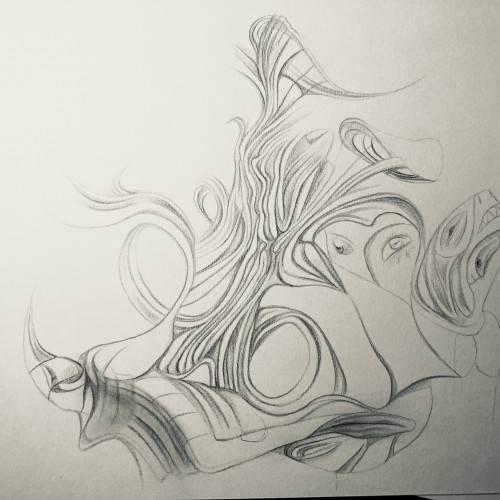
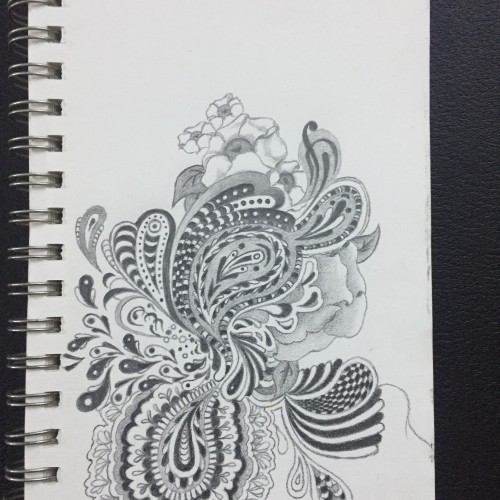
Honestly I was just sitting w/ friends and asked for a piece of paper. Sketched this w/ a mechanical pencil (ugh) in about 20-30 min. But just showing something fanciful and beautiful in vastness looking above.
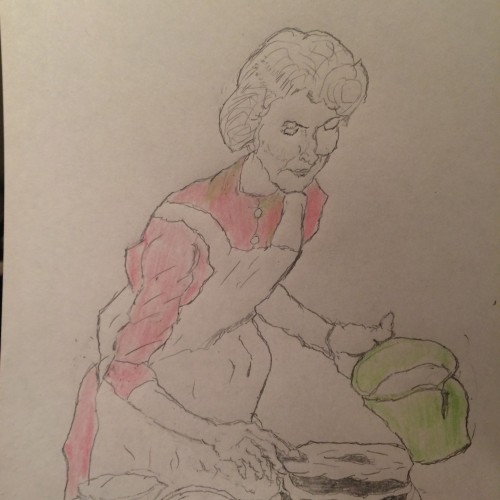
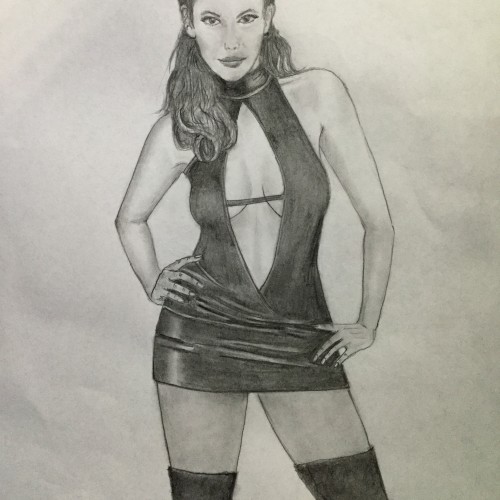
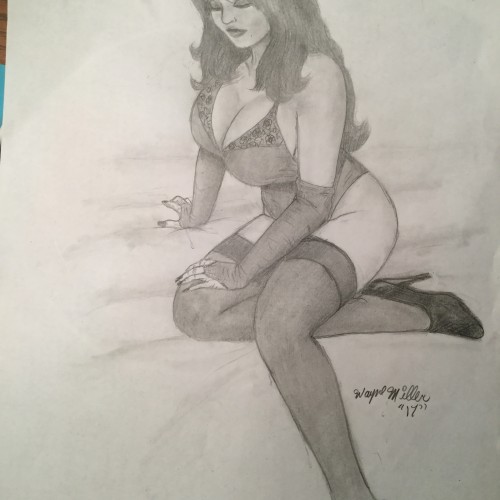
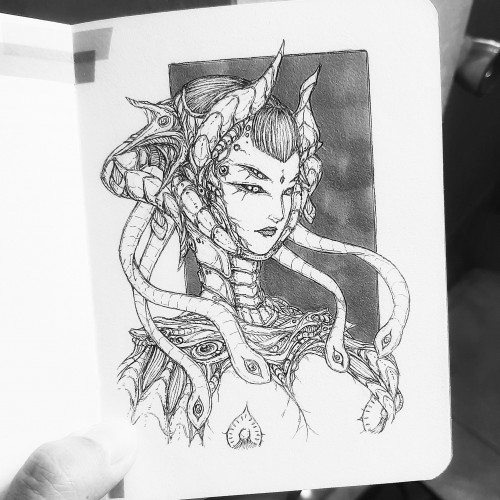
Progression image 5 of 6. 11x14 Marker paper, Medium Graphite Pencils (asst. B-5B). Here the drawing started to come together. I used a metal tip to a mechanical pencil and dragged it along the paper to create the highlight effects in her hair. It is effective but irreversible, so I don't do it very often.
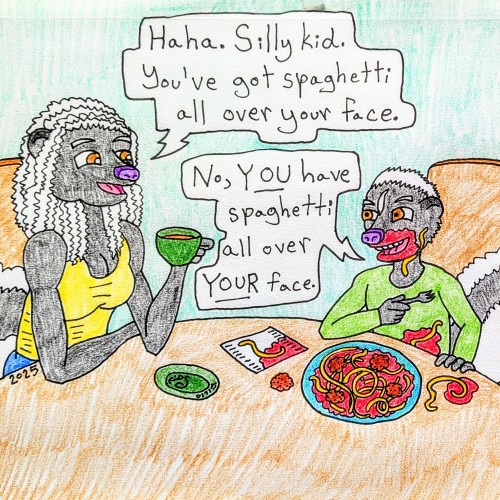
The logic of children of all ages.
x x x
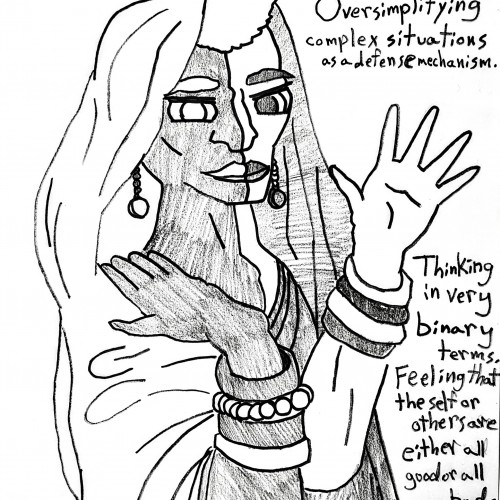
Psychological projection is a defense mechanism in which an individual unconsciously attributes their own unacceptable thoughts, feelings, emotions, impulses, or traits to another person, group, animal, or object to avoid confronting them internally.
This process allows a person to manage uncomfortable emotions like guilt, shame, or anxiety by externalizing them, making it easier to tolerate the internal conflict.
First conceptualized by Sigmund Freud, projection involves displacing negative or undesirable aspects of the self onto others, thereby preserving self-esteem and avoiding internal discomfort.
While it can serve as a short-term coping strategy, unchecked projection can lead to interpersonal conflict, misunderstanding, and damage to relationships.
x x x
no, you. ^w^
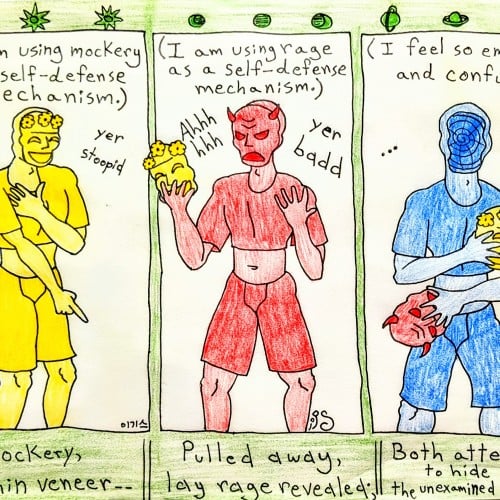
A far-too-common archetype that i have observed frequently in people as they converse with another is one in which an individual uses two layers of defense to protect an otherwise unexamined confusion or emptiness. This relates to a defense of the ego and does not apply to all situations involving anything discussed.
First posturing:
-A mask (or wall) of mockery is sustained in which the defensive individual behaves flippantly as if in jest. This positioning is a way to be aloof from the situation, using incredulity and belittlement to keep a person or their ideas away from the defensive individual.
Second posturing:
-A mask (or wall) of rage is revealed after a certain level of perceived threat is achieved internally. This positioning is usually the one the defensive individual maintains when they have given up the argument or the introspection. Not risking an ontological or existential crisis, the defensive individual lashes out with anger, often accusatorily in manner, potentially belittling others further or just plain rushing away in a huff. This is usually the end of the engagement.
Third posturing:
-The masks (or walls) both come off, leaving the defensive individual to examine the thoughts or behaviors involved in the situation more critically. The defensive individual may find themselves feeling deeply uncomfortable, sad, uneasy, lost, or confused. This position leads to introspection and to a genuine openness, which is not something that the defensive individual had been prepared for. They may find that they were incorrect, only partially correct, or that the perceived rightness of their idea/behavior now has an expanded context, all of which may seem frightening. Individuals may become mentally paralyzed at this point. It takes a strength and an honesty to reflect in this position, which is not something that everyone expressing this archetype will be capable of doing.
(Based on my professional insights as: a cashier, as a member of various technical support staffs, as an occasional minister, and as a peer counselor. Also based on my casual and repeated interactions with both strangers and with more intimately known persons over the course of my lifetime. Observations are my own.)