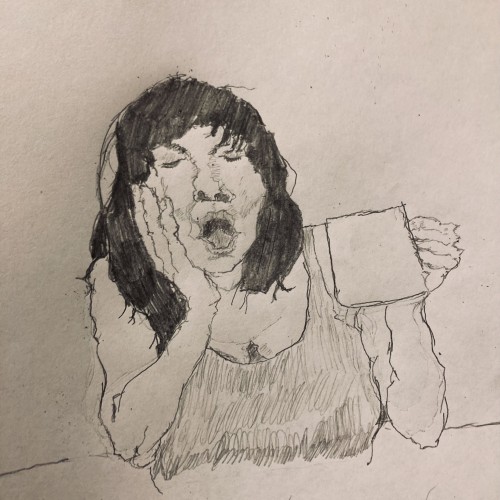
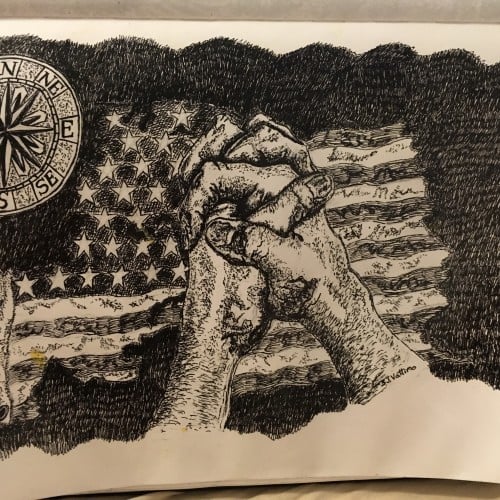
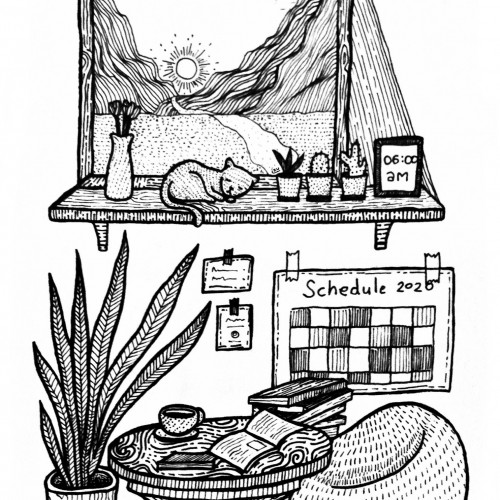
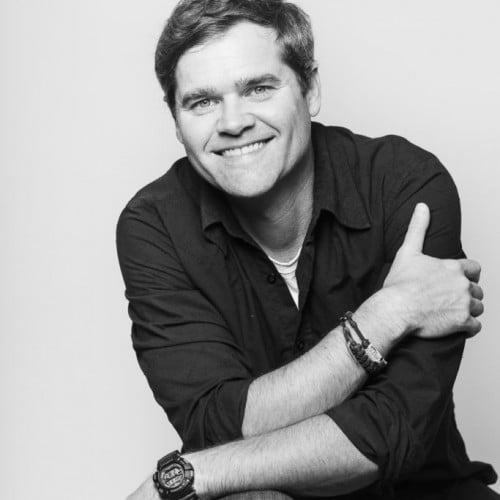
Benjamin Franklin (Part 2)
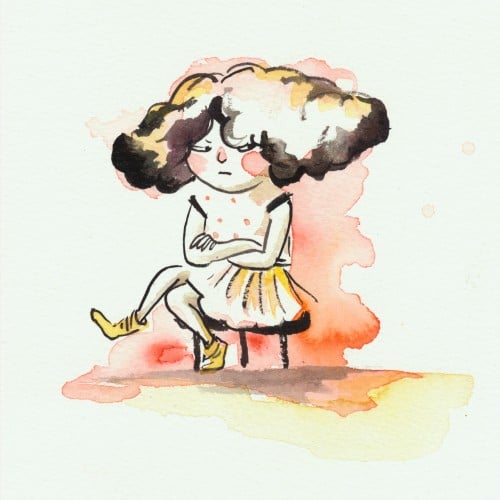
The plan worked, up to a point. After following the course several times in a row, he found it necessary to go through just one course in a year, and then one every few years. But the virtue of order—“Let all your things have their places; let each part of your business have its time”—appears to have eluded his grasp. Franklin was not naturally inclined to keep his papers and other possessions organized, and he found the effort so vexing that he almost quit in frustration.
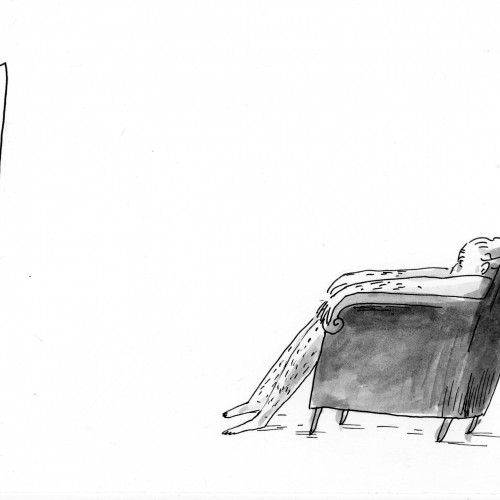
This timetable was formulated before Franklin adopted a favorite habit of his later years—his daily “air bath.” At the time, baths in cold water were considered a tonic, but Franklin believed the cold was too much of a shock to the system. He wrote in a letter: I have found it much more agreeable to my constitution to bathe in another element, I mean cold air. With this view I rise early almost every morning, and sit in my chamber without any clothes whatever, half an hour or an hour, according to the season, either reading or writing. This practice is not in the least painful, but on the contrary, agreeable; and if I return to bed afterwards, before I dress myself, as sometimes happens, I make a supplement to my night’s rest, of one or two hours of the most pleasing sleep that can be imagined.
From Daily rituals by Mason Currey
#daulyrituals #inktober #benjaminfranklin @masoncurrey
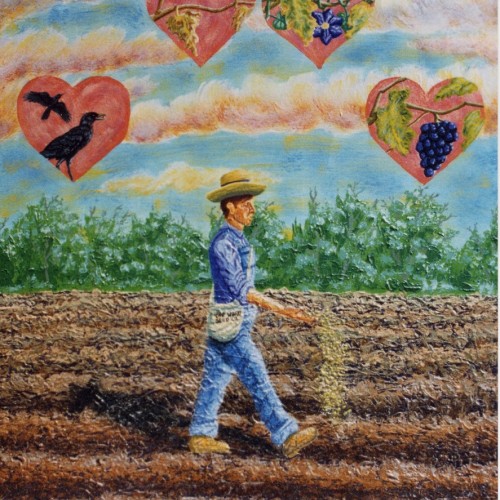
Sower and the Seed
This painting illustrates the parable “The Sower and the Seed,” a teaching of Jesus
recorded in the book of Matthew chapter 13. The four hearts in the sky represent four
different responses of those who hear the Gospel message.
The heart on the lower left represents those who have heard the gospel but reject it.
The devil then comes and takes it away from their hearts. This is illustrated by the
crows flying away with the seed that fell on the road side.
The second heart on the upper left side of the sky represents those who receive the
gospel message with joy, but it doesn’t take root in their faith, and their faith is temporal, falling away when trials or affliction come their way because of the gospel. This
is illustrated by a grape vine withering away in the heat of the day due to a lack of a
deep root system.
The heart in the upper right corner of the sky represents those who received the gospel
and believe, but the worries of the world, and the deceitfulness of riches, choke the
word, and it becomes unfruitful. This is illustrated by the grapevine being choked out
by a purple, flower-bearing, climbing, strangling vine called, morning glory.
These vines produce pretty flowers, but they are an organic farmer’s enemy because
they will choke out his crops. I learned this firsthand in organic farming when I was a
missionary for a couple of summers.
The heart in the lower right corner of the sky represents those who hear, believe, and
are committed to living for the gospel, so they produce much fruit. This is illustrated
by a healthy, strong, fruit-bearing grapevine. The tilled field represents the world that
God has prepared to receive the Gospel message. The sower represents all Christians
that are commanded to go into the world and proclaim the gospel message. The seed
being thrown by the sower represents the gospel message going out to the world.
The seed bag has written on it, “The Word Seed Co.”
(October 28, 2017)
Found him sitting on a wall in the park where I go for a jog since pandemic started. Was so mesmerised by this magnificent beast. I couldn’t stop staring at him every morning. The contrast between the white fur and black skin. So shiny yet so peacefully he sat doing his job.
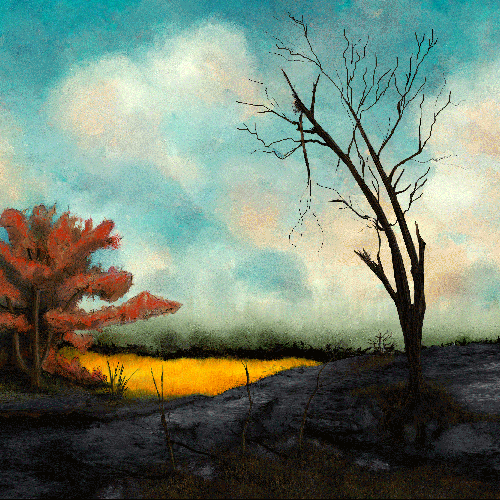
A foggy morning opens up to a burnt landscape. I wanted to paint a couple of different environments in one painting but still aim to be refined. I used fall colors and smaller lines.
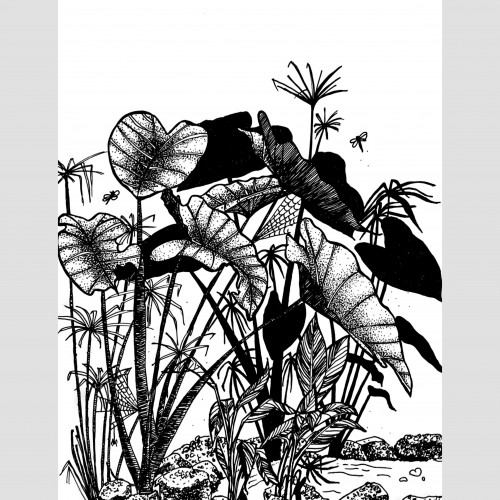
Living, breathing, and creating with nature
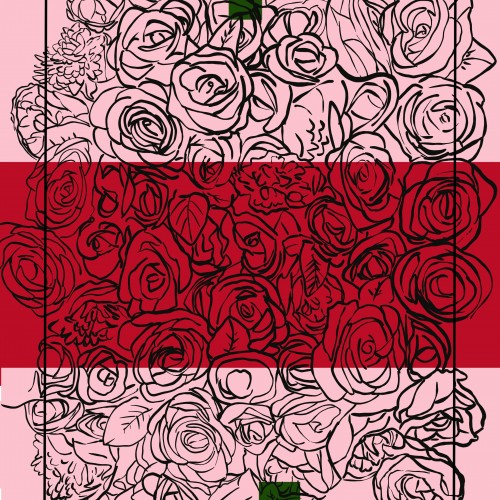
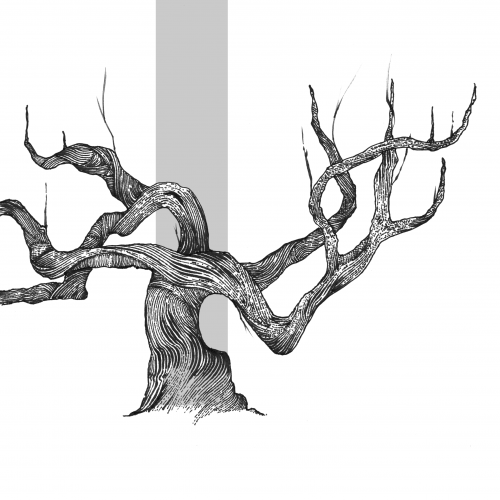
When you wake up to the gentle sights and sounds of the pond, trees, plants, birds, bees, and dragonflies, inspiration flows effortlessly. So, when the owner asked for a menu design for @SarayaGoa Art Café, I thought—why not let nature speak for itself?
Using pen and ink, I captured the beauty of my mornings here—each stroke reflecting the lush surroundings that make Saraya unique. Instead of focusing on just food items, I filled the cover and inside pages with illustrations of the vibrant life around us. Dining here means eating among the green, surrounded by the diverse plants of our permaculture gardens.
This study is a tribute to the beauty that shapes every meal at Saraya.
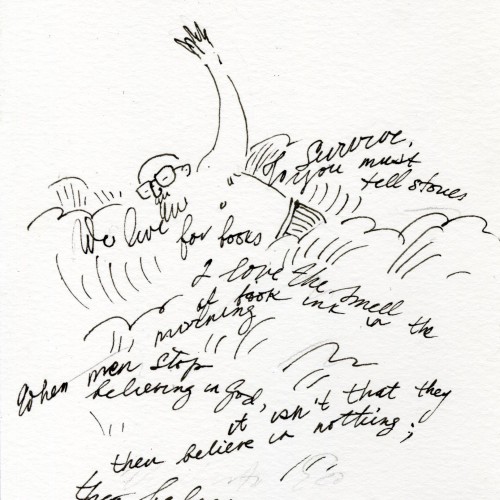
Umberto Eco (b. 1932)
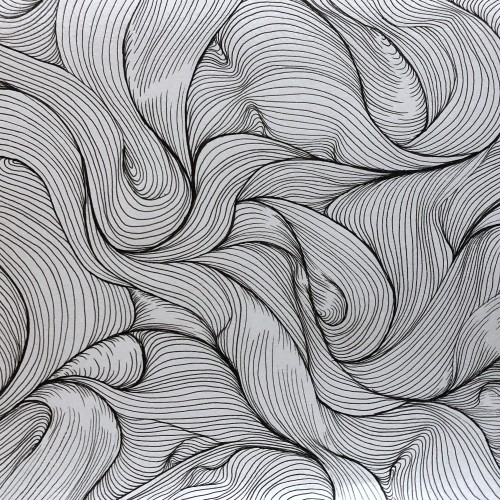
Eco says that he is able to be productive during the brief “interstices” in the day. He told The Paris Review’s interviewer: “This morning you rang, but then you had to wait for the elevator, and several seconds elapsed before you showed up at the door. During those seconds, waiting for you, I was thinking of this new piece I’m writing. I can work in the water closet, in the train. While swimming I produce a lot of things, especially in the sea. Less so in the bathtub, but there too.”
- From Daily Rituals: How Artists Work by Mason Currey
“When men stop believing in God, it isn’t that they then believe in nothing: they believe in everything.” ― Umberto Eco
#dailyrituals #inktober #UmbertoEco @masoncurrey
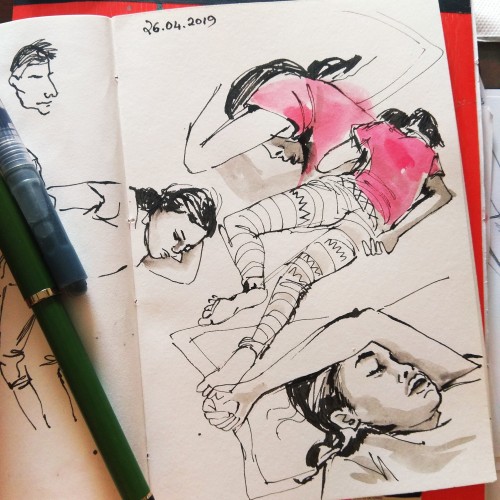
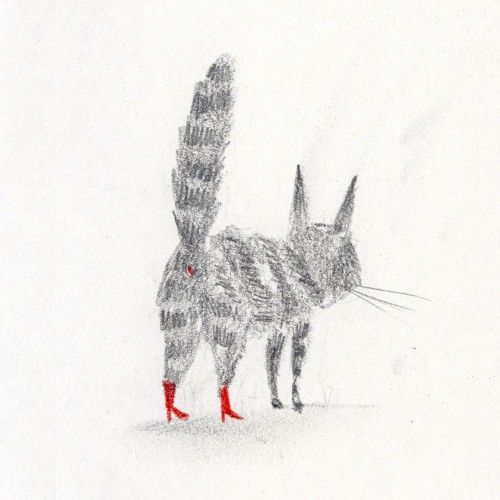
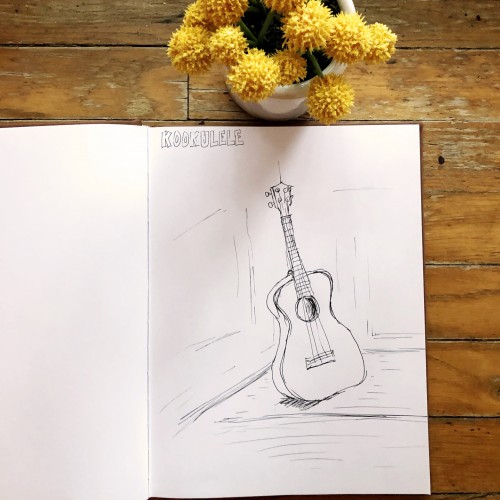
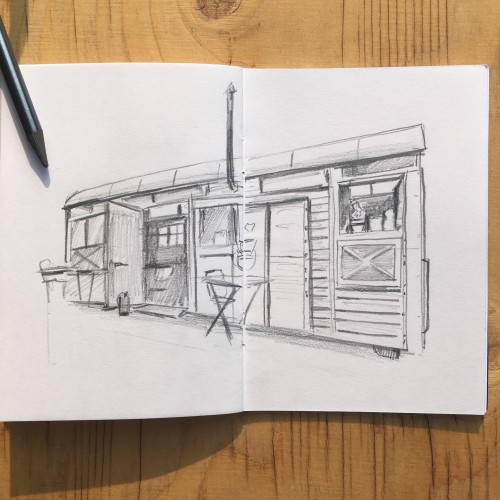
I had some family at my house this week and my niece kept wanting to play my ukulele, only she called it "kookulele". It made me laugh every time and in the morning before they got up I sketched this real quick to remind me of it.
Joseph Cornell (1903–1972)
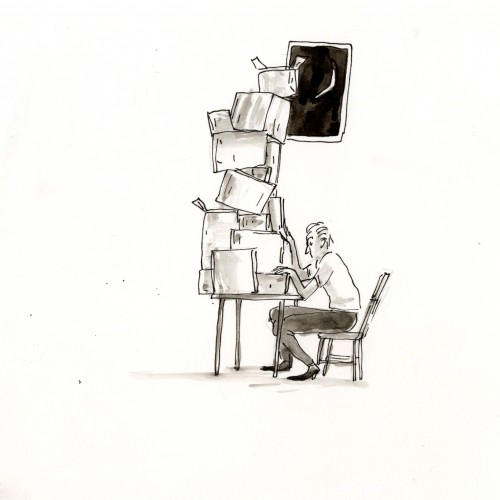
Cornell worked nights at the kitchen table, sorting and assembling materials for his boxes. It was not easy going. Some nights he felt too fatigued from his day job to concentrate on his art and would sit up reading instead, switching on the oven for warmth. In the mornings, his quarrelsome mother would scold him about the mess he’d left at the kitchen table; without a proper workroom, Cornell was forced to store his growing collection of magazine clippings and dime-store baubles out in the garage.
In 1940 Cornell finally mustered the courage to quit his job and pursue his art full-time—and even then his habits changed little. He still worked nights at the kitchen table, while his mother and brother slept upstairs. In the late morning he would head downtown for breakfast at his local Bickford’s restaurant, often satisfying his sweet tooth with a Danish or a slice of pie (and lovingly cataloging these indulgences in his diary).
- From Daily Rituals: How Artists Work by Mason Currey
#dailyrituals #inktober #JosephCornell @masoncurrey
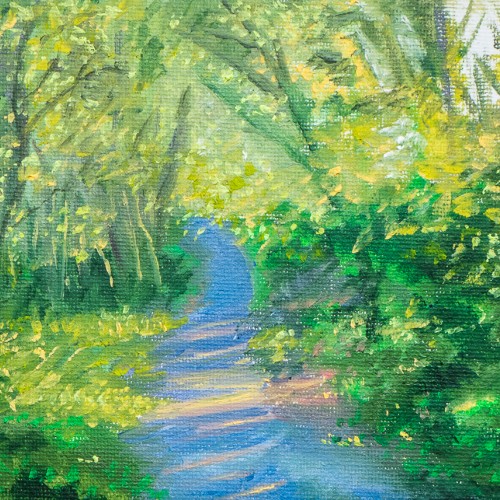
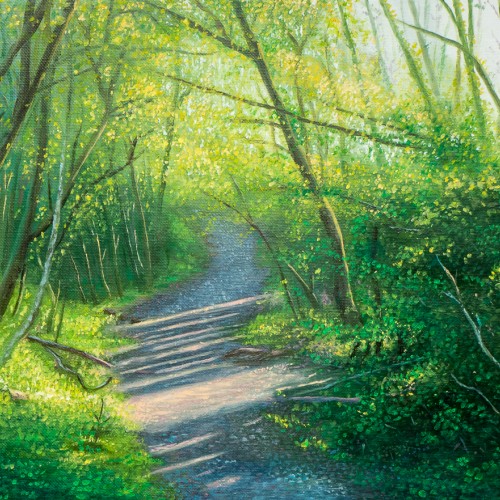
My last finished painting of 2020. A morning in the woodlands of Ystradfawr Nature Reserve near my home. This is the final result of one of my colour sketches - Spring on the Line. It sold to lady in a care home who's lost her mobility. I hope it gives her a bit of the great outdoors when she's sitting in her room.
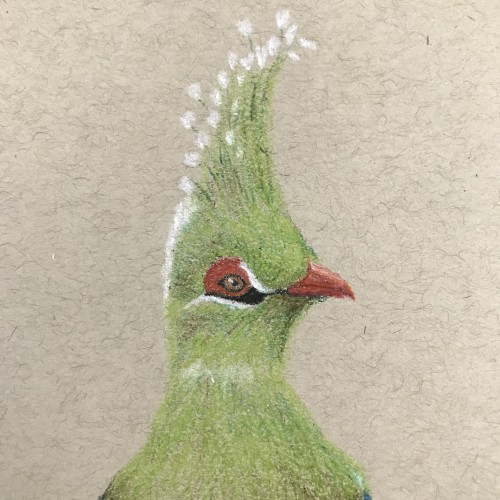
I thought I would play with crayons this morning. The bird with the cute hairdo is a Livingstone’s turaco from the family Musophagidae. Found in the subtropical lowlands of southeastern Africa. This bird’s plumage is the color of spring. Crayola crayons on toned tan sketch paper.