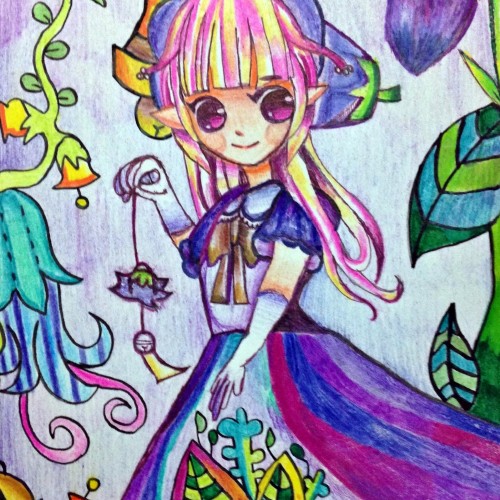
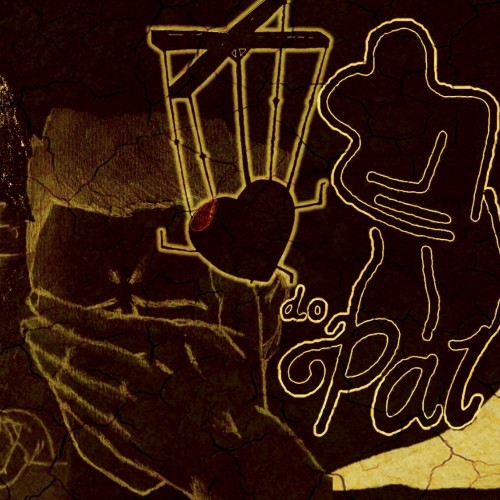
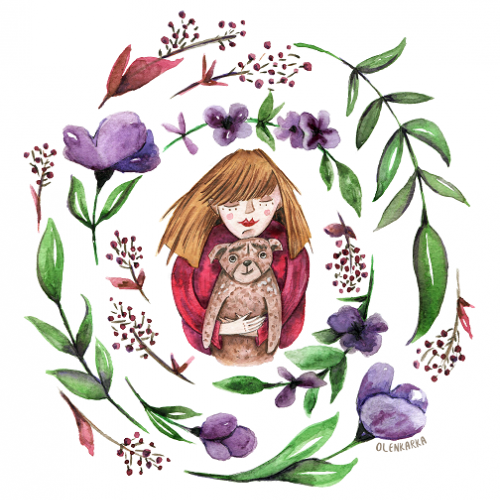
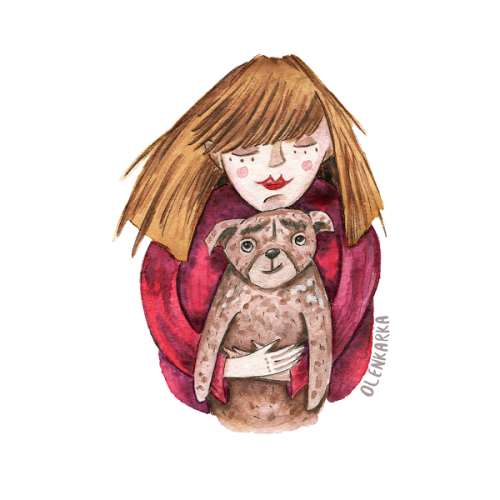
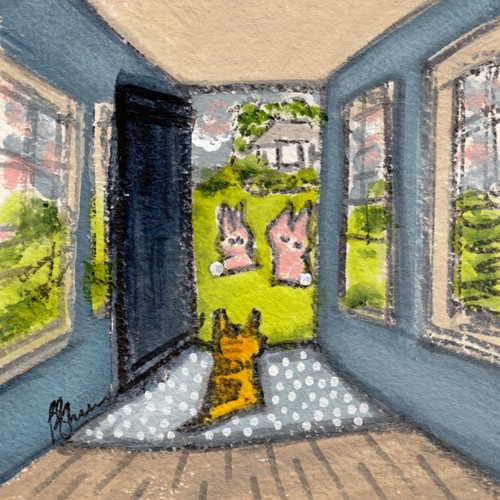
Everyone thinks that they love will have a happy ending, but those are the lucky ones. What about those who have their heart played just to get the pleasure fulfilled. What happens to those who kept promises but never fulfilled them, just forgot them like they meant nothing, no memories of them were made, it had nothing to do with them. This picture that I developed at this stage of a person's life shows that they don't ask for nothing beside a happy ending, sitting together and enjoying each other's company. What was the need of stealing someone's heart, use them for your own desires and then just throw it away? What did they get at the end? It was easy for them to make promises, gaining their trust, building hopes but harder for them to prove it. Day by day the pain kills them inside but to the world they are nothing more but alive and energetic, but who knows what’s happening from the inside, when they are just trying to live each day until death comes. At this moment of time no one can heal the cuts, them deceitful memories by the one who once said they will never hurt you or leave you. But I guess one day everyone does leave you, maybe today or tomorrow. She was told to forget him because he was nothing beside a memory. He wasn’t worth it. He walked away from her, but maybe she was too caught in his memories.
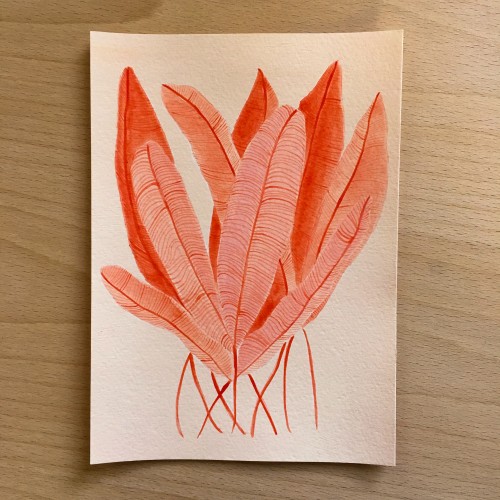
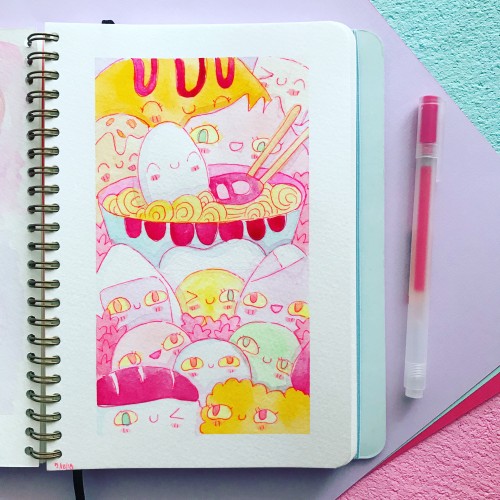
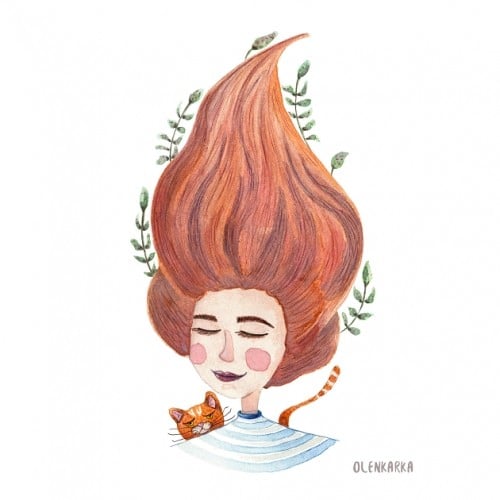
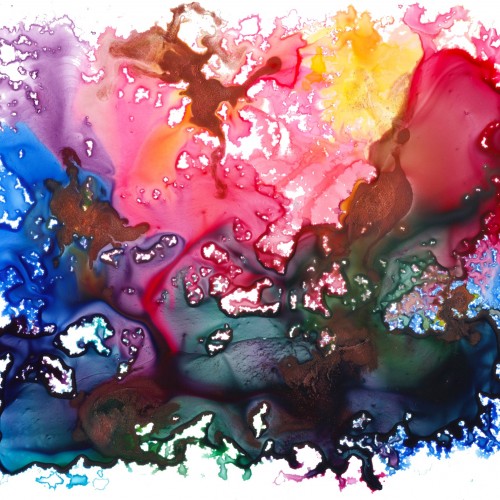
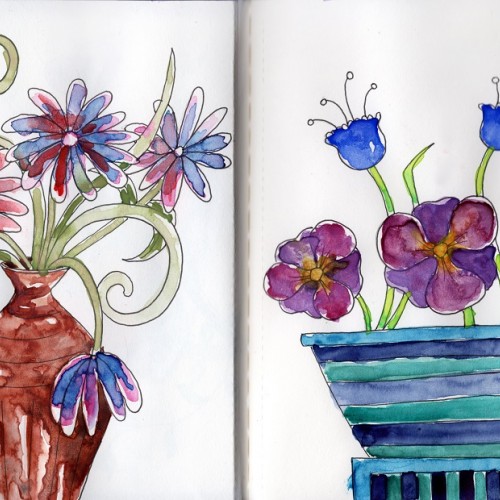
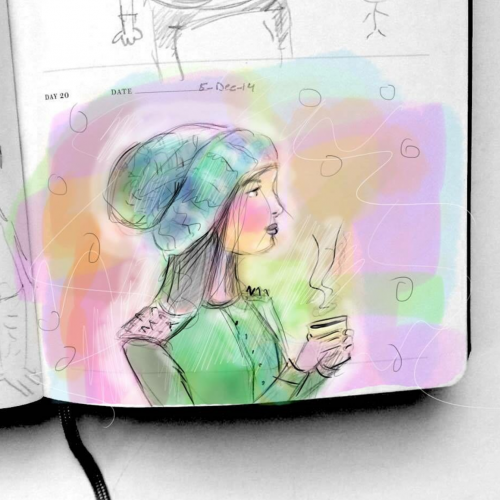
Illustration painted with watercolors and outlined with pink pen. The borders were achieved with washi tape (low tack and unlikely to tear up your paper.)
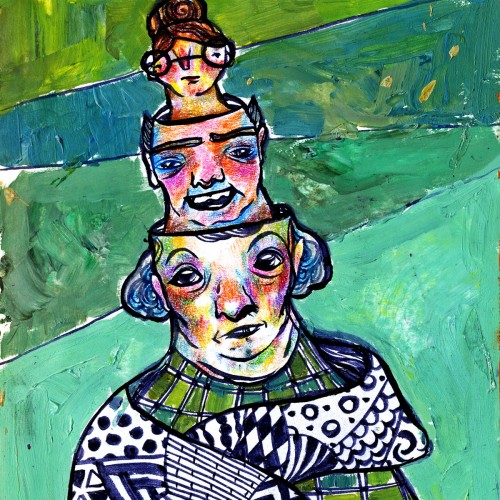
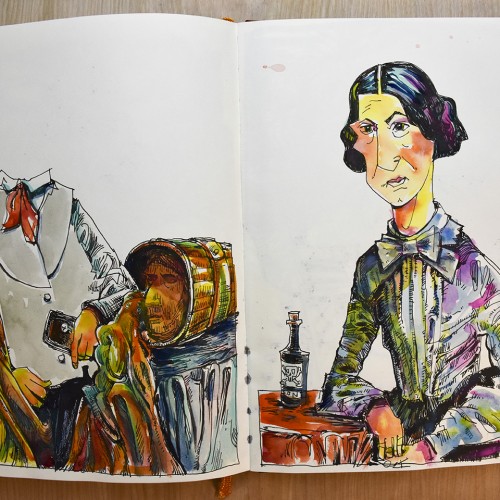
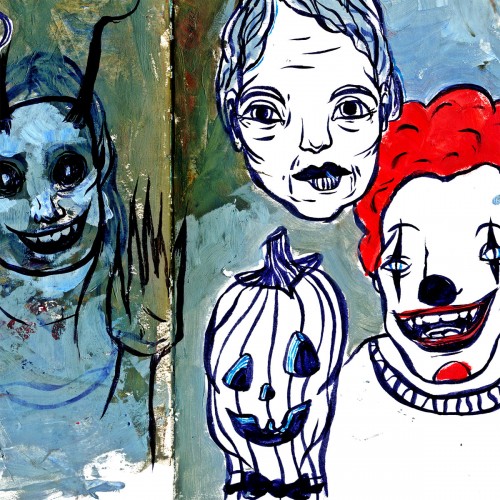
I love how these nesting dolls came out. I'm also into the Dakota Fanning inspired piece on the left. Dakota's character in The Alienist is a lot of fun. I'm glad she seems to have come out of child acting fairly unscathed. We don't hear a lot of stories of her gallavanting around LA, thieving & putting substances up her schnoz. That's a pleasant change of pace for a celebrity.
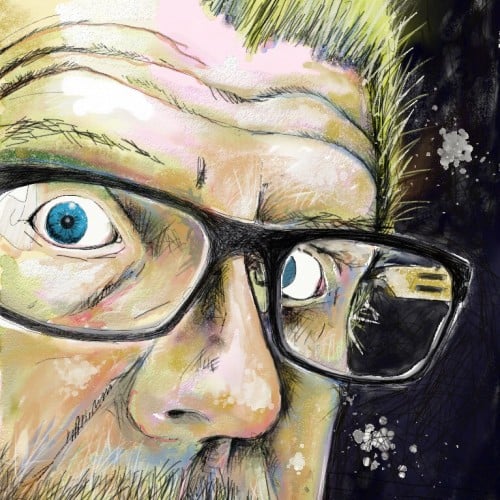
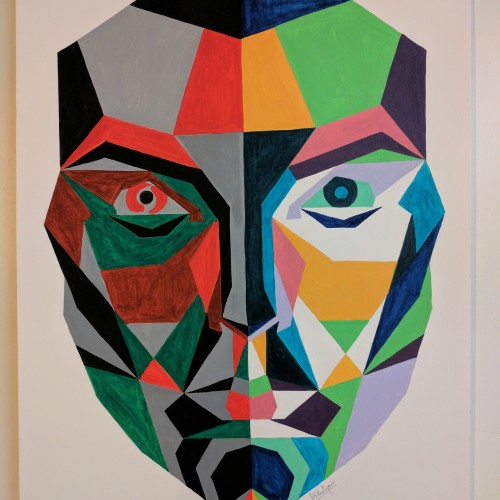
13 young, Indian adults, struggling with mental health issues, explained what colour represented her/his fear and which represented hope/happiness. The left half of the face has all the colours associated with fear, while the right shows hope/happiness.