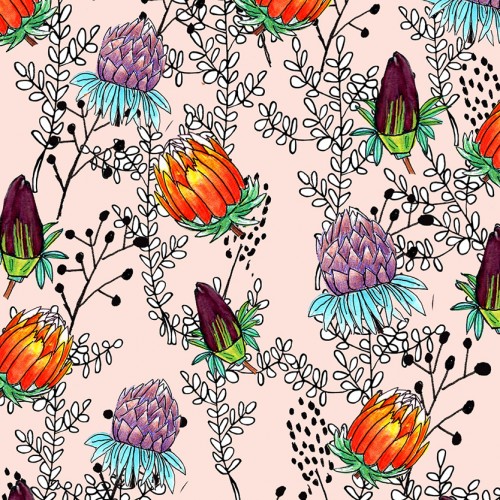
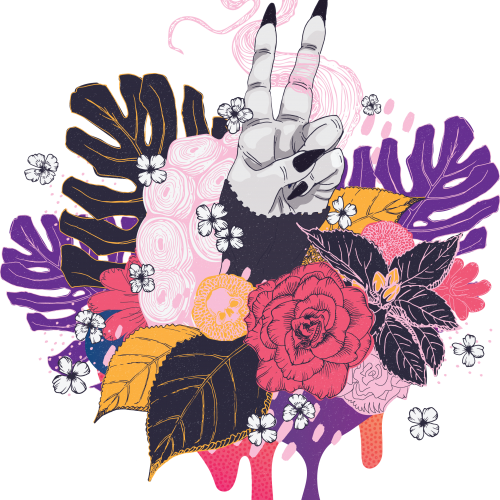
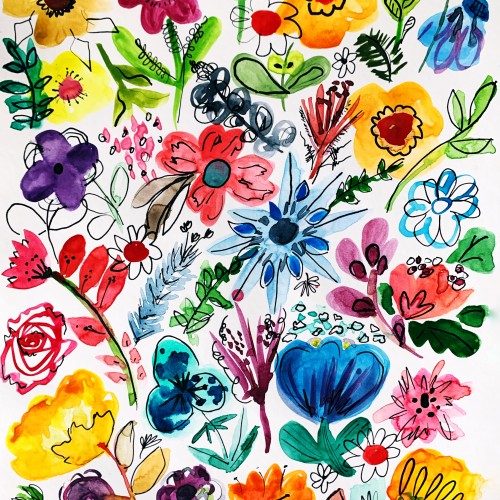
The Super Bloom is still going in SoCal! On the trail are poppies, daisies, alyssum and now the mustard grass is in bloom. My process was an iPhone photo, then a drawing with color and then collage in Photoshop.
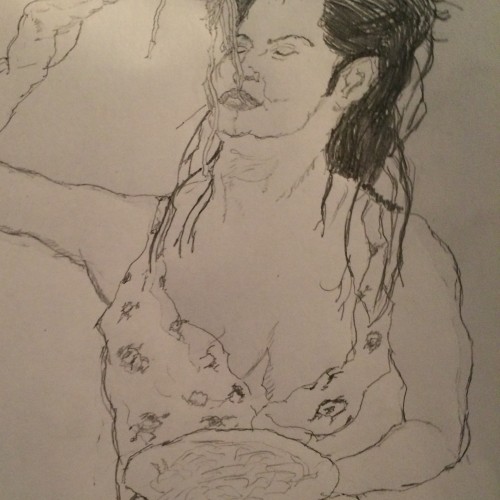
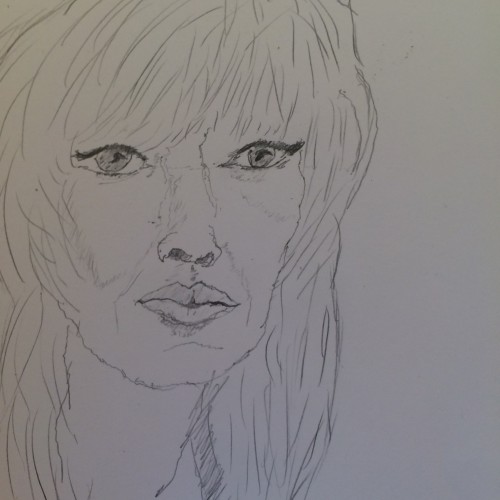
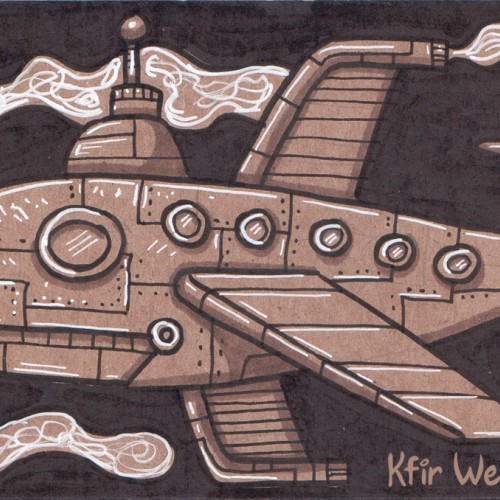
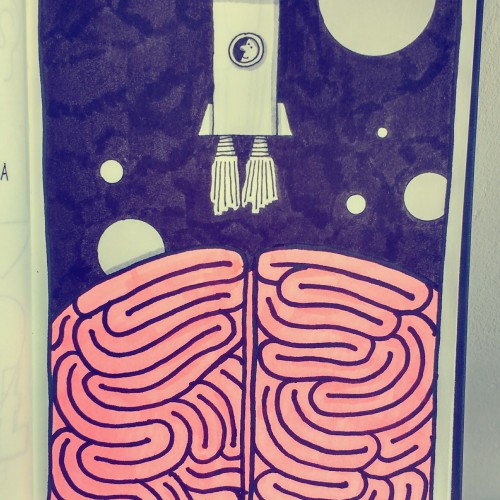
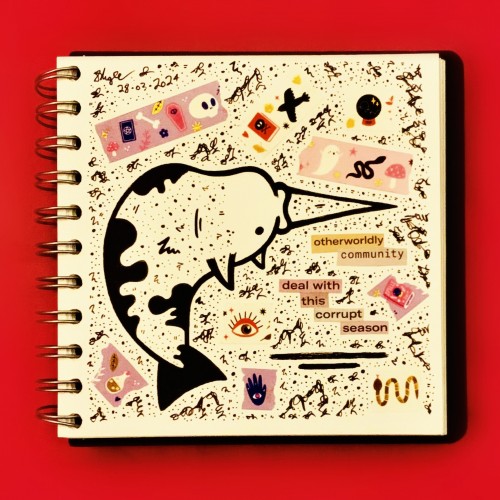
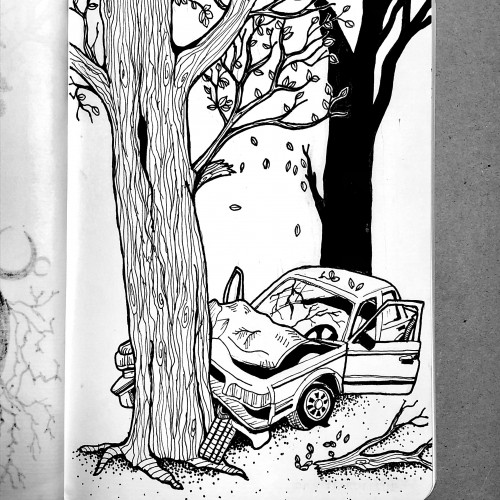
Started with an idea this morning but not really a plan so I'm not 100% where this one is going but I have certainly had fun getting it to this point, looking forward to getting stuck into it again tomorrow.
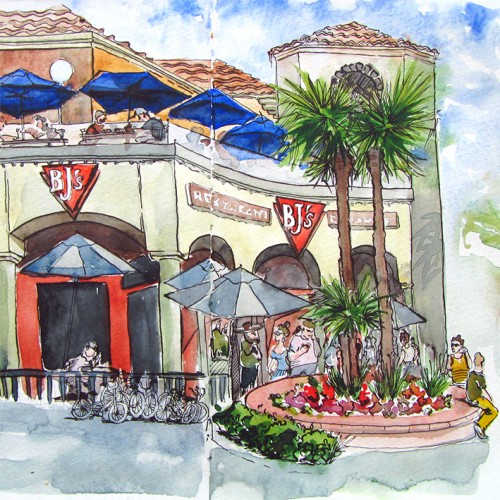
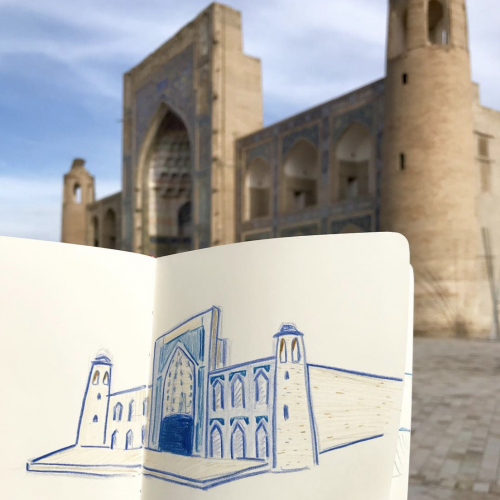
I travelled around Uzbekistan for two weeks during easter. It is definitely one of the most interesting and beautiful countries I have travelled in. These are some of the urban sketches from my travel sketchbook, of some of the most famous buildings in the different cities of Uzbekistan. I would LOVE to hear what you guys think.
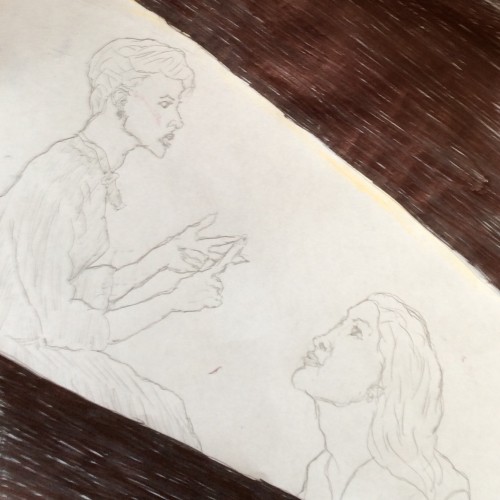
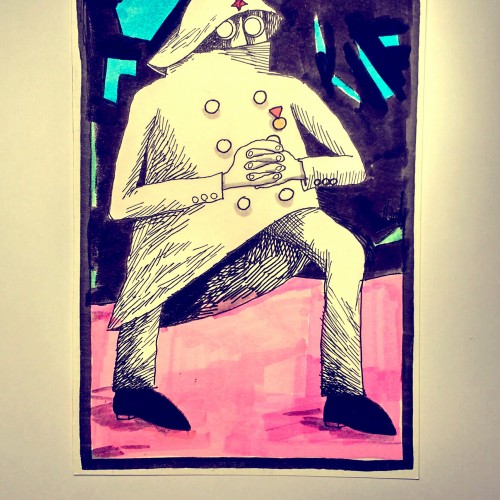
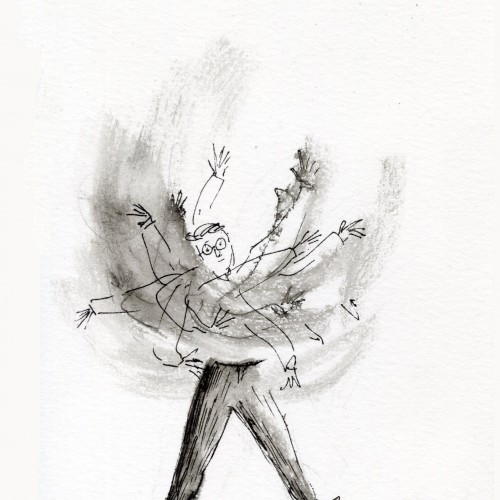
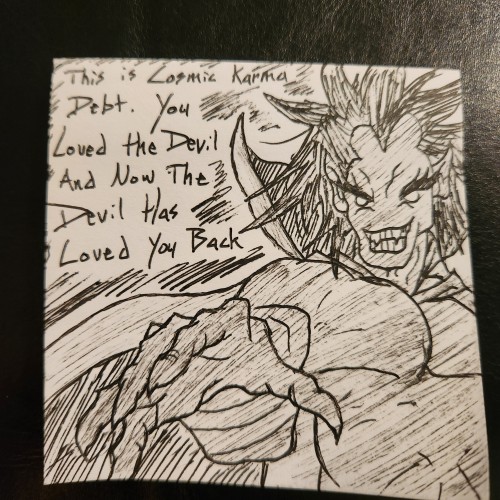
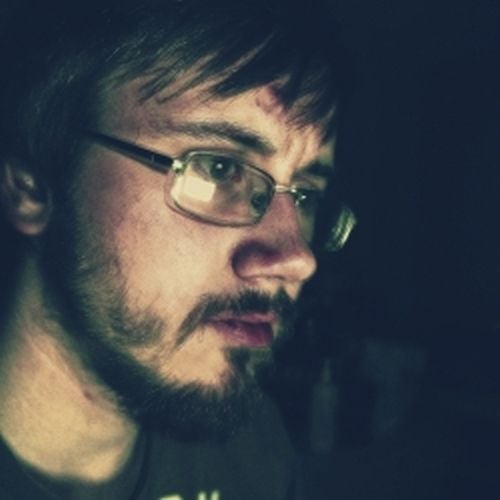
Dmitry Shostakovich (1906–1975)
Shostakovich’s contemporaries do not recall seeing him working, at least not in the traditional sense. The Russian composer was able to conceptualize a new work entirely in his head, and then write it down with extreme rapidity—if uninterrupted, he could average twenty or thirty pages of score a day, making virtually no corrections as he went.
But this feat was apparently preceded by hours or days of mental composition—during which he “appeared to be a man of great inner tensions,” the musicologist Alexei Ikonnikov observed, “with his continually moving, ‘speaking’ hands, which were never at rest.”
Shostakovich himself was afraid that perhaps he worked too fast. “I worry about the lightning speed with which I compose,” he confessed in a letter to a friend. Undoubtedly this is bad. One shouldn’t compose as quickly as I do. Composition is a serious process, and in the words of a ballerina friend of mine, “You can’t keep going at a gallop.” I compose with diabolical speed and can’t stop myself.… It is exhausting, rather unpleasant, and at the end of the day you lack any confidence in the result. But I can’t rid myself of the bad habit.
- From Daily Rituals: How Artists Work by Mason Currey
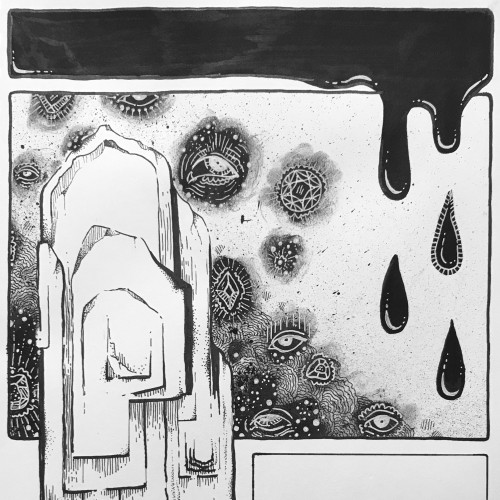
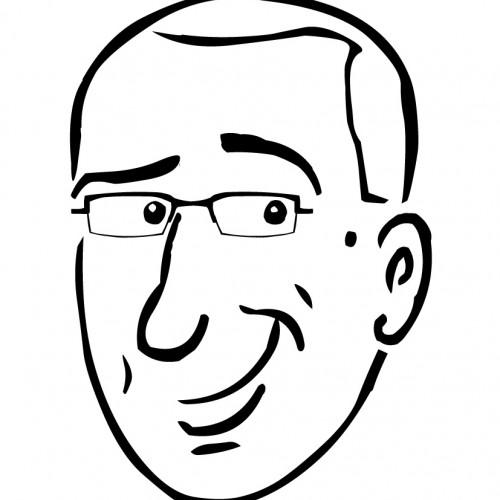
#dailyrituals #inktober #shostakovich @masoncurrey
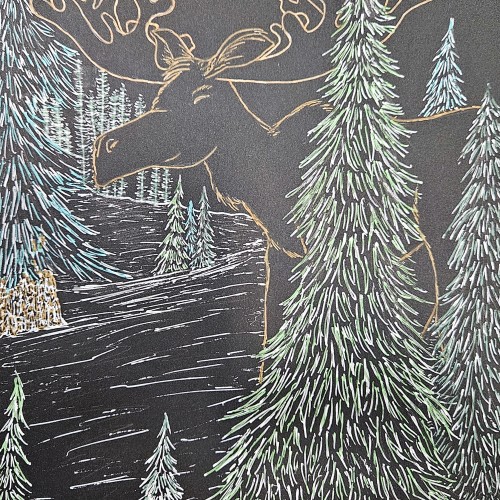
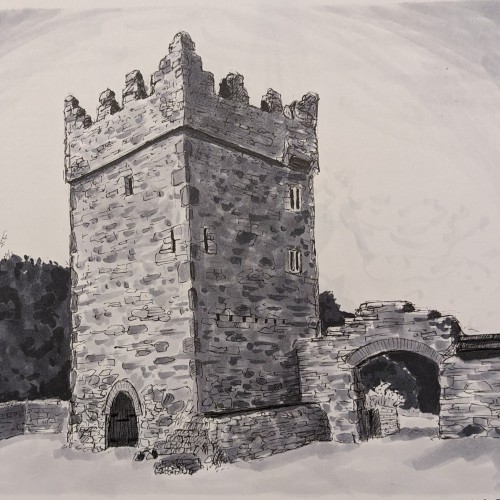
Freehand sketching in ink from a photo reference I found online, to practice conveying that lots-of-stones look without drawing all the stones (photo credit: K. Mitch Hodge). Micron pens + alcohol markers.