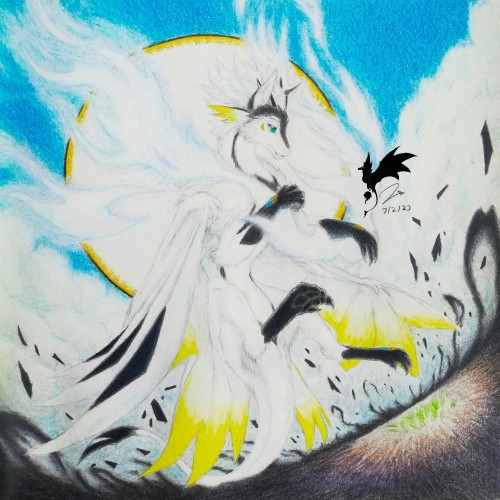
This piece was made 2 months into starting drawing. A symbolic surge of creativity and inspiration as the veil was broken down. This can be considered a personal milestone.
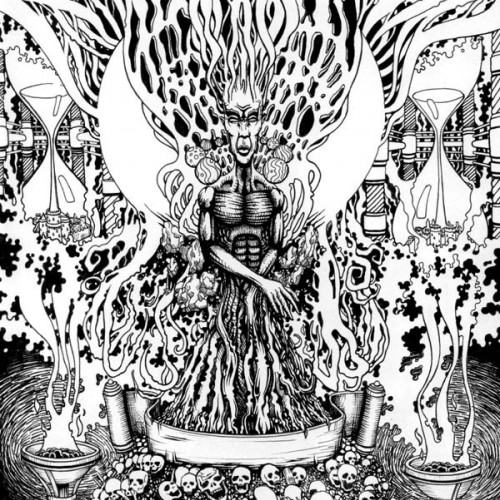
This striking black and white ink drawing personifies Time as a dark entity surrounded by flying souls. A half moon hovers between two hourglasses, symbolizing the passage of time, while smoke billows from two pit fires below. The scene is grounded by skulls and bones, emphasizing the theme of mortality. The artwork is elegantly framed in a gothic style, enhancing its surreal atmosphere and dark symbolism, inviting viewers to reflect on the inevitability of time and its impact on existence.
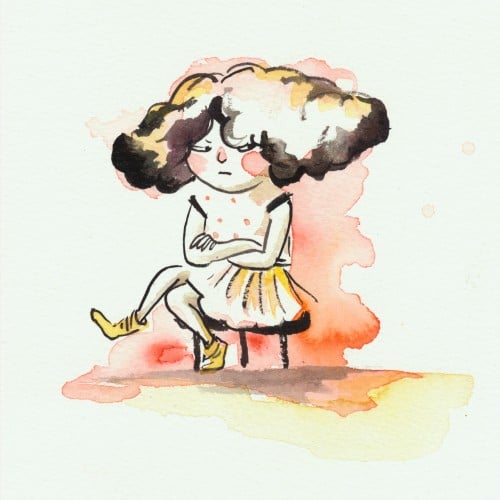
para el día 23 de Inktober hoy toca a oxido
para este día se me ocurrió dibujar a doris-1 quién durante todo el tiempo que estuvo abandonada en Bosque Ágata se empezó a oxidar un poco su capa exterior de pintura.
°”Ŕₒɞₒ
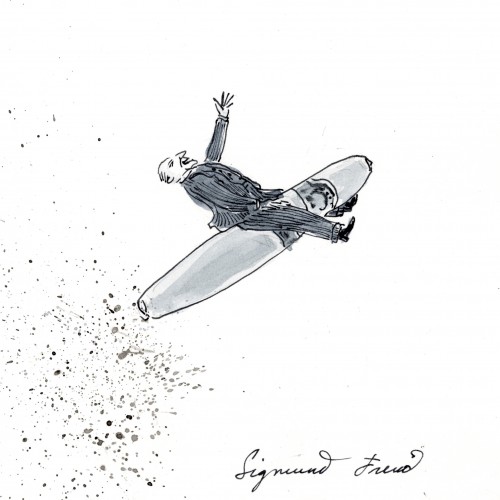
Sigmund Freud (1856–1939)
“I cannot imagine life without work as really comfortable,” Freud wrote to a friend in 1910. With his wife, Martha, to efficiently manage the household—she laid out Freud’s clothes, chose his handkerchiefs, and even put toothpaste on his toothbrush—the founder of psychoanalysis was able to maintain a single-minded devotion to his work throughout his long career.
Freud’s long workdays were mitigated by two luxuries. First, there were his beloved cigars, which he smoked continually, going through as many as twenty a day from his mid-twenties until near the end of his life, despite several warnings from doctors and the increasingly dire health problems that dogged him throughout his later years. (When his seventeen-year-old nephew once refused a cigarette, Freud told him,
From Daily rituals by Mason Currey
#dailyrituals #inktober #sigmundFreud @masoncurrey
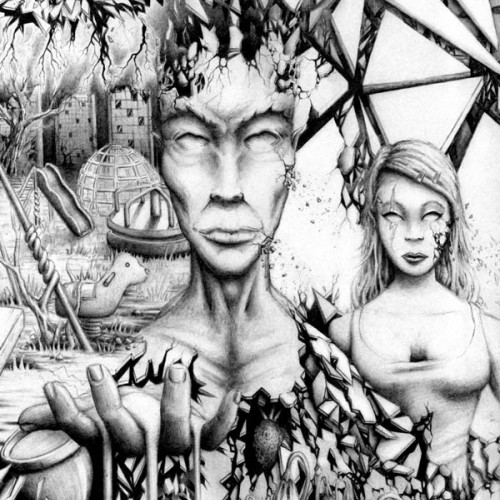
This poignant black and white pencil and ink drawing captures the essence of a dark, broken man with sand slipping through his fingers, symbolizing the passage of time and lost hopes. A hole in his chest reveals his heart, while beside him stands a similarly broken woman. In the foreground, withered flowers and a shattered hourglass accentuate the theme of decay and loss. The background features a forgotten playground, representing the loss of innocence, and a swirling vortex with lightning in the sky that engulfs the man's illusion of reality. This artwork speaks to the emotional turmoil and fragility of the human experience.
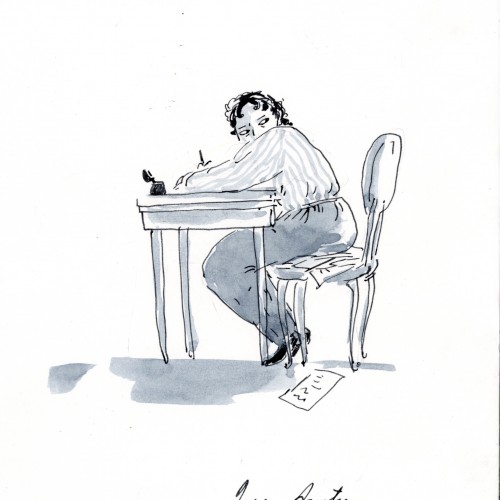
Jane Austen (1775–1817)
Austen never lived alone and had little expectation of solitude in her daily life. Her final home, a cottage in the village of Chawton, England, was no exception: she lived there with her mother, her sister, a close friend, and three servants, and there was a steady stream of visitors, often unannounced.
...
Austen wrote in the family sitting room, “subject to all kinds of casual interruptions,” her nephew recalled. She was careful that her occupation should not be suspected by servants, or visitors, or any persons beyond her own family party. She wrote upon small sheets of paper which could easily be put away, or covered with a piece of blotting paper. There was, between the front door and the offices, a swing door which creaked when it was opened; but she objected to having this little inconvenience remedied, because it gave her notice when anyone was coming.
“Composition seems to me impossible with a head full of joints of mutton & doses of rhubarb.”
From Daily rituals by Mason Currey
#dailyrituals #inktober #janeAusten @masoncurrey
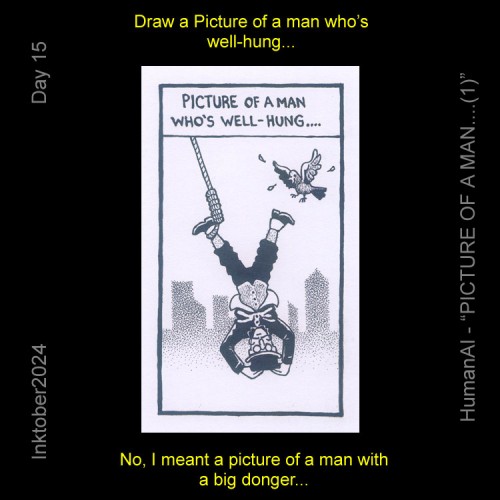
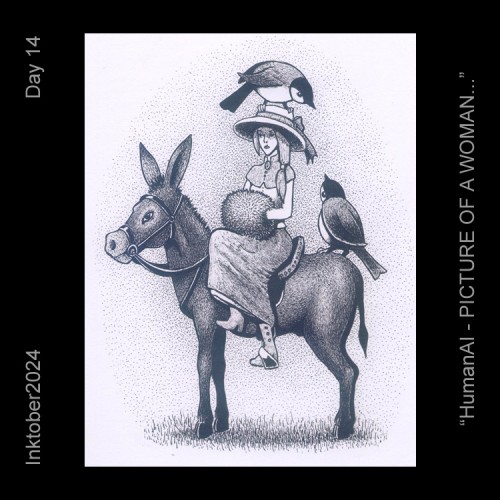
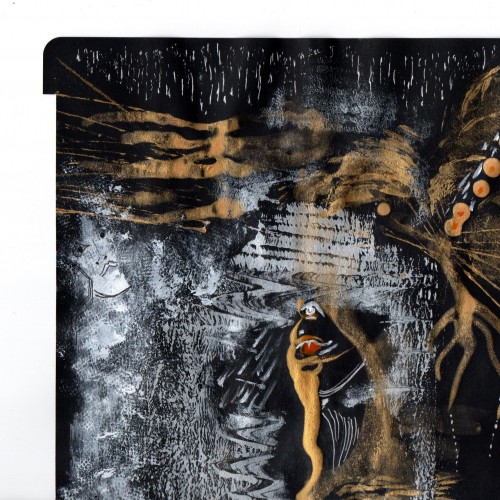
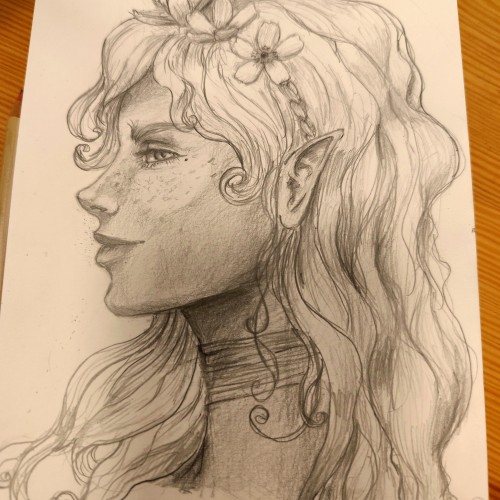
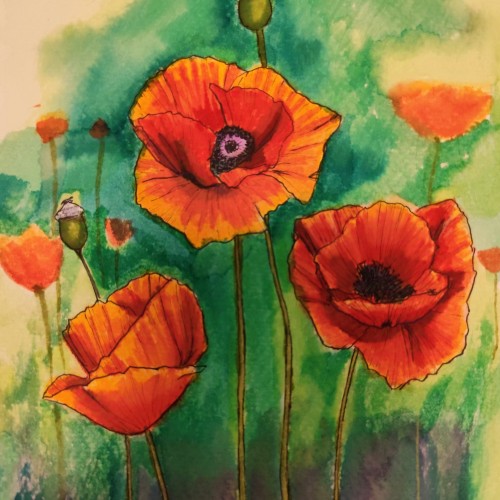
(Gel Fineliner on A5 paper) There are four of these. Done as if imitating a crude AI. You can probably guess what the next one and the other two are like.
(Gel Fineliner on A5 Paper) "HumanAI" meaning taking the role of a basic AI and drawing a picture from a prompt, but not getting the result intended. From the image, you might be able to guess what was requested ;P