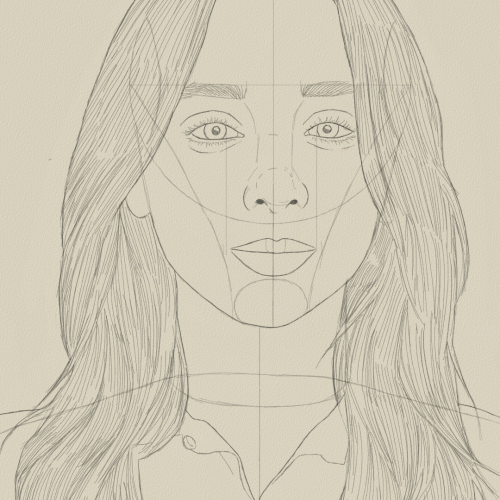
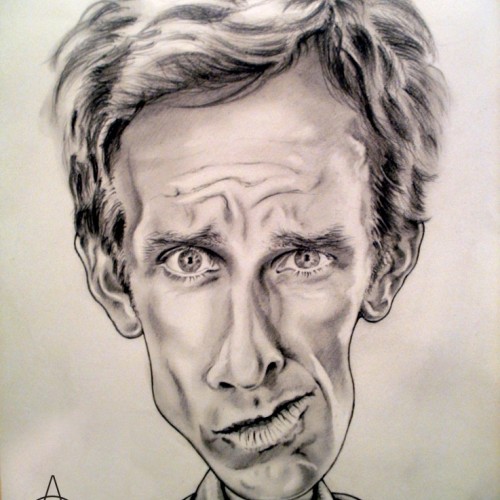
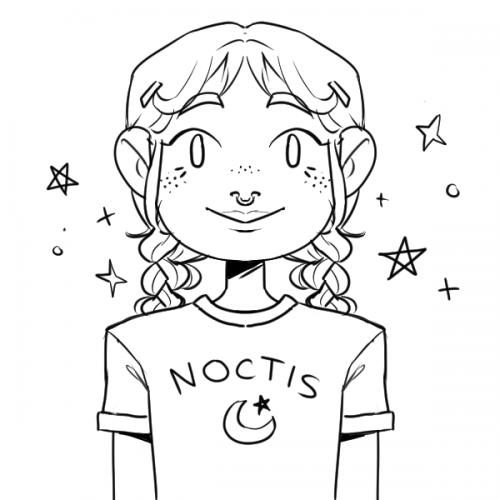
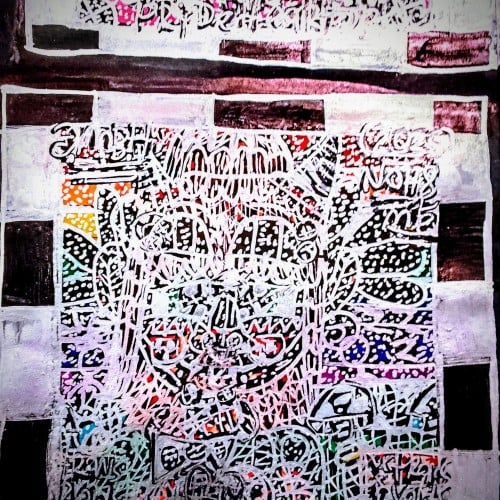
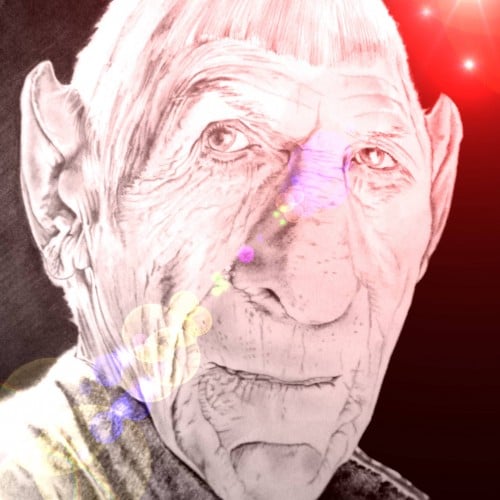
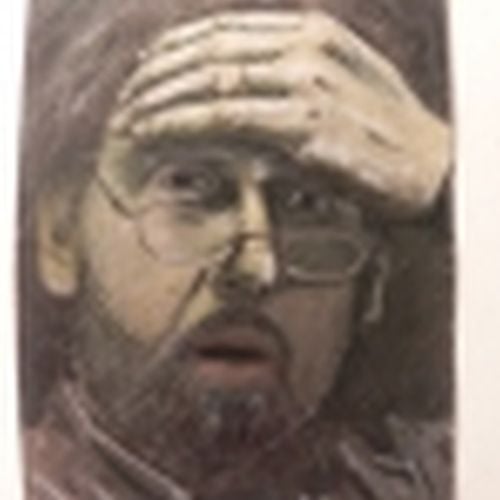
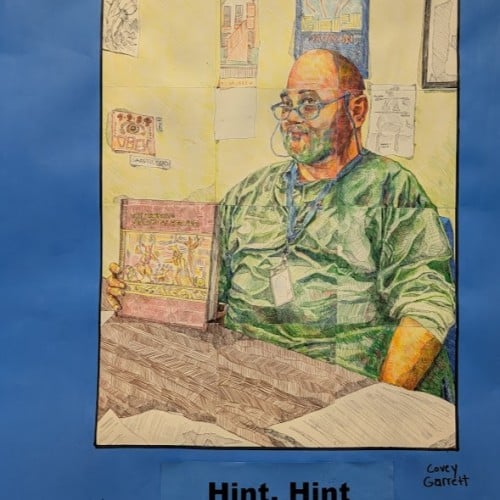
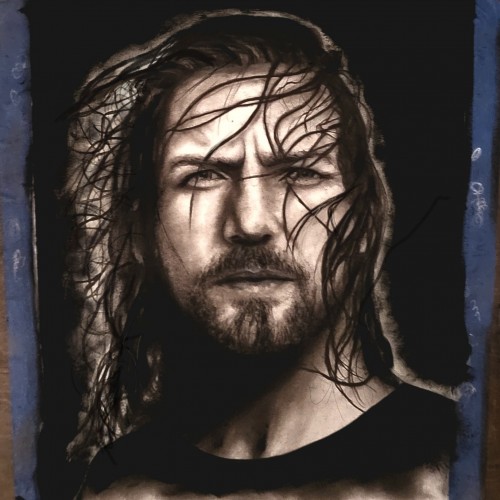
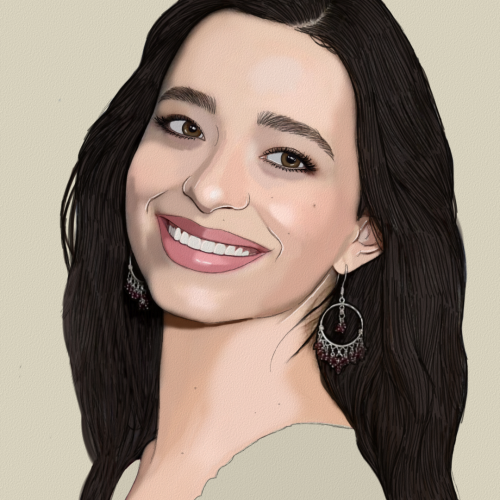
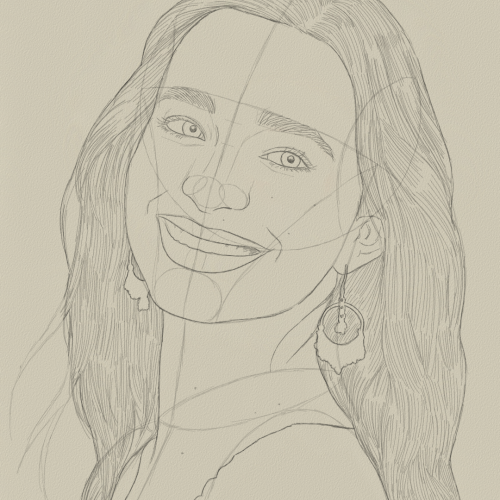
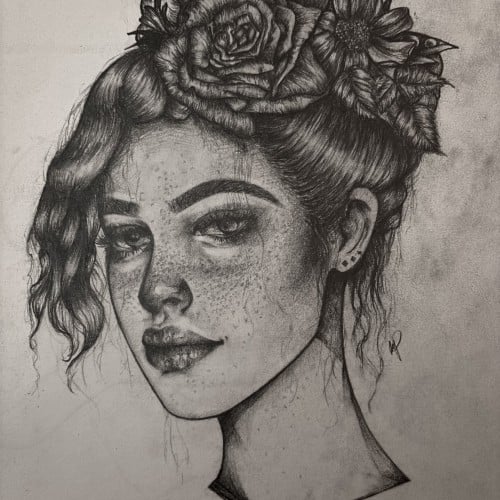
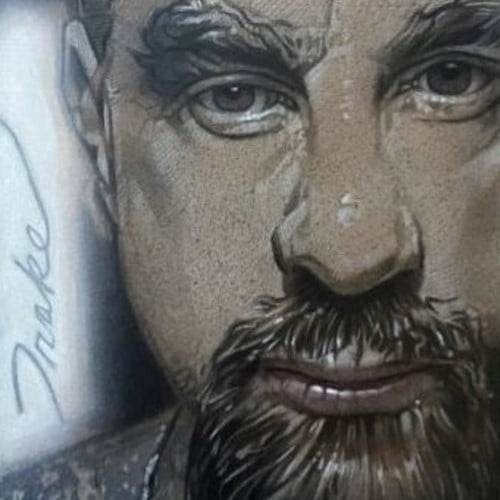
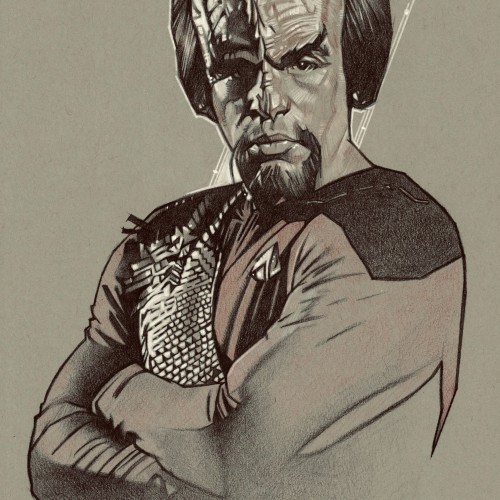
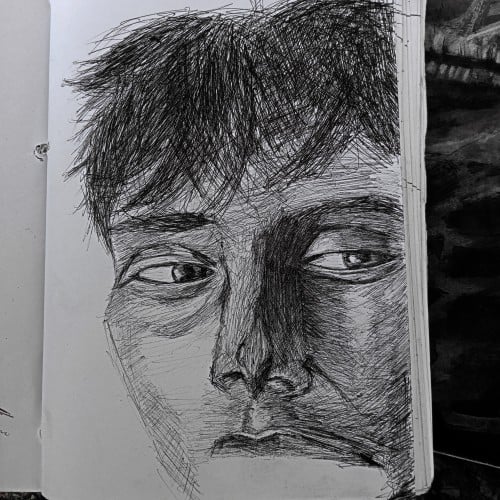
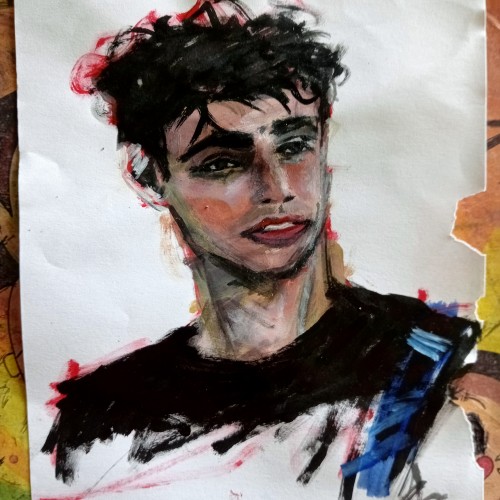
This portrait of Mr. Joshua Anderson—our resident Shakespeare whisperer—was drawn by student artist Covey Garrett as part of a school-wide tribute to our teachers. Students photographed, gridded, and drew 18x24” posters of their teachers, each paired with a favorite catchphrase. Mr. Anderson’s? A classic:
“Hint, hint. Wink, wink. Nudge, nudge.”
We think the Bard would approve.
"All the world's a stage, and all the men and women merely teachers..."
(okay, we may have paraphrased a bit).
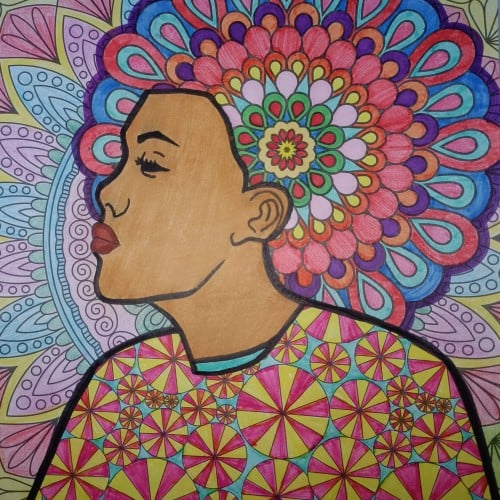
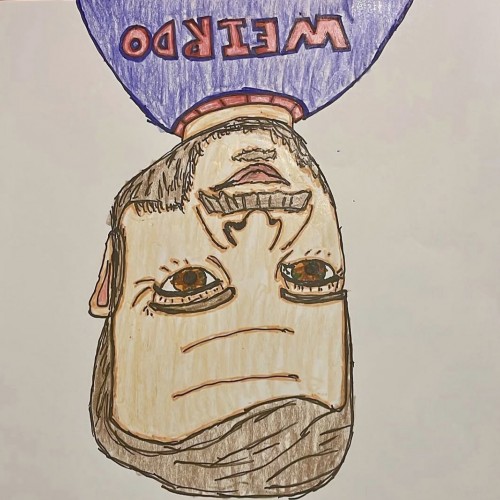
Sometimes, a good goodbye is also a fresh hello.
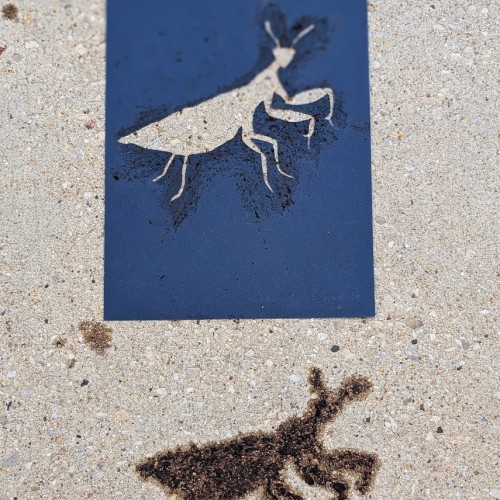
As we wrapped up our "Sacred Spaces" paintings, I asked our student teacher to design a one-day project—something playful, earthy, and engaging to ease the class into her care. She brought mud. Literally.
Using mud and simple stencils, students pressed images—flowers, insects, wings—onto the sidewalk behind our school. There's something timeless about making marks with the ground itself. It felt ancient and immediate at the same time.
These prints won’t last long, but maybe that’s the point. A fleeting image, a shared laugh, a new hand guiding the next phase of learning.
Art is about making marks. Not all of them need to be permanent.
Mark Twain (1835–1910)
In the 1870s and ’80s, the Twain family spent their summers at Quarry Farm in New York, about two hundred miles west of their Hartford, Connecticut, home. Twain found those summers the most productive time for his literary work, especially after 1874, when the farm owners built him a small private study on the property. That same summer, Twain began writing The Adventures of Tom Sawyer. His routine was simple: he would go to the study in the morning after a hearty breakfast and stay there until dinner at about 5:00. Since he skipped lunch, and since his family would not venture near the study—they would blow a horn if they needed him—he could usually work uninterruptedly for several hours. “On hot days,” he wrote to a friend, “I spread the study wide open, anchor my papers down with brickbats, and write in the midst of the hurricane, clothed in the same thin linen we make shirts of.”
Whether or not he was working, he smoked cigars constantly. One of his closest friends, the writer William Dean Howells, recalled that after a visit from Twain, “the whole house had to be aired, for he smoked all over it from breakfast to bedtime.”
- From Daily Rituals: How Artists Work by Mason Currey
“Everyone is a moon, and has a dark side which he never shows to anybody.”
― Mark Twain
#dailyrituals #inktober #MarkTwain @masoncurrey
Pyotr Ilich Tchaikovsky (1840–1893)
At 9:30, Tchaikovsky set to work—composing at the piano only after he had dealt with any proofs or his correspondence, chores that he disliked. “Before setting about the pleasant task,” his brother noted, “Pyotr Ilich always hastened to get rid of the unpleasant.”
After lunch he went for a long walk, regardless of the weather. His brother writes, “Somewhere at sometime he had discovered that a man needs a two-hour walk for his health, and his observance of this rule was pedantic and superstitious, as though if he returned five minutes early he would fall ill, and unbelievable misfortunes of some sort would ensue.”
- From Daily Rituals: How Artists Work by Mason Currey
“Truly there would be reason to go mad were it not for music.”
― Peter Ilyich Tchaikovsky
“If you do not want to write, at least spit on a piece of paper, put it in an envelope, and send it to me. You are not taking any notice of me at all. God forgive you – all I wanted was a few words from you.”
― Pyotr Ilyich Tchaikovsky
#dailyrituals #inktober #PeterTchaikovsky @masoncurrey
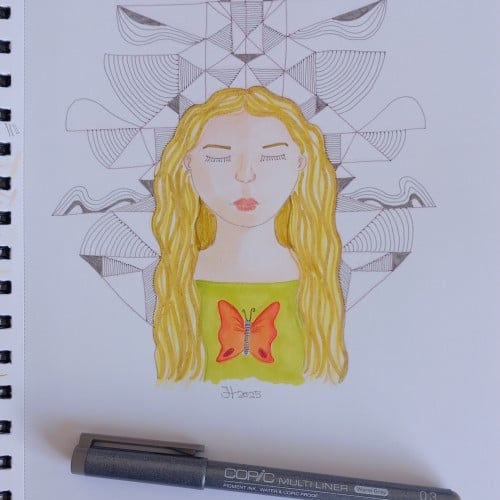
Herman Melville (1819–1891)
"I rise at eight—thereabouts—& go to my barn—say good-morning to the horse, & give him his breakfast. (It goes to my heart to give him a cold one, but it can’t be helped.) Then, pay a visit to my cow—cut up a pumpkin or two for her, & stand by to see her eat it—for it’s a pleasant sight to see a cow move her jaws—she does it so mildly & with such a sanctity."
- From Daily Rituals: How Artists Work by Mason Currey
“I would prefer not to.”
― Herman Melville, Bartleby the Scrivener
“A smile is the chosen vehicle of all ambiguities.”
― Herman Melville, Pierre; or, The Ambiguities
#dailyrituals #inktober #HermanMelville @masoncurrey