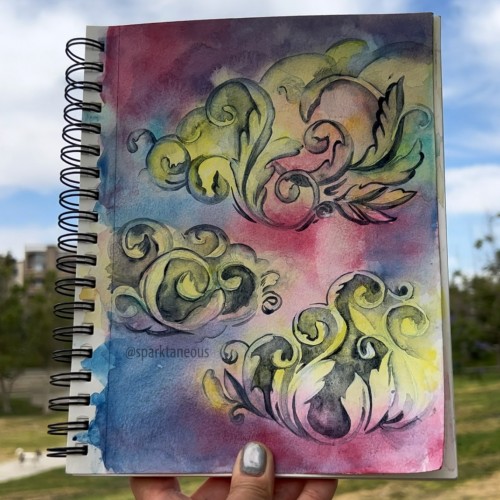
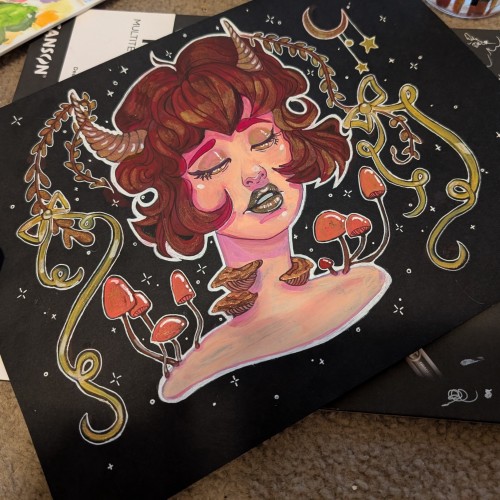
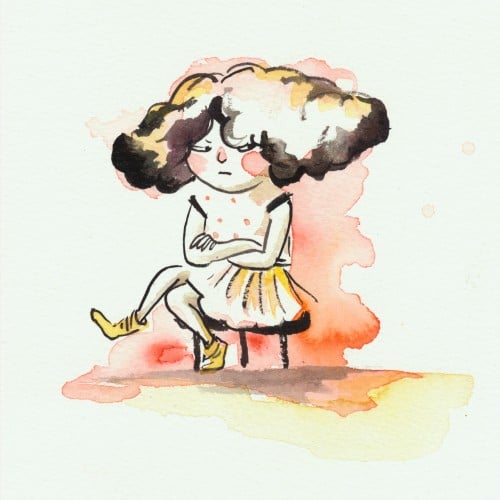
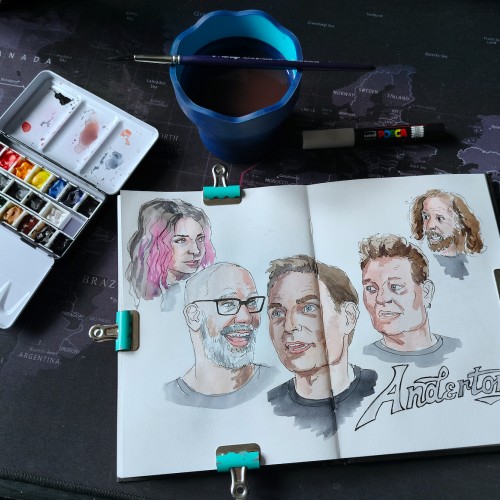
Watercolor plein air painting but my painting subject of decorative flourishes portray the vibe of this park:
Relaxing ASMR sounds of barking dogs, screaming children, and screeching parrots.
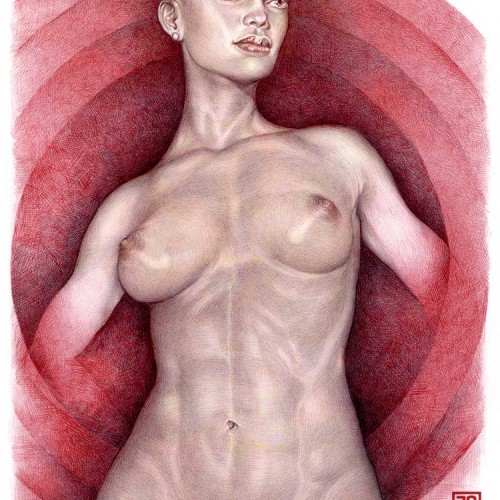
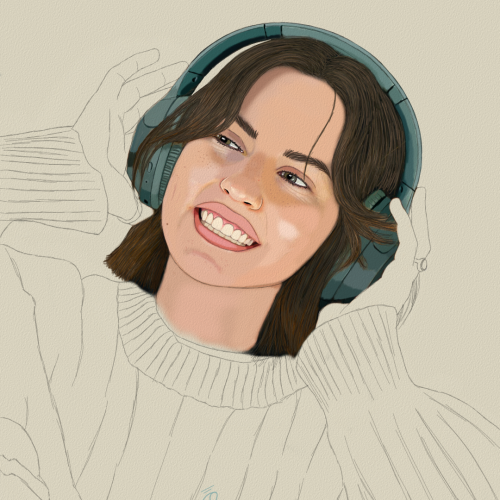
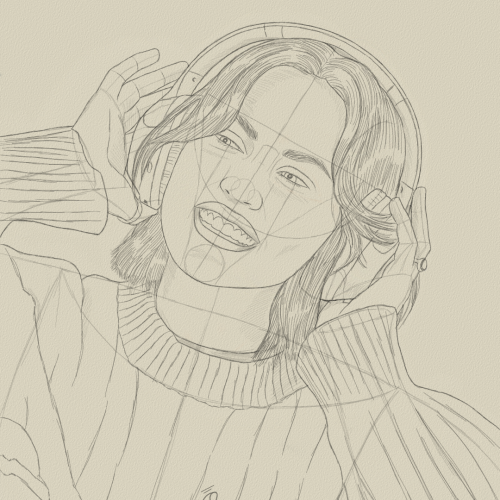
Model with Headphones Portrait Art by Oz Galeano
Instagram:
https://www.instagram.com/arte_ozgaleano/
Comissions:
https://www.fiverr.com/s/6WzyVL
Donations:
https://www.paypal.com/paypalme/ozgaleano
Youtube:
https://www.youtube.com/@OzGaleano?sub_confirmation=1
Patreon:
https://www.patreon.com/Ozgaleano
Shop:
https://www.inprnt.com/gallery/ozgaleano/
TIK TOK:
https://www.tiktok.com/@oz_galeano
Behance:
https://www.behance.net/ozgaleano
KO-FI:
https://ko-fi.com/ozgaleano/commissions
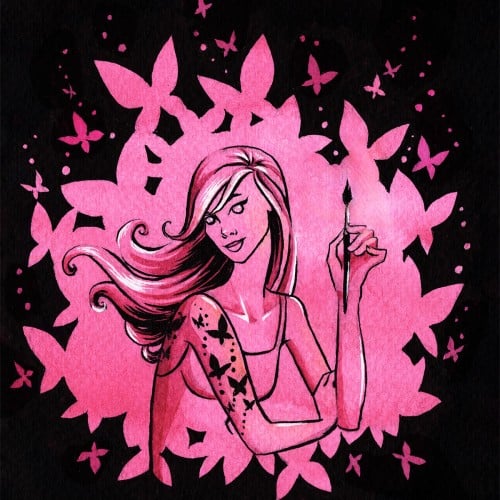
Model with Headphones Portrait Color Sketch by Oz Galeano
Instagram:
https://www.instagram.com/arte_ozgaleano/
Comissions:
https://www.fiverr.com/s/6WzyVL
Donations:
https://www.paypal.com/paypalme/ozgaleano
Youtube:
https://www.youtube.com/@OzGaleano?sub_confirmation=1
Patreon:
https://www.patreon.com/Ozgaleano
Shop:
https://www.inprnt.com/gallery/ozgaleano/
TIK TOK:
https://www.tiktok.com/@oz_galeano
Behance:
https://www.behance.net/ozgaleano
KO-FI:
https://ko-fi.com/ozgaleano/commissions
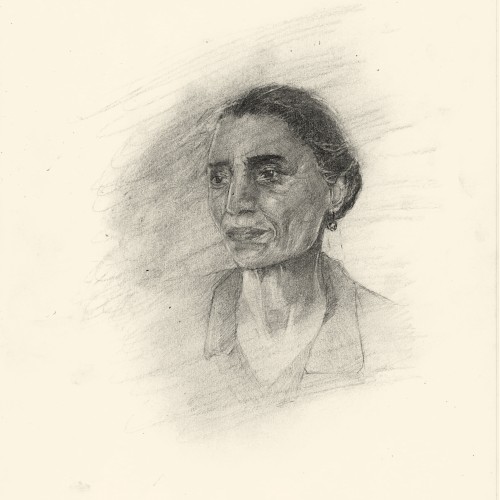
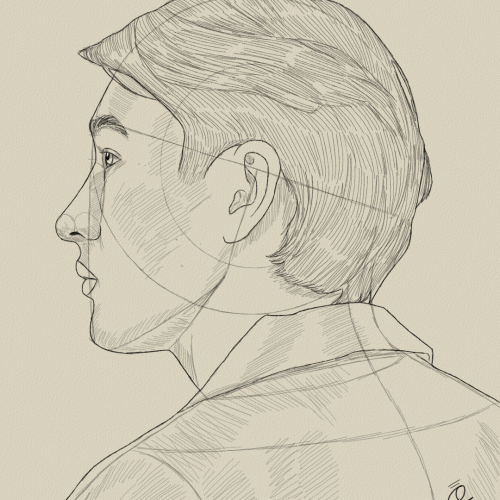
Model with Headphones Drawing Sketch Study by Oz Galeano
Instagram:
https://www.instagram.com/arte_ozgaleano/
Comissions:
https://www.fiverr.com/s/6WzyVL
Donations:
https://www.paypal.com/paypalme/ozgaleano
Youtube:
https://www.youtube.com/@OzGaleano?sub_confirmation=1
Patreon:
https://www.patreon.com/Ozgaleano
Shop:
https://www.inprnt.com/gallery/ozgaleano/
TIK TOK:
https://www.tiktok.com/@oz_galeano
Behance:
https://www.behance.net/ozgaleano
KO-FI:
https://ko-fi.com/ozgaleano/commissions
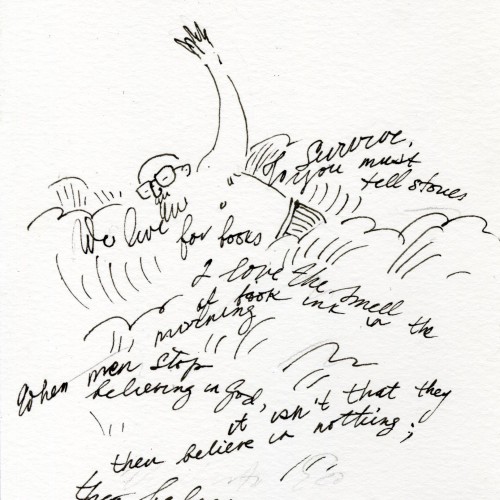
Umberto Eco (b. 1932)
Eco says that he is able to be productive during the brief “interstices” in the day. He told The Paris Review’s interviewer: “This morning you rang, but then you had to wait for the elevator, and several seconds elapsed before you showed up at the door. During those seconds, waiting for you, I was thinking of this new piece I’m writing. I can work in the water closet, in the train. While swimming I produce a lot of things, especially in the sea. Less so in the bathtub, but there too.”
- From Daily Rituals: How Artists Work by Mason Currey
“When men stop believing in God, it isn’t that they then believe in nothing: they believe in everything.” ― Umberto Eco
#dailyrituals #inktober #UmbertoEco @masoncurrey
David Lynch (1946-2025)
I like things to be orderly,” Lynch told a reporter in 1990. For seven years I ate at Bob’s Big Boy. I would go at 2:30, after the lunch rush. I ate a chocolate shake and four, five, six, seven cups of coffee—with lots of sugar. And there’s lots of sugar in that chocolate shake. It’s a thick shake. In a silver goblet. I would get a rush from all this sugar, and I would get so many ideas! I would write them on these napkins. It was like I had a desk with paper. “
- From Daily Rituals: How Artists Work by Mason Currey
“I don't think it was pain that made [Vincent Van Gogh] great - I think his painting brought him whatever happiness he had.”
― David Lynch
Thank you for all your amazing art!
#dailyrituals #inktober #DavidLynch #goals @masoncurrey
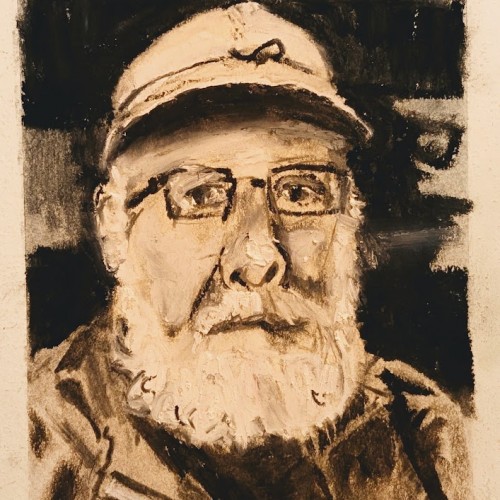
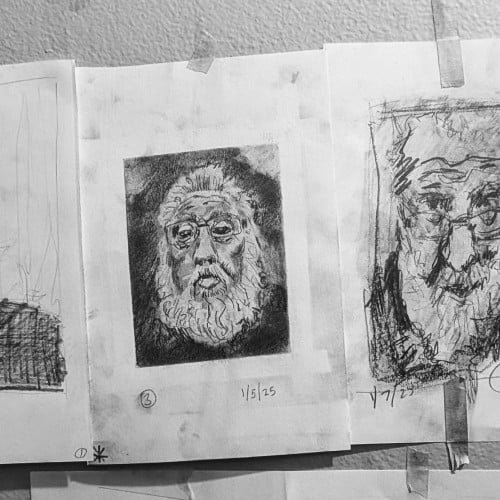
Vine Charcoal and Oil Pastel make for a messy, smudgy experience. A certain amount of messiness can make a process feel more real and human. When things aren’t perfectly polished, it reflects a genuine effort, imperfections, and growth. In personal life, letting go of the need for everything to be tidy can promote a more authentic existence. The hat is a Stormy Chromer. It also evolved out of a mess. More on that later. Peace.
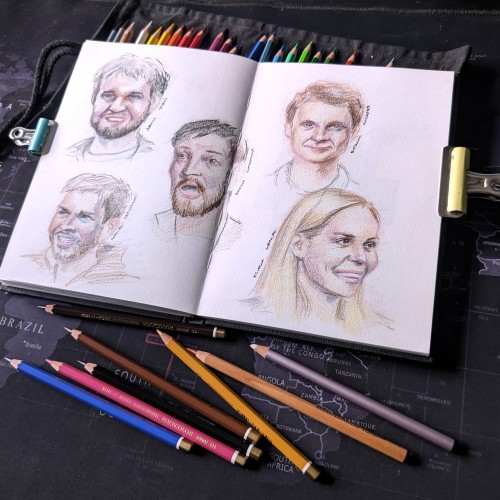
Simple 5 min. drawings
Book 1 = story about why u have your particular name
If u have a story and wanna be drawn plz get in touch
10€ a drawing
Dave +351 969 534 520
https://artdavidmeehan.blogspot.com/p/7.html
https://www.facebook.com/media/set/?set=a.226052820830969&type=3
https://www.instagram.com/artdavidmeehan/
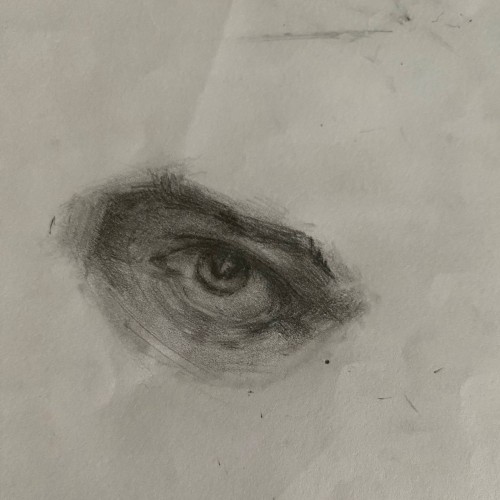
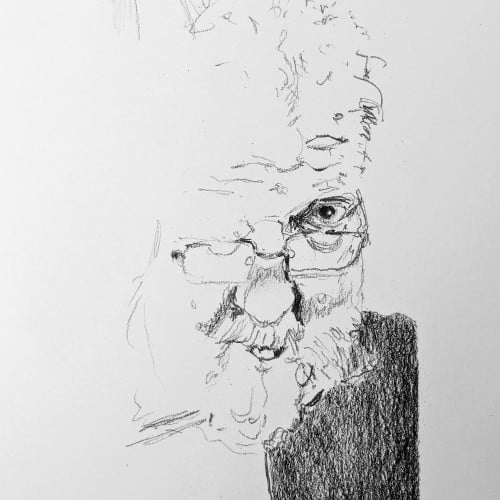
2B pencil focusing on the eye, nose and mouth. The reflection today is a suggestion that we find what we look for, and we see what we want to see. Our family dinners include a sharing time of: 1. Who blessed you today? 2. Who did you bless today? and 3. What are you thankful for? It is suggested by some that if you focus on the abundance, you will not see so much of the lack, but if you focus on the lack, you will not be able to see the abundance so well. This was illustrated by the questions: "How many red cars did you see on the way to work this morning?" My answer was: "No Idea!" It is because I was not looking. If I was being given $100.00 for each red car I spotted, I would have certainly been looking, and maybe even getting creative with the definition of 'red'. What are you looking for? What are you finding?
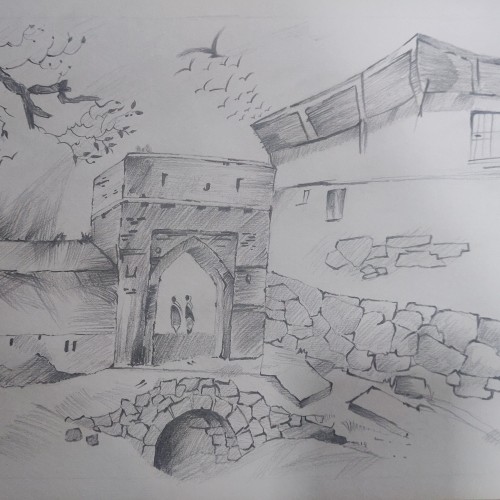
Draped in delicate pencil strokes, this artwork elegantly portrays a historic city gate, standing as a timeless sentry to myriad untold stories. Each shaded contour brings forth the intricate details of the gate's architecture, echoing the urban landscape of a bygone era. The deft use of monochrome evokes a nostalgic journey through the annals of time, where every shadow and highlight adds to the depth and texture of this piece. This mesmerizing blend of artistry and history invites viewers to step into the past and embrace the serene splendor of the city's storied gateway.
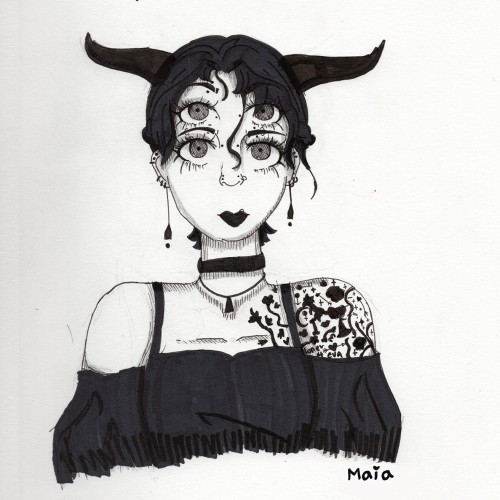
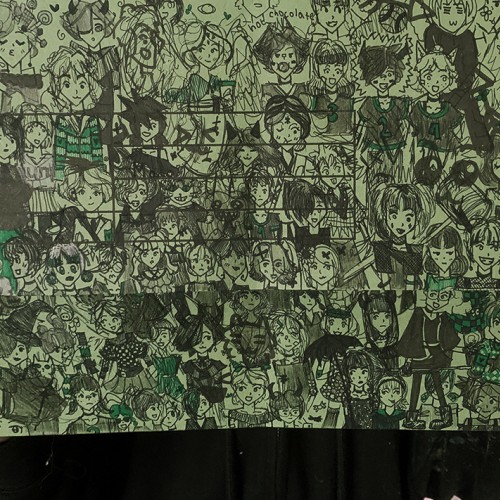
School art. At my previous school, during lessons, I created what I call 'folder art' (doodles on school folders) This particular piece features doodles of girls, celebrating girl power