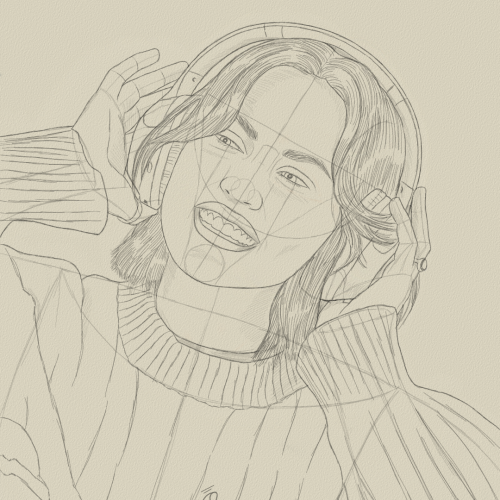
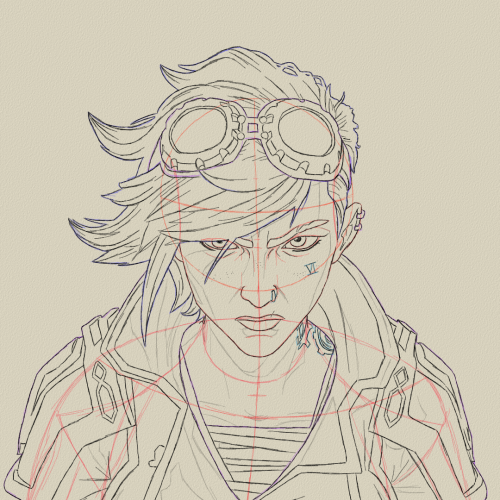
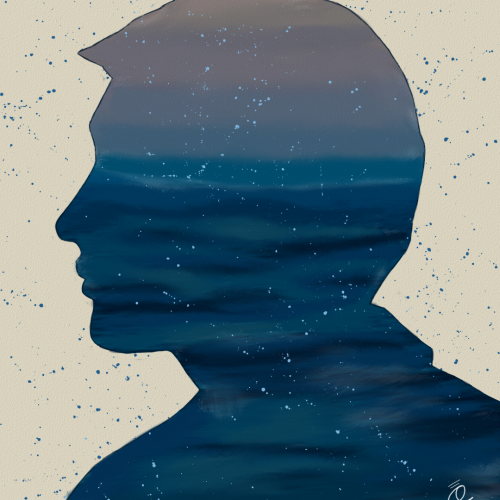
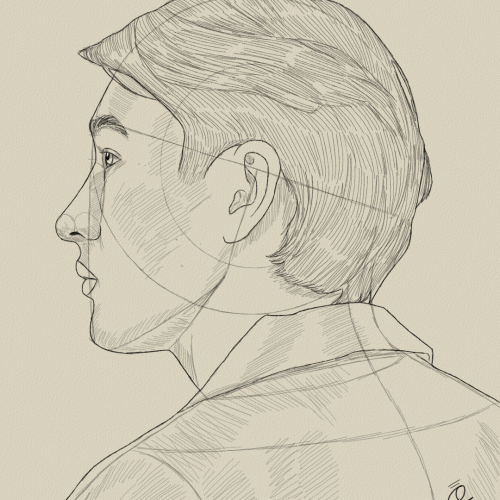
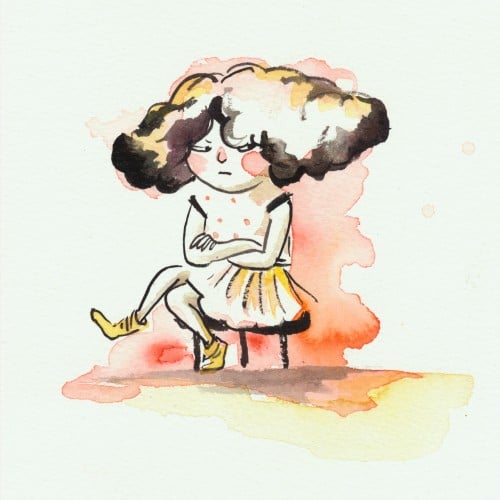
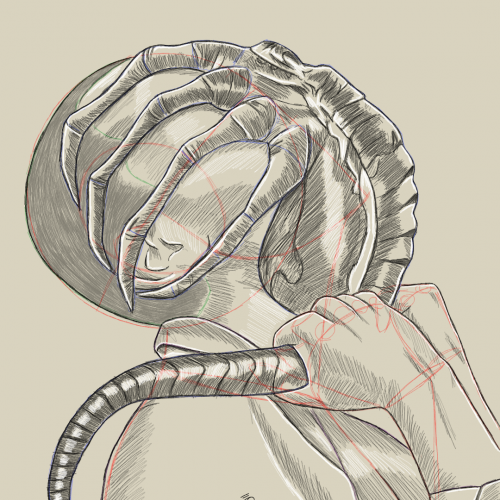
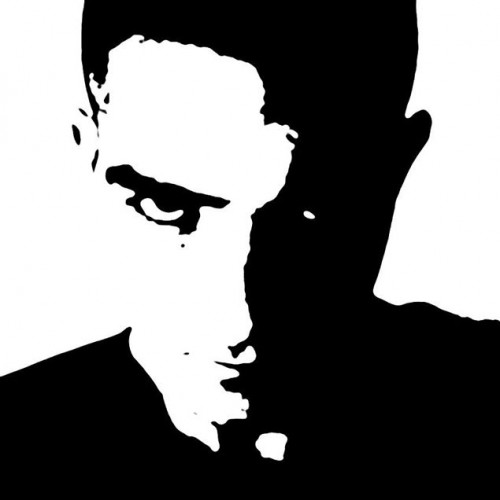
Model with Headphones Drawing Sketch Study by Oz Galeano
Instagram:
https://www.instagram.com/arte_ozgaleano/
Comissions:
https://www.fiverr.com/s/6WzyVL
Donations:
https://www.paypal.com/paypalme/ozgaleano
Youtube:
https://www.youtube.com/@OzGaleano?sub_confirmation=1
Patreon:
https://www.patreon.com/Ozgaleano
Shop:
https://www.inprnt.com/gallery/ozgaleano/
TIK TOK:
https://www.tiktok.com/@oz_galeano
Behance:
https://www.behance.net/ozgaleano
KO-FI:
https://ko-fi.com/ozgaleano/commissions
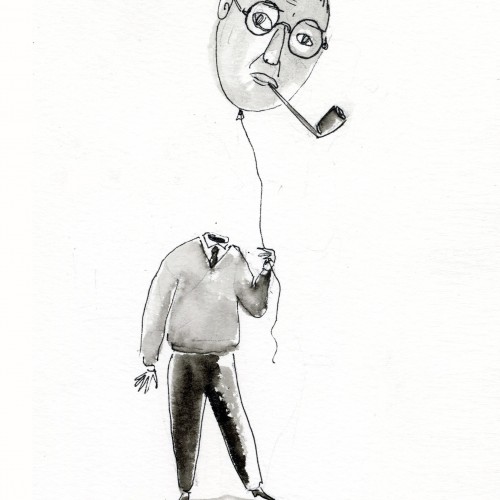
Jean-Paul Sartre (1905–1980)
By the 1950s, too much work on too little sleep—with too much wine and cigarettes—had left Sartre exhausted and on the verge of collapse. Rather than slow down, however, he turned to Corydrane, a mix of amphetamine and aspirin then fashionable among Parisian students, intellectuals, and artists (and legal in France until 1971, when it was declared toxic and taken off the market). The prescribed dose was one or two tablets in the morning and at noon. Sartre took twenty a day, beginning with his morning coffee and slowly chewing one pill after another as he worked. For each tablet, he could produce a page or two of his second major philosophical work, The Critique of Dialectical Reason.
The biographer Annie Cohen-Solal reports, “His diet over a period of twenty-four hours included two packs of cigarettes and several pipes stuffed with black tobacco, more than a quart of alcohol—wine, beer, vodka, whisky, and so on—two hundred milligrams of amphetamines, fifteen grams of aspirin, several grams of barbiturates, plus coffee, tea, rich meals.”
- From Daily Rituals: How Artists Work by Mason Currey
#dailyrituals #inktober #jeanPaulSartre @masoncurrey
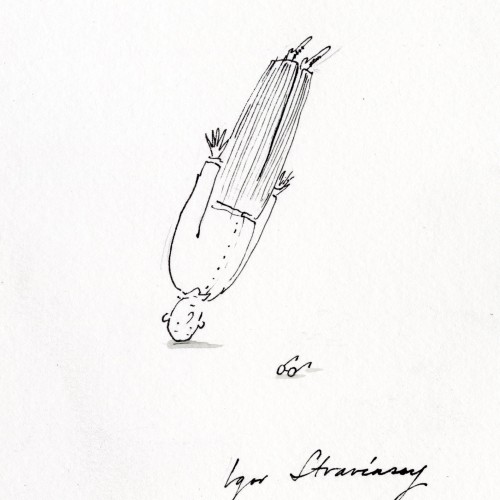
Igor Stravinsky (1882–1971)
“I get up at about eight, do physical exercises, then work without a break from nine till one,” Stravinsky told an interviewer in 1924. Generally, three hours of composition were the most he could manage in a day, although he would do less demanding tasks—writing letters, copying scores, practicing the piano—in the afternoon.
Unless he was touring, Stravinsky worked on his compositions daily, with or without inspiration, he said. He required solitude for the task, and always closed the windows of his studio before he began: “I have never been able to compose unless sure that no one could hear me.” If he felt blocked, the composer might execute a brief headstand, which, he said, “rests the head and clears the brain.”
- From Daily Rituals: How Artists Work by Mason Currey
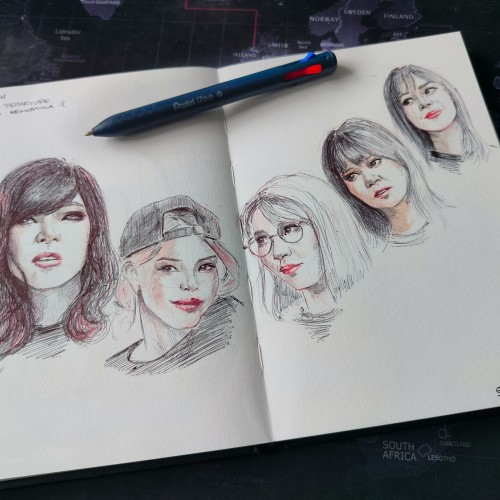
Sketchbook #11.
Since the 100heads challenge was real tiresome for me, I devised myself another challenge - "50 heads". Basically it's a "100 heads challenge", but for lazy people) The rules are simple: I had to draw 10 two-page spreads of 5 heads, no time limit, no nothing. And I decided to use different materials for each spread.
Spread #1 - ballpoint pen (+ a little bit of watercolour) - NEMOPHILA.
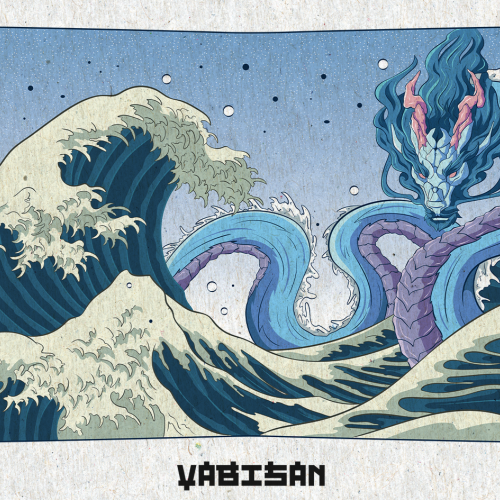
I've always found it so Satisfying to draw Dragons! I love dragons, whether it's for a personal project or a clean wok, Dragons are the subject I enjoy the most and love to explore in so many ways ♥
This was an illustration for a Traditional Action Gamepad with its big buttons, this work is so old, and I improved a lot after it, but its simplicity remains lovely to me and maybe I will remake it with my improvement level right now and make a comparison.
I am a professional logo and graphic designer. This piece is for one of my clients at https://thebackvault.com. How will you rate this piece? It is designed for public display and banner display.
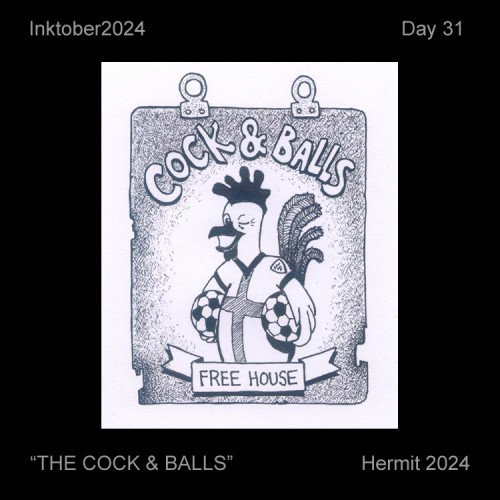
(Gel Fineliner on A5 Paper) My opinion of the whole Inktober challenge. There's something to be said for the rebellious nature of drawing a simple cock and balls!
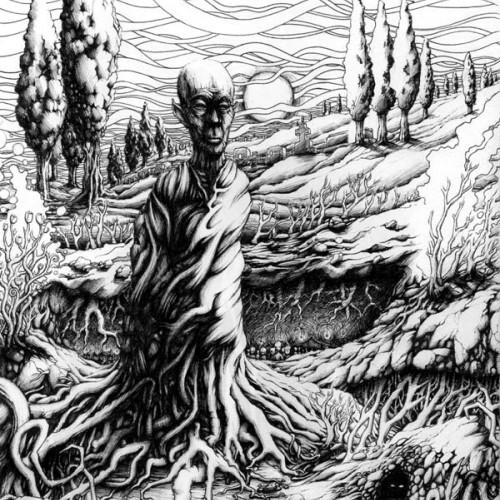
This captivating ink drawing features a fantasy character standing still, deeply rooted to the earth and seamlessly merged with nature. Surrounded by a complex web of trees and plants, the figure embodies the essence of the natural world. In the background, a mesmerizing sunset casts a warm glow over abstract waves of clouds, creating a harmonious blend of light and shadow. This artwork symbolizes the profound connection between humanity and the environment, inviting viewers to reflect on the beauty of nature.
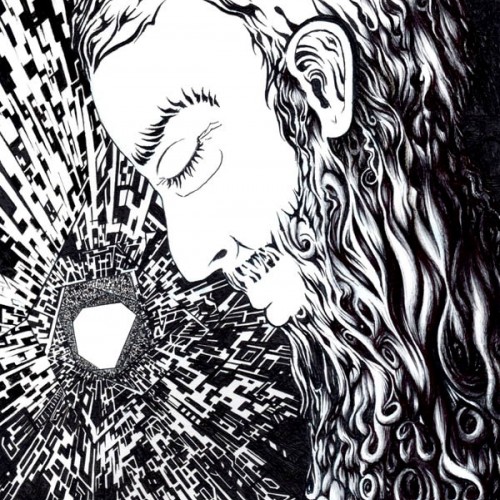
This black and white ink drawing portrays an aged man with a beard lost in deep contemplation within a futuristic spaceship setting. The subtle hints of sadness on his face are contrasted against the vastness of space, where the Milky Way is barely visible in the background. The artwork evokes feelings of isolation and reflection, inviting viewers to ponder the human experience amidst the cosmos.
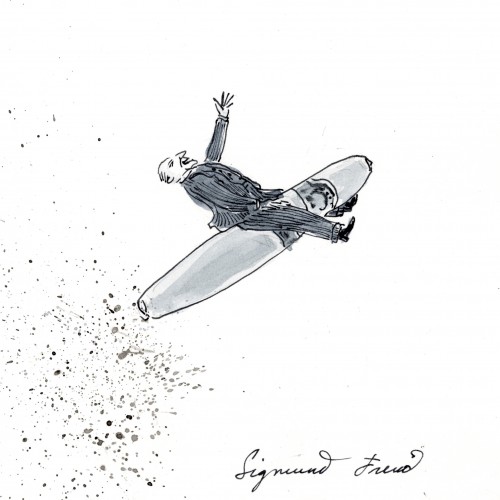
Sigmund Freud (1856–1939)
“I cannot imagine life without work as really comfortable,” Freud wrote to a friend in 1910. With his wife, Martha, to efficiently manage the household—she laid out Freud’s clothes, chose his handkerchiefs, and even put toothpaste on his toothbrush—the founder of psychoanalysis was able to maintain a single-minded devotion to his work throughout his long career.
Freud’s long workdays were mitigated by two luxuries. First, there were his beloved cigars, which he smoked continually, going through as many as twenty a day from his mid-twenties until near the end of his life, despite several warnings from doctors and the increasingly dire health problems that dogged him throughout his later years. (When his seventeen-year-old nephew once refused a cigarette, Freud told him,
From Daily rituals by Mason Currey
#dailyrituals #inktober #sigmundFreud @masoncurrey