The tables were covered in white paper. Crayons, pastels, and smooth sticks waited quietly. Then came Lucy’s glittery purse—her 8-year-old hands had filled it with stones to pass along, one by one, to the strangers around the table.
We traced them. Pushed them. Held them.
Then we let the colors lead:
-Red for emotion.
-Yellow for curiosity.
-Blue for memory.
Each color came with music, with story, with space.
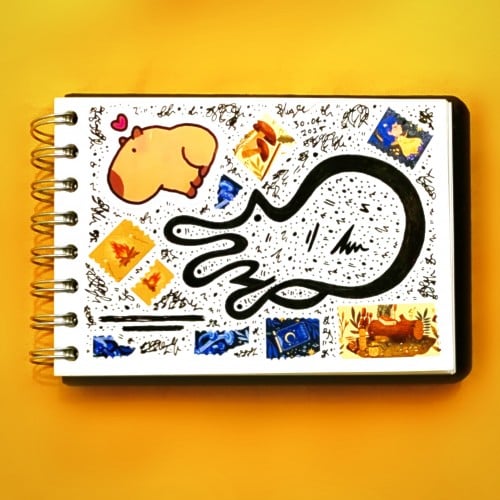
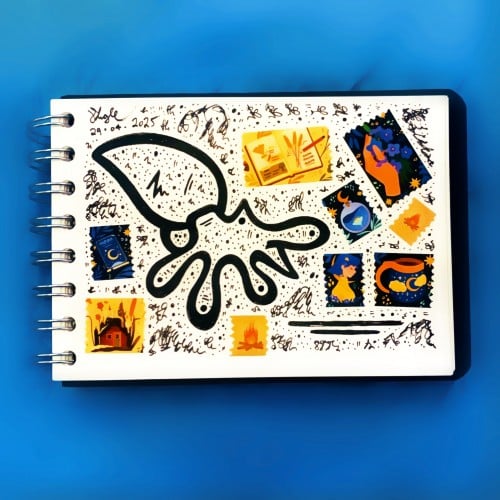
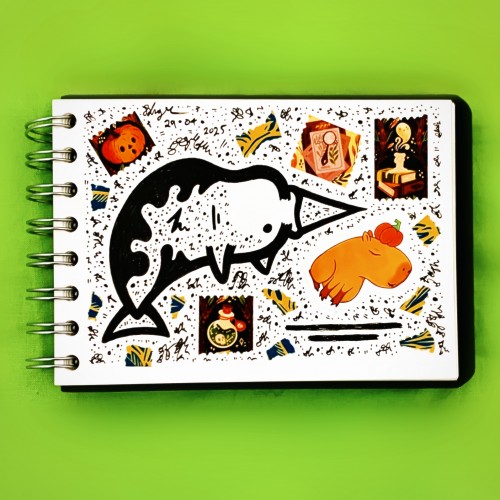
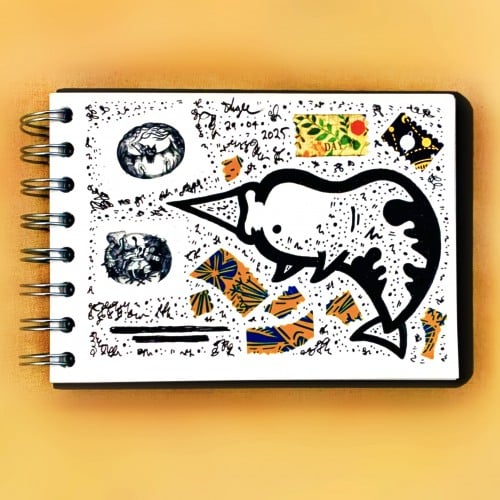
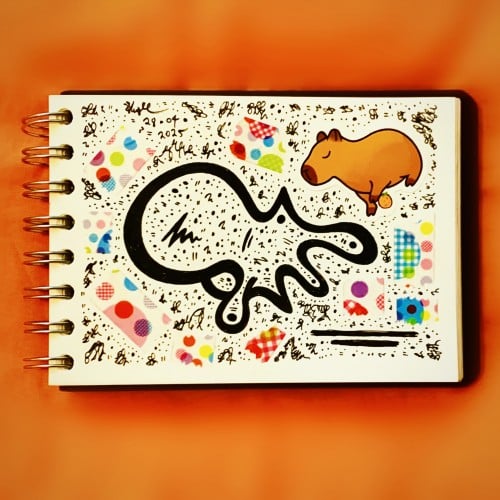
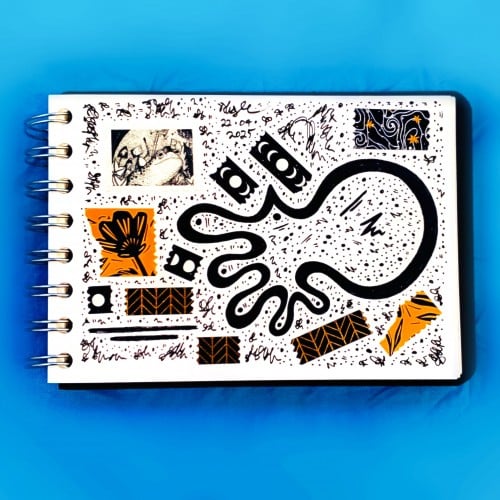
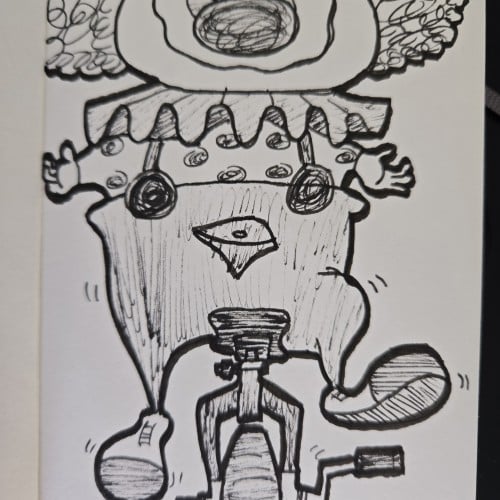
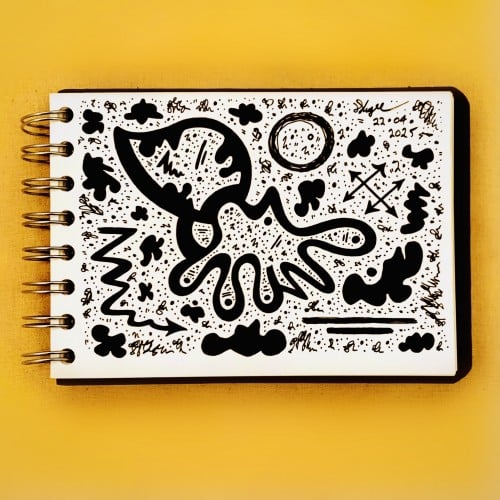
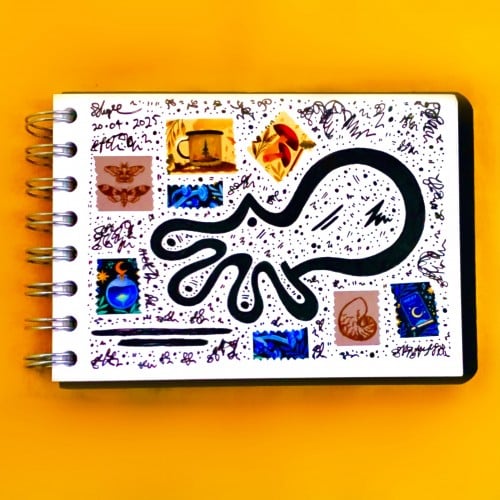
At the Museum of Wisconsin Art, we made marks not for meaning but for presence.
Thank you to Ann Marie and MOWA for the invitation and trust. And thank you to the participants—some new friends, some old students—for showing up and making lines that listened before they spoke.
Sometimes, a good goodbye is also a fresh hello.
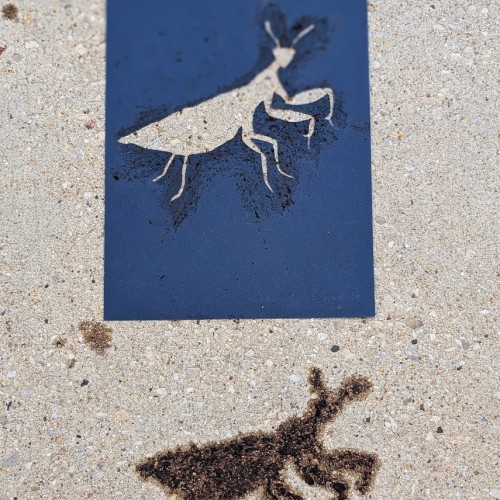
As we wrapped up our "Sacred Spaces" paintings, I asked our student teacher to design a one-day project—something playful, earthy, and engaging to ease the class into her care. She brought mud. Literally.
Using mud and simple stencils, students pressed images—flowers, insects, wings—onto the sidewalk behind our school. There's something timeless about making marks with the ground itself. It felt ancient and immediate at the same time.
These prints won’t last long, but maybe that’s the point. A fleeting image, a shared laugh, a new hand guiding the next phase of learning.
Art is about making marks. Not all of them need to be permanent.