Previous
Next
logo logo
logo logo
  • Discover Art
    • Trending
    • Most Recent
    • Most Faves
    • Most Views
    • Curated Galleries
  • Drawing Challenges
    • See All Challenges
  • Drawing Prompts
  • Artists
    • Most Popular
    • Most Recent
    • Available For Hire
    • Artist Spotlight
  • More
    • Marketplace
    • Art Discussions
    • Resources
    • News + Blog
Login
Most Faves
Select an option
  • Most Relevant
  • Most Faves
  • Most Views
  • Most Comments
  • Most Recent
SEARCH RESULTS FOR

simple

hannahbastow hannahbastow
Enlarge
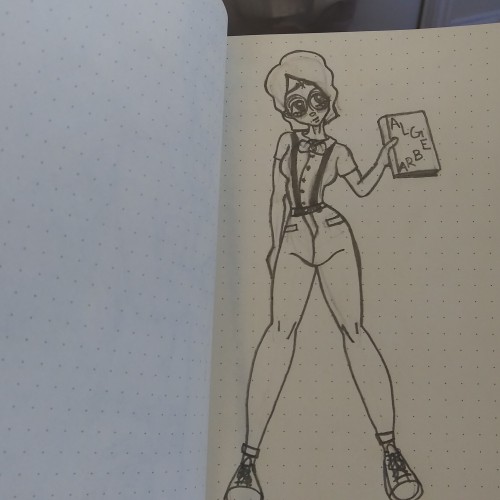
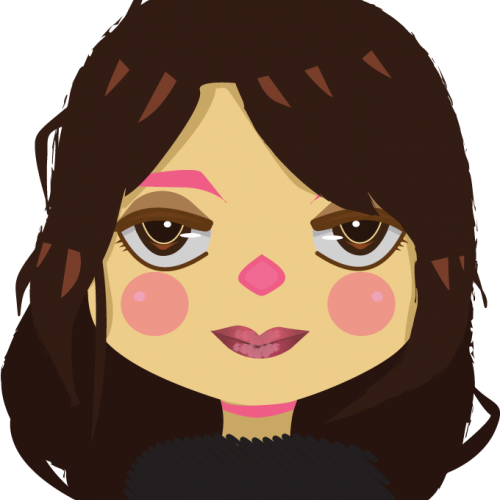
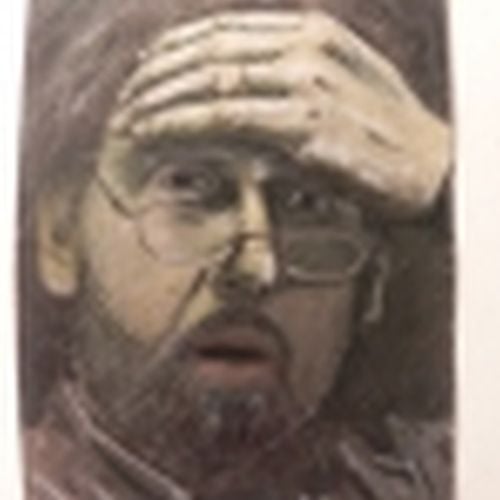
Nerdification

A simple doodle I made of myself dressed as a nerd.

  • 15
  • 3
  • 0
Grace Hester Grace Hester
Enlarge
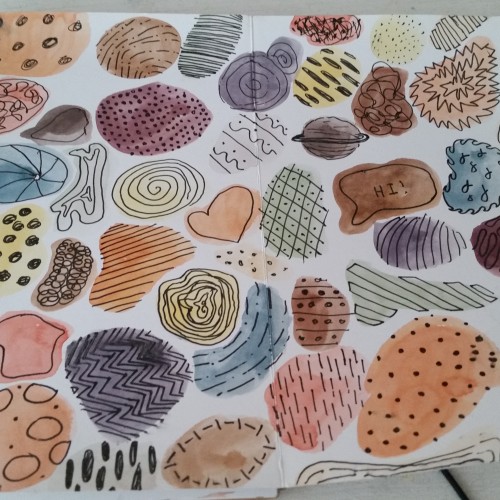
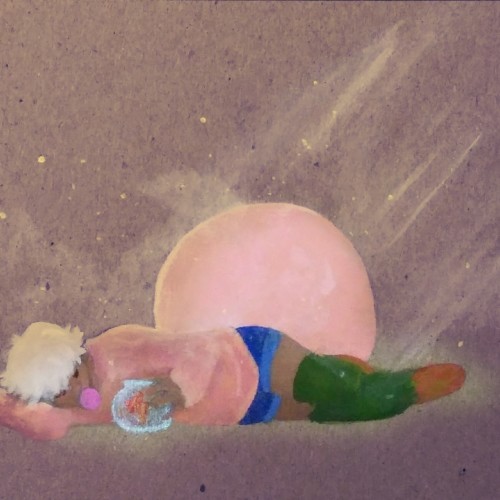
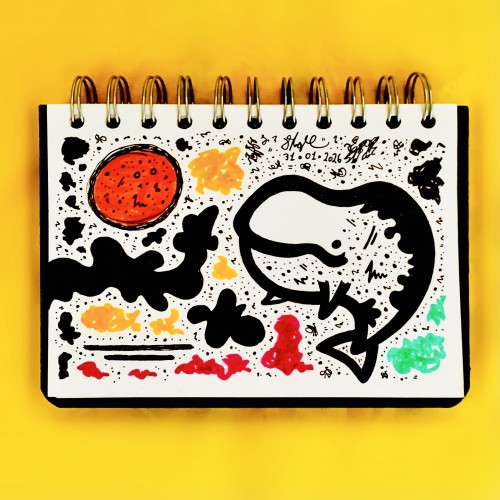
Blobs for fun

Always fun to relieve your stress with a fun simple art project.

  • 10
  • 3
  • 1
Kristen Rasmussen Kristen Rasmussen
Enlarge
Tranquil

Just a simple acrylic piece. :3

  • 14
  • 3
  • 0
LeBoucher LeBoucher
Enlarge
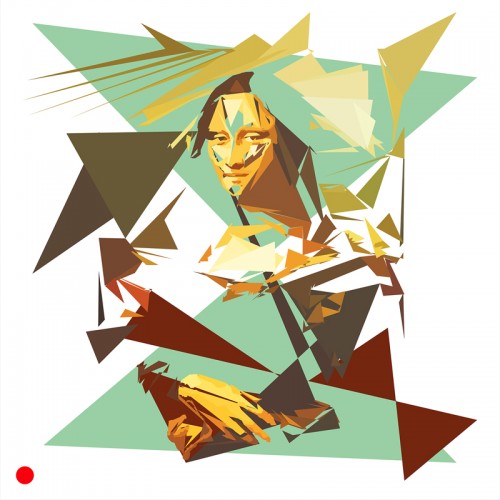
Appropriationnisme ou le « Remake » La Joconde de Léonard de Vinci

Français : L’Appropriationnisme ou le « Remake » est un concept simple. En effet, il suffit de reprendre le travail d’un artiste et signer la nouvelle production de son nom. Il ne s’agit, en aucun cas, de copier l’œuvre comme pourrait le faire un faussaire. Il ne s’agit pas non plus de plagier l’œuvre. En ce qui me concerne, j’utilise l’œuvre célèbre d’un artiste reconnu. En réutilisant une œuvre originale préexistante et célèbre, condition sine qua non, je propose de rendre un hommage. Il ne s’agit en aucun cas d’un manque d’inspiration surtout lorsque l’on sait maintenant que : « l’art naît de l’art et non de la nature » : Ernst Gombrich. Dans cette série, j’ai voulu revisiter des œuvres célèbres en utilisant ma technique graphique de l’éloge de l’approximation mettant en évidence la problématique de la défaillance et de la mémoire vaporeuse. English: Appropriationism or Remake is a simple concept. Indeed, it is enough to take again the work of an artist and to sign the new production of his name. It is not a question of copying the work as a forger could do. It is not a question of plagiarizing the work. As far as I'm concerned, I use the famous work of a recognized artist. By reusing a pre-existing and famous original work, condition sine qua non, I propose to pay tribute. It is by no means a lack of inspiration especially when we now know that: "art is born of art and not of nature": Ernst Gombrich. In this series, I wanted to revisit famous works using my graphic technique of praising the approximation highlighting the problem of failure and vaporous memory. https://www.pierretomyleboucher.fr

  • 9
  • 3
  • 0
LeBoucher LeBoucher
Enlarge
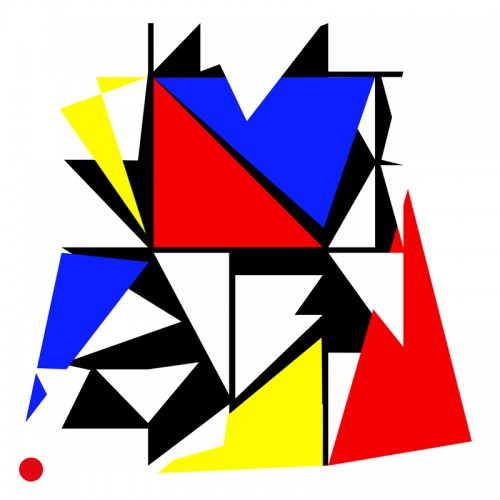
Appropriationnisme ou le « Remake » de Mondrian : Composition numéro 4

Français : L’Appropriationnisme ou le « Remake » est un concept simple. En effet, il suffit de reprendre le travail d’un artiste et signer la nouvelle production de son nom. Il ne s’agit, en aucun cas, de copier l’œuvre comme pourrait le faire un faussaire. Il ne s’agit pas non plus de plagier l’œuvre. En ce qui me concerne, j’utilise l’œuvre célèbre d’un artiste reconnu. En réutilisant une œuvre originale préexistante et célèbre, condition sine qua non, je propose de rendre un hommage. Il ne s’agit en aucun cas d’un manque d’inspiration surtout lorsque l’on sait maintenant que : « l’art naît de l’art et non de la nature » : Ernst Gombrich. Dans cette série, j’ai voulu revisiter des œuvres célèbres en utilisant ma technique graphique de l’éloge de l’approximation mettant en évidence la problématique de la défaillance et de la mémoire vaporeuse. English: Appropriationism or Remake is a simple concept. Indeed, it is enough to take again the work of an artist and to sign the new production of his name. It is not a question of copying the work as a forger could do. It is not a question of plagiarizing the work. As far as I'm concerned, I use the famous work of a recognized artist. By reusing a pre-existing and famous original work, condition sine qua non, I propose to pay tribute. It is by no means a lack of inspiration especially when we now know that: "art is born of art and not of nature": Ernst Gombrich. In this series, I wanted to revisit famous works using my graphic technique of praising the approximation highlighting the problem of failure and vaporous memory. https://www.pierretomyleboucher.fr

  • 10
  • 3
  • 0
LeBoucher LeBoucher
Enlarge
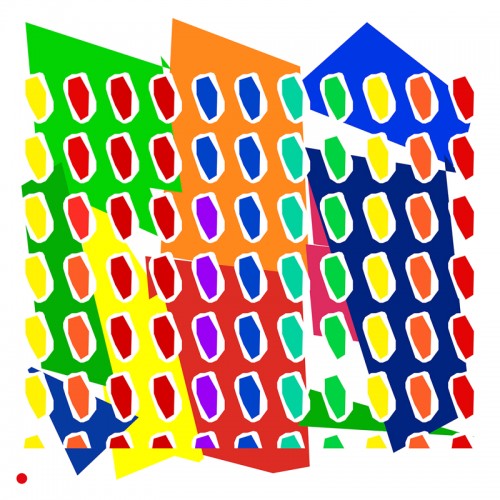
L’abstraction radicale  de Claude Viallat

Français : L’Appropriationnisme ou le « Remake » est un concept simple. En effet, il suffit de reprendre le travail d’un artiste et signer la nouvelle production de son nom. Il ne s’agit, en aucun cas, de copier l’œuvre comme pourrait le faire un faussaire. Il ne s’agit pas non plus de plagier l’œuvre. En ce qui me concerne, j’utilise l’œuvre célèbre d’un artiste reconnu. En réutilisant une œuvre originale préexistante et célèbre, condition sine qua non, je propose de rendre un hommage. Il ne s’agit en aucun cas d’un manque d’inspiration surtout lorsque l’on sait maintenant que : « l’art naît de l’art et non de la nature » : Ernst Gombrich. Dans cette série, j’ai voulu revisiter des œuvres célèbres en utilisant ma technique graphique de l’éloge de l’approximation mettant en évidence la problématique de la défaillance et de la mémoire vaporeuse. English: Appropriationism or Remake is a simple concept. Indeed, it is enough to take again the work of an artist and to sign the new production of his name. It is not a question of copying the work as a forger could do. It is not a question of plagiarizing the work. As far as I'm concerned, I use the famous work of a recognized artist. By reusing a pre-existing and famous original work, condition sine qua non, I propose to pay tribute. It is by no means a lack of inspiration especially when we now know that: "art is born of art and not of nature": Ernst Gombrich. In this series, I wanted to revisit famous works using my graphic technique of praising the approximation highlighting the problem of failure and vaporous memory. https://www.pierretomyleboucher.fr

  • 5
  • 3
  • 0
LeBoucher LeBoucher
Enlarge
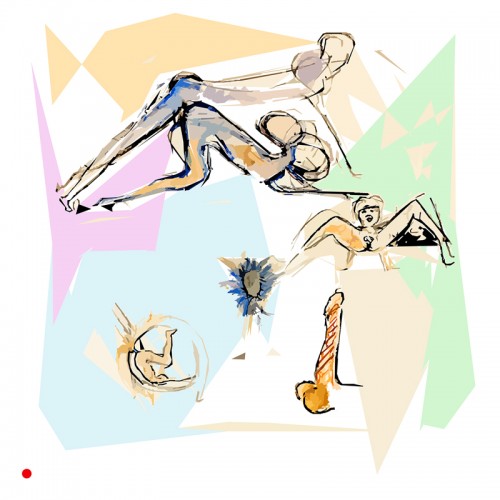
Appropriation et remake Hybert Fabrice : cul-réfléchi

Français : L’Appropriationnisme ou le « Remake » est un concept simple. En effet, il suffit de reprendre le travail d’un artiste et signer la nouvelle production de son nom. Il ne s’agit, en aucun cas, de copier l’œuvre comme pourrait le faire un faussaire. Il ne s’agit pas non plus de plagier l’œuvre. En ce qui me concerne, j’utilise l’œuvre célèbre d’un artiste reconnu. En réutilisant une œuvre originale préexistante et célèbre, condition sine qua non, je propose de rendre un hommage. Il ne s’agit en aucun cas d’un manque d’inspiration surtout lorsque l’on sait maintenant que : « l’art naît de l’art et non de la nature » : Ernst Gombrich. Dans cette série, j’ai voulu revisiter des œuvres célèbres en utilisant ma technique graphique de l’éloge de l’approximation mettant en évidence la problématique de la défaillance et de la mémoire vaporeuse. English: Appropriationism or Remake is a simple concept. Indeed, it is enough to take again the work of an artist and to sign the new production of his name. It is not a question of copying the work as a forger could do. It is not a question of plagiarizing the work. As far as I'm concerned, I use the famous work of a recognized artist. By reusing a pre-existing and famous original work, condition sine qua non, I propose to pay tribute. It is by no means a lack of inspiration especially when we now know that: "art is born of art and not of nature": Ernst Gombrich. In this series, I wanted to revisit famous works using my graphic technique of praising the approximation highlighting the problem of failure and vaporous memory.

  • 4
  • 3
  • 0
LeBoucher LeBoucher
Enlarge
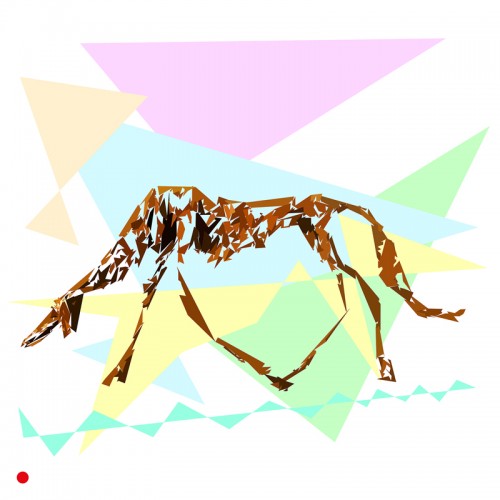
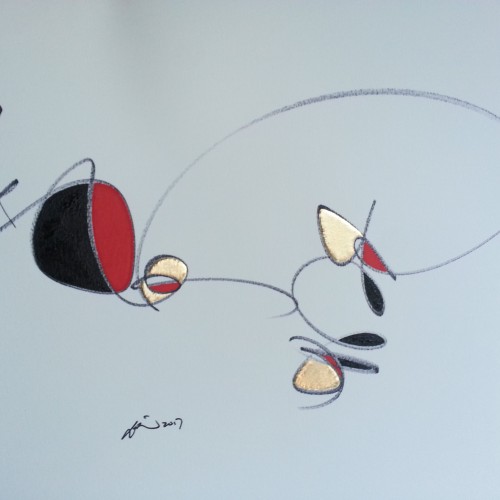
Remake : Giacometti : une chienne d’amitié

Français : L’Appropriationnisme ou le « Remake » est un concept simple. En effet, il suffit de reprendre le travail d’un artiste et signer la nouvelle production de son nom. Il ne s’agit, en aucun cas, de copier l’œuvre comme pourrait le faire un faussaire. Il ne s’agit pas non plus de plagier l’œuvre. En ce qui me concerne, j’utilise l’œuvre célèbre d’un artiste reconnu. En réutilisant une œuvre originale préexistante et célèbre, condition sine qua non, je propose de rendre un hommage. Il ne s’agit en aucun cas d’un manque d’inspiration surtout lorsque l’on sait maintenant que : « l’art naît de l’art et non de la nature » : Ernst Gombrich. Dans cette série, j’ai voulu revisiter des œuvres célèbres en utilisant ma technique graphique de l’éloge de l’approximation mettant en évidence la problématique de la défaillance et de la mémoire vaporeuse. English: Appropriationism or Remake is a simple concept. Indeed, it is enough to take again the work of an artist and to sign the new production of his name. It is not a question of copying the work as a forger could do. It is not a question of plagiarizing the work. As far as I'm concerned, I use the famous work of a recognized artist. By reusing a pre-existing and famous original work, condition sine qua non, I propose to pay tribute. It is by no means a lack of inspiration especially when we now know that: "art is born of art and not of nature": Ernst Gombrich. In this series, I wanted to revisit famous works using my graphic technique of praising the approximation highlighting the problem of failure and vaporous memory.

  • 2
  • 3
  • 0
LeBoucher LeBoucher
Enlarge
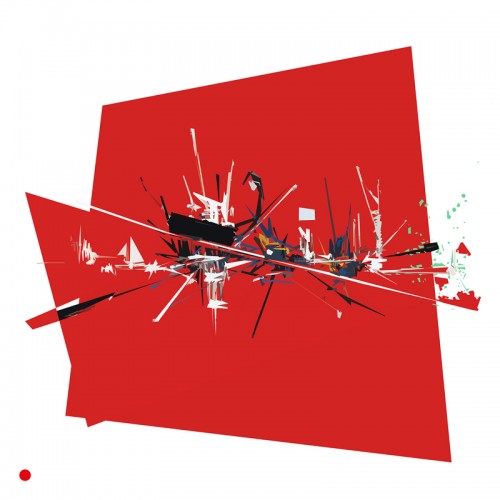
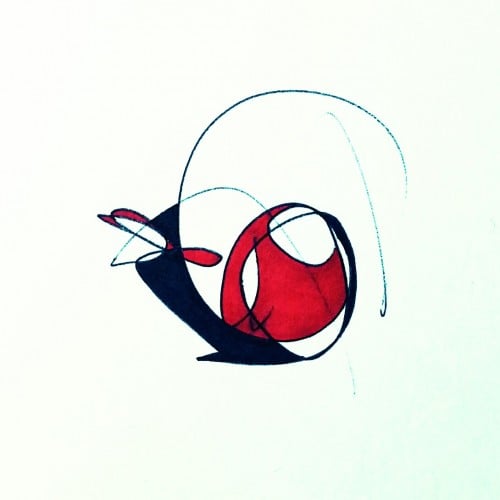
Remake : Georges - Mathieu : Rouge

Français : L’Appropriationnisme ou le « Remake » est un concept simple. En effet, il suffit de reprendre le travail d’un artiste et signer la nouvelle production de son nom. Il ne s’agit, en aucun cas, de copier l’œuvre comme pourrait le faire un faussaire. Il ne s’agit pas non plus de plagier l’œuvre. En ce qui me concerne, j’utilise l’œuvre célèbre d’un artiste reconnu. En réutilisant une œuvre originale préexistante et célèbre, condition sine qua non, je propose de rendre un hommage. Il ne s’agit en aucun cas d’un manque d’inspiration surtout lorsque l’on sait maintenant que : « l’art naît de l’art et non de la nature » : Ernst Gombrich. Dans cette série, j’ai voulu revisiter des œuvres célèbres en utilisant ma technique graphique de l’éloge de l’approximation mettant en évidence la problématique de la défaillance et de la mémoire vaporeuse. English: Appropriationism or Remake is a simple concept. Indeed, it is enough to take again the work of an artist and to sign the new production of his name. It is not a question of copying the work as a forger could do. It is not a question of plagiarizing the work. As far as I'm concerned, I use the famous work of a recognized artist. By reusing a pre-existing and famous original work, condition sine qua non, I propose to pay tribute. It is by no means a lack of inspiration especially when we now know that: "art is born of art and not of nature": Ernst Gombrich. In this series, I wanted to revisit famous works using my graphic technique of praising the approximation highlighting the problem of failure and vaporous memory

  • 12
  • 3
  • 0
erik cheung erik cheung
Enlarge
Chime

A very simple one that gives a 'chime' sound! You hear anything?

  • 7
  • 3
  • 0
An Lee An Lee
Enlarge
The Other Side of the Mirror

Decided to draw my babies after a long time. They're characters from a short story/novel I wrote and am planning to adapt to a comic/webtoon. Testing out possible simple coloring styles for when I actually begin paneling.

  • 15
  • 3
  • 0
Jamie Jamie
Enlarge
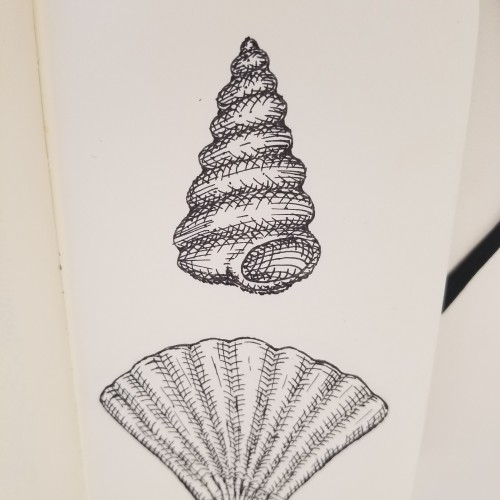
Simple Shells

  • 418
  • 3
  • 0
Luisa Vidales Reina Luisa Vidales Reina
Enlarge
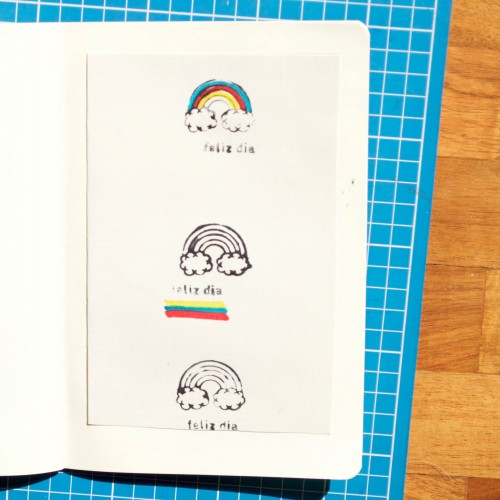
Inktober 25 - rainbows

For Inktober 25, I played around with a rainbow rubber stamp and markers. Simple but it was a lot of fun! And isn't Inktober all about experimentation and practise?

  • 330
  • 3
  • 0
Sean Healy Sean Healy
Enlarge
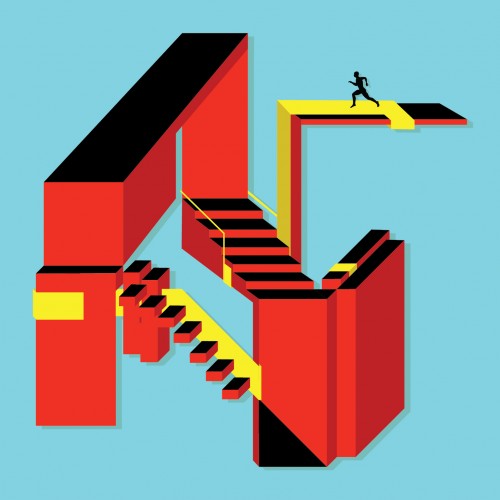
Ups & Downs

"Ups & Downs" explores the nature of basic shapes/colors and how they interact to tell a story. This piece focuses on an infinite recycled energy, meaning there is no end point to its structure. The aim was to keep it simple yet structurally complex to the eye.

  • 10
  • 3
  • 1
GhulamRusli GhulamRusli
Enlarge
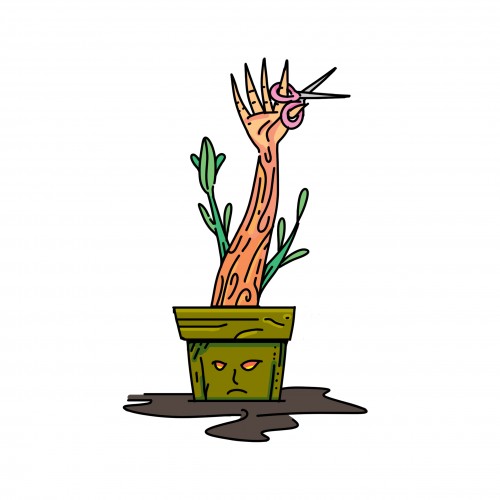
Plant Gone Bad

  • 250
  • 3
  • 1
Sara Grzelak Sara Grzelak
Enlarge
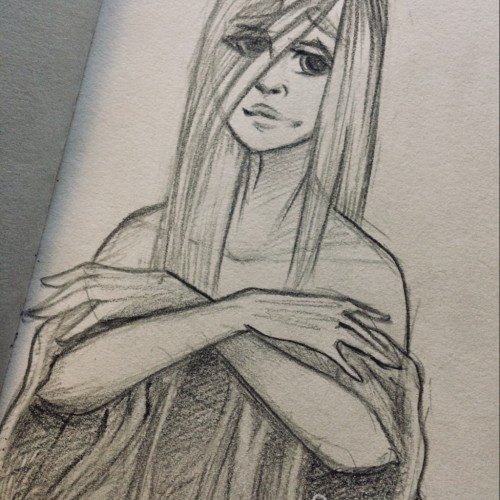
sad girl

Just simple sketch.. again xD

  • 1,319
  • 3
  • 0
Bleu Hope Bleu Hope Plus Member
Enlarge
“Born On This Date (For Real)”, April 2026.

Keeping it simple for today…

  • 17
  • 2
  • 0
Bleu Hope Bleu Hope Plus Member
Enlarge
“Coastal Grandmother”, January 2026.

Starting the day off simple…

  • 25
  • 2
  • 0
Bleu Hope Bleu Hope Plus Member
Enlarge
“Don’t Destroy The Original Record”, November 2025.

Sometimes simple things are the way!

  • 38
  • 2
  • 0
Dean C. Graf Dean C. Graf Plus Member
Enlarge
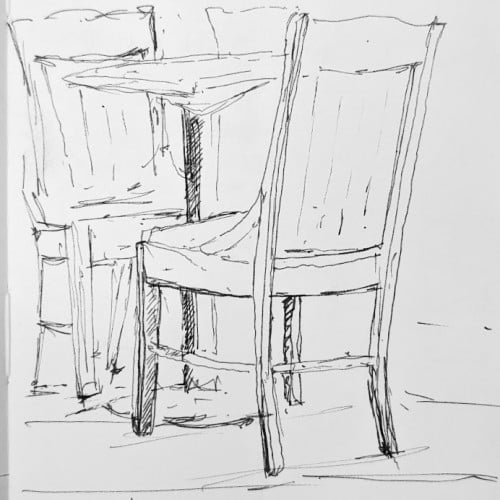
Five Chairs, Holding Space
1/3

Chairs are more than wood or iron. They are metaphors, quiet keepers of what it means to be present. They wait, as Wendell Berry might say, for us to “make a place to sit down. Sit down. Be quiet.” I draw them because they embody the humblest love—affection, as Berry calls it, that “gives itself no airs.” In their stillness, chairs hold the weight of relationships, the churn of thought, the grace of silence. They are where we meet, where we linger, where we become. These three drawings are offerings—sketches of chairs that invite connection, reflection, and the slow work of being. Each is a small sacred place, as Berry reminds us, not desecrated by haste or distraction, but alive with possibility. Drawing 1: The Coffee Shop Chairs Two wooden chairs face each other across a small round table in a coffee shop, their grain worn smooth by years of elbows and whispered truths. The table is a circle, a shape that knows no hierarchy, only intimacy. These chairs are for relationships that dare to deepen—for friends who risk vulnerability, for lovers who speak in glances, for strangers who become less strange. They ask for eye contact, for mugs of coffee grown cold in the heat of conversation. Here, sentences begin, “I’ve always wanted to tell you…” or “What if we…” These chairs shun the clamor of screens, as Berry urges, and invite the “three-dimensioned life” of shared breath. They are the seats of courage, where presence weaves the delicate threads of togetherness. Drawing 2: The Sandwich Café Chairs In a sandwich café, two wooden chairs sit across a small square table, its edges sharp, its surface scarred by crumbs and time. These chairs are angled close, as if conspiring. They are for relationships of a different timbre—perhaps the quick catch-up of old friends, the tentative lunch of colleagues, or the parent and child navigating new distances. The square table speaks of structure, of boundaries, yet the chairs lean in, softening the angles. They wait for laughter that spills over plates, for silences that carry weight, for the small confessions that bind us. These are chairs for the work of relating, for the patience that “joins time to eternity,” as Berry writes. They ask us to stay, to listen, to let the ordinary become profound. Drawing 3: The Patio Chair A lone cast-iron chair rests on a patio, its arms open to the wild nearness of nature—grass creeping close, vines curling at its feet, the air heavy with dusk. This chair is not for dialogue but for solitude, for the slow processing of thought. It is the seat of the poet, the dreamer, the one who sits with what was said—or left unsaid. Here, ideas settle like sediment in a quiet stream; here, the heart sifts through joy or grief. As Berry advises, this chair accepts “what comes from silence,” offering a place to make sense of the world’s noise. Its iron roots it to the earth, unyielding yet tender, a throne for contemplation where one might “make a poem that does not disturb the silence from which it came.” This is the chair for becoming, for growing older, for meeting oneself. These three chairs—one for intimacy, one for the labor of connection, one for solitude—are a trinity of relation. They are not grand, but they are true. They hold space for the conversations that shape us, the silences that heal us, the thoughts that root us. They are, in Berry’s words, sacred places, made holy by the simple act of sitting down. My drawings are but traces of these places—postcards from moments where we might remember how to be with one another, or how to be alone. So, pull up a chair. Or three. Sit down. Be quiet. The world is waiting to soften.

  • 109
  • 2
  • 0
Dean C. Graf Dean C. Graf Plus Member
Enlarge
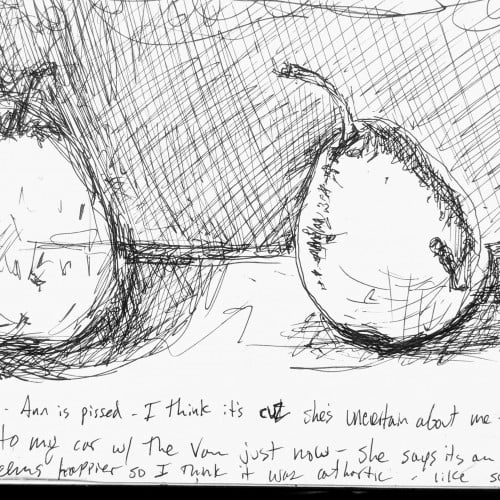
Pairs, Pears, and Accidental Catharsis

Years ago, while digging through old journals and sketches, I stumbled across a quick, scribbled drawing of two pears. Beneath it, I'd written a raw and honest note: "Ann is pissed. I think it's because she's uncertain about me, us, life itself. She just ran into my car with the van. She says it was an accident, but she seems happier now—almost like it was cathartic. . . Like sex." At the time, I scribbled this in frustration, feeling a deep disconnect between us. Intimacy had become a confusing and distant concept in our relationship. The pears I'd sketched were rough and scratchy, charged with my chaotic feelings. Looking back, I see how emotions can drive us to strange actions, some intentional, some accidental, often leaving us oddly relieved afterward. Humans are complex, fascinating beings, navigating messy emotions and messy relationships, sometimes colliding intentionally or unintentionally, seeking relief in unexpected ways. Perhaps the pears were my subconscious pun on "pair," reflecting the awkward, confusing way Ann and I were bumping through life together—making messes, but occasionally finding strange humor and genuine catharsis in the chaos. I've learned to smile gently at the rawness of our humanity, appreciating even our scratchy sketches and emotional collisions. They're reminders that life, relationships, and our own hearts are never simple, but they're authentically human. Here's to embracing life's unexpected catharsis and finding humor in our imperfections.

  • 165
  • 2
  • 0
Kurtis D Edwards Kurtis D Edwards Plus Member
Enlarge
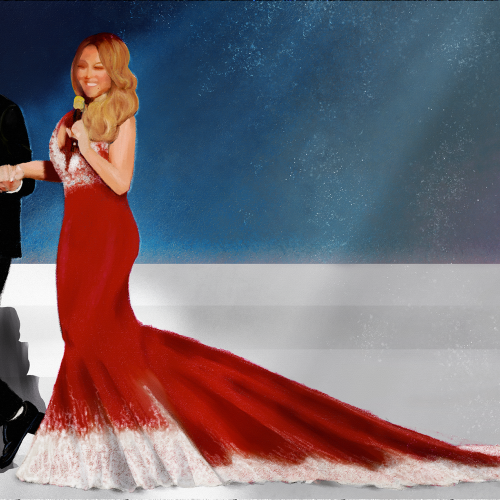
Mariah Carey Merry Christmas to All

Shes served her best Christmas with an enormous train led by Brain Tanaka. I used charcoal and pastel brushes in Rebelle 6. I wanted a really simple composition so I could focus on her dress and their pose together. Happy Holidays everyone.

  • 240
  • 2
  • 1
Bleu Hope Bleu Hope Plus Member
Enlarge
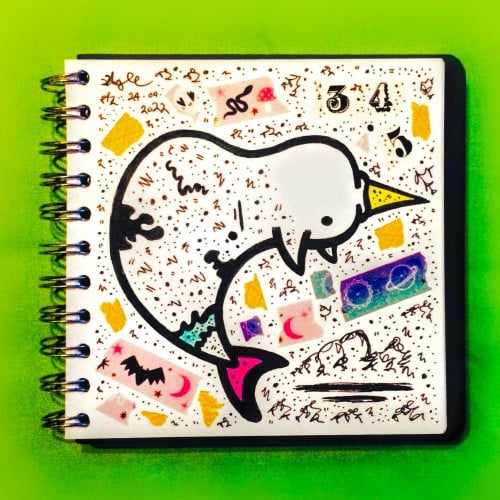
How I Ended This Summer (Simple Things), September 2022.

Somewhat right! Also, new Washi tape time :-)

  • 159
  • 2
  • 0
Bleu Hope Bleu Hope Plus Member
Enlarge
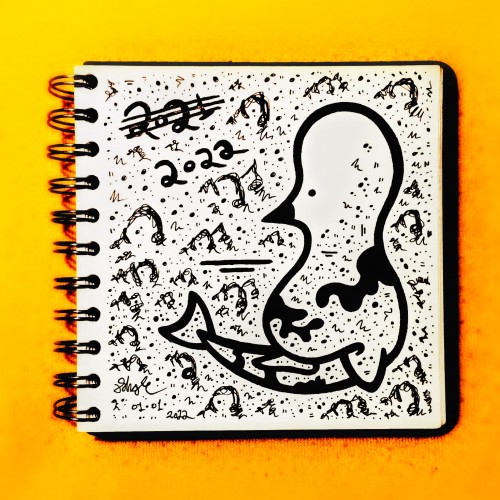
“Newyearsameoldstuff”, January 2022.

Bringing in 2022 properly with something simple...

  • 181
  • 2
  • 0
WILLIAM OBRIEN WILLIAM OBRIEN Plus Member
Enlarge
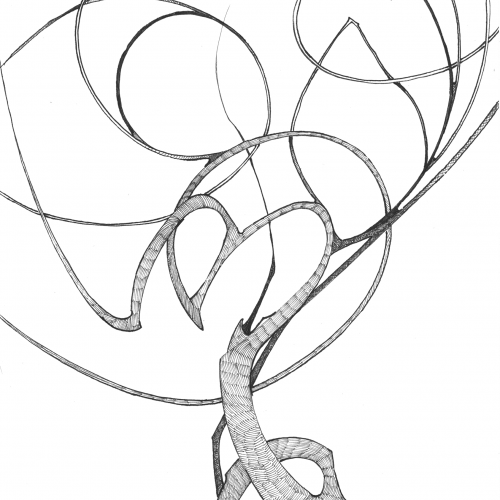
R
1/5

Simple.

  • 148
  • 2
  • 0
Bleu Hope Bleu Hope Plus Member
Enlarge
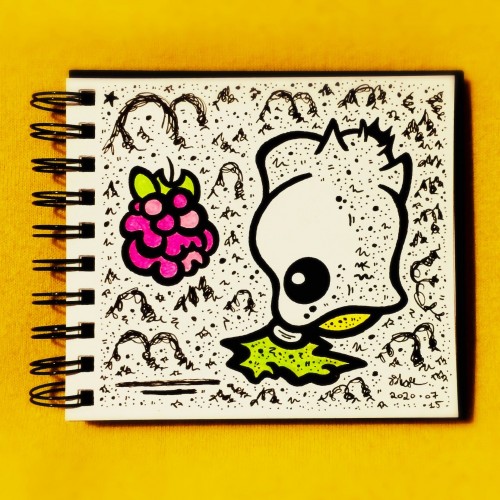
Raspberry Rip, July 2020.

Something simpler (on the surface at least).

  • 250
  • 2
  • 0
Ty patmore Ty patmore
Enlarge
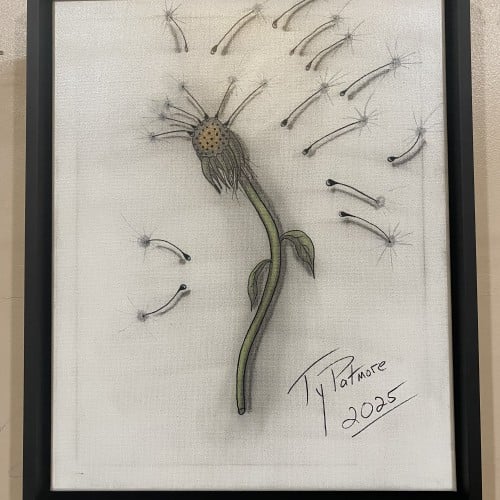
Isn’t she a Dandy.

This captivating drawing by Ty Patmore (2025) beautifully illustrates the final stage of a dandelion's life cycle, transforming the common weed into a subject of elegant art. The central, spent head of the flower is rendered with intricate texture, while the detached seeds are given a light, airy quality as they float away. The subtle shading and focused color on the stem provide a grounding element to the otherwise ethereal composition, making it a perfect piece for anyone who cherishes the simple, magical moments in nature.

  • 10
  • 2
  • 1
jahangir packages jahangir packages
Enlarge
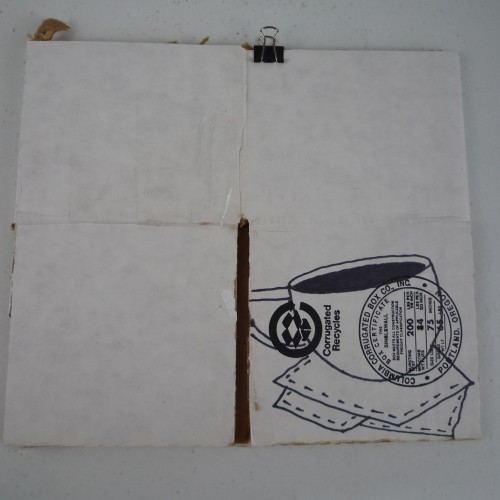
EcoFriendlyPackaging

This artwork beautifully reflects the essence of Eco Friendly Packaging Eco Friendly Packaging by uniting nature and design. A simple kraft paper box, tied with organic twine, carries a sprouting green plant that symbolizes life, renewal, and sustainability. The composition turns ordinary packaging into a statement of environmental care, reminding us that every choice can support a greener future.

  • 8
  • 2
  • 0
Sabina Hahn Sabina Hahn
Enlarge
Mark Twain

Mark Twain (1835–1910) In the 1870s and ’80s, the Twain family spent their summers at Quarry Farm in New York, about two hundred miles west of their Hartford, Connecticut, home. Twain found those summers the most productive time for his literary work, especially after 1874, when the farm owners built him a small private study on the property. That same summer, Twain began writing The Adventures of Tom Sawyer. His routine was simple: he would go to the study in the morning after a hearty breakfast and stay there until dinner at about 5:00. Since he skipped lunch, and since his family would not venture near the study—they would blow a horn if they needed him—he could usually work uninterruptedly for several hours. “On hot days,” he wrote to a friend, “I spread the study wide open, anchor my papers down with brickbats, and write in the midst of the hurricane, clothed in the same thin linen we make shirts of.” Whether or not he was working, he smoked cigars constantly. One of his closest friends, the writer William Dean Howells, recalled that after a visit from Twain, “the whole house had to be aired, for he smoked all over it from breakfast to bedtime.” - From Daily Rituals: How Artists Work by Mason Currey “Everyone is a moon, and has a dark side which he never shows to anybody.” ― Mark Twain #dailyrituals #inktober #MarkTwain @masoncurrey

  • 337
  • 2
  • 0
Apriana Susaei Apriana Susaei
Enlarge
Phone Doodle with Text

A whimsical hand-drawn sketch features a hand holding a phone, with the message "This is so much fun" prominently displayed on the screen. The drawing is done in a simple, childlike style with colored pencils, conveying a sense of lightheartedness and joy.

  • 1
  • 2
  • 0
« Previous
Next »

Doodle Addicts

Navigate
  • Discover Art
  • Drawing Challenges
  • Weekly Drawing Prompts
  • Artist Directory
  • Art Marketplace
  • Resources
Other
  • News + Blog
  • About Us
  • Contact Us
Newsletter
© 2026 Doodle Addicts™ — All Rights Reserved Terms & Conditions / Privacy Policy / Community Guidelines
Add Doodle Addicts to your home screen to not miss an update!
Add to Home Screen