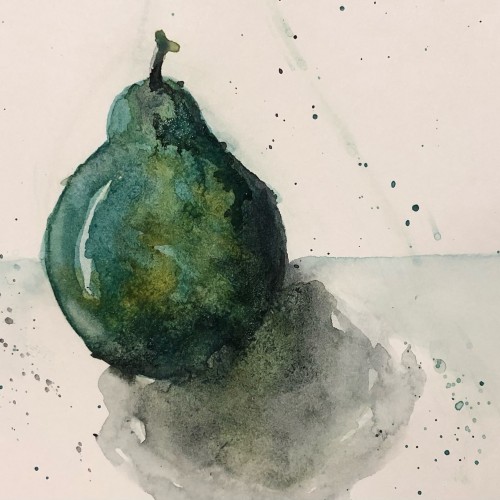
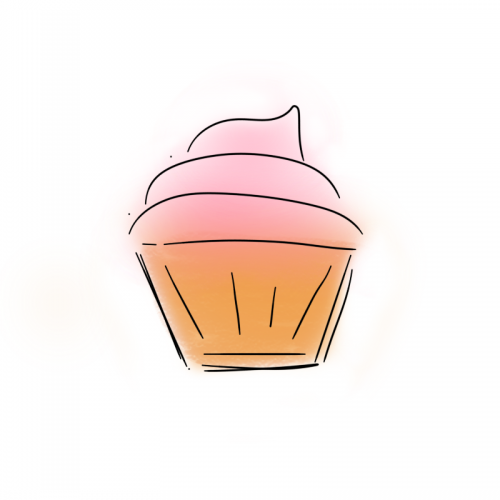
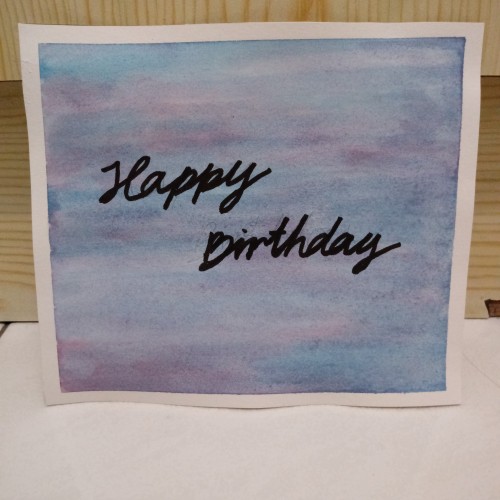
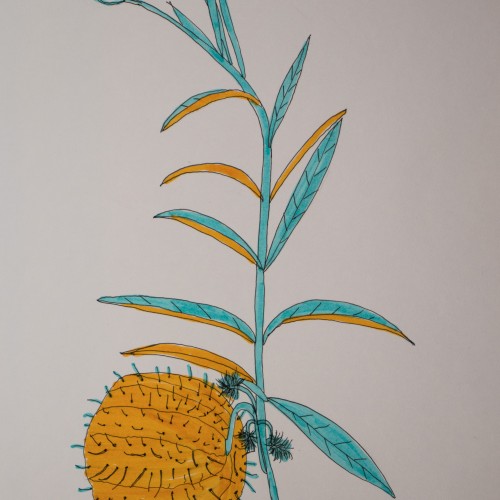
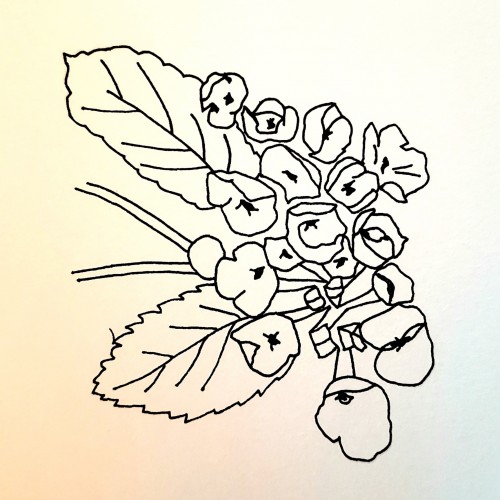
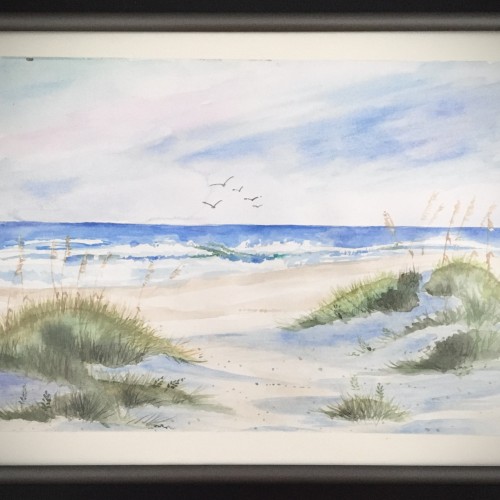
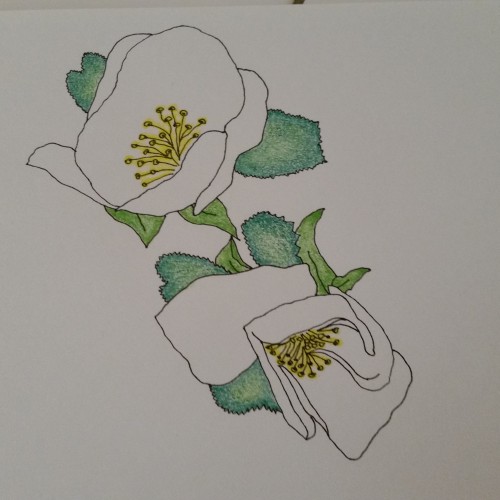
First Attempt at using watercolour! I had a lot of fun doing this simple pear and looking forward to seeing where this journey with watercolour will take me!
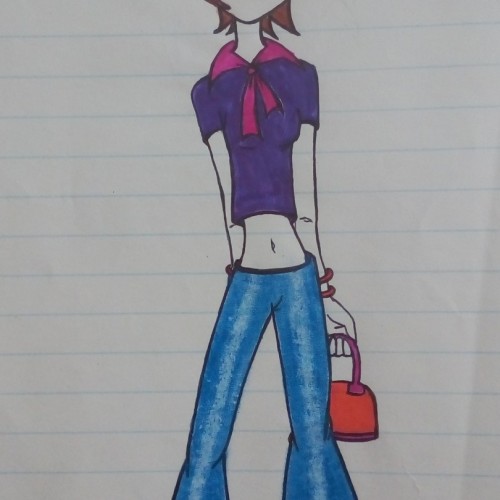
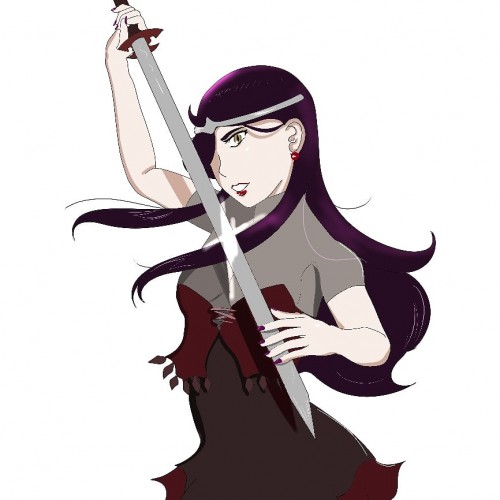
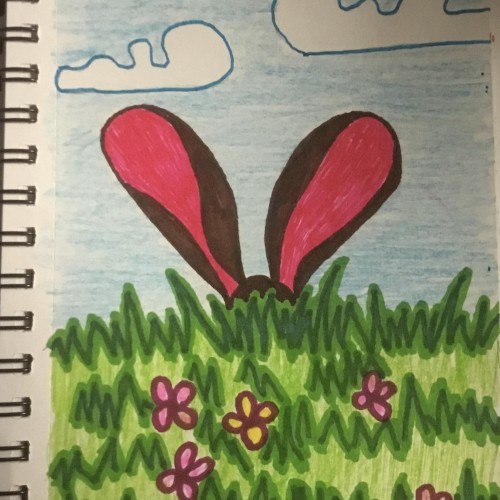
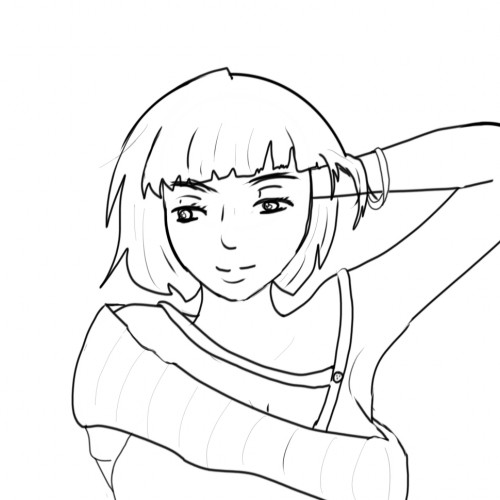
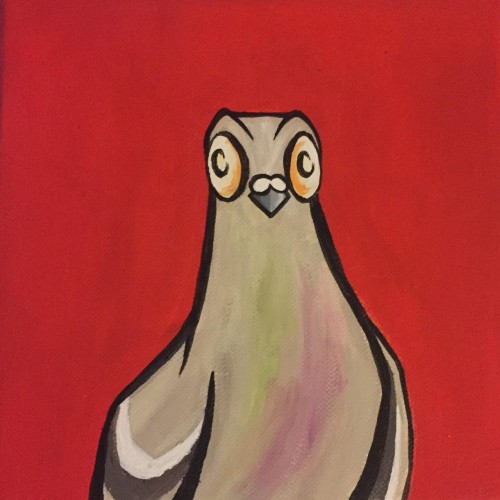
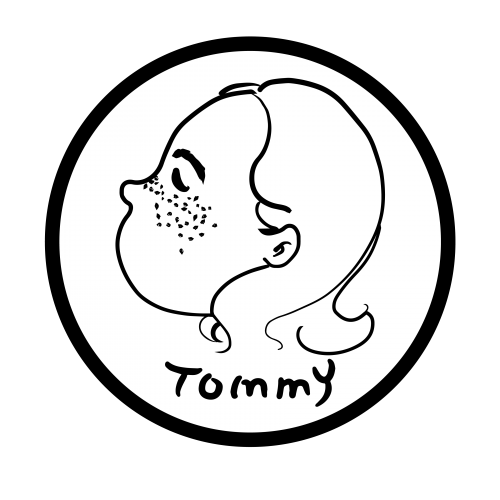
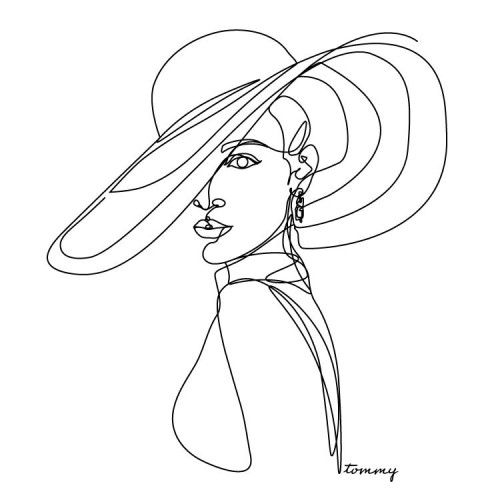
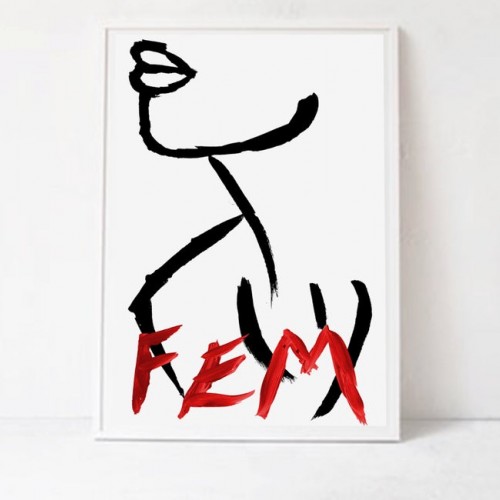
A simple drawing that represents a girl who is her own person, she does not need anyone's validation. She is mysterious.She is special and she knows it.We all are.
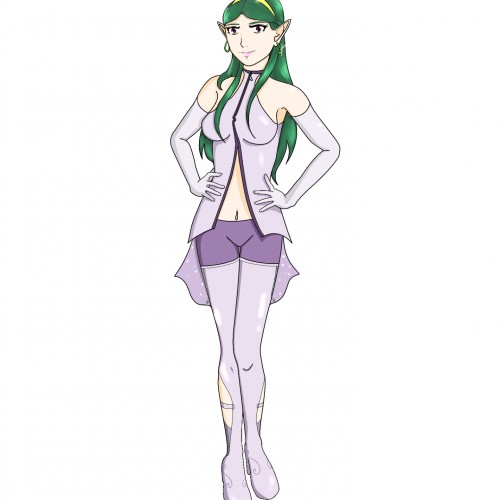
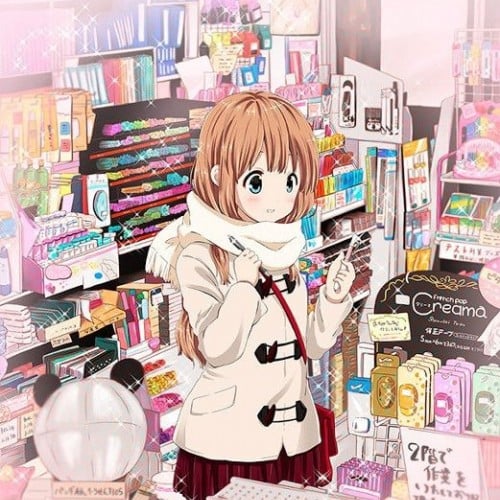
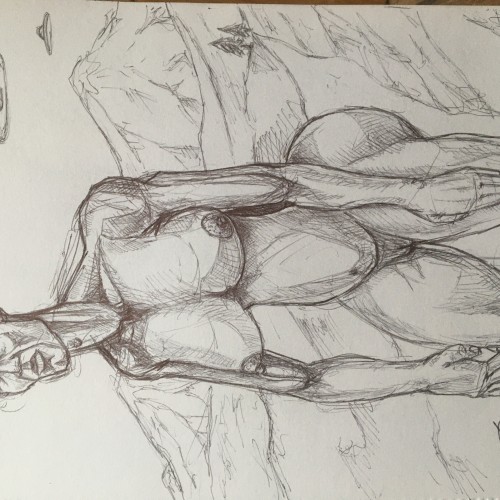
I'm currently working on a digital comic and this is one of the main characters. Her name is Akiko she is gifted with the ability to use magic that few have, shes a huge flirt and very vain in her appearance. Simple Concept art for her.
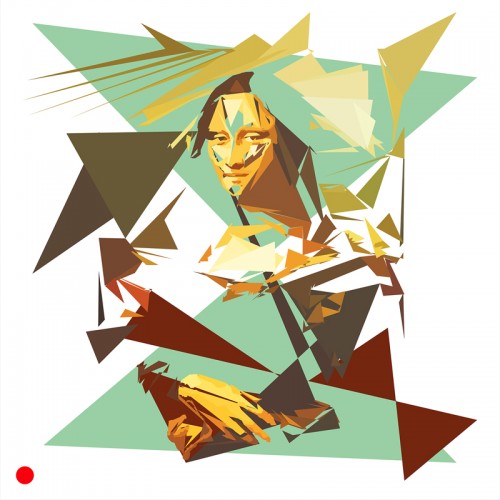
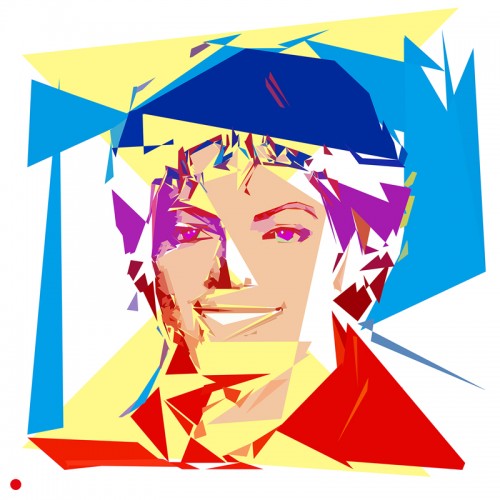
Français : L’Appropriationnisme ou le « Remake » est un concept simple. En effet, il suffit de reprendre le travail d’un artiste et signer la nouvelle production de son nom. Il ne s’agit, en aucun cas, de copier l’œuvre comme pourrait le faire un faussaire. Il ne s’agit pas non plus de plagier l’œuvre.
En ce qui me concerne, j’utilise l’œuvre célèbre d’un artiste reconnu. En réutilisant une œuvre originale préexistante et célèbre, condition sine qua non, je propose de rendre un hommage. Il ne s’agit en aucun cas d’un manque d’inspiration surtout lorsque l’on sait maintenant que : « l’art naît de l’art et non de la nature » : Ernst Gombrich.
Dans cette série, j’ai voulu revisiter des œuvres célèbres en utilisant ma technique graphique de l’éloge de l’approximation mettant en évidence la problématique de la défaillance et de la mémoire vaporeuse.
English: Appropriationism or Remake is a simple concept. Indeed, it is enough to take again the work of an artist and to sign the new production of his name. It is not a question of copying the work as a forger could do. It is not a question of plagiarizing the work.
As far as I'm concerned, I use the famous work of a recognized artist. By reusing a pre-existing and famous original work, condition sine qua non, I propose to pay tribute. It is by no means a lack of inspiration especially when we now know that: "art is born of art and not of nature": Ernst Gombrich.
In this series, I wanted to revisit famous works using my graphic technique of praising the approximation highlighting the problem of failure and vaporous memory.
https://www.pierretomyleboucher.fr
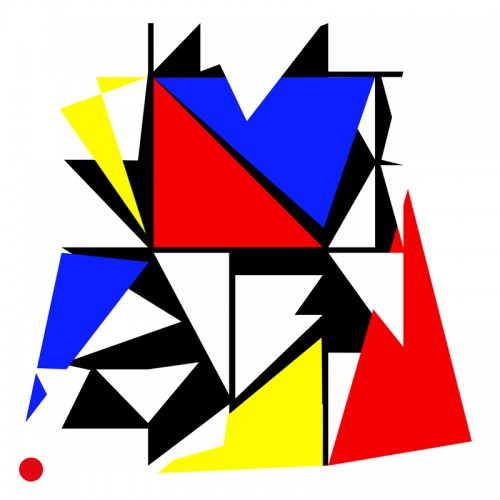
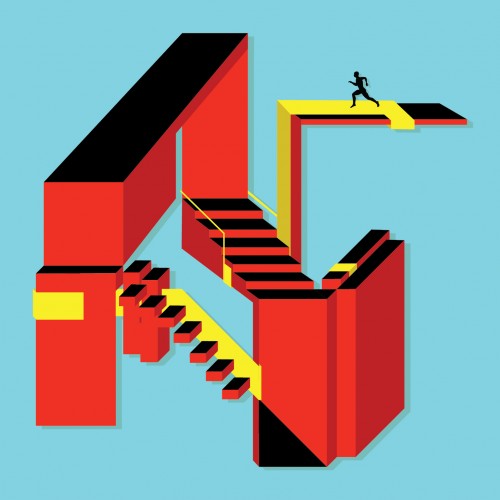
"Ups & Downs" explores the nature of basic shapes/colors and how they interact to tell a story. This piece focuses on an infinite recycled energy, meaning there is no end point to its structure. The aim was to keep it simple yet structurally complex to the eye.
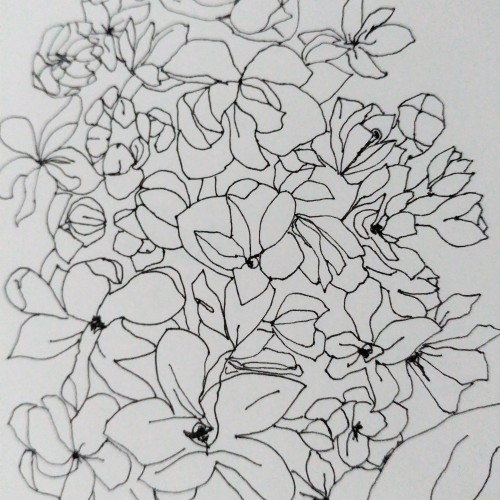
My drawings depict figures that are created from my imagination. My figures are distorted and usually out of proportion as I prefer not to be constrained by reality of what we see around us . My work typically is done using a simple black biro. I find the act of drawing a vehicle to express and explore ideas in figurative forms.
Français : L’Appropriationnisme ou le « Remake » est un concept simple. En effet, il suffit de reprendre le travail d’un artiste et signer la nouvelle production de son nom. Il ne s’agit, en aucun cas, de copier l’œuvre comme pourrait le faire un faussaire. Il ne s’agit pas non plus de plagier l’œuvre.
En ce qui me concerne, j’utilise l’œuvre célèbre d’un artiste reconnu. En réutilisant une œuvre originale préexistante et célèbre, condition sine qua non, je propose de rendre un hommage. Il ne s’agit en aucun cas d’un manque d’inspiration surtout lorsque l’on sait maintenant que : « l’art naît de l’art et non de la nature » : Ernst Gombrich.
Dans cette série, j’ai voulu revisiter des œuvres célèbres en utilisant ma technique graphique de l’éloge de l’approximation mettant en évidence la problématique de la défaillance et de la mémoire vaporeuse.
English: Appropriationism or Remake is a simple concept. Indeed, it is enough to take again the work of an artist and to sign the new production of his name. It is not a question of copying the work as a forger could do. It is not a question of plagiarizing the work.
As far as I'm concerned, I use the famous work of a recognized artist. By reusing a pre-existing and famous original work, condition sine qua non, I propose to pay tribute. It is by no means a lack of inspiration especially when we now know that: "art is born of art and not of nature": Ernst Gombrich.
In this series, I wanted to revisit famous works using my graphic technique of praising the approximation highlighting the problem of failure and vaporous memory.
https://www.pierretomyleboucher.fr
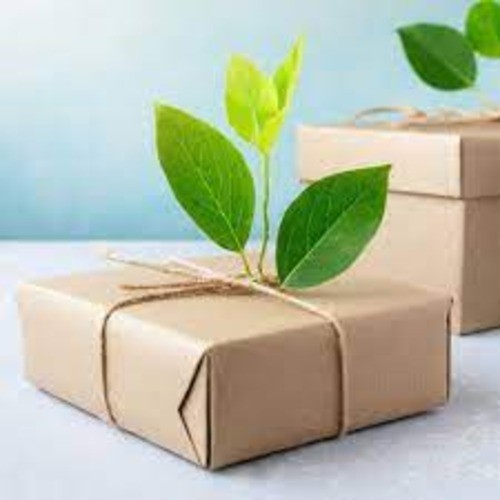
This artwork beautifully reflects the essence of Eco Friendly Packaging Eco Friendly Packaging by uniting nature and design. A simple kraft paper box, tied with organic twine, carries a sprouting green plant that symbolizes life, renewal, and sustainability. The composition turns ordinary packaging into a statement of environmental care, reminding us that every choice can support a greener future.
Steemo is a toy company, it makes toys by nut and bolts that's why we provide a simple, memorable, and unique icon created by nut and bolts which is juggling with nuts and bolts.
Need a logo design? Email evenflowstudio@gmail.com
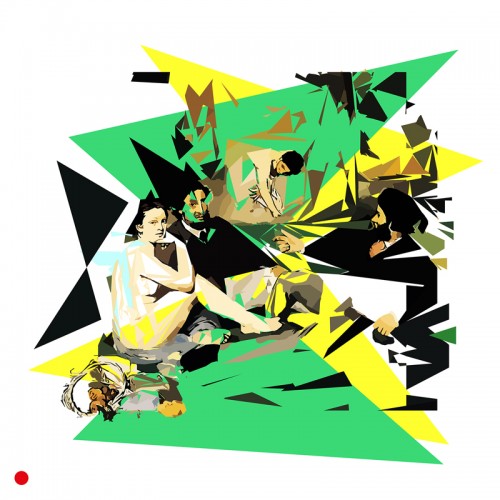
Appropriationnisme ou le « Remake » Édouard Manet : le déjeuner sur l’herbe
Français : L’Appropriationnisme ou le « Remake » est un concept simple. En effet, il suffit de reprendre le travail d’un artiste et signer la nouvelle production de son nom. Il ne s’agit, en aucun cas, de copier l’œuvre comme pourrait le faire un faussaire. Il ne s’agit pas non plus de plagier l’œuvre.
En ce qui me concerne, j’utilise l’œuvre célèbre d’un artiste reconnu. En réutilisant une œuvre originale préexistante et célèbre, condition sine qua non, je propose de rendre un hommage. Il ne s’agit en aucun cas d’un manque d’inspiration surtout lorsque l’on sait maintenant que : « l’art naît de l’art et non de la nature » : Ernst Gombrich.
Dans cette série, j’ai voulu revisiter des œuvres célèbres en utilisant ma technique graphique de l’éloge de l’approximation mettant en évidence la problématique de la défaillance et de la mémoire vaporeuse.
English: Appropriationism or Remake is a simple concept. Indeed, it is enough to take again the work of an artist and to sign the new production of his name. It is not a question of copying the work as a forger could do. It is not a question of plagiarizing the work.
As far as I'm concerned, I use the famous work of a recognized artist. By reusing a pre-existing and famous original work, condition sine qua non, I propose to pay tribute. It is by no means a lack of inspiration especially when we now know that: "art is born of art and not of nature": Ernst Gombrich.
In this series, I wanted to revisit famous works using my graphic technique of praising the approximation highlighting the problem of failure and vaporous memory.
https://www.pierretomyleboucher.fr
Français : L’Appropriationnisme ou le « Remake » est un concept simple. En effet, il suffit de reprendre le travail d’un artiste et signer la nouvelle production de son nom. Il ne s’agit, en aucun cas, de copier l’œuvre comme pourrait le faire un faussaire. Il ne s’agit pas non plus de plagier l’œuvre.
En ce qui me concerne, j’utilise l’œuvre célèbre d’un artiste reconnu. En réutilisant une œuvre originale préexistante et célèbre, condition sine qua non, je propose de rendre un hommage. Il ne s’agit en aucun cas d’un manque d’inspiration surtout lorsque l’on sait maintenant que : « l’art naît de l’art et non de la nature » : Ernst Gombrich.
Dans cette série, j’ai voulu revisiter des œuvres célèbres en utilisant ma technique graphique de l’éloge de l’approximation mettant en évidence la problématique de la défaillance et de la mémoire vaporeuse.
English: Appropriationism or Remake is a simple concept. Indeed, it is enough to take again the work of an artist and to sign the new production of his name. It is not a question of copying the work as a forger could do. It is not a question of plagiarizing the work.
As far as I'm concerned, I use the famous work of a recognized artist. By reusing a pre-existing and famous original work, condition sine qua non, I propose to pay tribute. It is by no means a lack of inspiration especially when we now know that: "art is born of art and not of nature": Ernst Gombrich.
In this series, I wanted to revisit famous works using my graphic technique of praising the approximation highlighting the problem of failure and vaporous memory.
The inspiration for this collection came from a conversation I had with the Founder and Executive Director of the Underprivileged And Underserved Foundation (UAUF), George Goodwine. While discussing race and whether or not every opportunity was fair based upon someone’s familial structure or “starting line,” I was asked the following questions. How does someone overcome these hurdles? How can the playing field be leveled to make things fairer, when others may only have 50 hurdles to overcome in the same competition?
My response was simple. “The person in front of 150 hurdles has two choices. They can either get discouraged before they begin, or start jumping. In the midst of the race they might get tired, unsure, or discouraged, but if they press on to the finish line they may become more physically fit than the person who jumps over 50.”
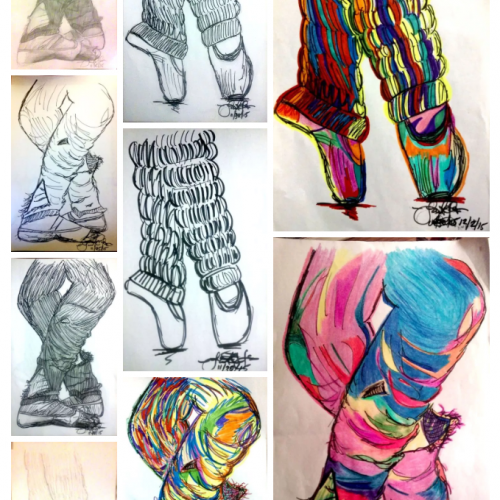
I used to dance ballet and at the time, there were a lot of hurdles I had to overcome solely based upon inconveniences that came with being raised in low-income, single parent home. Above are pencil sketches and sharpie drawings that I have drawn from actual photos. I plan on making these images my own by adding more abstraction and vibrant color to them.
Over the course of the project, stay tuned to see how these pictures will transform into a work of ART!!! Check out my artwork at theservingartist.com
Originally created for a college project. Really love the simplicity of the graphic. Can be found on etsy in my shop - WebForia https://www.etsy.com/uk/shop/WebForia
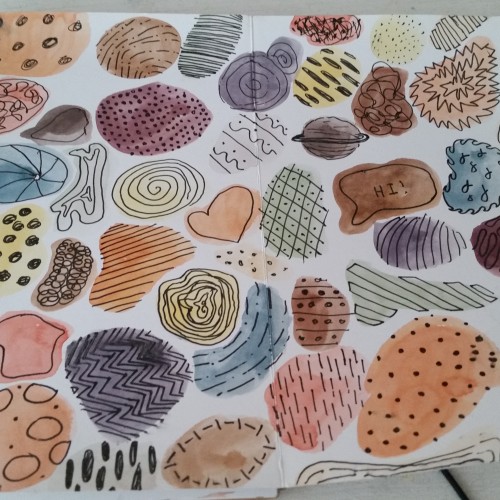
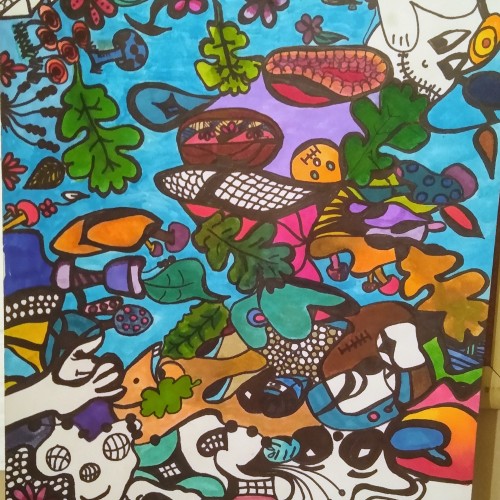
The picture is terrible. the colors are much brighter... Named for the person liked it most Marker, sharpie, watercolor markers. Simple way to get out of my mind, relax, zone out, I call it brain numbing style because to me it's simple (but it's not really) and just what I do no rhyme or reason. I Just start drawing lines (no subject) with black sharpie/perm marker and see what develops, often surprise myself. I go back and see faces, objects, figures... Closing lines up I see more and then as I start adding color more images develop, no theme to begin but rather it develops as I color and close it in . I tend to see faces a lot especially in graphite or charcoal and in just about anything...rocks, wood, paneling. At times I start with a scenery or subject but turns out completely different and the original never happened. I find out after I look up from being so focused (call it zoned out)