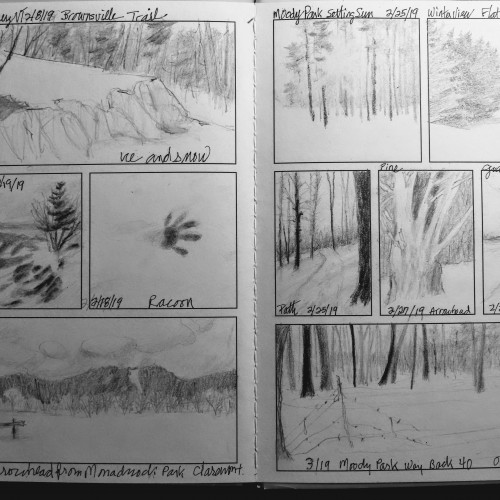
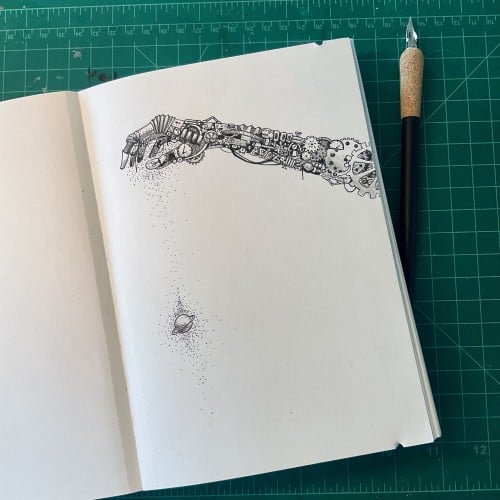
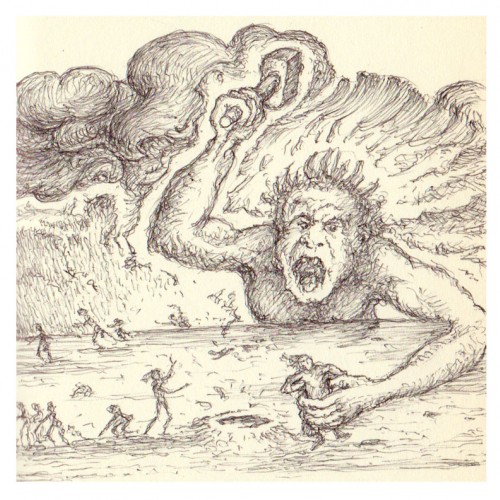
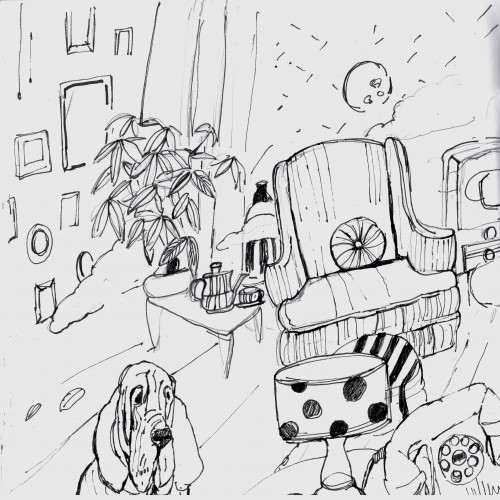
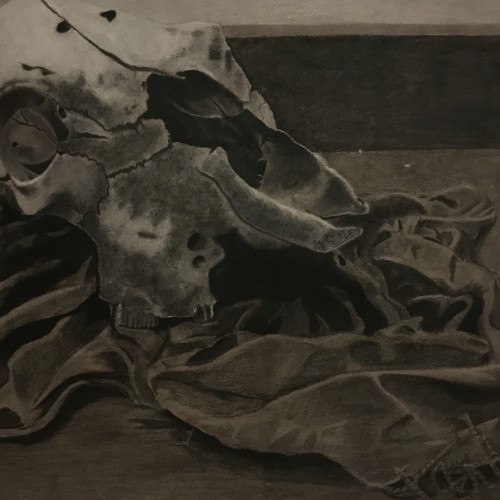
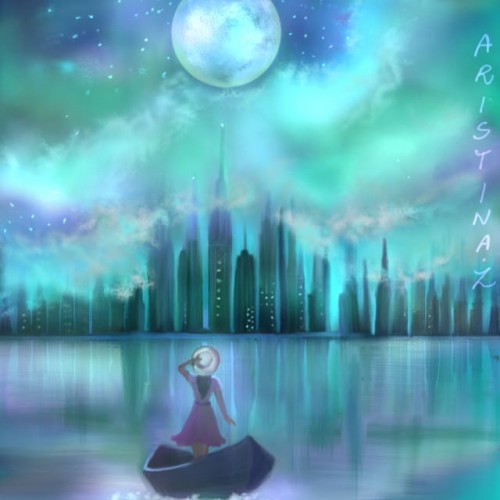
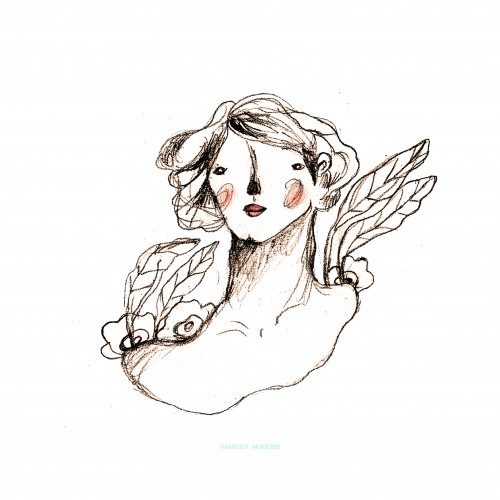
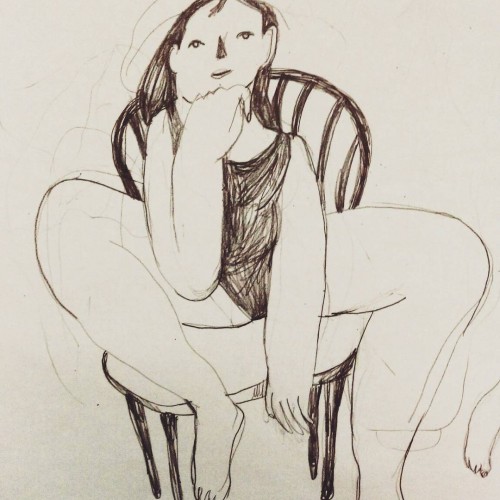
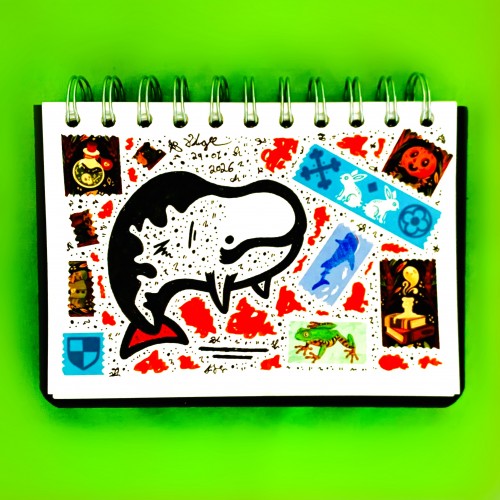
This little book had several tiny squares/rectangles per page. At first I didn't know how to fill it (2017). Eventually I sketched trees, scenes, birds, animals I'd seen during a days walk. It accidentally became a diary of seasons! Not all my art is nature sketching, I'm a watercolor artist as well. But line and pen drawing, halftone is what I've been up to for a while.
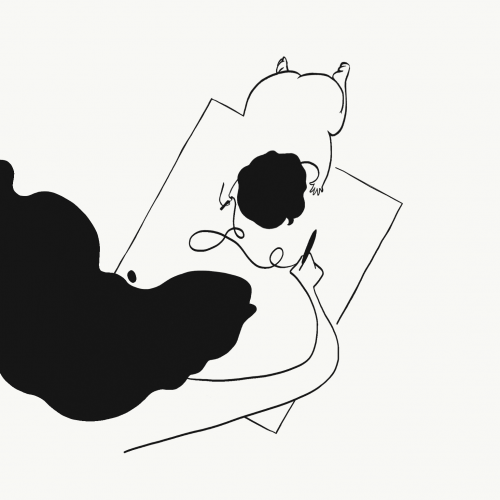
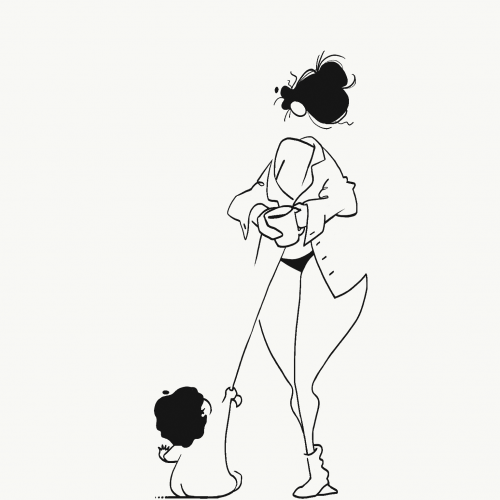
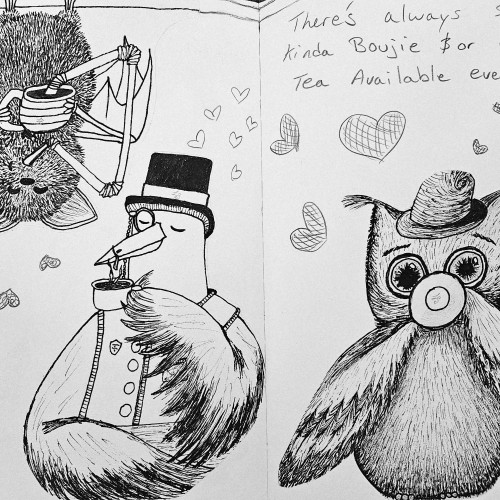
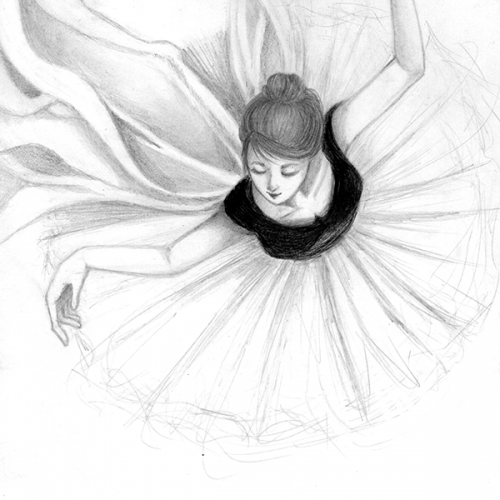
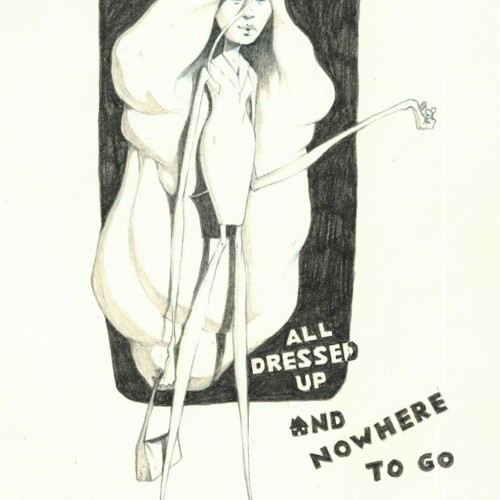
This week’s been an interesting one for socialising in my world, no denying it. If I’m not getting acquainted with new folks at work or at my art clubs, it’s reconnecting with people I haven’t seen in 20+ years… certainly informed today’s piece, without a doubt!
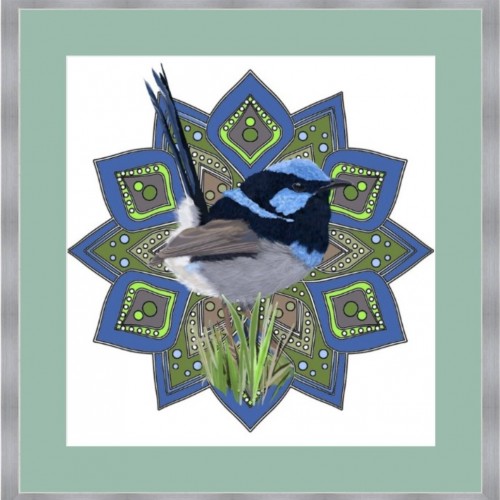
An amended version now framed - A Superb Male Fairy Wren (Malurus Cyaneus) with its full plumage and is available with transparent background to suit many merch products.
The Superb Fairy-wren was one of the first Australian birds to be described. Male Superb Fairy-wrens have been labelled as 'the least faithful birds in the world'. Females may be courted by up to 13 males in half an hour.
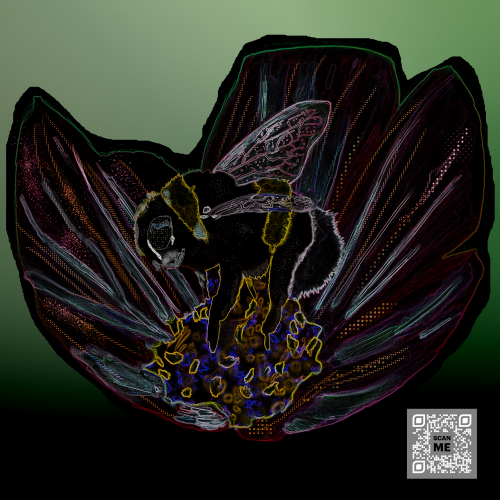
Flight of the bumblebee The lifecycle begins in spring, when rising temperatures awaken a queen bumblebee that has been hibernating alone in the soil. The queen will have spent the entire winter underground, using up reserves of energy stored as fat in her body. When she first emerges, she feeds on flowers, drinking nectar to gain energy. She will then begin to search for a suitable nest site. Frequent nesting sites include holes in the ground, tussocky grass, bird boxes and under garden sheds.
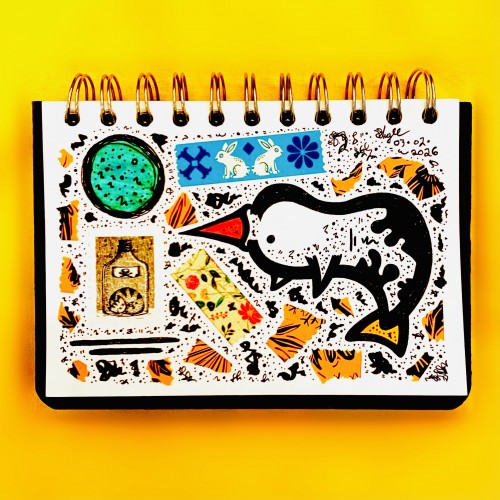
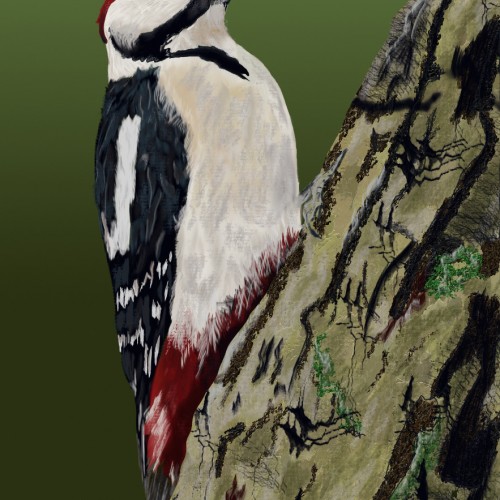
The Lesser Spotted Woodpecker is the smallest and least common of the UK's three species of woodpecker. It is most often found in the tops of trees where it creeps along branches in search of insects. Found in England, but rare in the north. Absent from Scotland and Ireland. Its 'drumming' is much quieter and less vigorous than that of the Great Spotted Woodpecker; its presence is often only given away by this or their call.
The lesser spotted woodpecker is small in size, being not much bigger than a house sparrow. Males are black and white, with a red crown cap, and females are plain black and white. They both have a distinctive white ladder marking down their black back.
**Did you know?**
There are now believed to be less than 3,000 pairs breeding annually in the UK compared to nearly 45,000 greater spotted woodpeckers.
Still pretty crazy busy with school and activities, but I'm getting some time in every day
Hopefully I'll have longer at some point and can put out something with a little more effort behind it