Previous
Next
logo logo
logo logo
  • Discover Art
    • Trending
    • Most Recent
    • Most Faves
    • Most Views
    • Curated Galleries
  • Drawing Challenges
    • See All Challenges
  • Drawing Prompts
  • Artists
    • Most Popular
    • Most Recent
    • Available For Hire
    • Artist Spotlight
  • More
    • Marketplace
    • Art Discussions
    • Resources
    • News + Blog
Login
Most Comments
Select an option
  • Most Relevant
  • Most Faves
  • Most Views
  • Most Comments
  • Most Recent
SEARCH RESULTS FOR

special

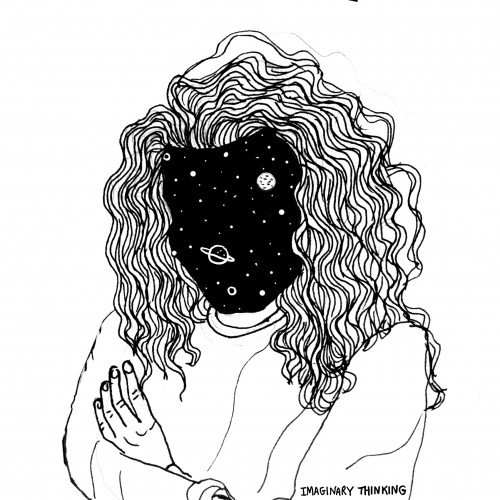
Imaginary Thinking Imaginary Thinking
Enlarge
Mindless

Day 2 #mindless, #Inktober 2019. No forethought or sense, just space. It's good to be mindless sometimes but remember to be aware, and compassionate with those around you, especially those closer to you. You never know what other people are dealing with. Try to be kind. Daily drawing #643

  • 464
  • 5
  • 0
Emra Nation Emra Nation
Enlarge
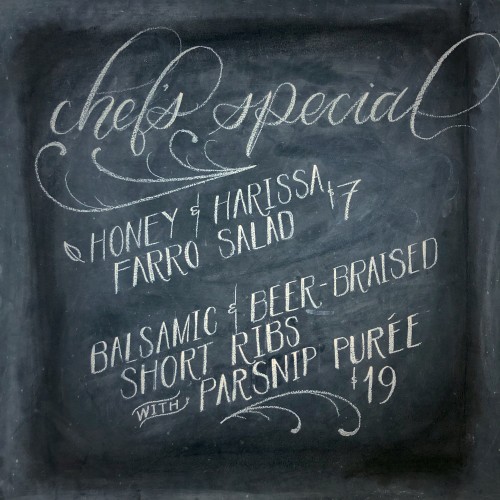
Chef’s Special

  • 9
  • 2
  • 0
Beresford Beresford
Enlarge
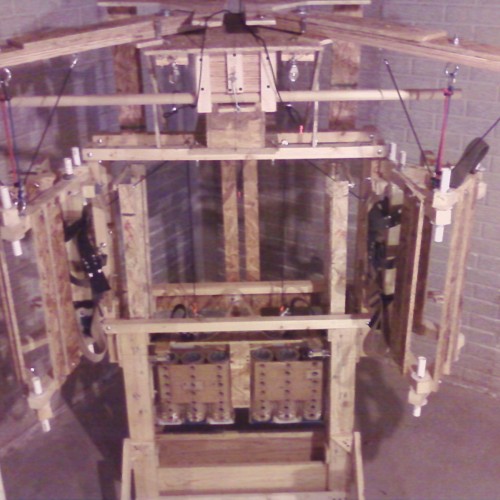
Industrial Art Project

What was created? A concept exerciser (aka: homemade workout machine) made mostly out of wood components, that was a contraption full of hinges, pulleys, weights, and grips (see pin 1). With my system, a person could perform both the butterfly and lat pull down exercises and transition between them with minimal effort. The unit stood about 8 feet tall and was about 6 ft wide when the butterfly arms were connected to it. Why was it created? I have always been fascinated with weight training machine design. I had a bench press weight set at home that did not come with a butterfly attachment, so I decided to make one of my own. I was able to get a steady supply of material (scrap wood) from a local source and constructed a workout routine by stacking columns of weight (instead of accumulating weight plates) in a moving grid generating even or uneven resistance (see pin 3). I also consider what I made could be a benefit to others since it does: (1) represent an extension of DIY culture (i.e. advancing individual knowledge, learning new skills, and the feeling of satisfaction that comes from building from your own ideas), (2) how to apply simple machine principles (i.e. pulleys, leverage, changing the direction or amount of force, etc.) in making a project and, (3) promote woodworking (which allows a person to be creative and is a wonderful medium for artistic expression). What makes it special? What makes my work distinctive concerns the butterfly arms and the weight container. Butterfly Attachment The butterfly attachment arms can be quick disconnected and re-mounted easily. The jackknife motion that the butterfly arms travel in as they flex forward and return to their starting position is an original conception. Weight Grid (see pin 3) Unlike traditional stacked weight plate machines, a person is allowed to make a variety of pattern configurations on the grid (X,□, /,\, —, etc.) by using cup shaped ballast inserts (up to 24) that changes the amount of force a user exerts for each repetition (see figure 2). An individual can position the weights in organized horizontal/vertical patterns or treat them more as random objects in the load basket. In their current form my system’s weight supplements are ½ pound each (about 2 ¾ inches long and 1 14/16 inches in diameter): making them easy to manage. If solid roll stock were used in their construction, they would be estimated to weigh 2 ½ to 2 ¾ pounds (see pin 2). When not in use, weights can be placed in the grid case for compact storage. As a point of fact, the sight holes cut into the drop tubes were drilled by hand with a fixture and not with the use of a drill press. At one point, I contemplated that one could focus on certain muscle groups in the upper body by placing inserts on the weight grid in particular patterns (X,□, /,\, —, etc.). This may have been beneficial for those in need of rehabilitation (through segregation of muscle areas that needed treatment) in such disciplines as Kinesiology or Physical Therapy. What was learned creating it? I learned how much ideas on paper can change drastically when fabricated physically. I learned how challenging it was to develop removable butterfly arms that hang and pivot in mid air. The exerciser’s weight box glides up and down on a vertical guide. I researched various ways of how to make that move while keeping the friction between the connectors on the weight box and the track surface it to a minimum. This was in order to make the climb and drop motion as fluid and controlled as possible. I considered using various sprays, waxes, greases, lacquers, covers, wheels, and even ball bearings to accomplish that. I ended up sanding the inside of the track extensively and then mounted small furniture mover inserts to the weight box on its four corners for a successful connection. Therefore, I learned here how important considering a variety of ideas provides solution to a problem. If I were to start over and do things again? I probably would have done some more background research in the areas of Fluid Dynamics or Biomechanics. I figure, if I had consulted with people in those areas, the time it took to design and redesign the overall unit as well as the weight box might not have taken about 3 years to fully complete. Miscellaneous In the back the machine was a counterweight of tube sand (60 lbs.). Without that, the whole thing would have toppled forward when trying to use it. Thank you for your time. Best Regards. Matthew Link: https://www.pinterest.com/meb206/industrial-art-project/

  • 14
  • 1
  • 0
Kitsune Kitsune
Enlarge
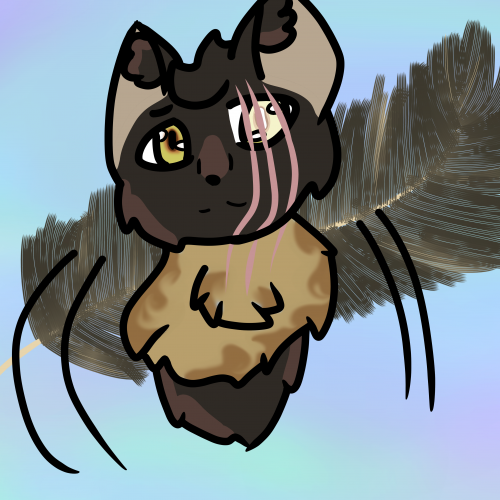
Pastel Feather

I'm actually really proud of this one, especially for the feather. I had made almost every individual line using the Flat Brush in FireAlpaca (10/10 would recommend) but it was fun putting all my effort into one piece.

  • 10
  • 1
  • 0
LeBoucher LeBoucher
Enlarge
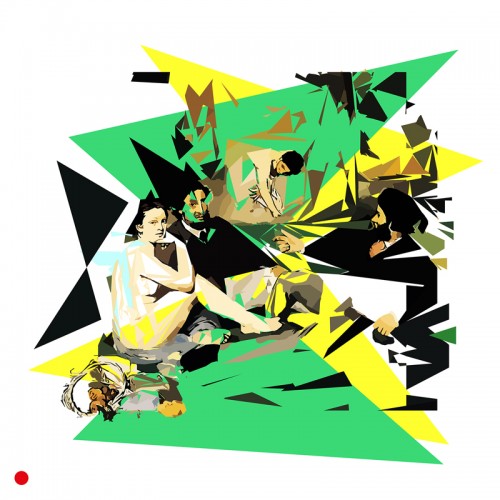
Appropriationnisme ou le « Remake » Édouard Manet : le déjeuner sur l’herbe

Appropriationnisme ou le « Remake » Édouard Manet : le déjeuner sur l’herbe Français : L’Appropriationnisme ou le « Remake » est un concept simple. En effet, il suffit de reprendre le travail d’un artiste et signer la nouvelle production de son nom. Il ne s’agit, en aucun cas, de copier l’œuvre comme pourrait le faire un faussaire. Il ne s’agit pas non plus de plagier l’œuvre. En ce qui me concerne, j’utilise l’œuvre célèbre d’un artiste reconnu. En réutilisant une œuvre originale préexistante et célèbre, condition sine qua non, je propose de rendre un hommage. Il ne s’agit en aucun cas d’un manque d’inspiration surtout lorsque l’on sait maintenant que : « l’art naît de l’art et non de la nature » : Ernst Gombrich. Dans cette série, j’ai voulu revisiter des œuvres célèbres en utilisant ma technique graphique de l’éloge de l’approximation mettant en évidence la problématique de la défaillance et de la mémoire vaporeuse. English: Appropriationism or Remake is a simple concept. Indeed, it is enough to take again the work of an artist and to sign the new production of his name. It is not a question of copying the work as a forger could do. It is not a question of plagiarizing the work. As far as I'm concerned, I use the famous work of a recognized artist. By reusing a pre-existing and famous original work, condition sine qua non, I propose to pay tribute. It is by no means a lack of inspiration especially when we now know that: "art is born of art and not of nature": Ernst Gombrich. In this series, I wanted to revisit famous works using my graphic technique of praising the approximation highlighting the problem of failure and vaporous memory. https://www.pierretomyleboucher.fr

  • 8
  • 0
  • 0
LeBoucher LeBoucher
Enlarge
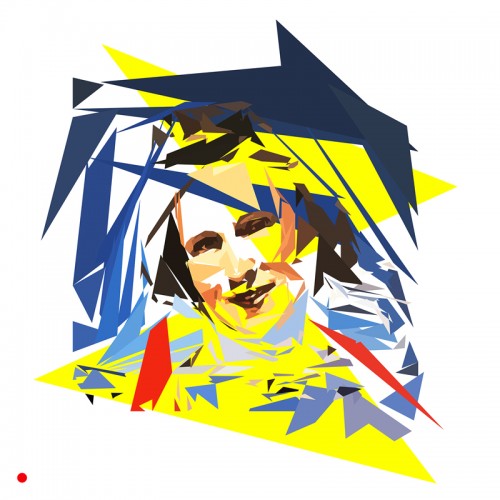
Appropriationnisme ou le « Remake » Woman with a book - 1923 de Fernand Léger

Français : L’Appropriationnisme ou le « Remake » est un concept simple. En effet, il suffit de reprendre le travail d’un artiste et signer la nouvelle production de son nom. Il ne s’agit, en aucun cas, de copier l’œuvre comme pourrait le faire un faussaire. Il ne s’agit pas non plus de plagier l’œuvre. En ce qui me concerne, j’utilise l’œuvre célèbre d’un artiste reconnu. En réutilisant une œuvre originale préexistante et célèbre, condition sine qua non, je propose de rendre un hommage. Il ne s’agit en aucun cas d’un manque d’inspiration surtout lorsque l’on sait maintenant que : « l’art naît de l’art et non de la nature » : Ernst Gombrich. Dans cette série, j’ai voulu revisiter des œuvres célèbres en utilisant ma technique graphique de l’éloge de l’approximation mettant en évidence la problématique de la défaillance et de la mémoire vaporeuse. English: Appropriationism or Remake is a simple concept. Indeed, it is enough to take again the work of an artist and to sign the new production of his name. It is not a question of copying the work as a forger could do. It is not a question of plagiarizing the work. As far as I'm concerned, I use the famous work of a recognized artist. By reusing a pre-existing and famous original work, condition sine qua non, I propose to pay tribute. It is by no means a lack of inspiration especially when we now know that: "art is born of art and not of nature": Ernst Gombrich. In this series, I wanted to revisit famous works using my graphic technique of praising the approximation highlighting the problem of failure and vaporous memory. https://www.pierretomyleboucher.fr

  • 3
  • 1
  • 0
LeBoucher LeBoucher
Enlarge
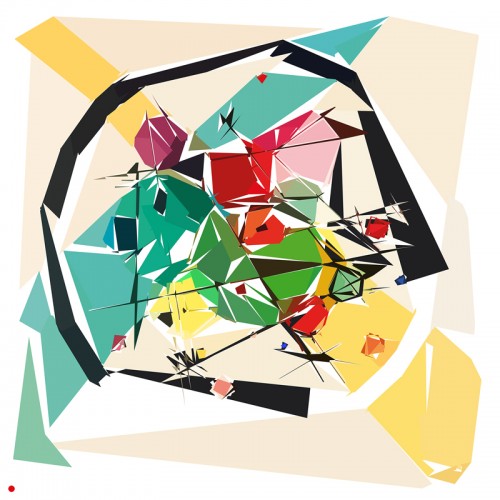
Appropriationnisme ou le « Remake » Wassily -Kandinsky – Painting style Wassily Kandinsky –Circles in a circle - 1923

Français : L’Appropriationnisme ou le « Remake » est un concept simple. En effet, il suffit de reprendre le travail d’un artiste et signer la nouvelle production de son nom. Il ne s’agit, en aucun cas, de copier l’œuvre comme pourrait le faire un faussaire. Il ne s’agit pas non plus de plagier l’œuvre. En ce qui me concerne, j’utilise l’œuvre célèbre d’un artiste reconnu. En réutilisant une œuvre originale préexistante et célèbre, condition sine qua non, je propose de rendre un hommage. Il ne s’agit en aucun cas d’un manque d’inspiration surtout lorsque l’on sait maintenant que : « l’art naît de l’art et non de la nature » : Ernst Gombrich. Dans cette série, j’ai voulu revisiter des œuvres célèbres en utilisant ma technique graphique de l’éloge de l’approximation mettant en évidence la problématique de la défaillance et de la mémoire vaporeuse. English: Appropriationism or Remake is a simple concept. Indeed, it is enough to take again the work of an artist and to sign the new production of his name. It is not a question of copying the work as a forger could do. It is not a question of plagiarizing the work. As far as I'm concerned, I use the famous work of a recognized artist. By reusing a pre-existing and famous original work, condition sine qua non, I propose to pay tribute. It is by no means a lack of inspiration especially when we now know that: "art is born of art and not of nature": Ernst Gombrich. In this series, I wanted to revisit famous works using my graphic technique of praising the approximation highlighting the problem of failure and vaporous memory. https://www.pierretomyleboucher.fr

  • 6
  • 2
  • 0
LeBoucher LeBoucher
Enlarge
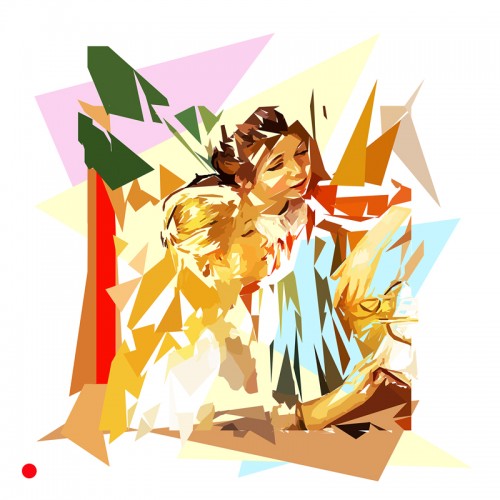
Appropriationnisme ou le « Remake » de la leçon de piano de Pierre-Auguste  Renoir

Français : L’Appropriationnisme ou le « Remake » est un concept simple. En effet, il suffit de reprendre le travail d’un artiste et signer la nouvelle production de son nom. Il ne s’agit, en aucun cas, de copier l’œuvre comme pourrait le faire un faussaire. Il ne s’agit pas non plus de plagier l’œuvre. En ce qui me concerne, j’utilise l’œuvre célèbre d’un artiste reconnu. En réutilisant une œuvre originale préexistante et célèbre, condition sine qua non, je propose de rendre un hommage. Il ne s’agit en aucun cas d’un manque d’inspiration surtout lorsque l’on sait maintenant que : « l’art naît de l’art et non de la nature » : Ernst Gombrich. Dans cette série, j’ai voulu revisiter des œuvres célèbres en utilisant ma technique graphique de l’éloge de l’approximation mettant en évidence la problématique de la défaillance et de la mémoire vaporeuse. English: Appropriationism or Remake is a simple concept. Indeed, it is enough to take again the work of an artist and to sign the new production of his name. It is not a question of copying the work as a forger could do. It is not a question of plagiarizing the work. As far as I'm concerned, I use the famous work of a recognized artist. By reusing a pre-existing and famous original work, condition sine qua non, I propose to pay tribute. It is by no means a lack of inspiration especially when we now know that: "art is born of art and not of nature": Ernst Gombrich. In this series, I wanted to revisit famous works using my graphic technique of praising the approximation highlighting the problem of failure and vaporous memory. https://www.pierretomyleboucher.fr

  • 3
  • 0
  • 0
LeBoucher LeBoucher
Enlarge
Appropriationnisme ou le « Remake » de Galasymptomes Rhinocerontiques de Dali

Français : L’Appropriationnisme ou le « Remake » est un concept simple. En effet, il suffit de reprendre le travail d’un artiste et signer la nouvelle production de son nom. Il ne s’agit, en aucun cas, de copier l’œuvre comme pourrait le faire un faussaire. Il ne s’agit pas non plus de plagier l’œuvre. En ce qui me concerne, j’utilise l’œuvre célèbre d’un artiste reconnu. En réutilisant une œuvre originale préexistante et célèbre, condition sine qua non, je propose de rendre un hommage. Il ne s’agit en aucun cas d’un manque d’inspiration surtout lorsque l’on sait maintenant que : « l’art naît de l’art et non de la nature » : Ernst Gombrich. Dans cette série, j’ai voulu revisiter des œuvres célèbres en utilisant ma technique graphique de l’éloge de l’approximation mettant en évidence la problématique de la défaillance et de la mémoire vaporeuse. English: Appropriationism or Remake is a simple concept. Indeed, it is enough to take again the work of an artist and to sign the new production of his name. It is not a question of copying the work as a forger could do. It is not a question of plagiarizing the work. As far as I'm concerned, I use the famous work of a recognized artist. By reusing a pre-existing and famous original work, condition sine qua non, I propose to pay tribute. It is by no means a lack of inspiration especially when we now know that: "art is born of art and not of nature": Ernst Gombrich. In this series, I wanted to revisit famous works using my graphic technique of praising the approximation highlighting the problem of failure and vaporous memory. https://www.pierretomyleboucher.fr

  • 7
  • 2
  • 0
LeBoucher LeBoucher
Enlarge
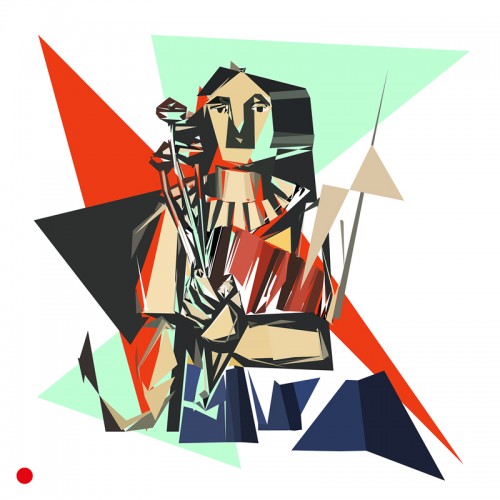
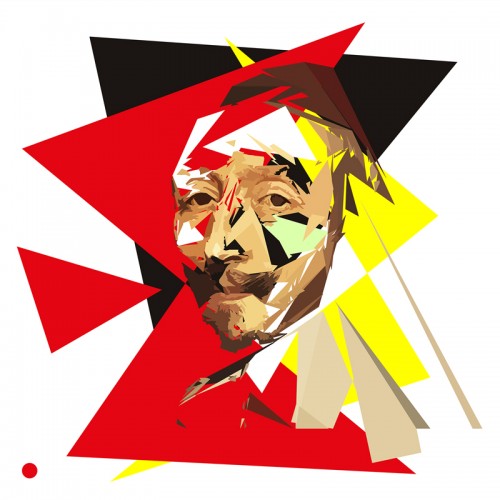
Appropriationnisme ou le « Remake » du Richelieu de Philippe de Champaigne

Français : L’Appropriationnisme ou le « Remake » est un concept simple. En effet, il suffit de reprendre le travail d’un artiste et signer la nouvelle production de son nom. Il ne s’agit, en aucun cas, de copier l’œuvre comme pourrait le faire un faussaire. Il ne s’agit pas non plus de plagier l’œuvre. En ce qui me concerne, j’utilise l’œuvre célèbre d’un artiste reconnu. En réutilisant une œuvre originale préexistante et célèbre, condition sine qua non, je propose de rendre un hommage. Il ne s’agit en aucun cas d’un manque d’inspiration surtout lorsque l’on sait maintenant que : « l’art naît de l’art et non de la nature » : Ernst Gombrich. Dans cette série, j’ai voulu revisiter des œuvres célèbres en utilisant ma technique graphique de l’éloge de l’approximation mettant en évidence la problématique de la défaillance et de la mémoire vaporeuse. English: Appropriationism or Remake is a simple concept. Indeed, it is enough to take again the work of an artist and to sign the new production of his name. It is not a question of copying the work as a forger could do. It is not a question of plagiarizing the work. As far as I'm concerned, I use the famous work of a recognized artist. By reusing a pre-existing and famous original work, condition sine qua non, I propose to pay tribute. It is by no means a lack of inspiration especially when we now know that: "art is born of art and not of nature": Ernst Gombrich. In this series, I wanted to revisit famous works using my graphic technique of praising the approximation highlighting the problem of failure and vaporous memory. https://www.pierretomyleboucher.fr

  • 1
  • 0
  • 0
Ana Ana
Enlarge
EYES

I love drawing animals specially birds....this drawing is part of a series.

  • 5
  • 3
  • 0
LeBoucher LeBoucher
Enlarge
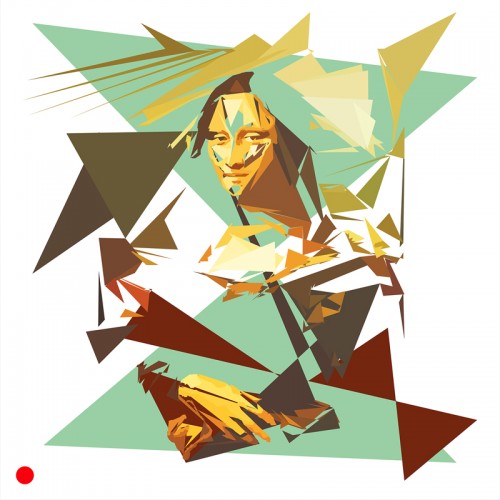
Appropriationnisme ou le « Remake » La Joconde de Léonard de Vinci

Français : L’Appropriationnisme ou le « Remake » est un concept simple. En effet, il suffit de reprendre le travail d’un artiste et signer la nouvelle production de son nom. Il ne s’agit, en aucun cas, de copier l’œuvre comme pourrait le faire un faussaire. Il ne s’agit pas non plus de plagier l’œuvre. En ce qui me concerne, j’utilise l’œuvre célèbre d’un artiste reconnu. En réutilisant une œuvre originale préexistante et célèbre, condition sine qua non, je propose de rendre un hommage. Il ne s’agit en aucun cas d’un manque d’inspiration surtout lorsque l’on sait maintenant que : « l’art naît de l’art et non de la nature » : Ernst Gombrich. Dans cette série, j’ai voulu revisiter des œuvres célèbres en utilisant ma technique graphique de l’éloge de l’approximation mettant en évidence la problématique de la défaillance et de la mémoire vaporeuse. English: Appropriationism or Remake is a simple concept. Indeed, it is enough to take again the work of an artist and to sign the new production of his name. It is not a question of copying the work as a forger could do. It is not a question of plagiarizing the work. As far as I'm concerned, I use the famous work of a recognized artist. By reusing a pre-existing and famous original work, condition sine qua non, I propose to pay tribute. It is by no means a lack of inspiration especially when we now know that: "art is born of art and not of nature": Ernst Gombrich. In this series, I wanted to revisit famous works using my graphic technique of praising the approximation highlighting the problem of failure and vaporous memory. https://www.pierretomyleboucher.fr

  • 9
  • 3
  • 0
LeBoucher LeBoucher
Enlarge
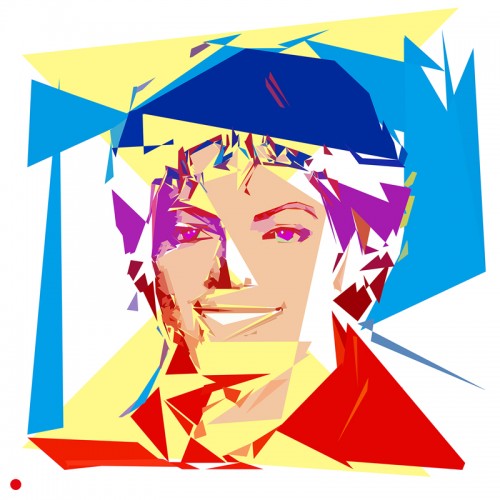
Appropriationnisme ou le « Remake » Michael Jackson by Andy Warhol

Français : L’Appropriationnisme ou le « Remake » est un concept simple. En effet, il suffit de reprendre le travail d’un artiste et signer la nouvelle production de son nom. Il ne s’agit, en aucun cas, de copier l’œuvre comme pourrait le faire un faussaire. Il ne s’agit pas non plus de plagier l’œuvre. En ce qui me concerne, j’utilise l’œuvre célèbre d’un artiste reconnu. En réutilisant une œuvre originale préexistante et célèbre, condition sine qua non, je propose de rendre un hommage. Il ne s’agit en aucun cas d’un manque d’inspiration surtout lorsque l’on sait maintenant que : « l’art naît de l’art et non de la nature » : Ernst Gombrich. Dans cette série, j’ai voulu revisiter des œuvres célèbres en utilisant ma technique graphique de l’éloge de l’approximation mettant en évidence la problématique de la défaillance et de la mémoire vaporeuse. English: Appropriationism or Remake is a simple concept. Indeed, it is enough to take again the work of an artist and to sign the new production of his name. It is not a question of copying the work as a forger could do. It is not a question of plagiarizing the work. As far as I'm concerned, I use the famous work of a recognized artist. By reusing a pre-existing and famous original work, condition sine qua non, I propose to pay tribute. It is by no means a lack of inspiration especially when we now know that: "art is born of art and not of nature": Ernst Gombrich. In this series, I wanted to revisit famous works using my graphic technique of praising the approximation highlighting the problem of failure and vaporous memory.

  • 8
  • 4
  • 0
LeBoucher LeBoucher
Enlarge
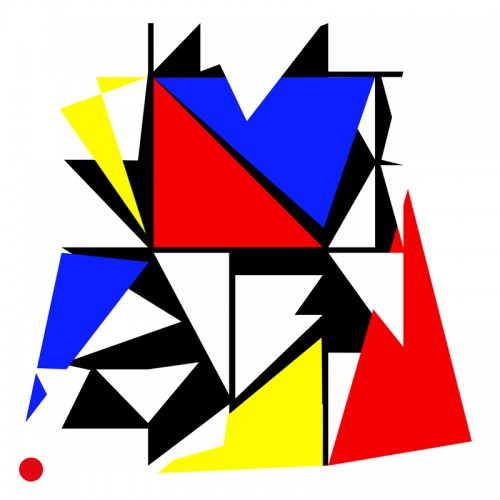
Appropriationnisme ou le « Remake » de Mondrian : Composition numéro 4

Français : L’Appropriationnisme ou le « Remake » est un concept simple. En effet, il suffit de reprendre le travail d’un artiste et signer la nouvelle production de son nom. Il ne s’agit, en aucun cas, de copier l’œuvre comme pourrait le faire un faussaire. Il ne s’agit pas non plus de plagier l’œuvre. En ce qui me concerne, j’utilise l’œuvre célèbre d’un artiste reconnu. En réutilisant une œuvre originale préexistante et célèbre, condition sine qua non, je propose de rendre un hommage. Il ne s’agit en aucun cas d’un manque d’inspiration surtout lorsque l’on sait maintenant que : « l’art naît de l’art et non de la nature » : Ernst Gombrich. Dans cette série, j’ai voulu revisiter des œuvres célèbres en utilisant ma technique graphique de l’éloge de l’approximation mettant en évidence la problématique de la défaillance et de la mémoire vaporeuse. English: Appropriationism or Remake is a simple concept. Indeed, it is enough to take again the work of an artist and to sign the new production of his name. It is not a question of copying the work as a forger could do. It is not a question of plagiarizing the work. As far as I'm concerned, I use the famous work of a recognized artist. By reusing a pre-existing and famous original work, condition sine qua non, I propose to pay tribute. It is by no means a lack of inspiration especially when we now know that: "art is born of art and not of nature": Ernst Gombrich. In this series, I wanted to revisit famous works using my graphic technique of praising the approximation highlighting the problem of failure and vaporous memory. https://www.pierretomyleboucher.fr

  • 10
  • 3
  • 0
LeBoucher LeBoucher
Enlarge
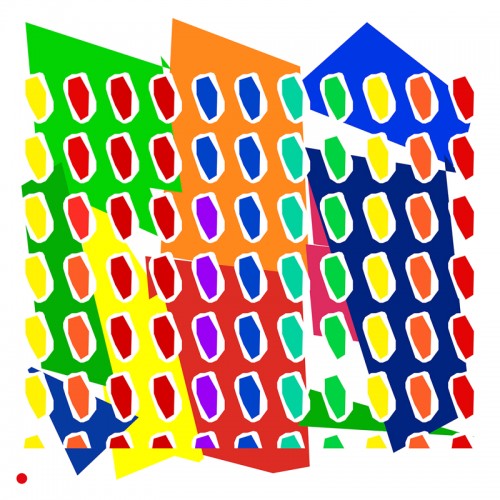
L’abstraction radicale  de Claude Viallat

Français : L’Appropriationnisme ou le « Remake » est un concept simple. En effet, il suffit de reprendre le travail d’un artiste et signer la nouvelle production de son nom. Il ne s’agit, en aucun cas, de copier l’œuvre comme pourrait le faire un faussaire. Il ne s’agit pas non plus de plagier l’œuvre. En ce qui me concerne, j’utilise l’œuvre célèbre d’un artiste reconnu. En réutilisant une œuvre originale préexistante et célèbre, condition sine qua non, je propose de rendre un hommage. Il ne s’agit en aucun cas d’un manque d’inspiration surtout lorsque l’on sait maintenant que : « l’art naît de l’art et non de la nature » : Ernst Gombrich. Dans cette série, j’ai voulu revisiter des œuvres célèbres en utilisant ma technique graphique de l’éloge de l’approximation mettant en évidence la problématique de la défaillance et de la mémoire vaporeuse. English: Appropriationism or Remake is a simple concept. Indeed, it is enough to take again the work of an artist and to sign the new production of his name. It is not a question of copying the work as a forger could do. It is not a question of plagiarizing the work. As far as I'm concerned, I use the famous work of a recognized artist. By reusing a pre-existing and famous original work, condition sine qua non, I propose to pay tribute. It is by no means a lack of inspiration especially when we now know that: "art is born of art and not of nature": Ernst Gombrich. In this series, I wanted to revisit famous works using my graphic technique of praising the approximation highlighting the problem of failure and vaporous memory. https://www.pierretomyleboucher.fr

  • 5
  • 3
  • 0
LeBoucher LeBoucher
Enlarge
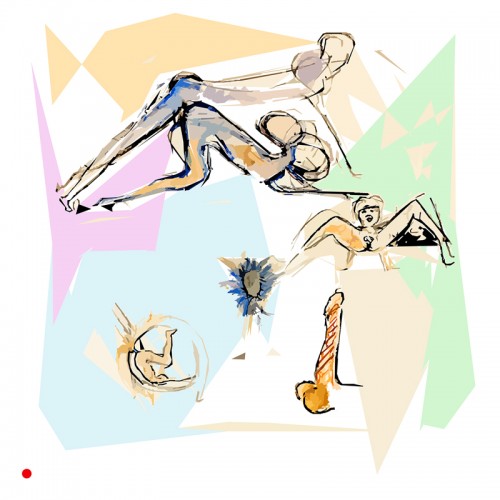
Appropriation et remake Hybert Fabrice : cul-réfléchi

Français : L’Appropriationnisme ou le « Remake » est un concept simple. En effet, il suffit de reprendre le travail d’un artiste et signer la nouvelle production de son nom. Il ne s’agit, en aucun cas, de copier l’œuvre comme pourrait le faire un faussaire. Il ne s’agit pas non plus de plagier l’œuvre. En ce qui me concerne, j’utilise l’œuvre célèbre d’un artiste reconnu. En réutilisant une œuvre originale préexistante et célèbre, condition sine qua non, je propose de rendre un hommage. Il ne s’agit en aucun cas d’un manque d’inspiration surtout lorsque l’on sait maintenant que : « l’art naît de l’art et non de la nature » : Ernst Gombrich. Dans cette série, j’ai voulu revisiter des œuvres célèbres en utilisant ma technique graphique de l’éloge de l’approximation mettant en évidence la problématique de la défaillance et de la mémoire vaporeuse. English: Appropriationism or Remake is a simple concept. Indeed, it is enough to take again the work of an artist and to sign the new production of his name. It is not a question of copying the work as a forger could do. It is not a question of plagiarizing the work. As far as I'm concerned, I use the famous work of a recognized artist. By reusing a pre-existing and famous original work, condition sine qua non, I propose to pay tribute. It is by no means a lack of inspiration especially when we now know that: "art is born of art and not of nature": Ernst Gombrich. In this series, I wanted to revisit famous works using my graphic technique of praising the approximation highlighting the problem of failure and vaporous memory.

  • 4
  • 3
  • 0
LeBoucher LeBoucher
Enlarge
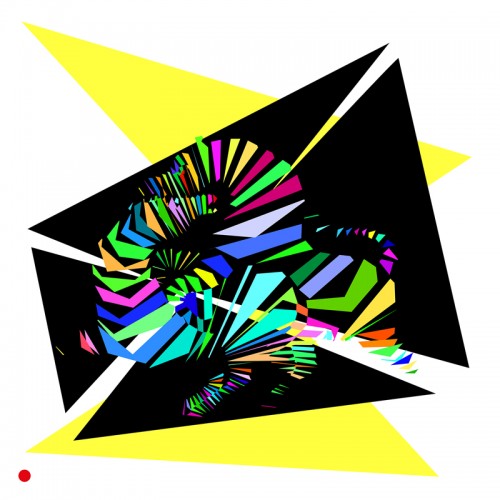
Appropriation et remake de Victor Vasarely : Zebra en 1938

Français : L’Appropriationnisme ou le « Remake » est un concept simple. En effet, il suffit de reprendre le travail d’un artiste et signer la nouvelle production de son nom. Il ne s’agit, en aucun cas, de copier l’œuvre comme pourrait le faire un faussaire. Il ne s’agit pas non plus de plagier l’œuvre. En ce qui me concerne, j’utilise l’œuvre célèbre d’un artiste reconnu. En réutilisant une œuvre originale préexistante et célèbre, condition sine qua non, je propose de rendre un hommage. Il ne s’agit en aucun cas d’un manque d’inspiration surtout lorsque l’on sait maintenant que : « l’art naît de l’art et non de la nature » : Ernst Gombrich. Dans cette série, j’ai voulu revisiter des œuvres célèbres en utilisant ma technique graphique de l’éloge de l’approximation mettant en évidence la problématique de la défaillance et de la mémoire vaporeuse. English: Appropriationism or Remake is a simple concept. Indeed, it is enough to take again the work of an artist and to sign the new production of his name. It is not a question of copying the work as a forger could do. It is not a question of plagiarizing the work. As far as I'm concerned, I use the famous work of a recognized artist. By reusing a pre-existing and famous original work, condition sine qua non, I propose to pay tribute. It is by no means a lack of inspiration especially when we now know that: "art is born of art and not of nature": Ernst Gombrich. In this series, I wanted to revisit famous works using my graphic technique of praising the approximation highlighting the problem of failure and vaporous memory.

  • 2
  • 1
  • 0
LeBoucher LeBoucher
Enlarge
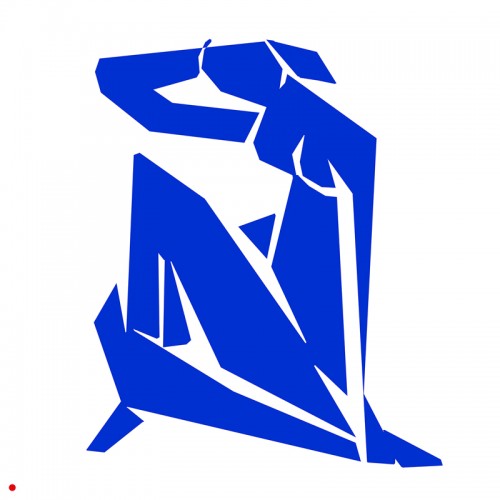
Remake : Henri Matisse : nu bleu II – 1952

Français : L’Appropriationnisme ou le « Remake » est un concept simple. En effet, il suffit de reprendre le travail d’un artiste et signer la nouvelle production de son nom. Il ne s’agit, en aucun cas, de copier l’œuvre comme pourrait le faire un faussaire. Il ne s’agit pas non plus de plagier l’œuvre. En ce qui me concerne, j’utilise l’œuvre célèbre d’un artiste reconnu. En réutilisant une œuvre originale préexistante et célèbre, condition sine qua non, je propose de rendre un hommage. Il ne s’agit en aucun cas d’un manque d’inspiration surtout lorsque l’on sait maintenant que : « l’art naît de l’art et non de la nature » : Ernst Gombrich. Dans cette série, j’ai voulu revisiter des œuvres célèbres en utilisant ma technique graphique de l’éloge de l’approximation mettant en évidence la problématique de la défaillance et de la mémoire vaporeuse. English: Appropriationism or Remake is a simple concept. Indeed, it is enough to take again the work of an artist and to sign the new production of his name. It is not a question of copying the work as a forger could do. It is not a question of plagiarizing the work. As far as I'm concerned, I use the famous work of a recognized artist. By reusing a pre-existing and famous original work, condition sine qua non, I propose to pay tribute. It is by no means a lack of inspiration especially when we now know that: "art is born of art and not of nature": Ernst Gombrich. In this series, I wanted to revisit famous works using my graphic technique of praising the approximation highlighting the problem of failure and vaporous memory.

  • 2
  • 2
  • 0
LeBoucher LeBoucher
Enlarge
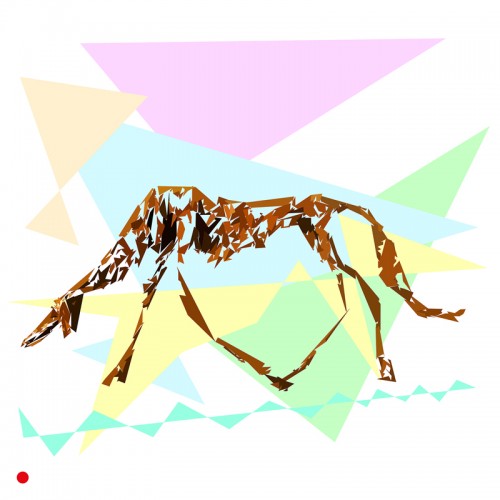
Remake : Giacometti : une chienne d’amitié

Français : L’Appropriationnisme ou le « Remake » est un concept simple. En effet, il suffit de reprendre le travail d’un artiste et signer la nouvelle production de son nom. Il ne s’agit, en aucun cas, de copier l’œuvre comme pourrait le faire un faussaire. Il ne s’agit pas non plus de plagier l’œuvre. En ce qui me concerne, j’utilise l’œuvre célèbre d’un artiste reconnu. En réutilisant une œuvre originale préexistante et célèbre, condition sine qua non, je propose de rendre un hommage. Il ne s’agit en aucun cas d’un manque d’inspiration surtout lorsque l’on sait maintenant que : « l’art naît de l’art et non de la nature » : Ernst Gombrich. Dans cette série, j’ai voulu revisiter des œuvres célèbres en utilisant ma technique graphique de l’éloge de l’approximation mettant en évidence la problématique de la défaillance et de la mémoire vaporeuse. English: Appropriationism or Remake is a simple concept. Indeed, it is enough to take again the work of an artist and to sign the new production of his name. It is not a question of copying the work as a forger could do. It is not a question of plagiarizing the work. As far as I'm concerned, I use the famous work of a recognized artist. By reusing a pre-existing and famous original work, condition sine qua non, I propose to pay tribute. It is by no means a lack of inspiration especially when we now know that: "art is born of art and not of nature": Ernst Gombrich. In this series, I wanted to revisit famous works using my graphic technique of praising the approximation highlighting the problem of failure and vaporous memory.

  • 2
  • 3
  • 0
LeBoucher LeBoucher
Enlarge
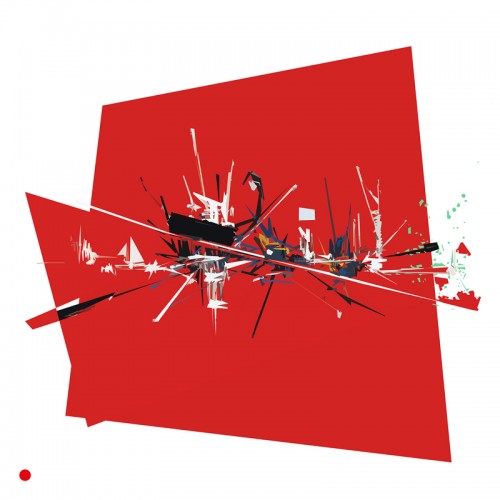
Remake : Georges - Mathieu : Rouge

Français : L’Appropriationnisme ou le « Remake » est un concept simple. En effet, il suffit de reprendre le travail d’un artiste et signer la nouvelle production de son nom. Il ne s’agit, en aucun cas, de copier l’œuvre comme pourrait le faire un faussaire. Il ne s’agit pas non plus de plagier l’œuvre. En ce qui me concerne, j’utilise l’œuvre célèbre d’un artiste reconnu. En réutilisant une œuvre originale préexistante et célèbre, condition sine qua non, je propose de rendre un hommage. Il ne s’agit en aucun cas d’un manque d’inspiration surtout lorsque l’on sait maintenant que : « l’art naît de l’art et non de la nature » : Ernst Gombrich. Dans cette série, j’ai voulu revisiter des œuvres célèbres en utilisant ma technique graphique de l’éloge de l’approximation mettant en évidence la problématique de la défaillance et de la mémoire vaporeuse. English: Appropriationism or Remake is a simple concept. Indeed, it is enough to take again the work of an artist and to sign the new production of his name. It is not a question of copying the work as a forger could do. It is not a question of plagiarizing the work. As far as I'm concerned, I use the famous work of a recognized artist. By reusing a pre-existing and famous original work, condition sine qua non, I propose to pay tribute. It is by no means a lack of inspiration especially when we now know that: "art is born of art and not of nature": Ernst Gombrich. In this series, I wanted to revisit famous works using my graphic technique of praising the approximation highlighting the problem of failure and vaporous memory

  • 12
  • 3
  • 0
LeBoucher LeBoucher
Enlarge
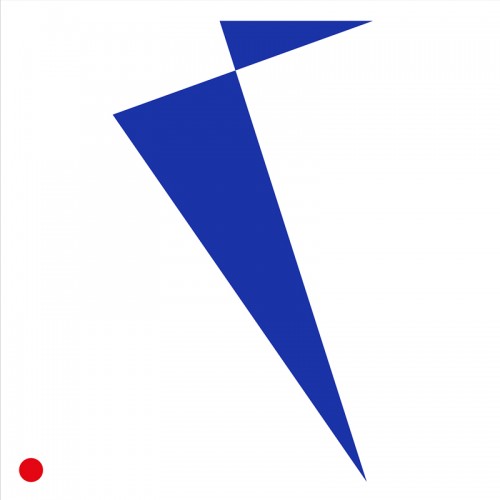
Remake : monochrome d’Yves Klein - IKB

Français : L’Appropriationnisme ou le « Remake » est un concept simple. En effet, il suffit de reprendre le travail d’un artiste et signer la nouvelle production de son nom. Il ne s’agit, en aucun cas, de copier l’œuvre comme pourrait le faire un faussaire. Il ne s’agit pas non plus de plagier l’œuvre. En ce qui me concerne, j’utilise l’œuvre célèbre d’un artiste reconnu. En réutilisant une œuvre originale préexistante et célèbre, condition sine qua non, je propose de rendre un hommage. Il ne s’agit en aucun cas d’un manque d’inspiration surtout lorsque l’on sait maintenant que : « l’art naît de l’art et non de la nature » : Ernst Gombrich. Dans cette série, j’ai voulu revisiter des œuvres célèbres en utilisant ma technique graphique de l’éloge de l’approximation mettant en évidence la problématique de la défaillance et de la mémoire vaporeuse. English: Appropriationism or Remake is a simple concept. Indeed, it is enough to take again the work of an artist and to sign the new production of his name. It is not a question of copying the work as a forger could do. It is not a question of plagiarizing the work. As far as I'm concerned, I use the famous work of a recognized artist. By reusing a pre-existing and famous original work, condition sine qua non, I propose to pay tribute. It is by no means a lack of inspiration especially when we now know that: "art is born of art and not of nature": Ernst Gombrich. In this series, I wanted to revisit famous works using my graphic technique of praising the approximation highlighting the problem of failure and vaporous memory.

  • 3
  • 1
  • 0
LeBoucher LeBoucher
Enlarge
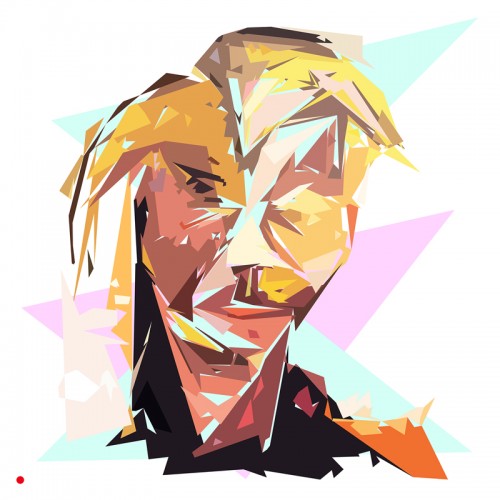
Remake : Francis Bacon – autoportrait

Remake : Francis Bacon – autoportrait Français : L’Appropriationnisme ou le « Remake » est un concept simple. En effet, il suffit de reprendre le travail d’un artiste et signer la nouvelle production de son nom. Il ne s’agit, en aucun cas, de copier l’œuvre comme pourrait le faire un faussaire. Il ne s’agit pas non plus de plagier l’œuvre. En ce qui me concerne, j’utilise l’œuvre célèbre d’un artiste reconnu. En réutilisant une œuvre originale préexistante et célèbre, condition sine qua non, je propose de rendre un hommage. Il ne s’agit en aucun cas d’un manque d’inspiration surtout lorsque l’on sait maintenant que : « l’art naît de l’art et non de la nature » : Ernst Gombrich. Dans cette série, j’ai voulu revisiter des œuvres célèbres en utilisant ma technique graphique de l’éloge de l’approximation mettant en évidence la problématique de la défaillance et de la mémoire vaporeuse. English: Appropriationism or Remake is a simple concept. Indeed, it is enough to take again the work of an artist and to sign the new production of his name. It is not a question of copying the work as a forger could do. It is not a question of plagiarizing the work. As far as I'm concerned, I use the famous work of a recognized artist. By reusing a pre-existing and famous original work, condition sine qua non, I propose to pay tribute. It is by no means a lack of inspiration especially when we now know that: "art is born of art and not of nature": Ernst Gombrich. In this series, I wanted to revisit famous works using my graphic technique of praising the approximation highlighting the problem of failure and vaporous memory.

  • 6
  • 2
  • 0
Old bone story and artwork Old bone story and artwork
Enlarge
Observers with a golden eye, modern, contemporary or similar painting

A3 format, acrylic, felt pen, colored pencils Visual artists from the World of Fantasy are familiar with these creatures who are alive to every creator. Their court cannot be affected, there is no way to deceive the inner voice that knows the truth, created by the Observers. When the artist starts with some work, they appear, at first in a small number. At the end of their work, eg some pictures or sculptures, and especially when finished, their number is significant, they carefully study the artwork, and if they see a mistake, disharmony, lack of emotions, etc., dissatisfied will grumble somewhere inside artist's insights. The artist will feel that his work is nothing special, similar to many other artistic attempts that disappear in the dark of forgetfulness. Some spark is missing in his artistic creation, which would do its job gave a life that lasts. The disapproval of the Observer, their unpleasant resonance, if frequent, it can make a more sensitive artist to dump the brush and consecrate himself a completely different job, in which self-criticism does not play a significant role.

  • 4
  • 2
  • 0
ESS22 ESS22
Enlarge
Ohne Titel

Silence is golden, especially when the voice needs to be heard, no? To the victors go the spoils. Death forever. Ink and coffee on watercolor paper.

  • 6
  • 2
  • 0
Old bone story and artwork Old bone story and artwork
Enlarge
The inspiration of artists (muse) in the World of Fantasy, amateur painting and fantasy story

Artists from the planet Earth believe that inspiration is an inner energy that gives them ideas, mental power which strengthens the will to create a new work. We Assheads from the World of Fantasy, we know that inspiration is a living being that manages the actions of artists, states them to actions that normal man would not do. We consider the coming of inspiration - to a reasonable extent - good for creativity, but if the inspiration gets us in a firm hug and does not give up, it can have a devastating impact on the individual. In such instances, inspiration shows their other, insidious nature, about which little is spoken. Inspiration will, for example, propel artist - as the devil sinning soul - to constantly create, to eat is not thought, to be many nights sleepless, his sexual life can suffer, etc. Striking inspiration, such as a comet in the head, can, in some cases, result in a straitjacket, even death. We Assheads know that it is not wise to give advice to the artist struck by inspiration, warn him that there are still other joy and values in life. His inspiration closed his ears, he works with him as with a toy, so the artist could retaliate with aggression, considering that his personal freedom was compromised. For these and other reasons, we Assheads, marginal artists from the World of Fantasy, do not give special importance to artistic inspiration. - It's important to paint something, dance some dance, make some melody - says asshead Caci - - no matter what you create, there will always be someone stupid enough to see art in it.

  • 6
  • 4
  • 0
Marc De Grace Marc De Grace
Enlarge
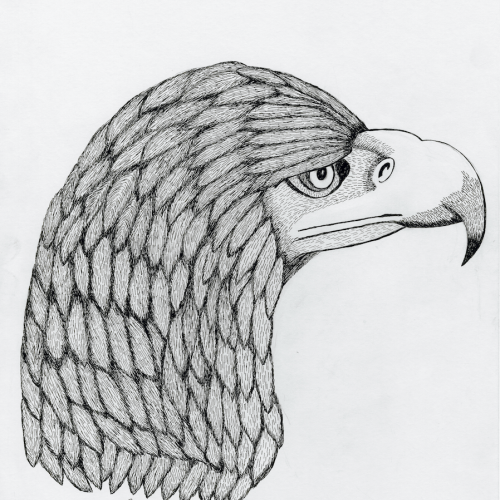
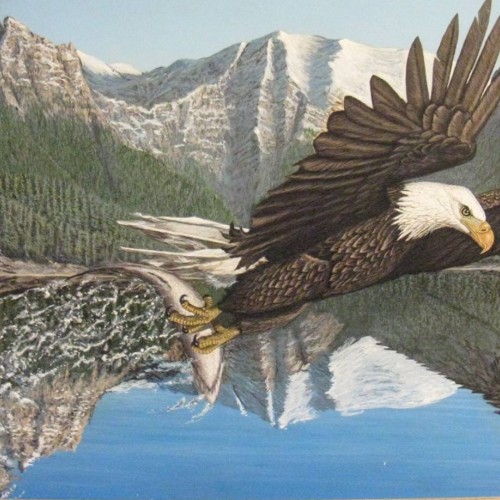
Beautiful scavenger

The Bald Eagle is a spectacular bird with a reputation for being a specialist. It will acquire and consume any food source and doesn’t hesitate to scoop up an easy meal.

  • 273
  • 4
  • 0
Old bone story and artwork Old bone story and artwork
Enlarge
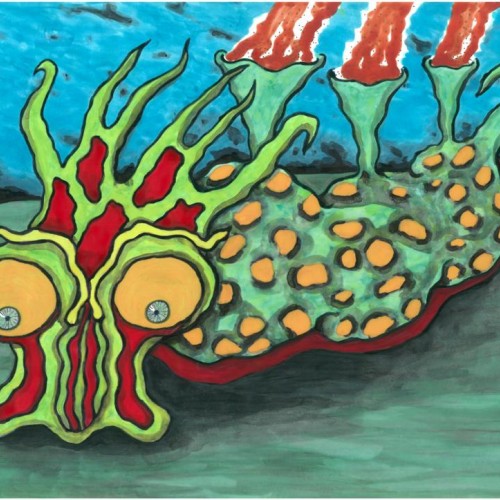
Mortician, a wonderful and useful being, a fantastic story with an artwork, outsider illustration

my new work! - Here he is, he comes! - Pepe Fajgl said, pointing at the top of the hill. The environment was typical for the territory of a mortician: valleys overgrown with low grass, and with some high ground. Pepe Fajgl and I left the corpse Henri de Functa at the foot of the hills and watched the Mortician as it approaches the dead body at a uniform speed, his beautiful eyes were fixed to the deceased. "It's wonderful," I said to Pepe, - it is certainly longer than 20 meters. - The Morticians are the beings that all the inhabitants of the World of Fantasies respect and love, since they have appeared, the precious earth is no longer polluting with graves and cemeteries, number of burning corpses and then a terrible smell almost came to zero, pollution of the lake and the sea throwing the dead into the water stopped. After Mrs. Death takes life and the soul went away in the wheel of the final verdict, it remains only material, dead, a bit valuable part once alive being, the meat that becomes a problem for family and community. Mortician comes to the dead body of the late Henri, its enormous mouth silently sucked corpse, he turned, and dignity went behind the elevation, the problem was solved forever. A 3 format

  • 7
  • 2
  • 0
Amadeus Arkham Amadeus Arkham
Enlarge
Cool World

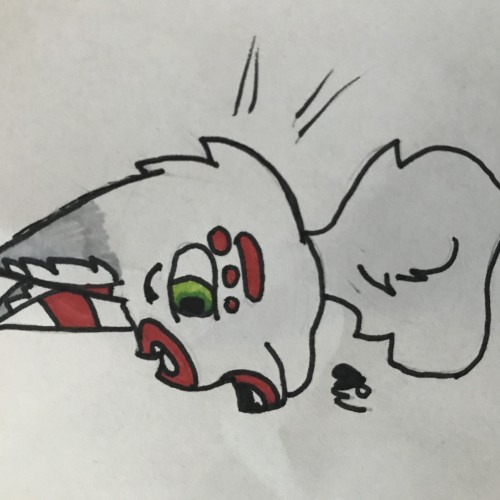
Just a quick warm up doodle. Nothing special.

  • 8
  • 3
  • 0
Norma Sandoval Norma Sandoval
Enlarge
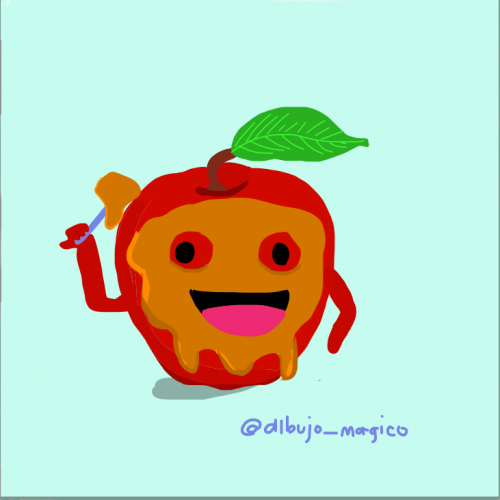
Face Mask

Special Caramel Facemask

  • 48
  • 1
  • 0
mARTia mARTia
Enlarge
Illuminated

Inspired by the Neo-Classical period, I pushed myself as an artist to portray subjects in an idealistic fashion combining drama and artificial lighting. The subject is my sister who modelled as a reference, enabling me to control the shadowy effect over her face. The dim lighting and dark background resonated with the period style, focusing on the facial parts that are visible. The end result looks like she is emerging from the darkness. A somber atmosphere is illustrated through visual expression. Adding the fast drying oil on the brushes improved the blending of the colours on the canvas which was especially useful when it came to applying strokes on the face smoothly. Visit https://www.martiaposts.com for more

  • 12
  • 5
  • 0
« Previous
Next »

Doodle Addicts

Navigate
  • Discover Art
  • Drawing Challenges
  • Weekly Drawing Prompts
  • Artist Directory
  • Art Marketplace
  • Resources
Other
  • News + Blog
  • About Us
  • Contact Us
Newsletter
© 2026 Doodle Addicts™ — All Rights Reserved Terms & Conditions / Privacy Policy / Community Guidelines
Add Doodle Addicts to your home screen to not miss an update!
Add to Home Screen