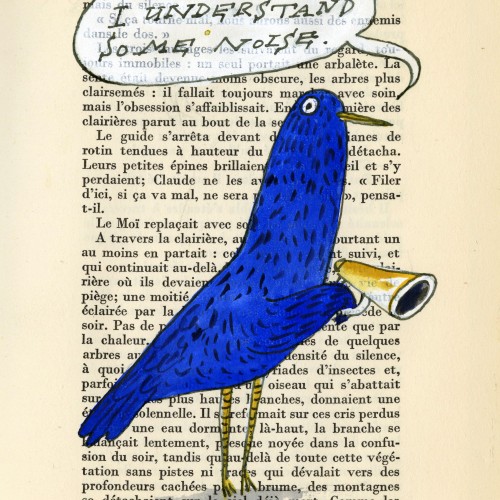
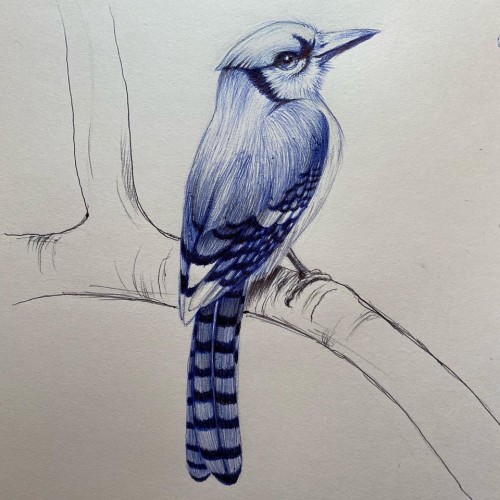
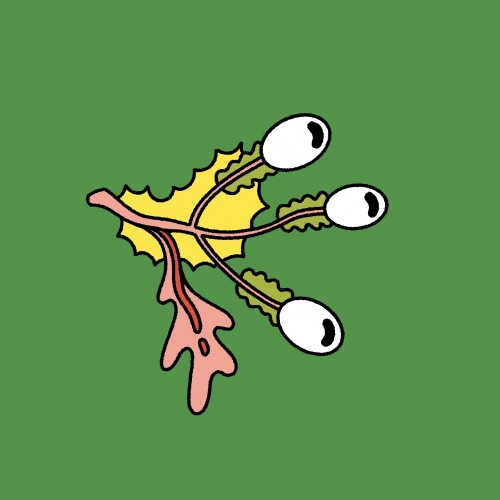
I understand some noise.
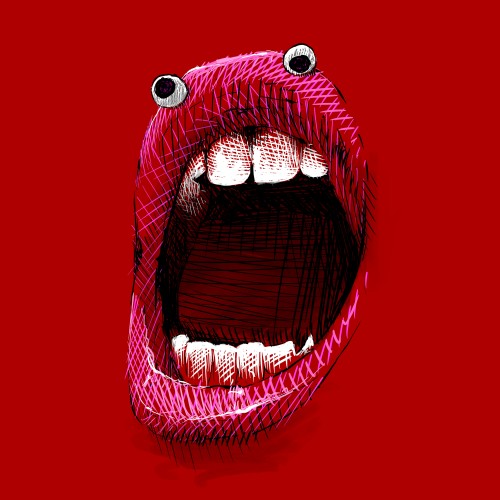
Sínto rumôr.
"English as She is Spoke" by Jose da Fonseca and Pedro Carolina.
https://www.instagram.com/p/CJqxgGph0d_/?utm_source=ig_web_copy_link
#dailydrawing #accidentalhumor #englishassheisspoke #noise #birdsofinstagram #birds
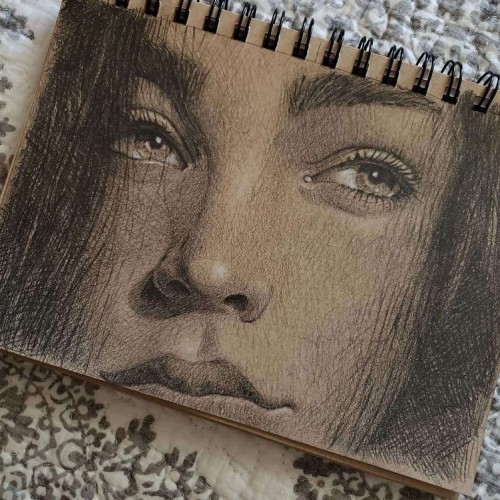
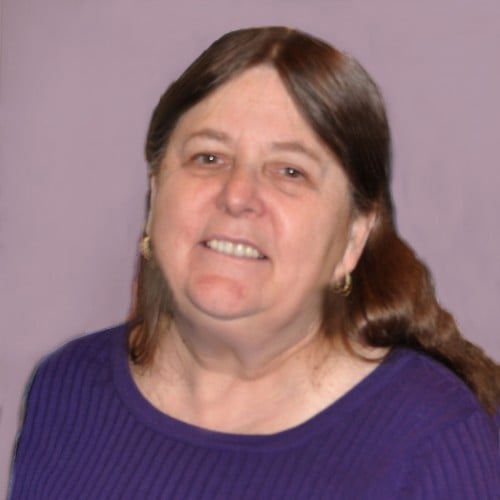
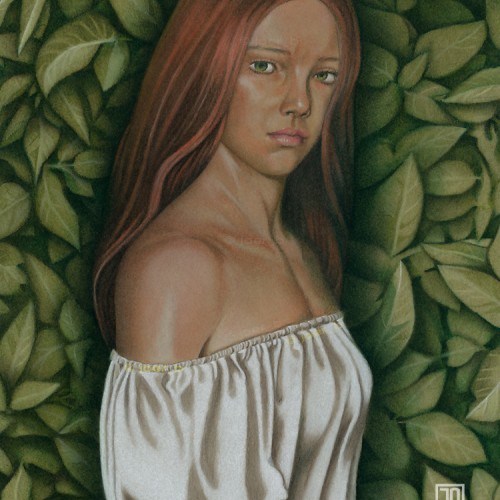
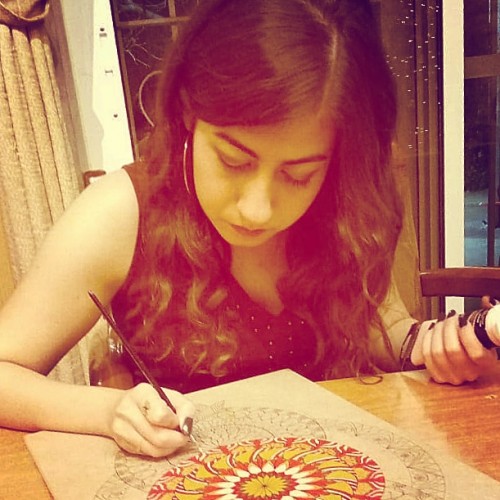
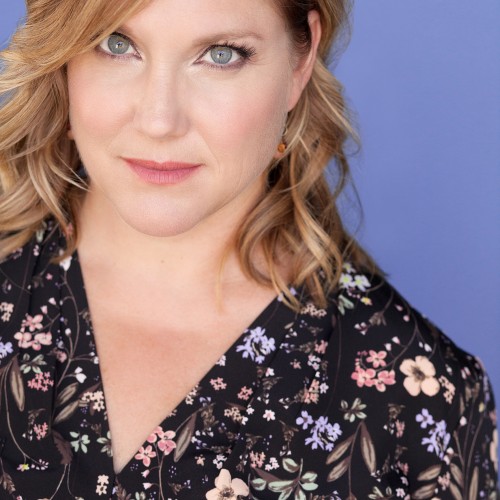
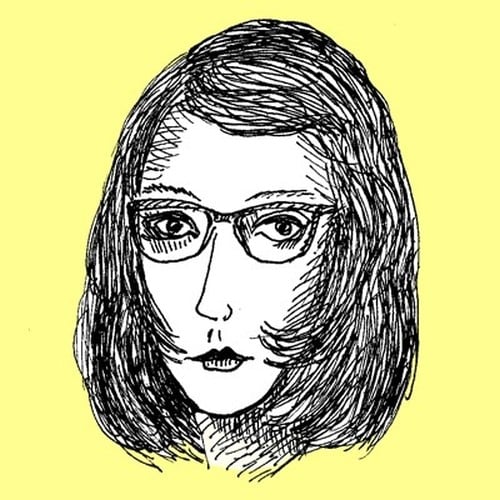
Meadhbh standing in front of a green wall. Simplified her hair and the leaves in the background a bit. Charcoal and pastel pencils on 9” x 12” Strathmore archival sketchbook paper, scanned into Photoshop. Model: Meadhbh
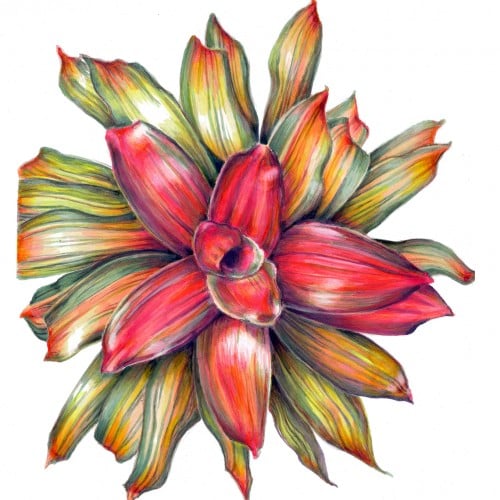
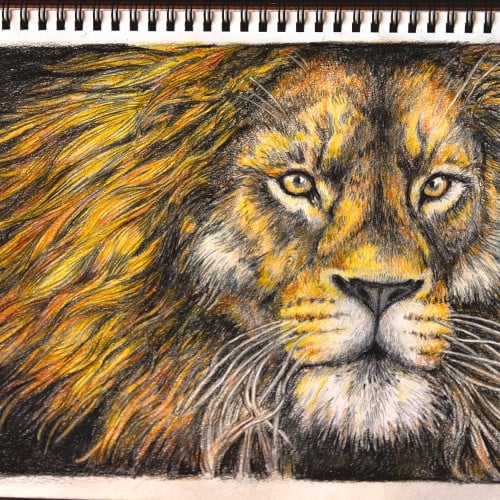
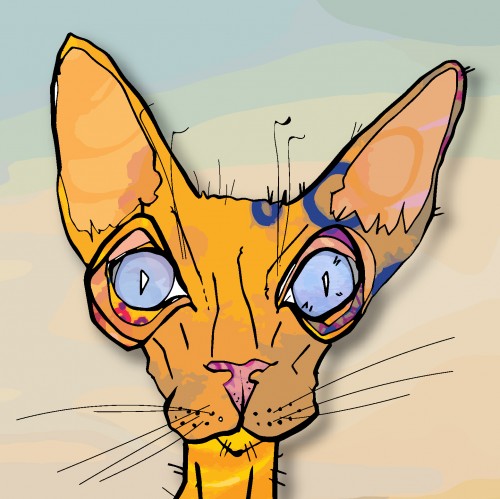
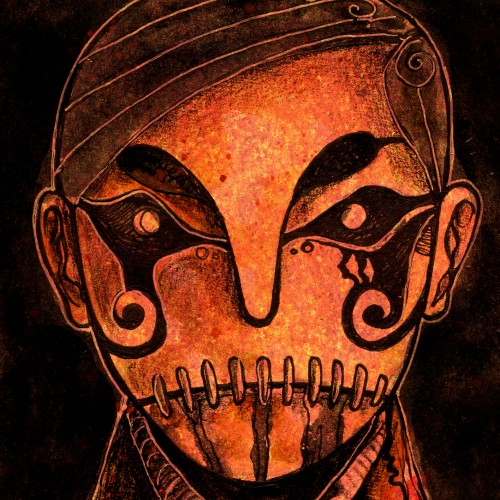
This, not very ferocious fellow, was my social distancing Easter weekend project that I finished yesterday. A colored pencil drawing on Strathmore 400 colored pencil pad with several different wax and oil colored pencils.
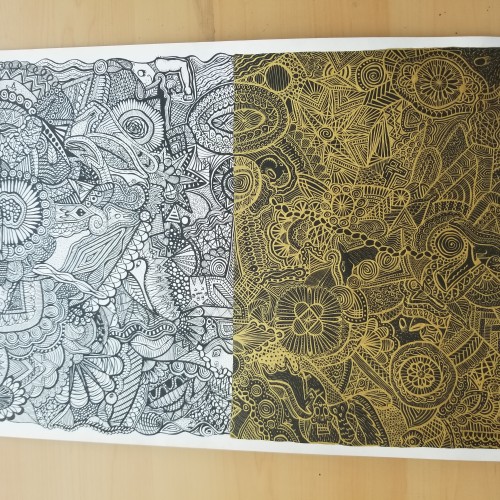
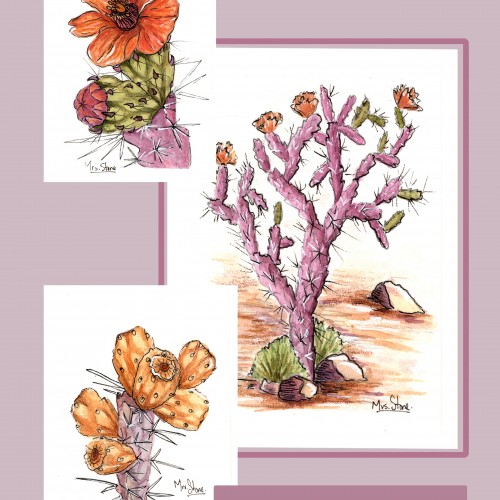
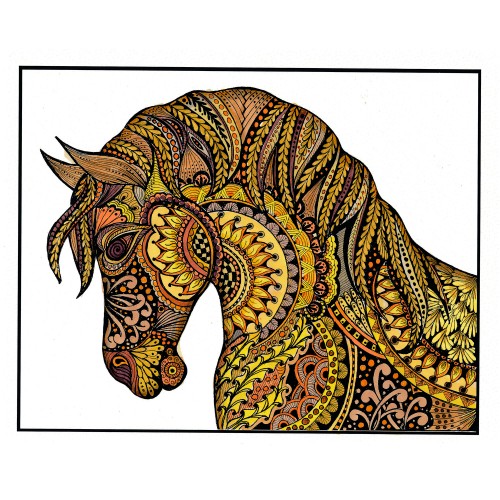
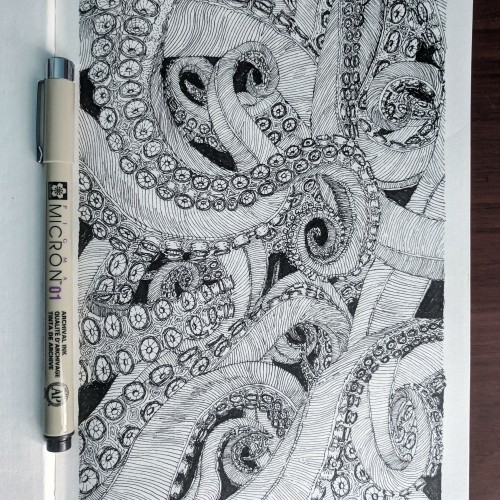
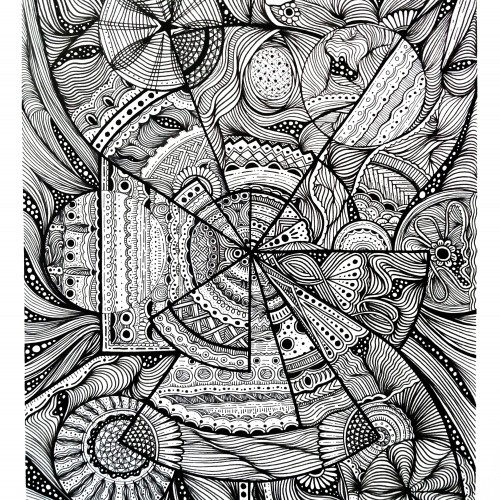
I printed my black and white zentangle drawing on marker paper and colored it with alcohol markers. At first it was a bit to garish with too much contrast, so I painted a warm grey over the whole piece. That gave me what I was looking for. Of course, THEN I completely undermined that with making a bunch of wild colored ones (two shown here) by playing with them in Photoshop. I shall be using this (along with my Zentangle koi posted la while back) for printing blank cards that we sell for charitable (mostly foodbanks) organizations.
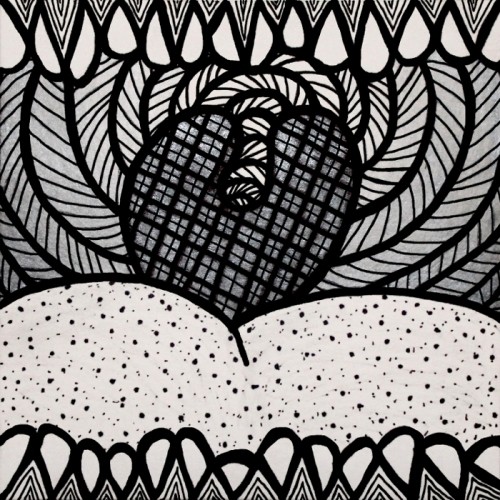
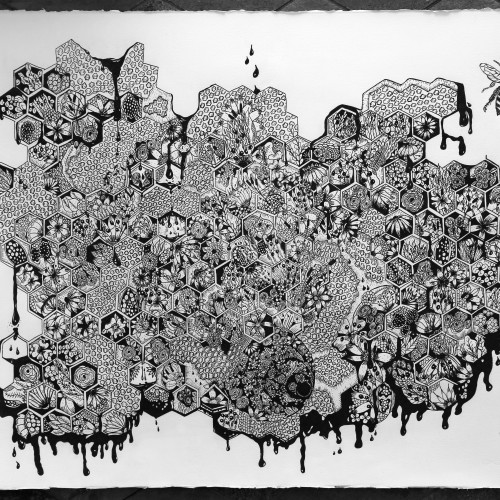
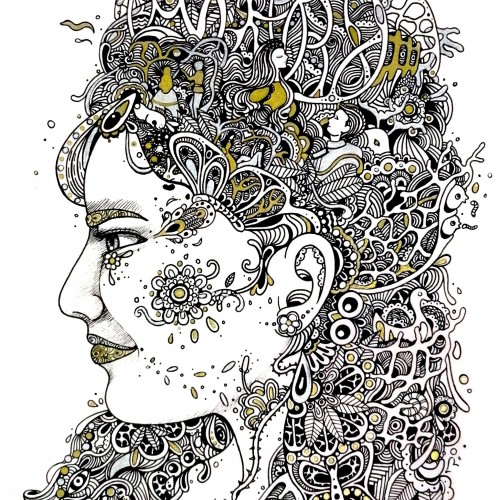
Sensuality, power and fertility - meditative layers and tangles of flowers, weeds, and grasses. A bee emerges, free! Ultimately a positive message of hope!
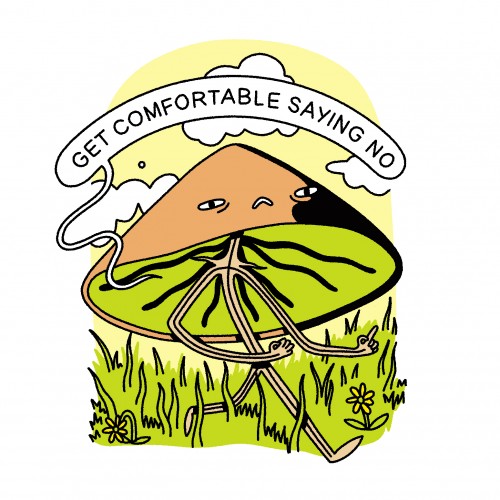
I've spent recent lockdown days watching far too many Youtube videos about attachment styles and honestly it makes a lot of sense. Here is a little message for my anxious preoccupied self
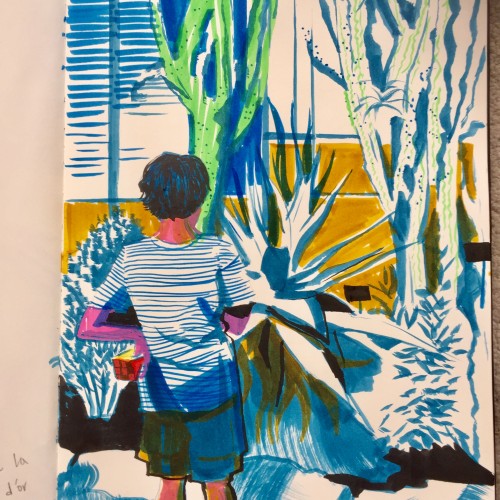
I've been experimenting with colour pallets and line width. Also trying to do LESS - my natural tendency is to add everything so cutting back is quite hard, but I think works better.
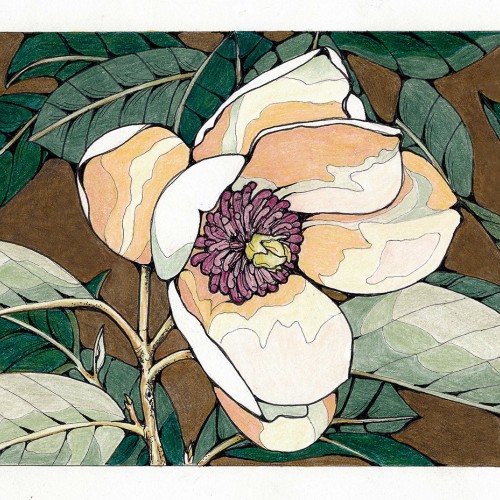
Magnolias are spring harbingers in our garden, as well as our annual ornamental cherry display. Star magnolias are over, tulip magnolias are in full swing, and the occasional Southern magnolia is starting. Perhaps I should have done this with a gouache paint, but I used colored pencils. Oh well. Outlined after with various sizes of Pigma Micron pens.
Our garden: www.edgewoodgarden.com
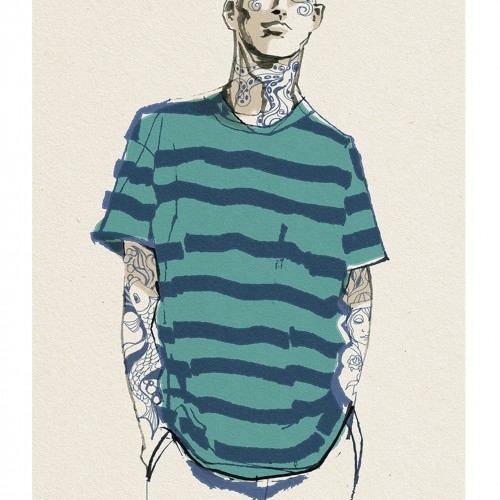
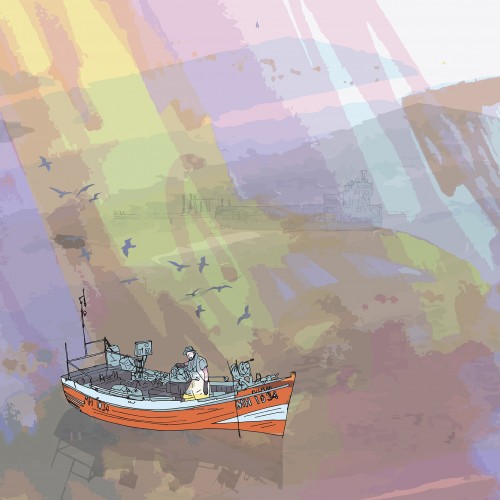
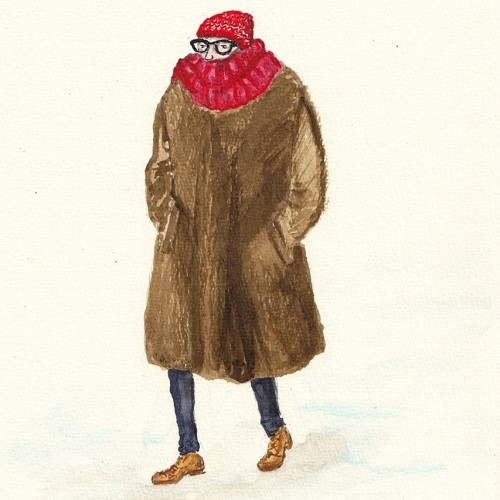
Street Style Helsinki. Living in the Nordic levels, like Finland, requires special attitude against cold winter weather. From a distance the sight felt like a giant rectangle on two thin sticks approaching scurry towards me.
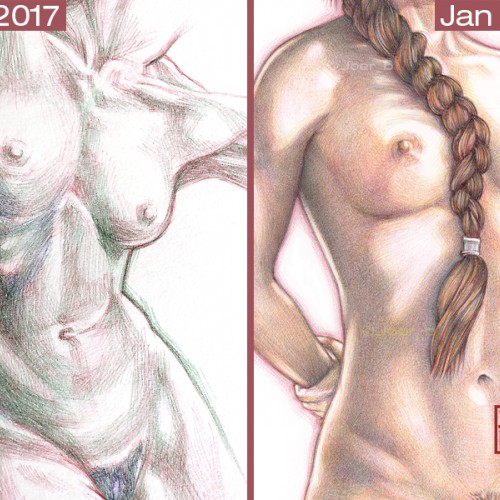
I’m often asked about my Bic pen drawings and how I do them. It starts with a good foundational drawing, the ballpoint pen part is just trying to colour within the lines. I try to do my best to explain the process, but the best way to show my progress is by posting my efforts to master pen drawings over the span of 3 or so years. I have been doodling/drawing with ballpoint pens as far back as I can remember - they were cheap, readily available and always lying around the house. It wasn’t until I was bored during a particularly long team meeting-conference call (around 2016-17) that I started to think about the possibilities of ballpoint pens as serious portrait illustration tools. My first experiments with full colour ink portrait drawings were rather crude, but that’s the point of learning new techniques—as long as the curiosity and the love of drawing is there, you can transfer that skill and passion into any medium. Remember, the most exquisite drawings and paintings you see didn’t materialise fully formed, they started out as failed experiments. Failure after failure after failure. It’s important to remember this when you get discouraged (I've failed spectacularly over the years). The only difference between the accomplished artist and the beginner is hundreds of hours of practice. Talent can only get you so far. It’s the hard work that you do behind the scenes that makes your work look effortless. Keep doodling. Keep learning. Stay curious.