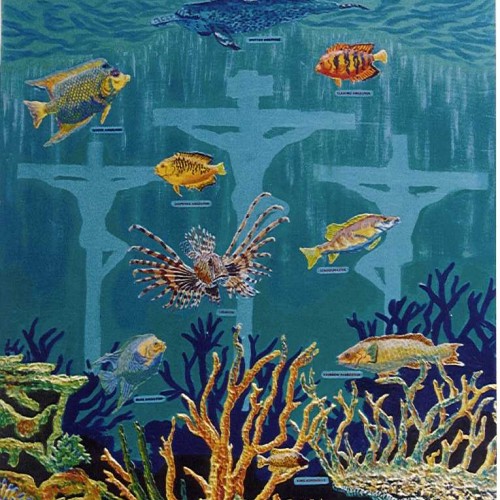
This painting was done for my sister. She loves dolphins, and she asked me when I
would paint a picture for her. When I considered doing this painting, I thought about
how I could design an illustration that would use the names of fish to teach her the
attributes of Jesus being the Son of God and Savior of the world.
The names of the fish who reveal something about Jesus’s attributes are labeled in red,
just as in a red-letter edition Bible, the words spoken by Jesus are printed in red.
The names of the fish whose labels are blue are different breeds of angelfish.
Three dolphins represent the trinity of God—the Father, the Son, the Holy Spirit.
The silhouette of the three men on crosses represent the price Jesus paid on the cross
to buy man out of slavery of sin and deliver man from being cast into the eternal lake
of fire.
The black-and-white fish is called a sheep head. John the Baptist called Jesus the lamb
of God, who would take away the sins of the world.
The reddish-orange fish is called a flaming angel. John said that he baptized people
with water to call themselves back to God and to repent for their sins. He said that
Jesus would baptize with fire the person called the Holy Spirit. The gold-yellow fish
is called the shepherd angel. In the Bible, Jesus is referred to be the Good Shepherd
because He takes care of His followers as a sheep herder would take care His sheep. He
provides for their needs and protects them from danger.
The brown fish with the fanned-out fins is called a lionfish. The Bible call Jesus the
lion of Judea. Jesus first came to the Earth to deliver mankind from sin by offering His
life to pay for our sin. The second time He comes, He will come to set up His earthly
kingdom and rule over all the nations for a thousand years.
The small fish with a scarlet head is called a king demoiselle fish. Jesus will have all
authority to rule over all the nations given to Him from God the Father.
48 49
SALVATION
The large orange fish with the green fins is call a rainbow parrot. The rainbow represents a covenant between man and God. Just as God put a rainbow in the sky once
the great flood ended to remind man of God’s promise not to destroy the world by
flood again. So, do we have a covenant through the blood of Jesus that if man will
accept the terms to be delivered from sin, its eternal punishment, and turn from pursuing a rebellious life toward God, God will give them eternal life.
The sleek brown-and-white fish is called a schoolmaster. Jesus spent the last three years
of His life teaching about who God is, what heaven is like, what hell is like, what sin is,
and how it keeps man separated from God. What is God’s plan to redeem man from
sin? He taught how man should live to be pleasing in God’s sight.
(October 28, 2017)
Dysodia is a friend's avatar name on another site. I drew this colored pencil drawing as a tribute to her. There are several "leaf moths," this one's common name is: Picture winged leaf moth.
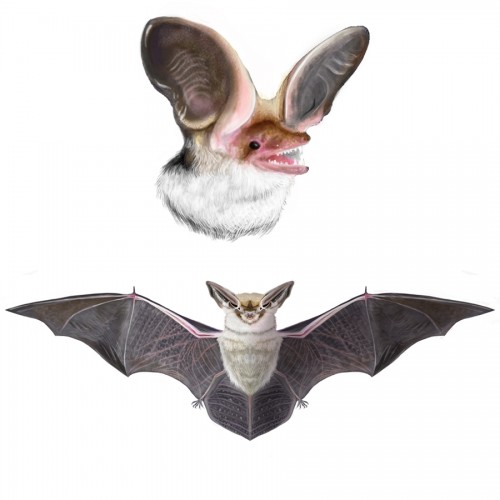
Big-eared Brown Bat (Histiotus macrotus). Hybrid technique (digital enhanced watercolor). This species has large dark ears. The dorsal hairs are strongly bicolored, with black or dark brown bases and yellow tips. Some authors consider that H. macrotus is distributed only in Chile and Argentina. More like this on IG: https://www.instagram.com/camilojulianc/
I've always loved Hedgehogs ever since Sonic the Hedgehog. Here in Italy there are actually wild hedgehogs, when I found out I had to try and find one. Usually at night if we are driving I will be attentive to find some critters. I've seen crested porcipines, boars, badgers, weasels, owls, eagles, bats, lizards, deer and other things. But for awhile I never saw a hedgehog (one time I thought i did but that doesn't count), but finally about a year ago I finally found one while passing through the country of San Marino (it's in Italy)! It was crossing the road and it was the hugest hedgehog I have ever seen! Thanks be to God! lol. It was about the size of like a big small dog or something, probably about a foot long. So yeah I had to draw one in tribute of my weird obsession to find one, haha.
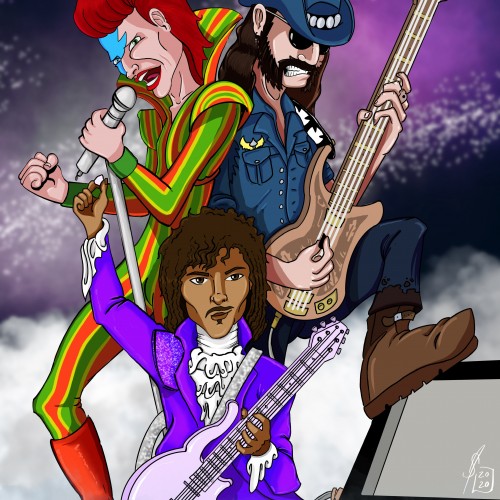
Finally finished my tribute to the greatest rockers we lost. May they rock the heavens as hard as they rocked on earth. #RIPPrince #RIPBowie #RIPLemmy #Tribute #tributeartist #Rock #music #musica #musically #musical #musician #rock #rocks #rocky #rocketbunny #rocket #art #artofinstagram #artistsoninstagram #artoftheday #arte #cool #coolestbadboi #artistic
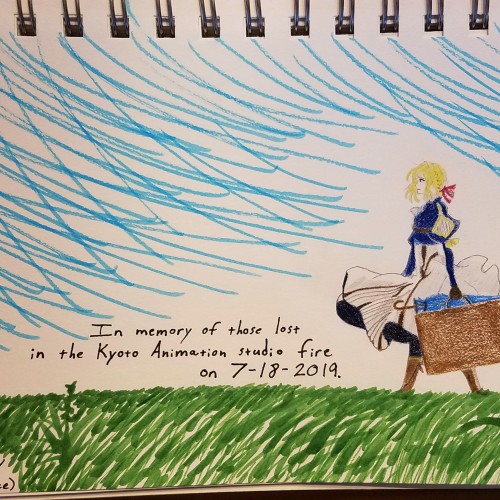
Emotionally speaking, this is definitely the hardest pieces I've made so far. On July 18th, 2019, an arson attack on Kyoto Animation's Studio 1 left 36 dead and 34 injured, one of the deadliest mass casualty incidents in Japan since the end of WWII. KyoAni has some of the best working conditions in the industry and have made some of the most iconic anime to date, including Clannad, A Silent Voice, and the show that got me started on anime, Violet Evergarden (as seen in this drawing). I sent this drawing to them through their website, and there's a good chance it was displayed along with thousands of other fan submissions in Kyoto this past November as part of a public memorial service. While this was a tragic blow to the company and community, they're healing and getting back to their feet, and I can't wait to see what they create next.
More inktober 2019. From the top: Day 11 (Snow - a tribute to Victoria Crowe), Day 23 (Ancient), Day 13 (Ash - smoke drawn with real ash), Day 12 (Dragon) and Day 6 (Husky)
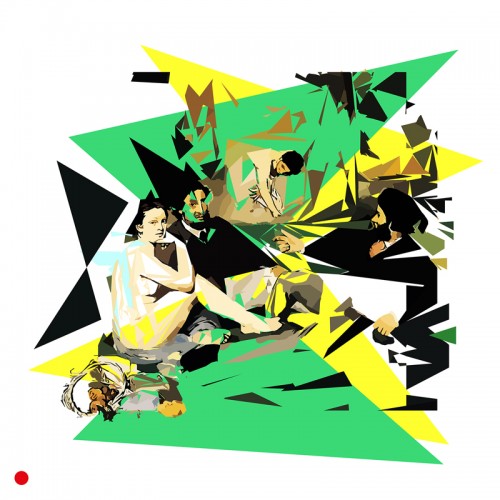
Appropriationnisme ou le « Remake » Édouard Manet : le déjeuner sur l’herbe
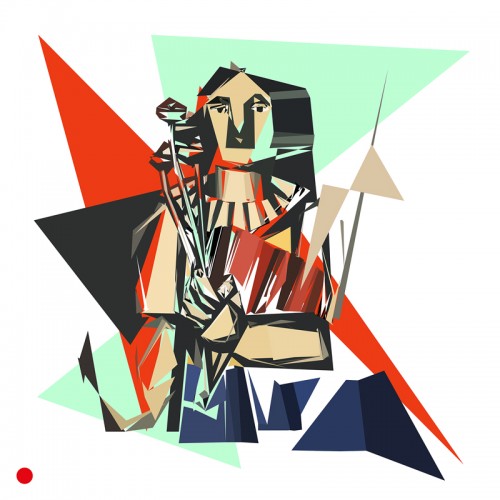
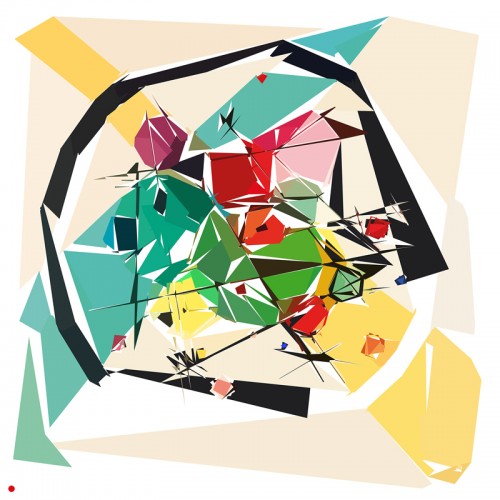
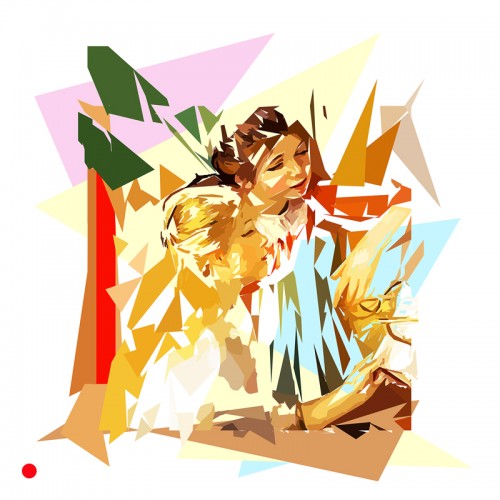
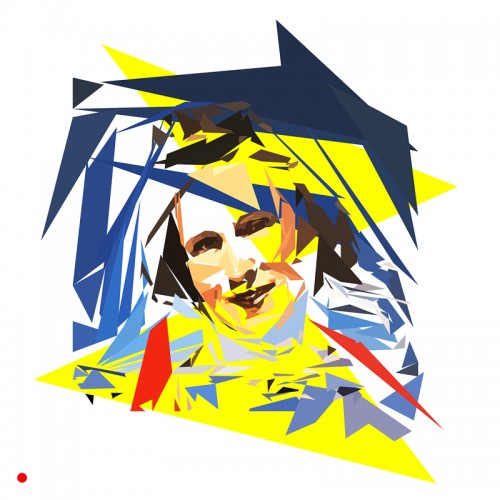
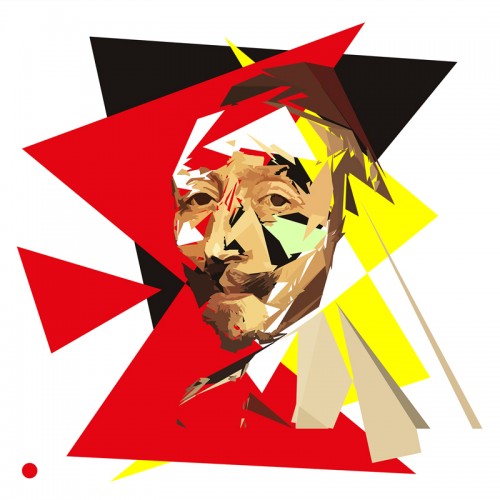
Français : L’Appropriationnisme ou le « Remake » est un concept simple. En effet, il suffit de reprendre le travail d’un artiste et signer la nouvelle production de son nom. Il ne s’agit, en aucun cas, de copier l’œuvre comme pourrait le faire un faussaire. Il ne s’agit pas non plus de plagier l’œuvre.
En ce qui me concerne, j’utilise l’œuvre célèbre d’un artiste reconnu. En réutilisant une œuvre originale préexistante et célèbre, condition sine qua non, je propose de rendre un hommage. Il ne s’agit en aucun cas d’un manque d’inspiration surtout lorsque l’on sait maintenant que : « l’art naît de l’art et non de la nature » : Ernst Gombrich.
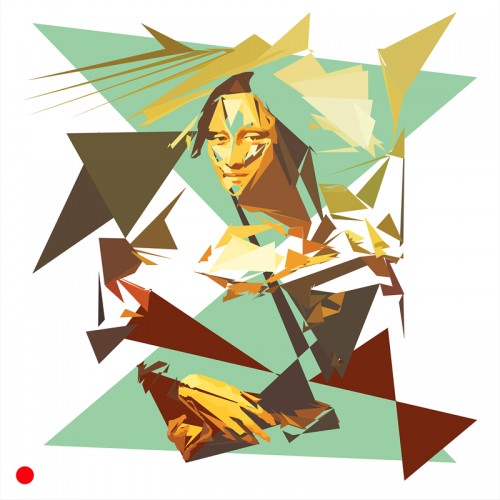
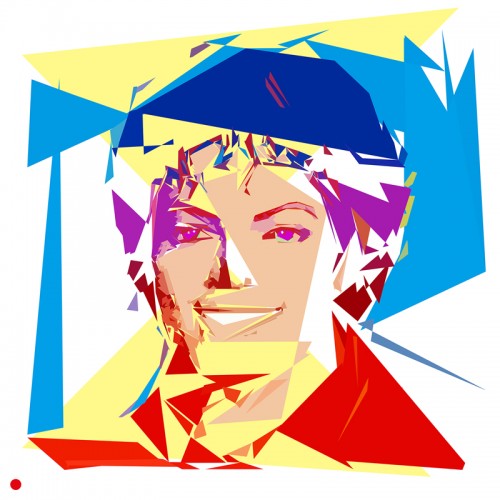
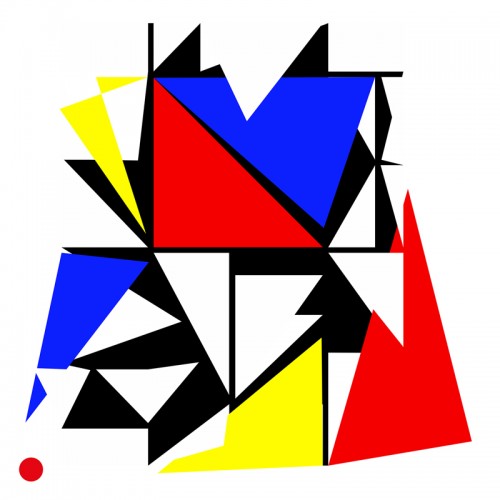
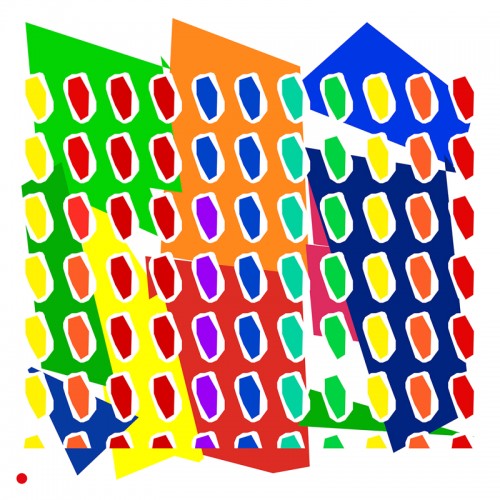
Dans cette série, j’ai voulu revisiter des œuvres célèbres en utilisant ma technique graphique de l’éloge de l’approximation mettant en évidence la problématique de la défaillance et de la mémoire vaporeuse.
English: Appropriationism or Remake is a simple concept. Indeed, it is enough to take again the work of an artist and to sign the new production of his name. It is not a question of copying the work as a forger could do. It is not a question of plagiarizing the work.
As far as I'm concerned, I use the famous work of a recognized artist. By reusing a pre-existing and famous original work, condition sine qua non, I propose to pay tribute. It is by no means a lack of inspiration especially when we now know that: "art is born of art and not of nature": Ernst Gombrich.
In this series, I wanted to revisit famous works using my graphic technique of praising the approximation highlighting the problem of failure and vaporous memory.
https://www.pierretomyleboucher.fr
"Facade" depicts the duality between constructed appearance and natural image. The old woman manifests societal idealization of beauty within her headpiece, burdened by the intricacy. Aesthetically pleasing symbols around her echo the notions of her manifested identity. This facade subconsciously contributes to continuing superficial values.
Français : L’Appropriationnisme ou le « Remake » est un concept simple. En effet, il suffit de reprendre le travail d’un artiste et signer la nouvelle production de son nom. Il ne s’agit, en aucun cas, de copier l’œuvre comme pourrait le faire un faussaire. Il ne s’agit pas non plus de plagier l’œuvre.
En ce qui me concerne, j’utilise l’œuvre célèbre d’un artiste reconnu. En réutilisant une œuvre originale préexistante et célèbre, condition sine qua non, je propose de rendre un hommage. Il ne s’agit en aucun cas d’un manque d’inspiration surtout lorsque l’on sait maintenant que : « l’art naît de l’art et non de la nature » : Ernst Gombrich.
Dans cette série, j’ai voulu revisiter des œuvres célèbres en utilisant ma technique graphique de l’éloge de l’approximation mettant en évidence la problématique de la défaillance et de la mémoire vaporeuse.
English: Appropriationism or Remake is a simple concept. Indeed, it is enough to take again the work of an artist and to sign the new production of his name. It is not a question of copying the work as a forger could do. It is not a question of plagiarizing the work.
As far as I'm concerned, I use the famous work of a recognized artist. By reusing a pre-existing and famous original work, condition sine qua non, I propose to pay tribute. It is by no means a lack of inspiration especially when we now know that: "art is born of art and not of nature": Ernst Gombrich.
In this series, I wanted to revisit famous works using my graphic technique of praising the approximation highlighting the problem of failure and vaporous memory.
https://www.pierretomyleboucher.fr
Français : L’Appropriationnisme ou le « Remake » est un concept simple. En effet, il suffit de reprendre le travail d’un artiste et signer la nouvelle production de son nom. Il ne s’agit, en aucun cas, de copier l’œuvre comme pourrait le faire un faussaire. Il ne s’agit pas non plus de plagier l’œuvre.
En ce qui me concerne, j’utilise l’œuvre célèbre d’un artiste reconnu. En réutilisant une œuvre originale préexistante et célèbre, condition sine qua non, je propose de rendre un hommage. Il ne s’agit en aucun cas d’un manque d’inspiration surtout lorsque l’on sait maintenant que : « l’art naît de l’art et non de la nature » : Ernst Gombrich.
Dans cette série, j’ai voulu revisiter des œuvres célèbres en utilisant ma technique graphique de l’éloge de l’approximation mettant en évidence la problématique de la défaillance et de la mémoire vaporeuse.
English: Appropriationism or Remake is a simple concept. Indeed, it is enough to take again the work of an artist and to sign the new production of his name. It is not a question of copying the work as a forger could do. It is not a question of plagiarizing the work.
As far as I'm concerned, I use the famous work of a recognized artist. By reusing a pre-existing and famous original work, condition sine qua non, I propose to pay tribute. It is by no means a lack of inspiration especially when we now know that: "art is born of art and not of nature": Ernst Gombrich.
In this series, I wanted to revisit famous works using my graphic technique of praising the approximation highlighting the problem of failure and vaporous memory.
https://www.pierretomyleboucher.fr
Français : L’Appropriationnisme ou le « Remake » est un concept simple. En effet, il suffit de reprendre le travail d’un artiste et signer la nouvelle production de son nom. Il ne s’agit, en aucun cas, de copier l’œuvre comme pourrait le faire un faussaire. Il ne s’agit pas non plus de plagier l’œuvre.
En ce qui me concerne, j’utilise l’œuvre célèbre d’un artiste reconnu. En réutilisant une œuvre originale préexistante et célèbre, condition sine qua non, je propose de rendre un hommage. Il ne s’agit en aucun cas d’un manque d’inspiration surtout lorsque l’on sait maintenant que : « l’art naît de l’art et non de la nature » : Ernst Gombrich.
Dans cette série, j’ai voulu revisiter des œuvres célèbres en utilisant ma technique graphique de l’éloge de l’approximation mettant en évidence la problématique de la défaillance et de la mémoire vaporeuse.
English: Appropriationism or Remake is a simple concept. Indeed, it is enough to take again the work of an artist and to sign the new production of his name. It is not a question of copying the work as a forger could do. It is not a question of plagiarizing the work.
As far as I'm concerned, I use the famous work of a recognized artist. By reusing a pre-existing and famous original work, condition sine qua non, I propose to pay tribute. It is by no means a lack of inspiration especially when we now know that: "art is born of art and not of nature": Ernst Gombrich.
In this series, I wanted to revisit famous works using my graphic technique of praising the approximation highlighting the problem of failure and vaporous memory.