Previous
Next
logo logo
logo logo
  • Discover Art
    • Trending
    • Most Recent
    • Most Faves
    • Most Views
    • Curated Galleries
  • Drawing Challenges
    • See All Challenges
  • Drawing Prompts
  • Artists
    • Most Popular
    • Most Recent
    • Available For Hire
    • Artist Spotlight
  • More
    • Marketplace
    • Art Discussions
    • Resources
    • News + Blog
Login
Most Views
Select an option
  • Most Relevant
  • Most Faves
  • Most Views
  • Most Comments
  • Most Recent
SEARCH RESULTS FOR

tribute

LeBoucher LeBoucher
Enlarge
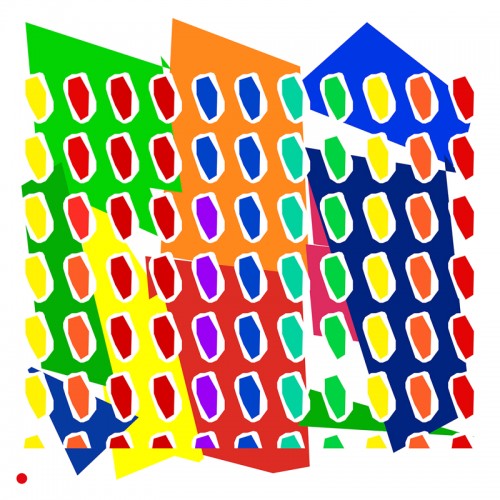
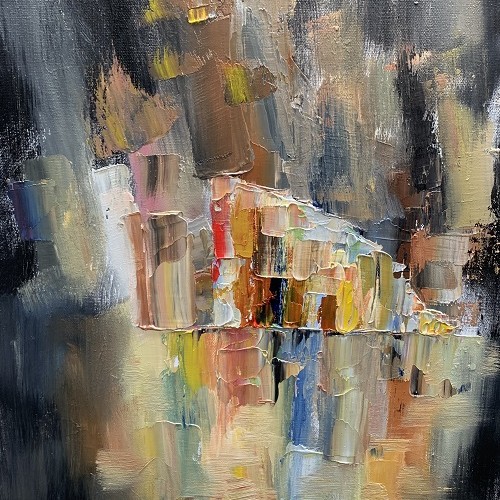
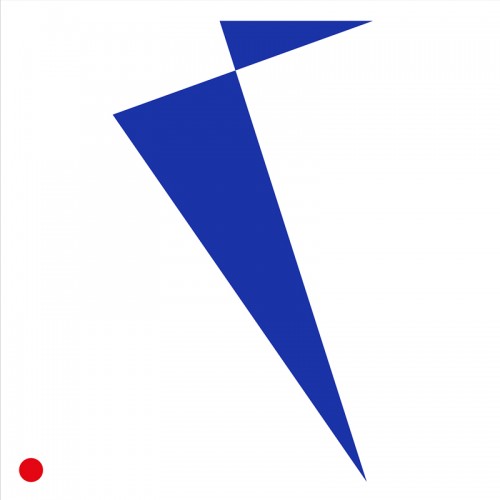
L’abstraction radicale  de Claude Viallat

Français : L’Appropriationnisme ou le « Remake » est un concept simple. En effet, il suffit de reprendre le travail d’un artiste et signer la nouvelle production de son nom. Il ne s’agit, en aucun cas, de copier l’œuvre comme pourrait le faire un faussaire. Il ne s’agit pas non plus de plagier l’œuvre. En ce qui me concerne, j’utilise l’œuvre célèbre d’un artiste reconnu. En réutilisant une œuvre originale préexistante et célèbre, condition sine qua non, je propose de rendre un hommage. Il ne s’agit en aucun cas d’un manque d’inspiration surtout lorsque l’on sait maintenant que : « l’art naît de l’art et non de la nature » : Ernst Gombrich. Dans cette série, j’ai voulu revisiter des œuvres célèbres en utilisant ma technique graphique de l’éloge de l’approximation mettant en évidence la problématique de la défaillance et de la mémoire vaporeuse. English: Appropriationism or Remake is a simple concept. Indeed, it is enough to take again the work of an artist and to sign the new production of his name. It is not a question of copying the work as a forger could do. It is not a question of plagiarizing the work. As far as I'm concerned, I use the famous work of a recognized artist. By reusing a pre-existing and famous original work, condition sine qua non, I propose to pay tribute. It is by no means a lack of inspiration especially when we now know that: "art is born of art and not of nature": Ernst Gombrich. In this series, I wanted to revisit famous works using my graphic technique of praising the approximation highlighting the problem of failure and vaporous memory. https://www.pierretomyleboucher.fr

  • 5
  • 3
  • 0
LeBoucher LeBoucher
Enlarge
Appropriation et remake Hybert Fabrice : cul-réfléchi

Français : L’Appropriationnisme ou le « Remake » est un concept simple. En effet, il suffit de reprendre le travail d’un artiste et signer la nouvelle production de son nom. Il ne s’agit, en aucun cas, de copier l’œuvre comme pourrait le faire un faussaire. Il ne s’agit pas non plus de plagier l’œuvre. En ce qui me concerne, j’utilise l’œuvre célèbre d’un artiste reconnu. En réutilisant une œuvre originale préexistante et célèbre, condition sine qua non, je propose de rendre un hommage. Il ne s’agit en aucun cas d’un manque d’inspiration surtout lorsque l’on sait maintenant que : « l’art naît de l’art et non de la nature » : Ernst Gombrich. Dans cette série, j’ai voulu revisiter des œuvres célèbres en utilisant ma technique graphique de l’éloge de l’approximation mettant en évidence la problématique de la défaillance et de la mémoire vaporeuse. English: Appropriationism or Remake is a simple concept. Indeed, it is enough to take again the work of an artist and to sign the new production of his name. It is not a question of copying the work as a forger could do. It is not a question of plagiarizing the work. As far as I'm concerned, I use the famous work of a recognized artist. By reusing a pre-existing and famous original work, condition sine qua non, I propose to pay tribute. It is by no means a lack of inspiration especially when we now know that: "art is born of art and not of nature": Ernst Gombrich. In this series, I wanted to revisit famous works using my graphic technique of praising the approximation highlighting the problem of failure and vaporous memory.

  • 4
  • 3
  • 0
Diana Radulescu Diana Radulescu
Enlarge
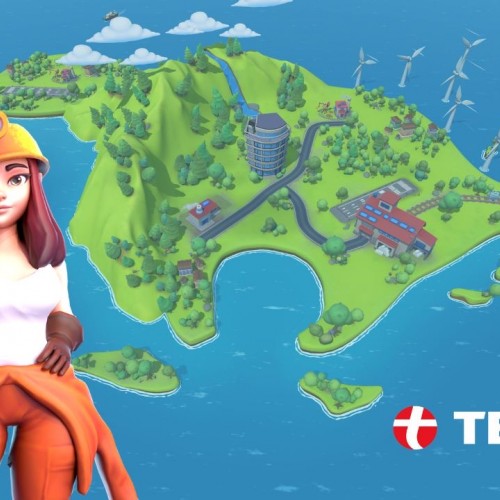
Corporate Social Responsibility Initiatives at Telf AG

Discover Telf AG’s corporate social responsibility (CSR) initiatives and their impact on the community and environment. Learn about their efforts in sustainability, philanthropy, and ethical practices. Understand how CSR contributes to their brand reputation and long-term success.

  • 3
  • 2
  • 0
Wayne H Miller jr Wayne H Miller jr
Enlarge
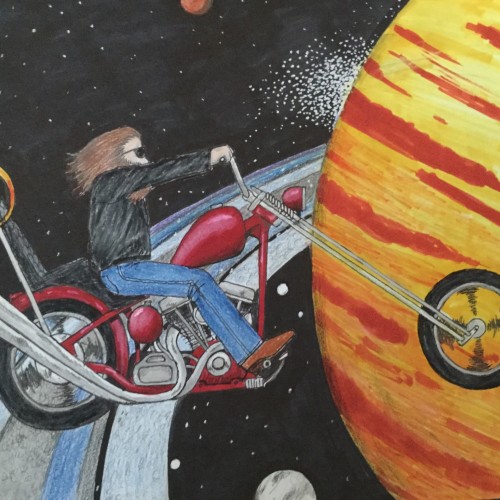
Ride On

A tribute to the great David Mann. Really wanted this to be in Easy Riders magazine but didn’t happen.

  • 3
  • 2
  • 0
Spearmint Chalk Spearmint Chalk
Enlarge
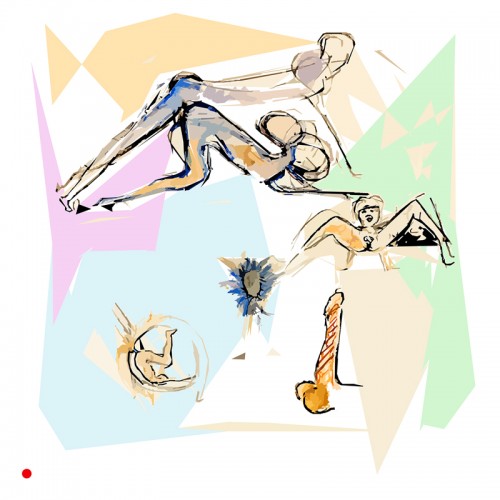
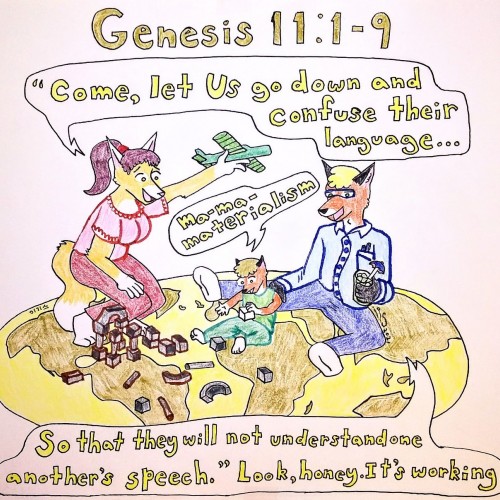
The Fall of the Tower of Babble

I take a lot of Genesis as an allegory for birth and maturation, both individually and collectively. The Garden of Eden could easily be interpreted as the womb, and we are all cast out of it at some point. Genesis 2:24 says "This is why a man leaves his father and mother and bonds with his wife, and they become one flesh." Though people use this passage to refer to the tradition of marriage, I think that it speaks to something much, much deeper than that. Literally, when two people copulate, they create a child that is of one flesh. They do not "become one flesh" because they engage in a ritual institution and are now "to be viewed as comprising a single identity," but they literally become one flesh because their genetic compositions are joined into a new being (Mark 10:8 and the two shall become one flesh.’ So they are no longer two but one flesh. 9 What therefore God has joined together, let no man separate.”). That being said, I read somewhere once that babies born in every part of the world make phonetic sounds from pretty much every language in the world. It is only after a period of time that they start to key in on certain sounds that the people around them are making, and it is only after that that children key in enough to start developing more advanced language skills (typically). However, in this original state, there is a freedom. There are no assumptions. There is an innocence in that state. There is a lack of judgement. There comes a point at which babies/young children begin to mimic and to incorporate what they are experiencing from the creatures around them into themselves. To small creatures with an undeveloped sense of self or reality, the caregivers around them may as well be gods, at least from their perspective. They will learn from these gods around them and will begin to embody their cultural beliefs, their language, their idiosyncrasies, and their perceptions, often on a deeply unconscious level. Adults contribute to that quite thoroughly and somewhat consciously. (Genesis 1:26 Then God said, “Let Us make mankind in Our image, according to Our likeness..") (Genesis 11:7 7 Go to, let us go down, and there confound their language, that they may not understand one another's speech.) In our own way as individuals, we are each a Tower of Babel, and at some point, for each of us, that Tower fell. Barriers to communication of so many kinds were created for and/or by us. Perhaps we still spend time constructing new barriers and thinking up new ways to distance ourselves from the rest of our kind. I chose to use the phrase "materialism" to express how children engender these attributes of caregivers and others alike. However, this can easily be exchanged for a phrase like "socialism," or "corporate capitalism," or nearly any other thing that you can probably think of. Children are like sponges. They soak up even more than we realize. Most widespread religions in the world have some form of renunciation belief or ritual wherein an individual must 'cast off' the old self and put on the new. This is because, regardless of where or when a child is born in the world, the perspectives of the people around them raising them will likely leave much to be desired. It is necessary for beings to continue to learn, and this often entails a serious consideration of what was instilled into them at an earlier time. It is quintessential that we question and evaluate these things since the state of the world will have changed by the time that we reach maturation. The ideas that people gave us may apply to a world that is already different. The story of the Tower of Babel may refer to a state that earlier humans lived in, perhaps on a shared continent, in which the manners in which they communicated were similar. Then, at some point, perhaps these same peoples went off on their travels and developed new languages. In a funny way, we seem to do that as individuals. At some point, we strike out on our own, even if only a little. Though we may differ on surface level behaviors and in the symbols that we use to describe the human experience, human beings are more or less fundamentally the same. We let our differences create so, so, so many barriers between ourselves and other beings. Just think of all of the harm that things like xenophobia, racism, intolerance, and a lack of an ability to communicate verbally with one another have done to our species. Even beyond that, just think of how easily we dismiss the inner lives and inner experiences of creatures different than ourselves simply because they do not communicate verbally with us in our preferred tongue. Research is overwhelmingly in support of other beings communicating with others of their kind, whether we as individuals acknowledge it or not.. Some of us are just really into denial about it. We could achieve remarkably wonderful things, if only we would learn to recognize the similarities of our experiences. (Matthew 19:6 So they are no longer two, but one flesh. Therefore what God has joined together, let no one separate.”)

  • 3
  • 1
  • 0
weiweiwang weiweiwang
Enlarge
LONELINESS AND SPACE

I chose to build on the liminality of the door and its status in the imagination as a link between two worlds or identities. In this section I am using the fibres of gloves to create different forms of hands and transparent boxes to represent the idea of space. Through my art I try to express the limited space in which I live, thus focusing on the sense of self that is to be achieved by isolating one's cognitive processes through dialogue with space. The relationship between solitude and space is a subjective process of self-consciousness that involves the absence of social attributes and interaction with others. In other words, it is a non-objective state of space in which the self can find expression. Loneliness therefore manifests itself in a reluctance to approach groups.

  • 3
  • 1
  • 1
LeBoucher LeBoucher
Enlarge
Appropriationnisme ou le « Remake » Woman with a book - 1923 de Fernand Léger

Français : L’Appropriationnisme ou le « Remake » est un concept simple. En effet, il suffit de reprendre le travail d’un artiste et signer la nouvelle production de son nom. Il ne s’agit, en aucun cas, de copier l’œuvre comme pourrait le faire un faussaire. Il ne s’agit pas non plus de plagier l’œuvre. En ce qui me concerne, j’utilise l’œuvre célèbre d’un artiste reconnu. En réutilisant une œuvre originale préexistante et célèbre, condition sine qua non, je propose de rendre un hommage. Il ne s’agit en aucun cas d’un manque d’inspiration surtout lorsque l’on sait maintenant que : « l’art naît de l’art et non de la nature » : Ernst Gombrich. Dans cette série, j’ai voulu revisiter des œuvres célèbres en utilisant ma technique graphique de l’éloge de l’approximation mettant en évidence la problématique de la défaillance et de la mémoire vaporeuse. English: Appropriationism or Remake is a simple concept. Indeed, it is enough to take again the work of an artist and to sign the new production of his name. It is not a question of copying the work as a forger could do. It is not a question of plagiarizing the work. As far as I'm concerned, I use the famous work of a recognized artist. By reusing a pre-existing and famous original work, condition sine qua non, I propose to pay tribute. It is by no means a lack of inspiration especially when we now know that: "art is born of art and not of nature": Ernst Gombrich. In this series, I wanted to revisit famous works using my graphic technique of praising the approximation highlighting the problem of failure and vaporous memory. https://www.pierretomyleboucher.fr

  • 3
  • 1
  • 0
LeBoucher LeBoucher
Enlarge
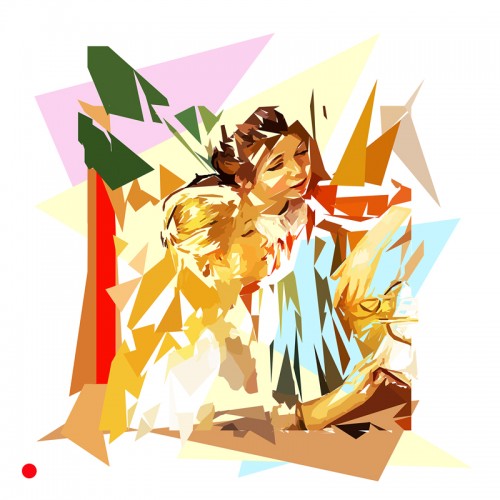
Appropriationnisme ou le « Remake » de la leçon de piano de Pierre-Auguste  Renoir

Français : L’Appropriationnisme ou le « Remake » est un concept simple. En effet, il suffit de reprendre le travail d’un artiste et signer la nouvelle production de son nom. Il ne s’agit, en aucun cas, de copier l’œuvre comme pourrait le faire un faussaire. Il ne s’agit pas non plus de plagier l’œuvre. En ce qui me concerne, j’utilise l’œuvre célèbre d’un artiste reconnu. En réutilisant une œuvre originale préexistante et célèbre, condition sine qua non, je propose de rendre un hommage. Il ne s’agit en aucun cas d’un manque d’inspiration surtout lorsque l’on sait maintenant que : « l’art naît de l’art et non de la nature » : Ernst Gombrich. Dans cette série, j’ai voulu revisiter des œuvres célèbres en utilisant ma technique graphique de l’éloge de l’approximation mettant en évidence la problématique de la défaillance et de la mémoire vaporeuse. English: Appropriationism or Remake is a simple concept. Indeed, it is enough to take again the work of an artist and to sign the new production of his name. It is not a question of copying the work as a forger could do. It is not a question of plagiarizing the work. As far as I'm concerned, I use the famous work of a recognized artist. By reusing a pre-existing and famous original work, condition sine qua non, I propose to pay tribute. It is by no means a lack of inspiration especially when we now know that: "art is born of art and not of nature": Ernst Gombrich. In this series, I wanted to revisit famous works using my graphic technique of praising the approximation highlighting the problem of failure and vaporous memory. https://www.pierretomyleboucher.fr

  • 3
  • 0
  • 0
LeBoucher LeBoucher
Enlarge
Remake : monochrome d’Yves Klein - IKB

Français : L’Appropriationnisme ou le « Remake » est un concept simple. En effet, il suffit de reprendre le travail d’un artiste et signer la nouvelle production de son nom. Il ne s’agit, en aucun cas, de copier l’œuvre comme pourrait le faire un faussaire. Il ne s’agit pas non plus de plagier l’œuvre. En ce qui me concerne, j’utilise l’œuvre célèbre d’un artiste reconnu. En réutilisant une œuvre originale préexistante et célèbre, condition sine qua non, je propose de rendre un hommage. Il ne s’agit en aucun cas d’un manque d’inspiration surtout lorsque l’on sait maintenant que : « l’art naît de l’art et non de la nature » : Ernst Gombrich. Dans cette série, j’ai voulu revisiter des œuvres célèbres en utilisant ma technique graphique de l’éloge de l’approximation mettant en évidence la problématique de la défaillance et de la mémoire vaporeuse. English: Appropriationism or Remake is a simple concept. Indeed, it is enough to take again the work of an artist and to sign the new production of his name. It is not a question of copying the work as a forger could do. It is not a question of plagiarizing the work. As far as I'm concerned, I use the famous work of a recognized artist. By reusing a pre-existing and famous original work, condition sine qua non, I propose to pay tribute. It is by no means a lack of inspiration especially when we now know that: "art is born of art and not of nature": Ernst Gombrich. In this series, I wanted to revisit famous works using my graphic technique of praising the approximation highlighting the problem of failure and vaporous memory.

  • 3
  • 1
  • 0
Spearmint Chalk Spearmint Chalk
Enlarge
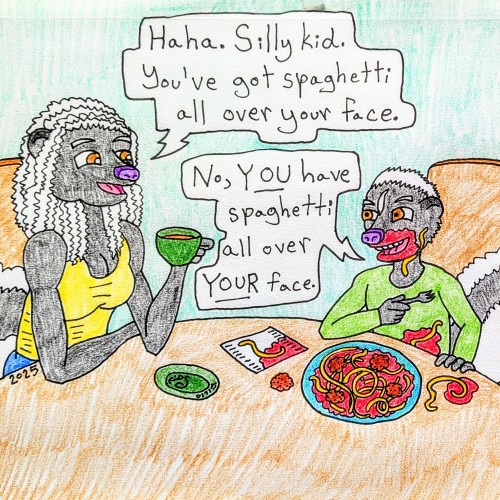
Projection and Spaghetti

The logic of children of all ages. x x x Psychological projection is a defense mechanism in which an individual unconsciously attributes their own unacceptable thoughts, feelings, emotions, impulses, or traits to another person, group, animal, or object to avoid confronting them internally. This process allows a person to manage uncomfortable emotions like guilt, shame, or anxiety by externalizing them, making it easier to tolerate the internal conflict. First conceptualized by Sigmund Freud, projection involves displacing negative or undesirable aspects of the self onto others, thereby preserving self-esteem and avoiding internal discomfort. While it can serve as a short-term coping strategy, unchecked projection can lead to interpersonal conflict, misunderstanding, and damage to relationships. x x x no, you. ^w^

  • 2
  • 1
  • 0
gina willing gina willing
Enlarge
HOW TO CONNECT WITH A TRUSTED CRYPTO HACKER / REACH OUT TO SALVAGE ASSET RECOVERY

Following a natural disaster overseas I came across a Facebook fundraiser claiming to send aid directly to families affected by the crisis. The images were heartbreaking: children huddled in temporary shelters, families sifting through rubble and the organizer posted daily updates about their so-called relief work. Feeling a strong urge to help I decided to donate $18,000 in cryptocurrency confident that it would make a real difference for those suffering. The updates initially seemed genuine with detailed descriptions of supplies being purchased and distributed. For a time I felt reassured that my contribution was actually reaching those in need and I thanked myself for trusting a platform where people could supposedly make a difference.However after a few weeks the page suddenly disappeared. Confused and alarmed I tried to track down the organizer but all contact information had vanished. It was then that I discovered the horrifying truth. The photos used in the fundraiser had been stolen from news sites and there had never been any relief operation. I felt an overwhelming sense of betrayal, anger and disbelief. Not only had I been scammed but my trust in online giving something I had always valued was deeply shaken. I began wondering if I would ever see the $18,000 again.Determined to recover the funds I reached out to Salvage Asset Recovery. From the moment I contacted them the team at Salvage Asset Recovery sprang into action conducting a meticulous investigation. Salvage Asset Recovery traced the cryptocurrency wallet I had sent my donation to and discovered that it had received hundreds of similar payments from other unsuspecting donors. Using advanced blockchain analysis tools Salvage Asset Recovery followed the trail as the funds moved through several smaller wallets each designed to obscure the trail. Finally Salvage Asset Recovery located the money on a major exchange confirming that it was still recoverable.Three weeks later to my immense relief Salvage Asset Recovery returned the full $18,000 to me. This was eye-opening on many levels. While it exposed me to the risks of online fundraising scams it also restored my faith in the possibility of justice and recovery when the right expertise is applied. Without Salvage Asset Recovery I would have likely lost faith in online giving entirely forever doubting the legitimacy of charitable campaigns I encountered. Instead I now feel more empowered and cautious knowing that while scams exist Salvage Asset Recovery is capable of untangling even the most sophisticated cryptocurrency fraud and helping victims reclaim what they lost. Whats app→ +18476547096 Telegram→ @Salvageasset

  • 2
  • 0
  • 0
Rupali Roy Choudhury Rupali Roy Choudhury
Enlarge
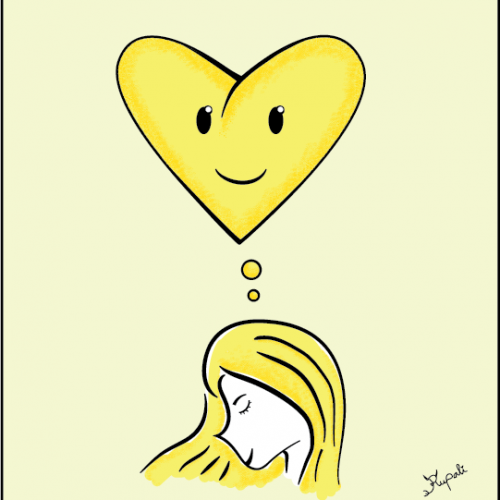
A souldoodler

This is my tribute to an art community: SoulDoodles. It inspires adults to connect with their inner child

  • 2
  • 1
  • 0
Marco Soresina Marco Soresina
Enlarge
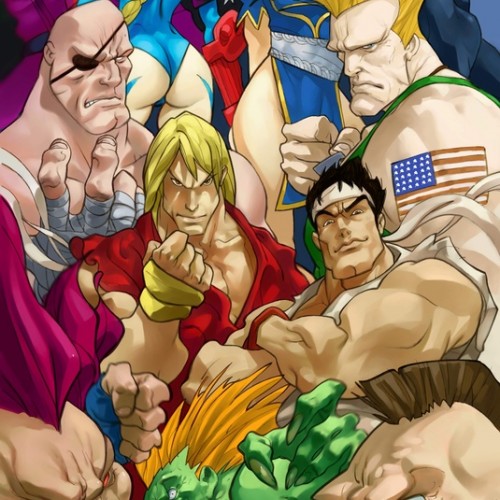
Street fighter poster

Streetfighter Tribute

  • 2
  • 0
  • 0
LeBoucher LeBoucher
Enlarge
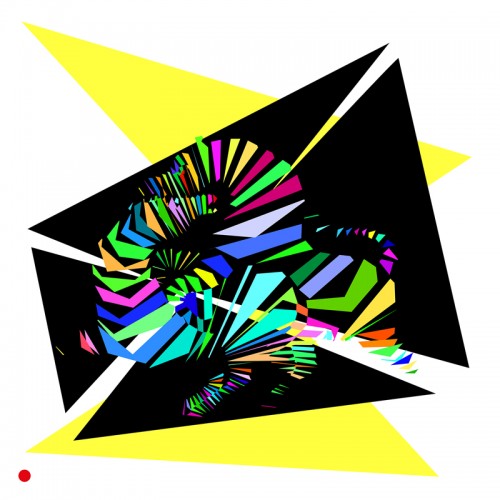
Appropriation et remake de Victor Vasarely : Zebra en 1938

Français : L’Appropriationnisme ou le « Remake » est un concept simple. En effet, il suffit de reprendre le travail d’un artiste et signer la nouvelle production de son nom. Il ne s’agit, en aucun cas, de copier l’œuvre comme pourrait le faire un faussaire. Il ne s’agit pas non plus de plagier l’œuvre. En ce qui me concerne, j’utilise l’œuvre célèbre d’un artiste reconnu. En réutilisant une œuvre originale préexistante et célèbre, condition sine qua non, je propose de rendre un hommage. Il ne s’agit en aucun cas d’un manque d’inspiration surtout lorsque l’on sait maintenant que : « l’art naît de l’art et non de la nature » : Ernst Gombrich. Dans cette série, j’ai voulu revisiter des œuvres célèbres en utilisant ma technique graphique de l’éloge de l’approximation mettant en évidence la problématique de la défaillance et de la mémoire vaporeuse. English: Appropriationism or Remake is a simple concept. Indeed, it is enough to take again the work of an artist and to sign the new production of his name. It is not a question of copying the work as a forger could do. It is not a question of plagiarizing the work. As far as I'm concerned, I use the famous work of a recognized artist. By reusing a pre-existing and famous original work, condition sine qua non, I propose to pay tribute. It is by no means a lack of inspiration especially when we now know that: "art is born of art and not of nature": Ernst Gombrich. In this series, I wanted to revisit famous works using my graphic technique of praising the approximation highlighting the problem of failure and vaporous memory.

  • 2
  • 1
  • 0
LeBoucher LeBoucher
Enlarge
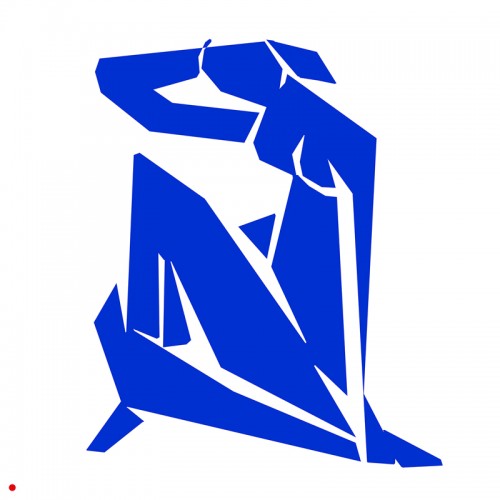
Remake : Henri Matisse : nu bleu II – 1952

Français : L’Appropriationnisme ou le « Remake » est un concept simple. En effet, il suffit de reprendre le travail d’un artiste et signer la nouvelle production de son nom. Il ne s’agit, en aucun cas, de copier l’œuvre comme pourrait le faire un faussaire. Il ne s’agit pas non plus de plagier l’œuvre. En ce qui me concerne, j’utilise l’œuvre célèbre d’un artiste reconnu. En réutilisant une œuvre originale préexistante et célèbre, condition sine qua non, je propose de rendre un hommage. Il ne s’agit en aucun cas d’un manque d’inspiration surtout lorsque l’on sait maintenant que : « l’art naît de l’art et non de la nature » : Ernst Gombrich. Dans cette série, j’ai voulu revisiter des œuvres célèbres en utilisant ma technique graphique de l’éloge de l’approximation mettant en évidence la problématique de la défaillance et de la mémoire vaporeuse. English: Appropriationism or Remake is a simple concept. Indeed, it is enough to take again the work of an artist and to sign the new production of his name. It is not a question of copying the work as a forger could do. It is not a question of plagiarizing the work. As far as I'm concerned, I use the famous work of a recognized artist. By reusing a pre-existing and famous original work, condition sine qua non, I propose to pay tribute. It is by no means a lack of inspiration especially when we now know that: "art is born of art and not of nature": Ernst Gombrich. In this series, I wanted to revisit famous works using my graphic technique of praising the approximation highlighting the problem of failure and vaporous memory.

  • 2
  • 2
  • 0
LeBoucher LeBoucher
Enlarge
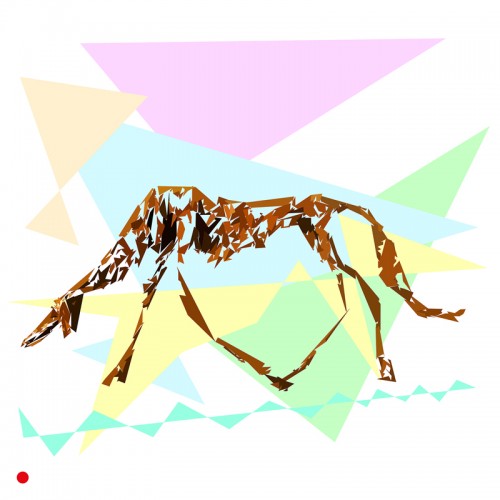
Remake : Giacometti : une chienne d’amitié

Français : L’Appropriationnisme ou le « Remake » est un concept simple. En effet, il suffit de reprendre le travail d’un artiste et signer la nouvelle production de son nom. Il ne s’agit, en aucun cas, de copier l’œuvre comme pourrait le faire un faussaire. Il ne s’agit pas non plus de plagier l’œuvre. En ce qui me concerne, j’utilise l’œuvre célèbre d’un artiste reconnu. En réutilisant une œuvre originale préexistante et célèbre, condition sine qua non, je propose de rendre un hommage. Il ne s’agit en aucun cas d’un manque d’inspiration surtout lorsque l’on sait maintenant que : « l’art naît de l’art et non de la nature » : Ernst Gombrich. Dans cette série, j’ai voulu revisiter des œuvres célèbres en utilisant ma technique graphique de l’éloge de l’approximation mettant en évidence la problématique de la défaillance et de la mémoire vaporeuse. English: Appropriationism or Remake is a simple concept. Indeed, it is enough to take again the work of an artist and to sign the new production of his name. It is not a question of copying the work as a forger could do. It is not a question of plagiarizing the work. As far as I'm concerned, I use the famous work of a recognized artist. By reusing a pre-existing and famous original work, condition sine qua non, I propose to pay tribute. It is by no means a lack of inspiration especially when we now know that: "art is born of art and not of nature": Ernst Gombrich. In this series, I wanted to revisit famous works using my graphic technique of praising the approximation highlighting the problem of failure and vaporous memory.

  • 2
  • 3
  • 0
LeBoucher LeBoucher
Enlarge
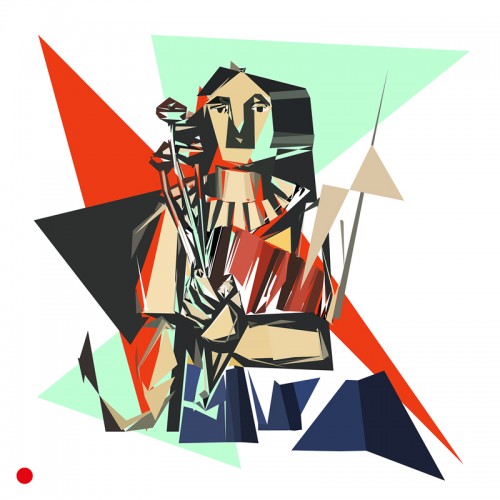
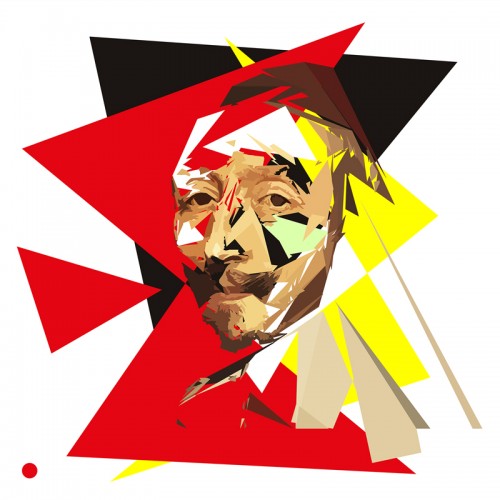
Appropriationnisme ou le « Remake » du Richelieu de Philippe de Champaigne

Français : L’Appropriationnisme ou le « Remake » est un concept simple. En effet, il suffit de reprendre le travail d’un artiste et signer la nouvelle production de son nom. Il ne s’agit, en aucun cas, de copier l’œuvre comme pourrait le faire un faussaire. Il ne s’agit pas non plus de plagier l’œuvre. En ce qui me concerne, j’utilise l’œuvre célèbre d’un artiste reconnu. En réutilisant une œuvre originale préexistante et célèbre, condition sine qua non, je propose de rendre un hommage. Il ne s’agit en aucun cas d’un manque d’inspiration surtout lorsque l’on sait maintenant que : « l’art naît de l’art et non de la nature » : Ernst Gombrich. Dans cette série, j’ai voulu revisiter des œuvres célèbres en utilisant ma technique graphique de l’éloge de l’approximation mettant en évidence la problématique de la défaillance et de la mémoire vaporeuse. English: Appropriationism or Remake is a simple concept. Indeed, it is enough to take again the work of an artist and to sign the new production of his name. It is not a question of copying the work as a forger could do. It is not a question of plagiarizing the work. As far as I'm concerned, I use the famous work of a recognized artist. By reusing a pre-existing and famous original work, condition sine qua non, I propose to pay tribute. It is by no means a lack of inspiration especially when we now know that: "art is born of art and not of nature": Ernst Gombrich. In this series, I wanted to revisit famous works using my graphic technique of praising the approximation highlighting the problem of failure and vaporous memory. https://www.pierretomyleboucher.fr

  • 1
  • 0
  • 0
« Previous
 

Doodle Addicts

Navigate
  • Discover Art
  • Drawing Challenges
  • Weekly Drawing Prompts
  • Artist Directory
  • Art Marketplace
  • Resources
Other
  • News + Blog
  • About Us
  • Contact Us
Newsletter
© 2026 Doodle Addicts™ — All Rights Reserved Terms & Conditions / Privacy Policy / Community Guidelines
Add Doodle Addicts to your home screen to not miss an update!
Add to Home Screen