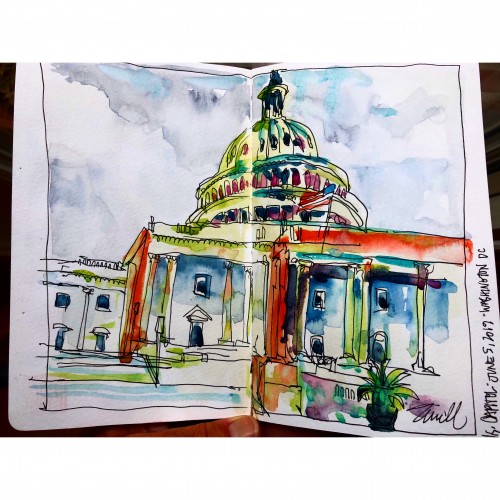
The work was taken by me in Portland, Oregon, USA. In the distance there is a house, a pillar on top of it has a lamp, Looking up at the sky at that time, the sunset sky looked very beautiful. The clumps of clouds drifted with the wind. Beneath the waves crashing against the shore, signaling that the tide has risen, the images in the above work make people always have to worry about the images that look very eye-catching.
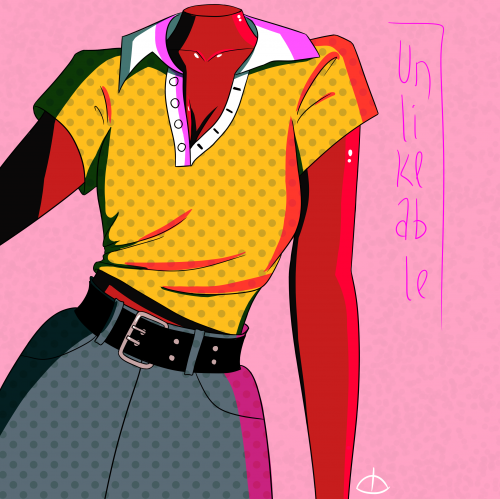
Depicting the young peoples lack of real identity coming from a lack of any real sub culture except looking good on a social platform and trying to become somebody on t.v or on a billboard. This is only led to a lack of respect for each other and the notion that what you own or buy makes you more special than the next person, this in turn leads to robbing each other in chase of a fancy phone that will be out of fashion in 1 year. Human conciousness at this point in time had been completely eroded.
A tiger wearing a teal suit and top hat is depicted against a muted background, giving an elegant and whimsical appearance. The animal's serious expression is emphasized by the formal attire.
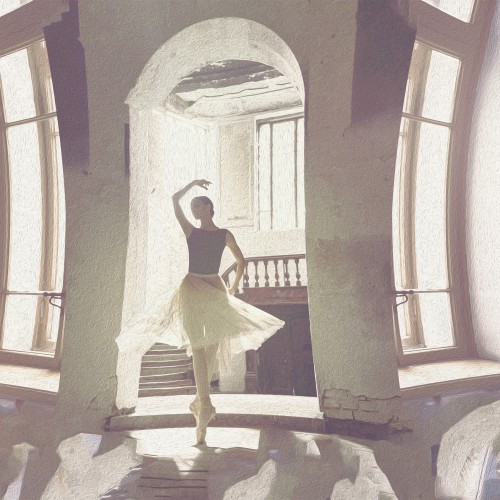
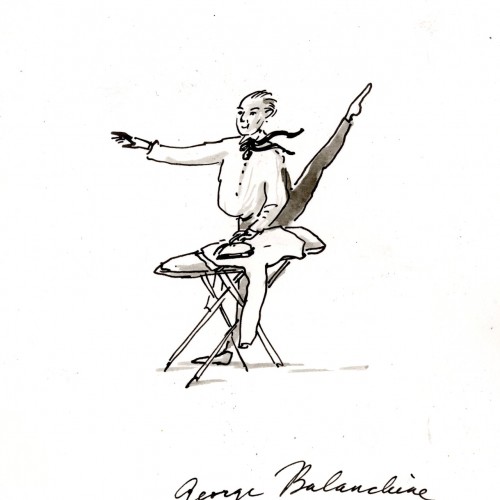
George Balanchine (1904–1983)
Balanchine liked to do his own laundry. “When I’m ironing, that’s when I do most of my work,” he once said. The choreographer rose early, before 6:00 A.M., made a pot of tea, and read a little or played a hand of Russian solitaire while he gathered his thoughts. Then he did his ironing for the day (he did his own washing too, in a portable machine in his Manhattan apartment) and, between 7:30 and 8:00, phoned his longtime assistant for a rundown of the day’s schedule.
- From Daily Rituals: How Artists Work by Mason Currey
“I like to do things certain ways and I disagree with everybody but I don't even want to argue.”
― George Balanchine
#dailyrituals #inktober #balanchine @masoncurrey
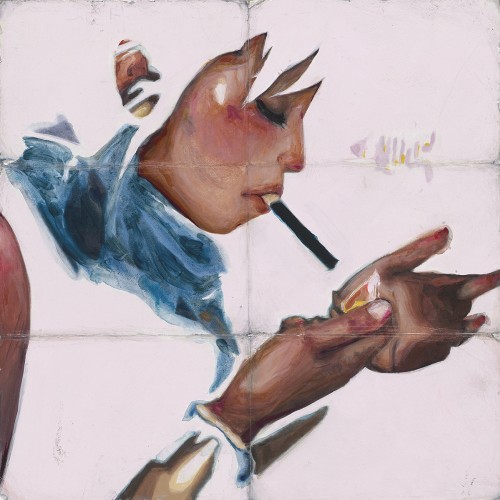
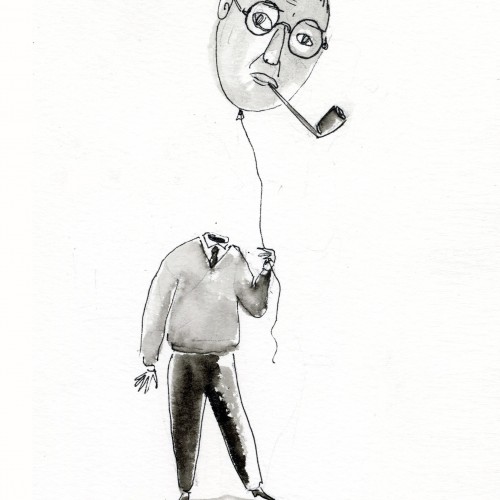
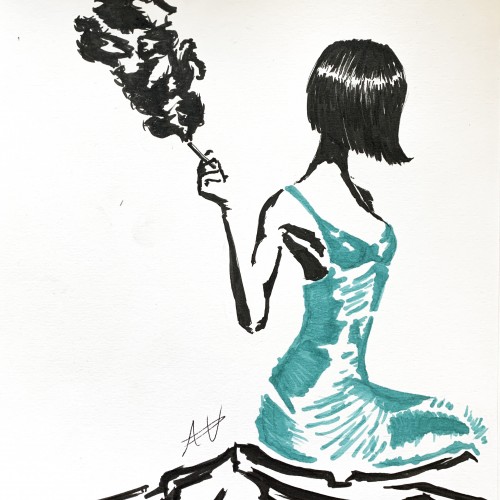
Jean-Paul Sartre (1905–1980)
By the 1950s, too much work on too little sleep—with too much wine and cigarettes—had left Sartre exhausted and on the verge of collapse. Rather than slow down, however, he turned to Corydrane, a mix of amphetamine and aspirin then fashionable among Parisian students, intellectuals, and artists (and legal in France until 1971, when it was declared toxic and taken off the market). The prescribed dose was one or two tablets in the morning and at noon. Sartre took twenty a day, beginning with his morning coffee and slowly chewing one pill after another as he worked. For each tablet, he could produce a page or two of his second major philosophical work, The Critique of Dialectical Reason.
The biographer Annie Cohen-Solal reports, “His diet over a period of twenty-four hours included two packs of cigarettes and several pipes stuffed with black tobacco, more than a quart of alcohol—wine, beer, vodka, whisky, and so on—two hundred milligrams of amphetamines, fifteen grams of aspirin, several grams of barbiturates, plus coffee, tea, rich meals.”
- From Daily Rituals: How Artists Work by Mason Currey
#dailyrituals #inktober #jeanPaulSartre @masoncurrey