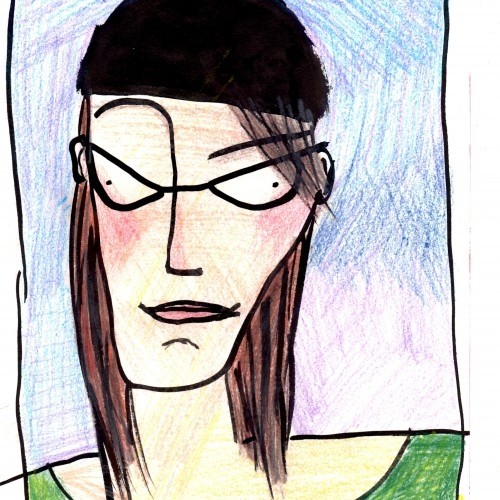
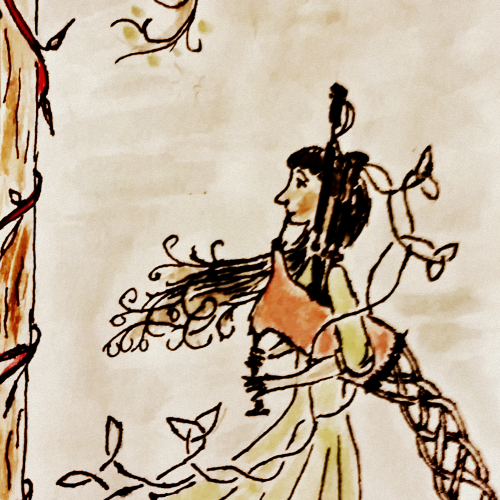
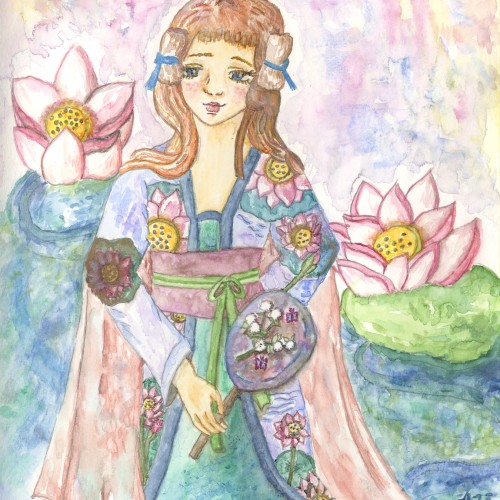
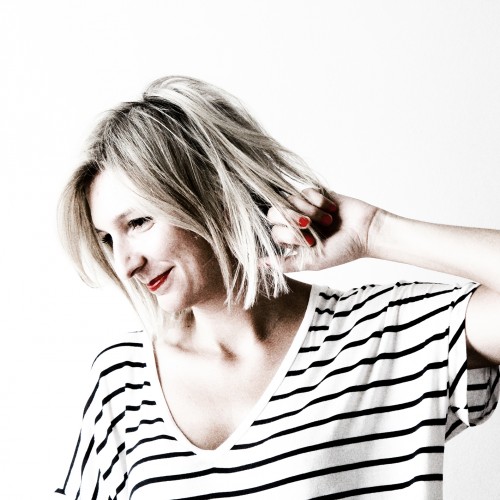
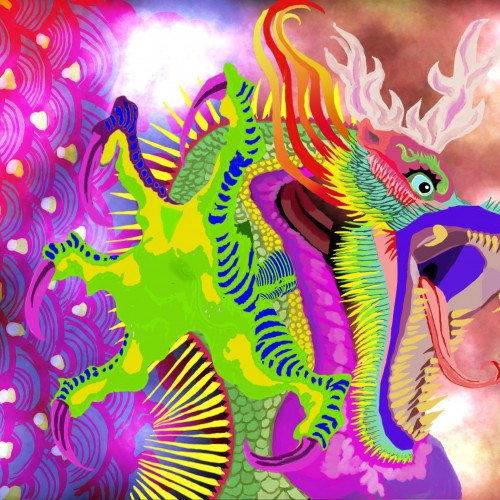
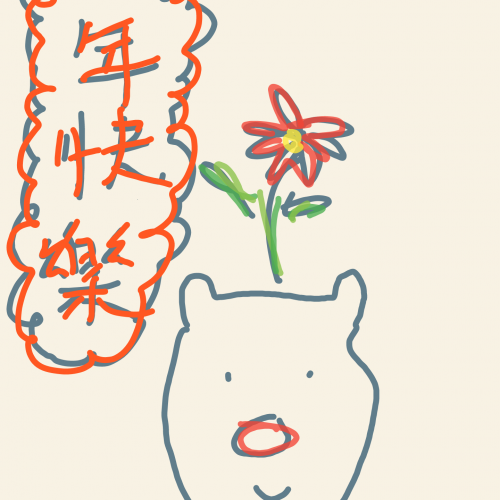
This is Lianhua. She is from the Tang Dynasty in the Year 700 Ad. She is wearing a type of hanfu (traditional Chinese dress) called a Qixiong Ruqun. If anyone knows more on Hanfu and Chinese historical fashion, let me know if I I got the the time period right or if the styles are from different time periods. I did alot of research, but I still have alot to learn. Created with Kuretake Gansai Tambi Watercolors.
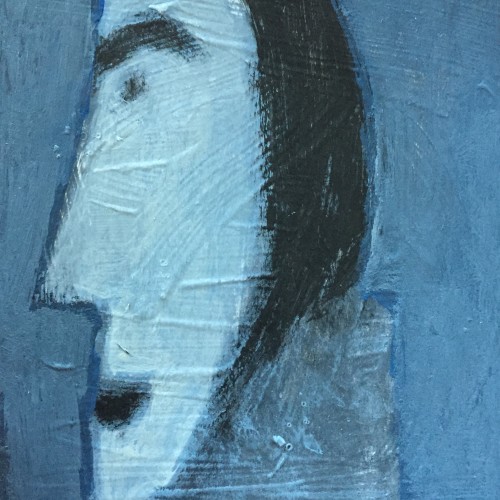
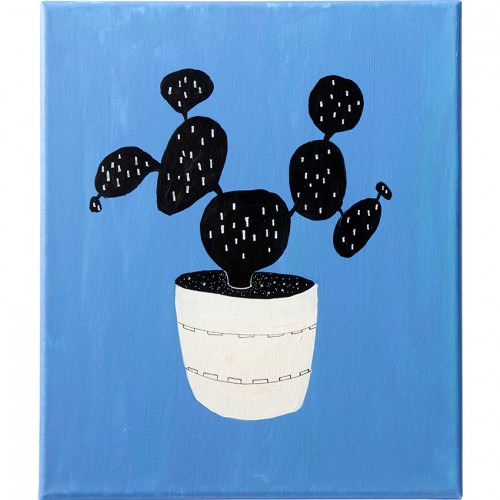
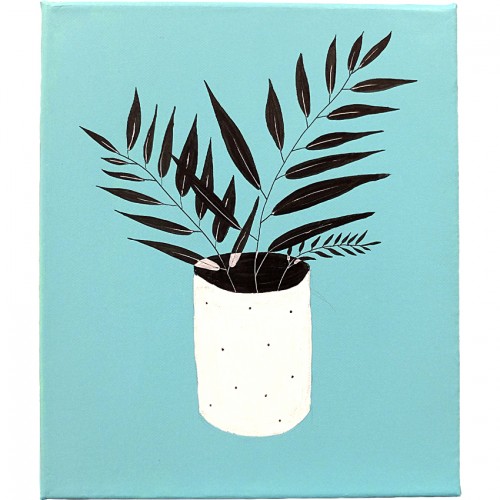
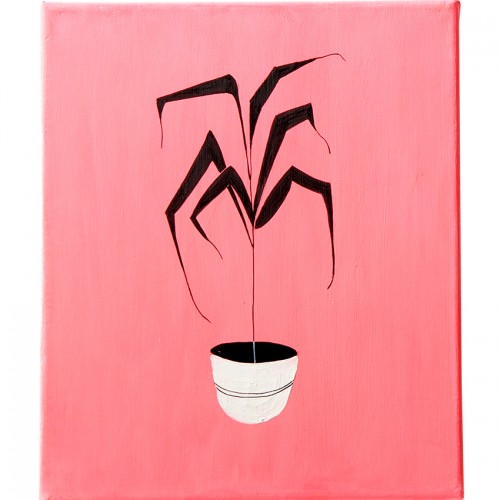
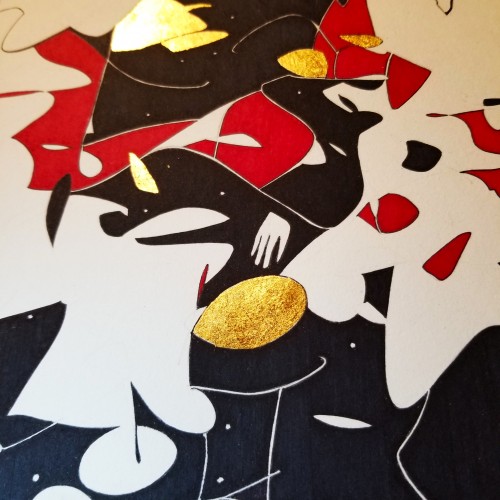
Canvas mounted on wooden frame. Size: 25 x 30 cm Materials: acrylic, Chinese ink, brush, pen and marker. Is sold the original piece. For this reason, there may be slight differences from one piece to another.
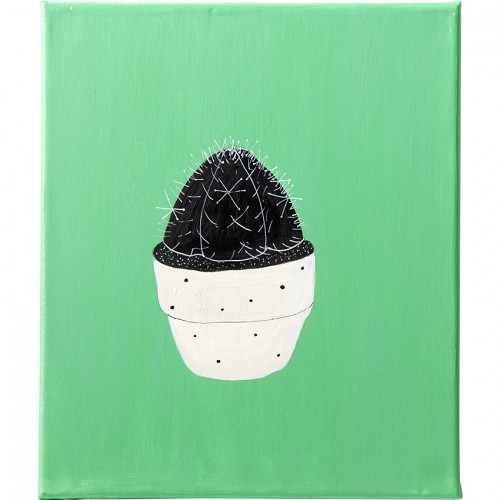
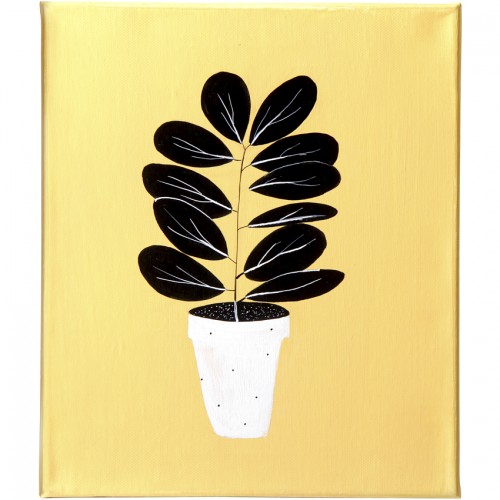
Canvas mounted on wooden frame. Size: 25 x 30 cm Materials: acrylic, Chinese ink, brush, pen and marker. Is sold the original piece. For this reason, there may be slight differences from one piece to another.
Canvas mounted on wooden frame. Size: 25 x 30 cm Materials: acrylic, Chinese ink, brush, pen and marker. Is sold the original piece. For this reason, there may be slight differences from one piece to another.
Canvas mounted on wooden frame. Size: 25 x 30 cm Materials: acrylic, Chinese ink, brush, pen and marker. Is sold the original piece. For this reason, there may be slight differences from one piece to another.
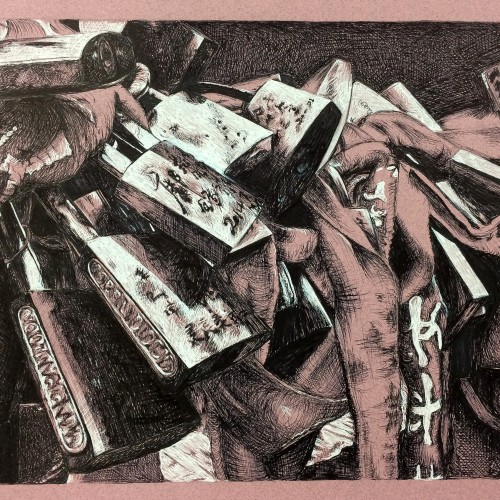
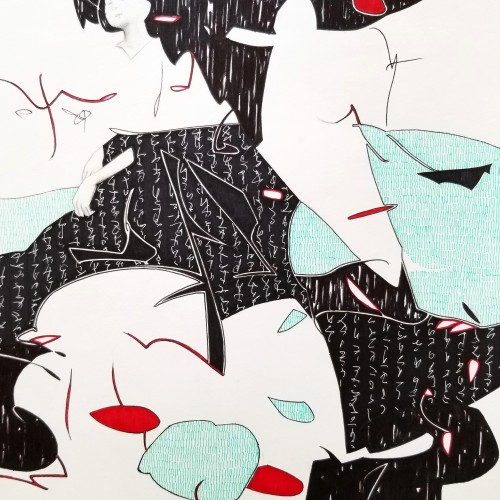
Whether the script in the background is an actual sutra is not the concern, even if it is, would it be readable to most? I question the use of lines in Calligraphy. Without the recognition of the exact words or meaning, can we still appreciate the quality and skills involved? Armed with a Chinese writing foundation, I adapted the use of the eight strokes (the basis of construction to Chinese character). The `writings’ resembles Chinese/Japanese writings but in fact, they are not. I needed a texture. With language as a symbol of culture, by visually adapting these kind of lines endears us to the image.
Canvas mounted on wooden frame. Size: 25 x 30 cm Materials: acrylic, Chinese ink, brush, pen and marker. Is sold the original piece. For this reason, there may be slight differences from one piece to another.
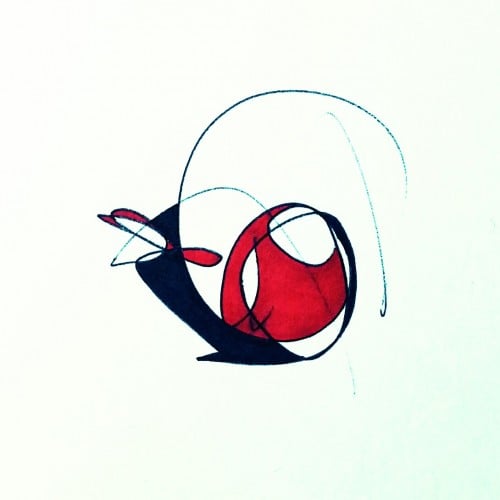
Since the dawn of l’automatisme, the floating shapes of Miro and Klee were praised as musical suggestions. Unlike the Masters, my groundwork of flowing lines speaks melody and rhythm from a musical score perspective. The flow of lines ties the art elements into a composition. It also reflects a concept from Chinese paintings, which says, ` as a line moves into the invisible, the idea continues.’