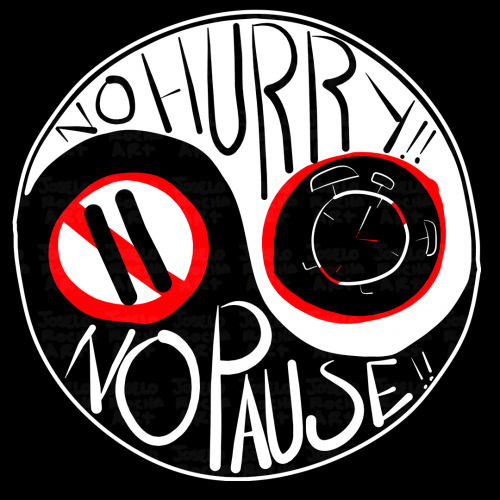
I am an art teacher with a master’s degree—trained by brilliant professors who believed that art could do more than decorate walls. I offer safe spaces for teenagers to grow—nourishing soil where their imaginations can take root.
And yet… I am assigned to hallway duty.
This is compulsory education, after all.
So I sit—posted like a sentinel—watching young lives stream past.
“Get to class,” I say with a smile and a nudge.
The system wants attendance; I’m hungry for presence.
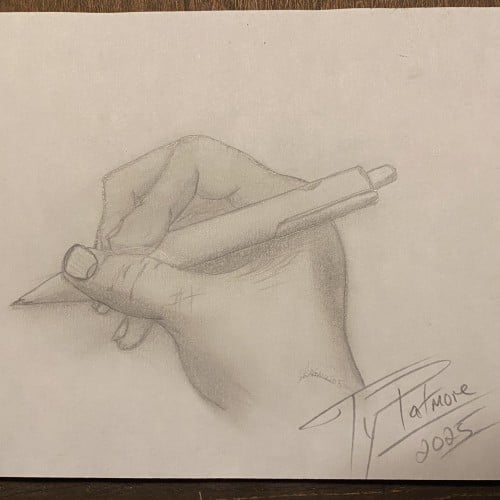
Armed not with a whistle or clipboard, but with a pen—
my scribble’s soft insurgency.
The hallway stretches out like a geometric hymn.
Columns and corners chant structure.
Teenagers swirl past—half-formed galaxies of limbs and laughter—
their orbits chaotic, their gravity pulling time forward.
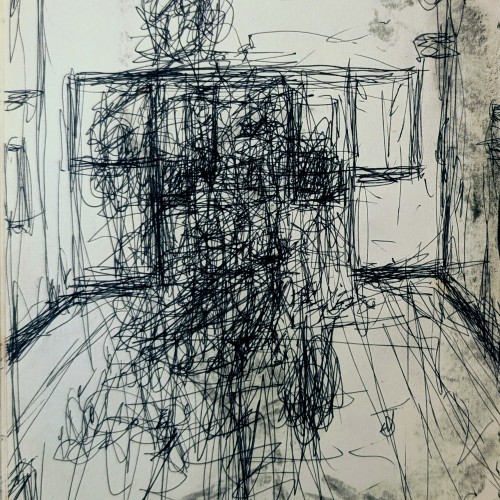
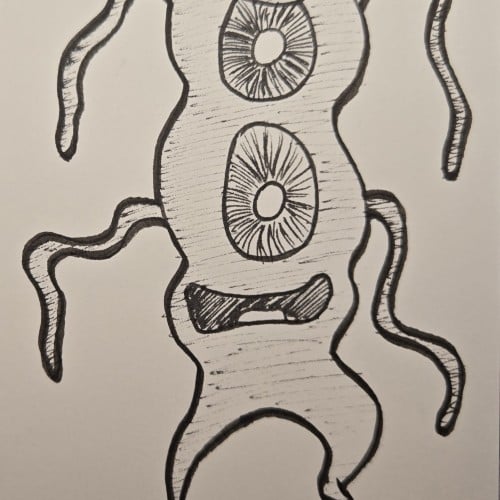
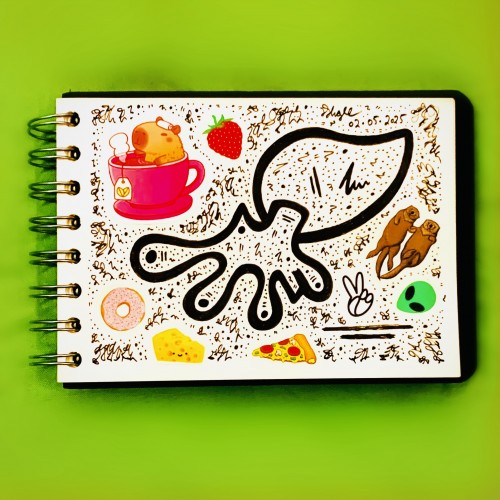
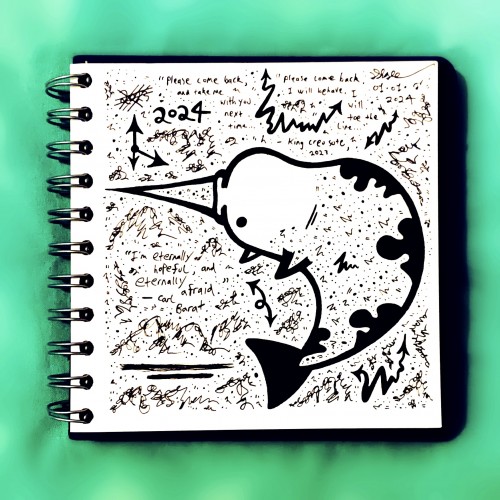
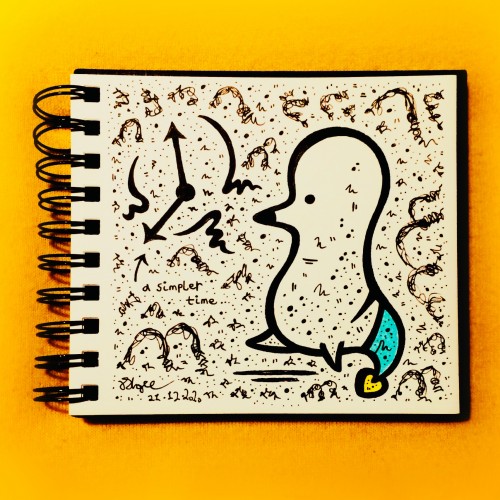
I begin to draw.
Not their tardiness, but their motion.
A shoulder. A blur of sneakers.
A tilted head chasing freedom.
Feet flickering like seconds.
Each mark a pulse.
Each smudge a breath.
My paper becomes a seismograph of seeing—
trembling gently through the mundane.
This isn’t about making art for a frame or a feed.
It’s about refusing to leak away in the fluorescent hum of obligation.
It’s a quiet mutiny against the clock.
I do this on long car rides, too (passenger side, mind you).
Letting the lines grow wild, jagged, and unapologetic.
Not for polish—
but for presence.
This is how I remember I’m still alive.
Still growing.
Still watching.
Still choosing to see.
Because sometimes mental health looks like
a piece of scrap paper,
a moving pen,
and the simple, sacred act of
marking time with wonder.
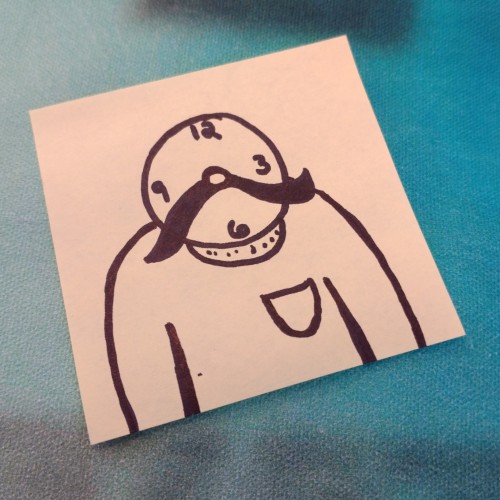
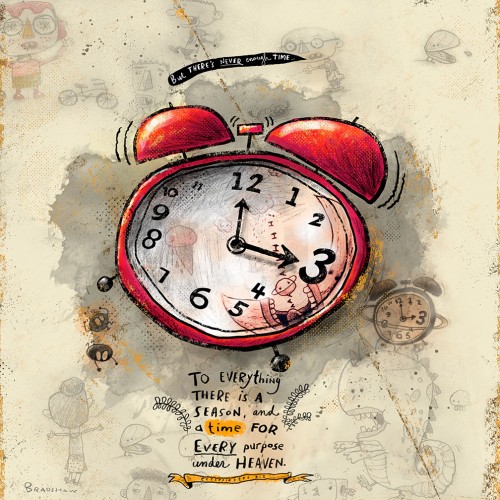
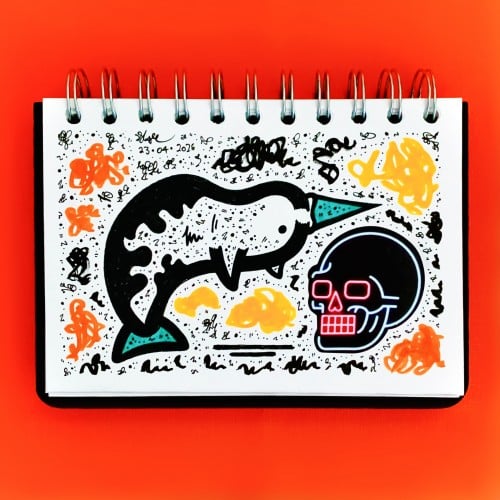
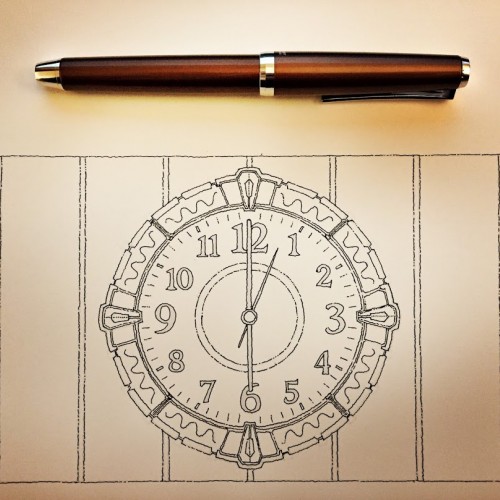
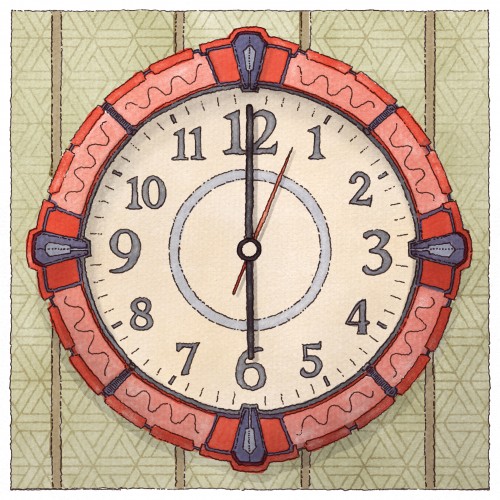
Inktober2018day14. Clock. I love time. I hate time. It goes too fast and there’s never enough of it. If I had more of it, I would be able to post every day for inktober. I wasn't going to participate this year, but after 4 or 5 days in, I figured if I did a very simple line drawing, like I started doing with the little box chicken character I could make every remaining day, but I just couldn't stop myself from going all out on some pieces. It's like I always want to add more. So maybe it’s going to be quality not quantity for me this year. Please enjoy.
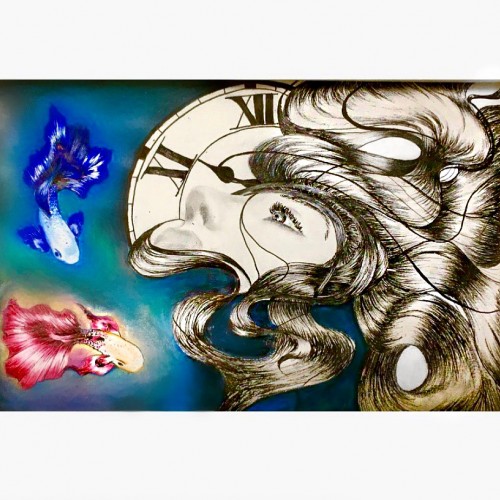
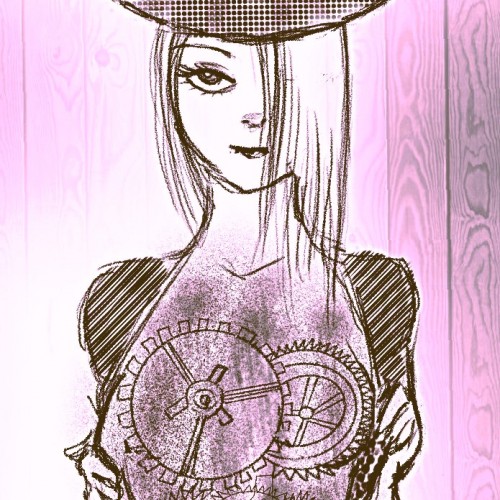
In this photo I drew two Betta fish, a clock and a female in a dark background. Drawing this picture was more of a self expression. The two betta fish expressed conflict; the clock expressed running out of time and the female I guess would represent myself. I was in a dark period while drawing this, but happy to say, I’ve managed to pull through my obstacles =)
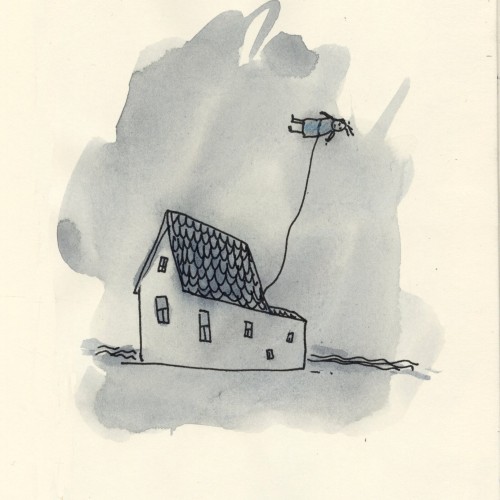
The house is grey, the sky and the sea are grey, and the field is grey with dew. It's four o'clock in the morning and I have saved three important hours which can be counted as extra. Or perhaps three and a half.
I have learned to tell the time, although I'm not yet quite sure about the minutes.
Sculptor's daughter by Tove Jansson.
#dailydrawing #toveJansson
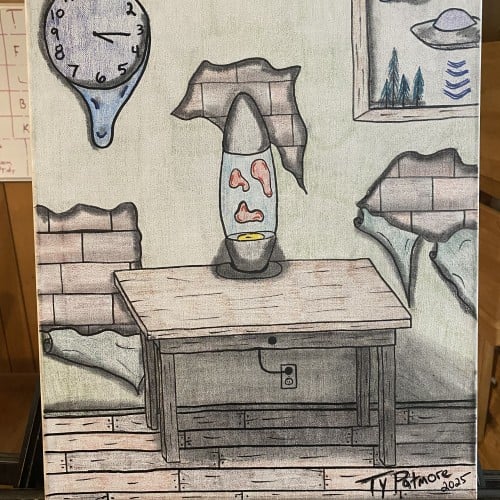
In “I Love Lamp,” Ty Patmore blends nostalgia, humor, and subtle unease into a surreal domestic scene where time, space, and memory feel slightly off-center. A lava lamp—softly glowing with drifting shapes—sits on a worn wooden table, acting as the sole beacon of warmth inside a room that is quietly falling apart. The wallpaper peels back to reveal fractured brick beneath, as if the structure itself is shedding its old skin.
A melting wall clock drips down the surface like time losing its grip, while a framed picture of a UFO drifting over pine trees hints that even the outside world may not be quite right. Every object bends reality just enough to make the viewer question whether this room is comforting… or unsettling.
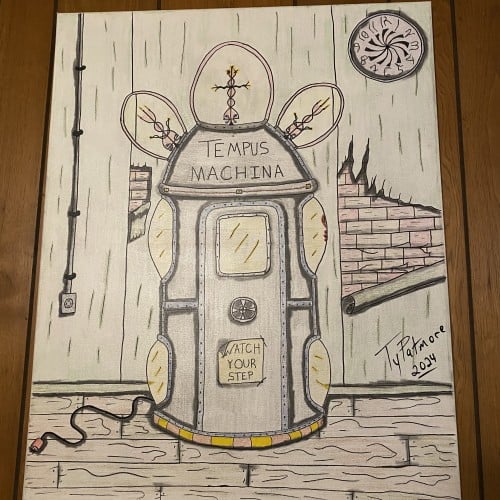
A whimsical yet haunting reflection on the passage of time, From Time to Time imagines a fragile machine built to bend reality itself. The “Tempus Machina” stands as both invention and relic — humming with promise but tethered by a frayed cord and a warning: Watch Your Step. The cracked wall, warped floorboards, and distorted clock hint that tampering with time comes at a cost. Blending humor, nostalgia, and existential tension, Patmore’s work transforms a steampunk curiosity into a metaphor for our human impulse to repair, rewind, and relive what’s already slipping away.
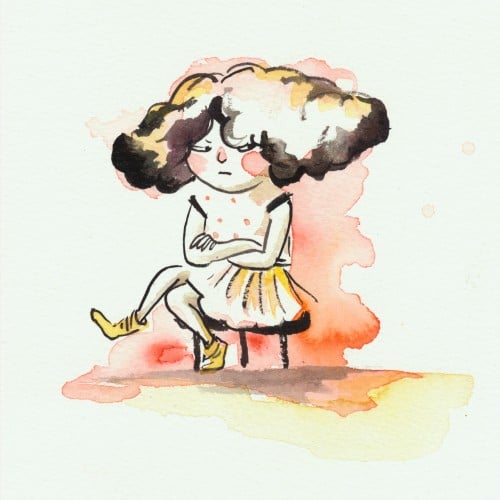
Have you ever woken up from begging "I wanna pee-pee" whimpering closely to your ear? Or from a barking alarm because the birds are singing loudly outside? Yea-ah, dogs are the best alarm clocks... We're sure you'll have a woof-derful week, guys!
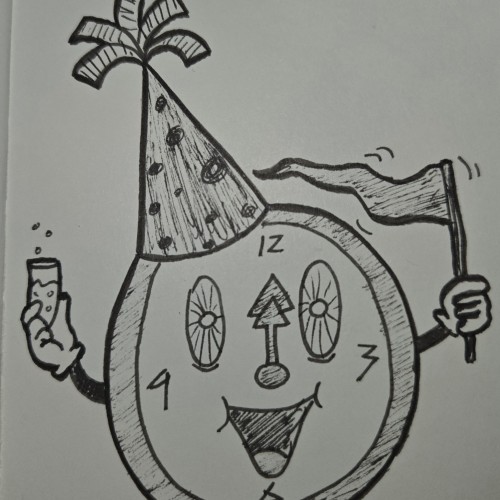
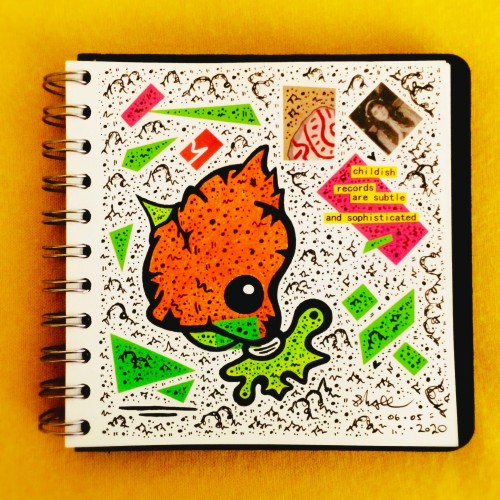
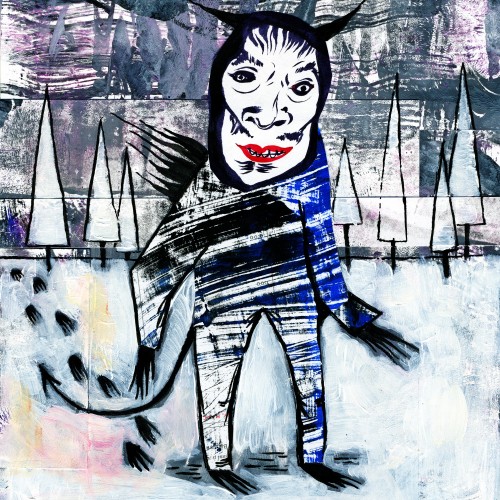
I collaged "Krampus is Coming For You" together with my own monoprints as well as one of my drawings of Japanese Noh masks that I cut out of an old sketchbook. For the second piece, I had a drawing of Marie Antoinette as an ice cream cone, so I gave her a dress, put a background of my monoprints on her, etc. Then I added more cherries, and the circle reminded me of a clock, so I inked in the arms accordingly.
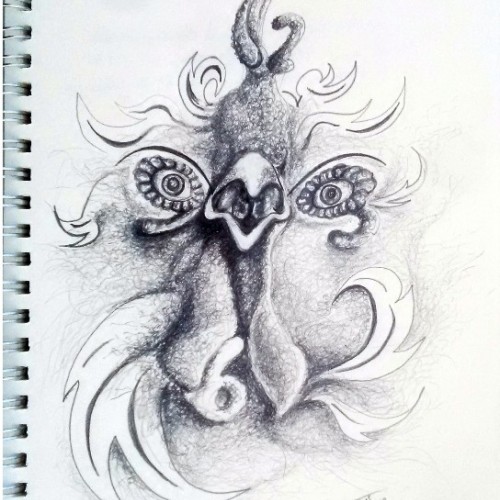
In some of the Rural areas in Africa, the Rooster is our clock as well as the alarm. It is a combination of the rooster and the four numbers on a clock.
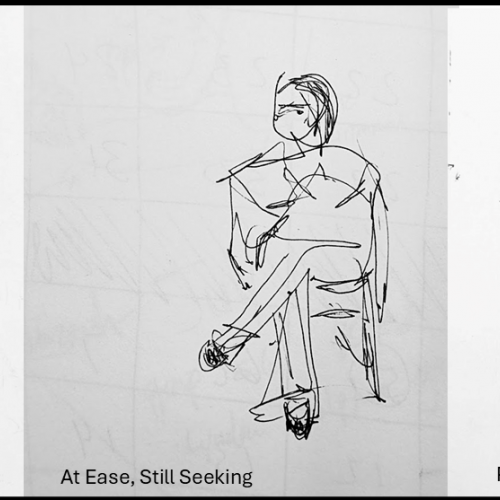
Super Nationals at the Gaylord—two rivers running through the lobby, actual boats gliding under glass ceilings, a nature center tucked between restaurants. Noise everywhere: kids, clocks, pawns and queens. Yet here, in the middle of it, a pause. A man leans back with the weight of waiting. A woman sits, at ease but still seeking. An empty chair remembers everyone who has rested there. In a place built to dazzle, what lingered with me was not the spectacle, but the silence. To draw is to honor the quiet within the clamor.
thinking and seeing for better being — https://forming20.com/
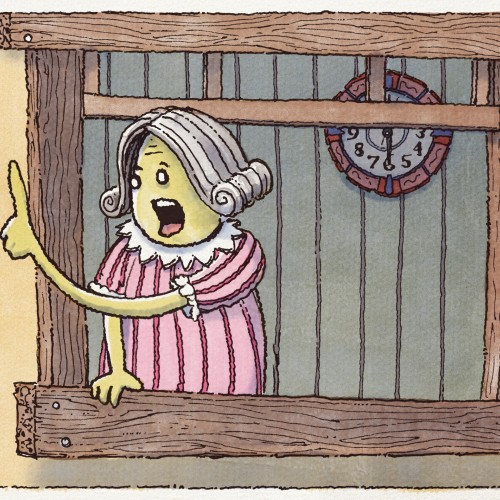
"At 6 o'clock the window squeaks and mum calls time" from Graham's Up the Tree. It must have been strange for mbpardy to see his his story interpreted through my illustrations... but page by page these characters came to life, with both of our contributions somehow adding up to something bigger.
Australian author mbpardy & I have a children's book coming out soon called "Graham's Up the Tree." This illustration from the book makes a good countdown to release.
When I first heard about the trading bot it sounded like a dream come true. A fully automated system that could trade cryptocurrencies around the clock earning profits without me having to lift a finger. So without hesitation I subscribed by sending 2 BTC as payment, confident that I was making a smart investment.But that confidence quickly turned into shock. Instead of seeing my balance grow I noticed it shrinking fast. The bot wasn’t trading at all. It was quietly draining my wallet and sending my coins to unknown addresses. Panic set in as I realized I had been scammed.Frantically I tried to reach support but there was no answer. I felt completely helpless. That was when I discovered Salvage Asset Recovery, a company that specialized in recovering stolen cryptocurrency. Desperate for help I contacted them and handed over every detail I had. Salvage Asset Recovery’s team immediately got to work. They examined the bot’s code and found it filled with malicious instructions designed to steal funds instead of trading. Using blockchain forensic tools they traced the stolen BTC through a web of wallets and mixing services which are the tricks hackers use to hide their tracks.The investigation wasn’t easy. The hacker had tried to make the trail disappear but the experts persisted. Slowly they followed the flow through countless transactions until they identified the hacker’s main wallets.With the help of exchanges and legal channels Salvage Asset Recovery managed to freeze those accounts. Weeks later the stolen coins were returned to my wallet.The whole ordeal was a harsh lesson about the risks of trusting unverified crypto services. But thanks to Salvage Asset Recovery’s expertise and determination I recovered my 2 BTC. Now I approach crypto investments with much more caution and always make sure to have trusted allies in my corner. you can visit them via below
Email Salvagefundsrecovery@rescueteam.com