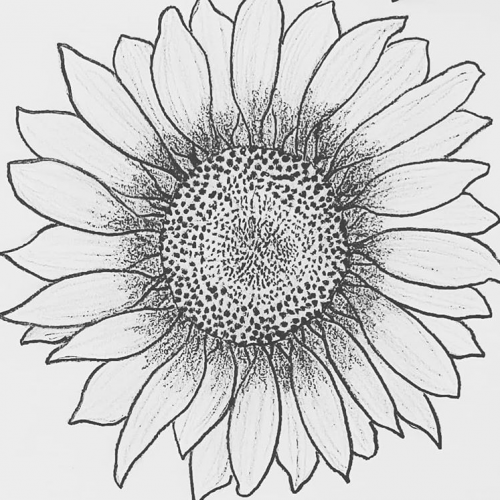
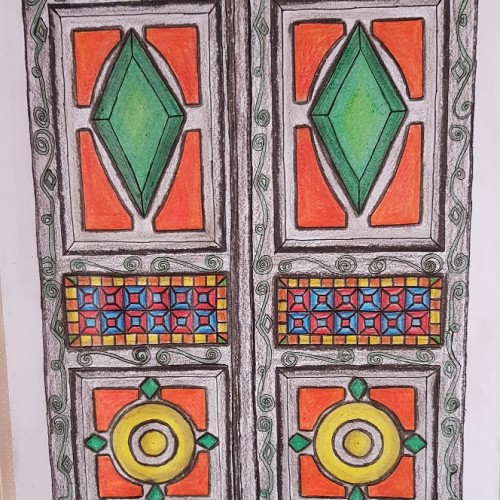
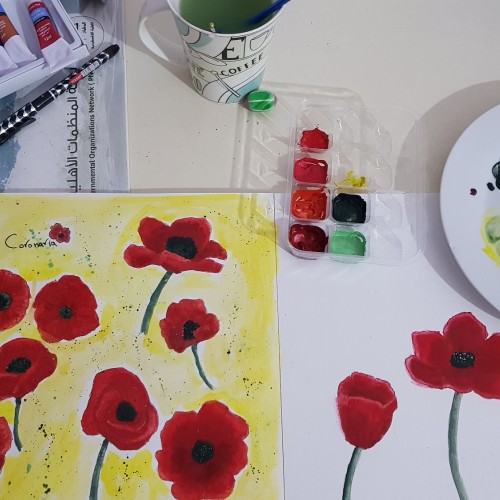
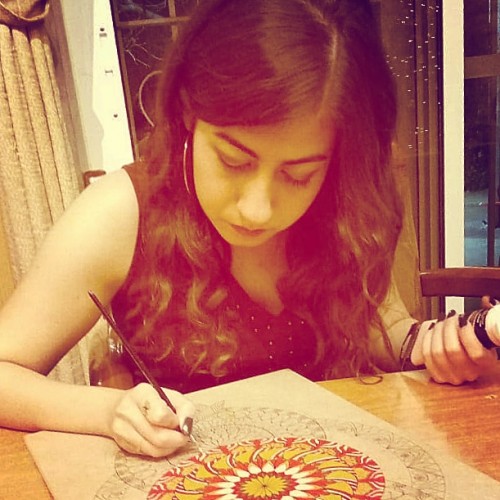
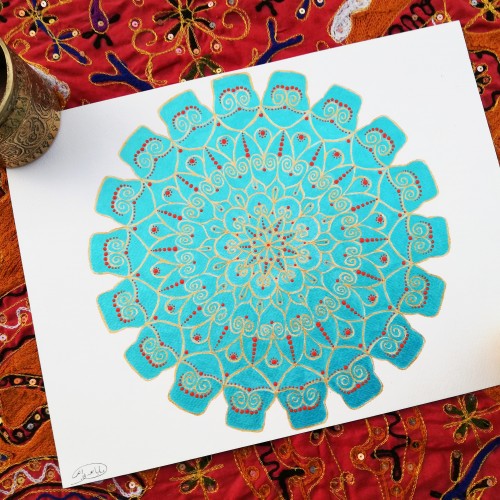
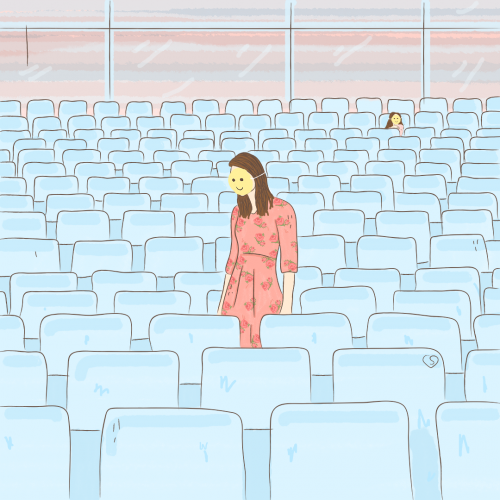
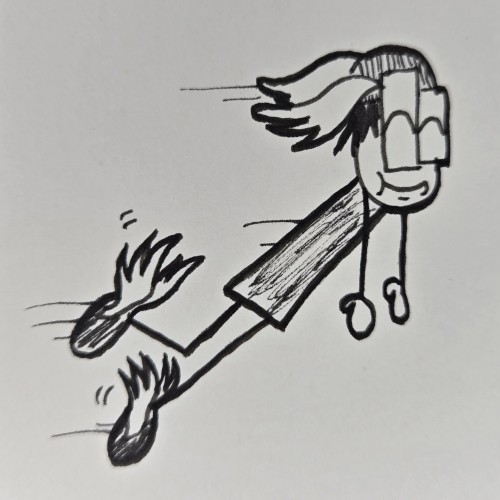
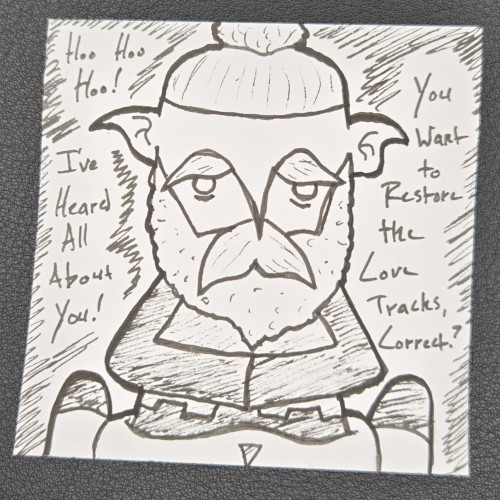
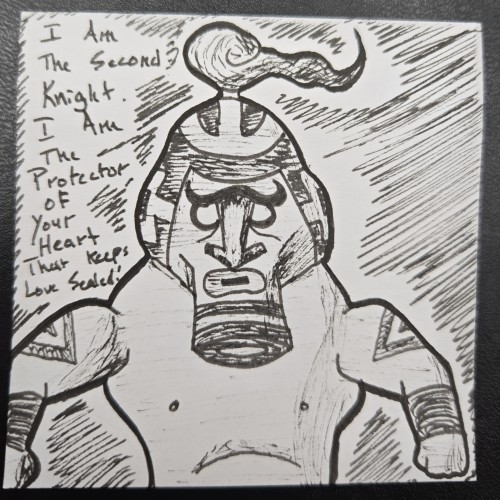
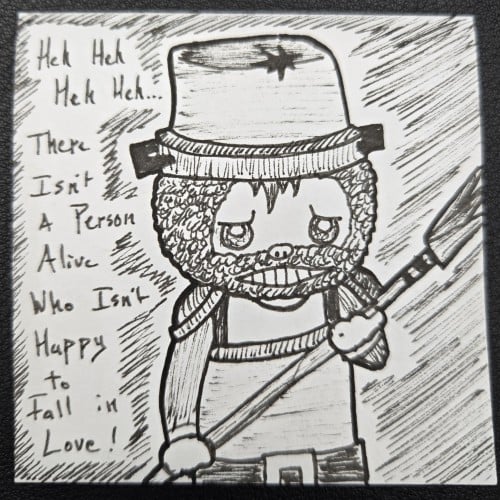
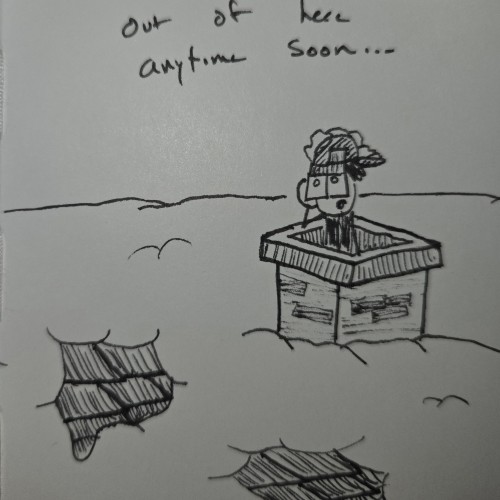
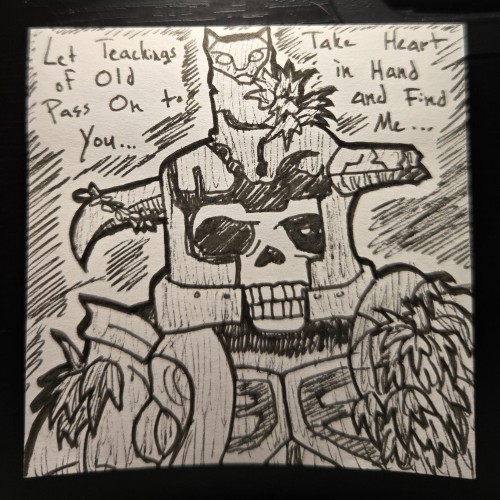
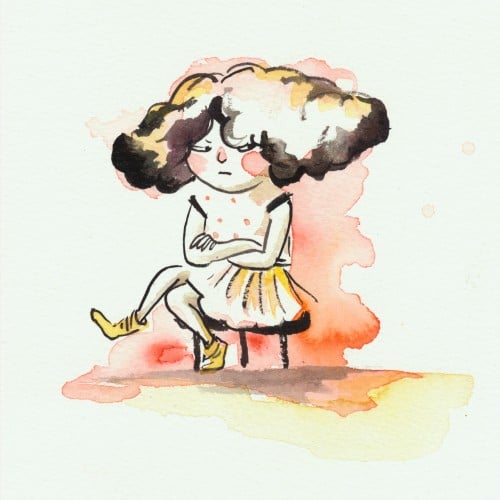
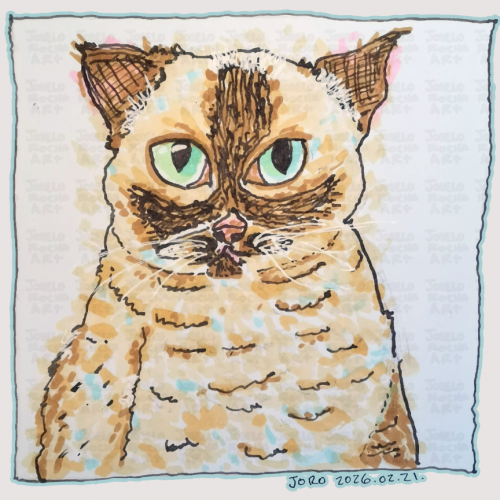
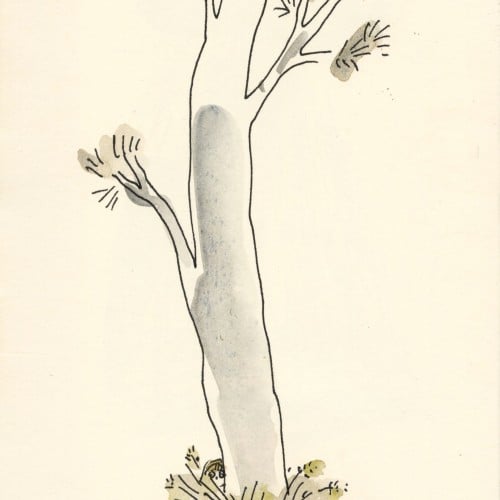
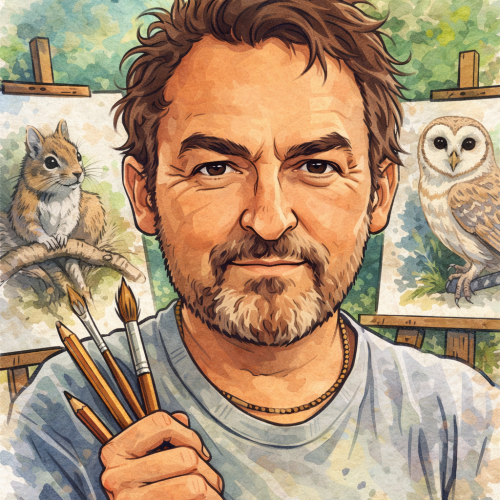
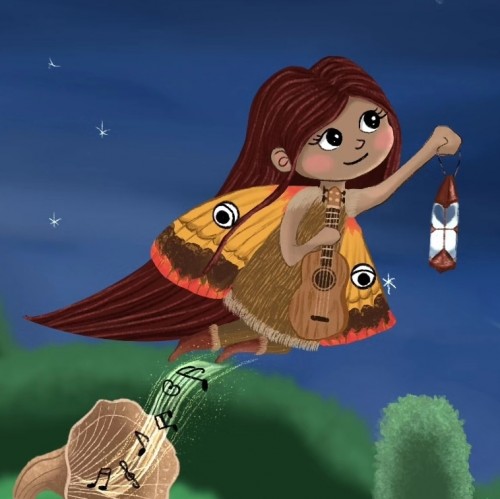
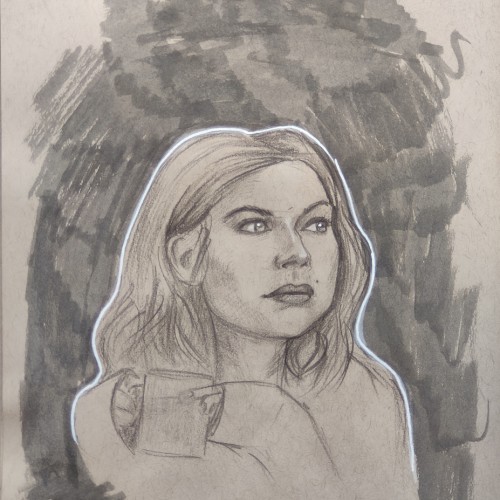
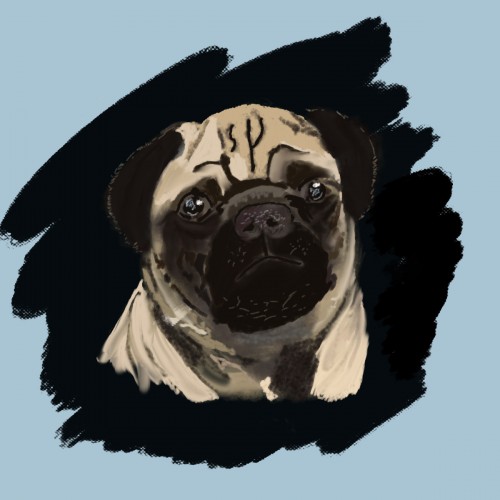
Still experimenting with watercolors, I should buy decent paints (maybe Faber Castell Pans), actually the ones here are very cheap! and just don't mix well. So yeah have a look :D
In fact, she [Mummy] said after a while, we have gone into hibernation. Nobody can get in any longer and no one can get out!
I looked carefully at her and understood that we were saved. At last we were absolutely safe and protected.
This menacing snow had hidden us inside in the warm for ever and we didn't have to worry a bit about what went on there outside. I was filled with enormous relief, and I shouted, I love you I LOVE YOU, and took all the cushions and threw them at her and laughed and shouted and Mummy threw them all back and in the end we were lying on the floor just laughing.
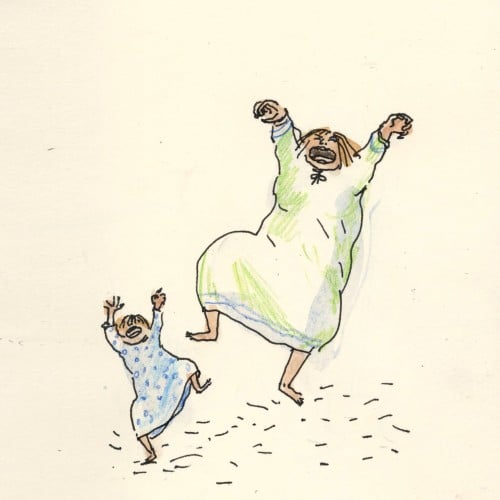
Then we began our underground life. We walked around in our nighties and did nothing. Mummy didn't draw. We were bears with pine needles in our stomachs and anyone who dared come near our winter lair was torn to pieces. We were lavish with the wood, and threw log after log on to the fire until it roared.
Sometimes we growled. We let the dangerous world outside look after itself, it had died, it had fallen out into space. Only Mummy and I were left.
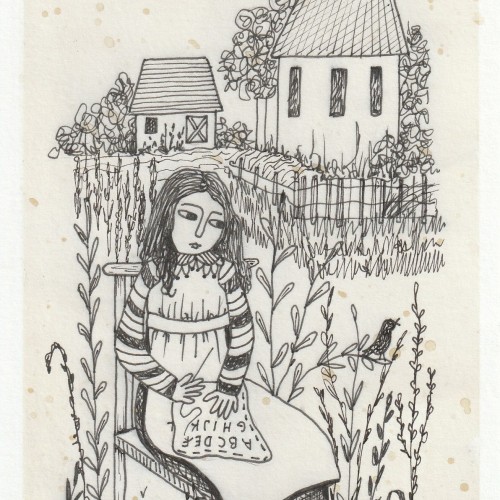
- Sculptor's Daughter by Tove Jansson
#dailydrawing #tovejansson
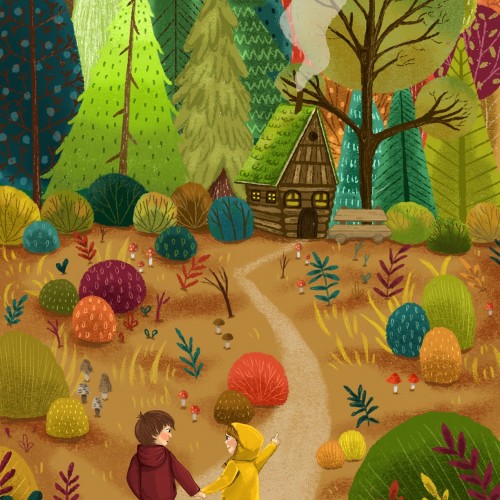
To draw a forest so it's big enough you don't include the tops of the trees or any sky. Just very thick tree-trunks growing absolutely straight.
...
In a proper painting of a forest everything is roughly the same colour, the moss, the tree-trunks and the branches of the fir trees, everything is soft and solemn, half-way between grey and brown and green but very little green. If you want you can add a princess, for example. She is always white and very tiny and has long yellow hair.
Sculptor's daughter by Tove Jansson.
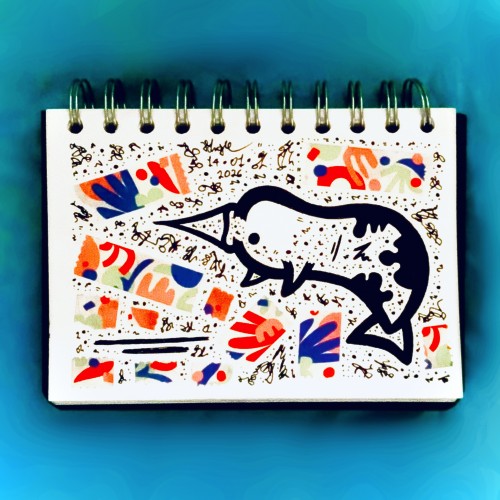
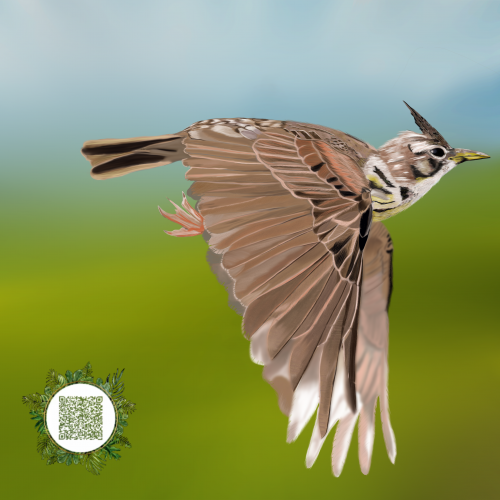
I just finished the Calandra Lark. Here are some facts about this beautiful bird...
Appearance: It's a large lark, about 17.5-20 cm long, with a robust build, a heavy bill, and noticeable pale eyebrows
. Its plumage is mainly greyish-brown streaked above and white below, with large black patches on the breast sides.
Habitat: This species is found in open plains, steppes, pastures, and dry cereal cultivations. It's mainly resident in the west of its range but Russian populations migrate further south in winter.
Diet: Their main food source is seeds, but they also consume insects when nesting.
Behaviour: Calandra Larks are known to be gregarious outside the breeding season, often forming large flocks.
Song: Their song is considered musical and slower than the Skylark's. It has been historically popular as a cagebird.