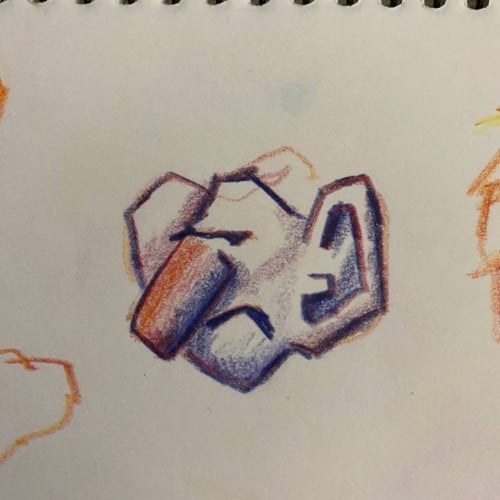
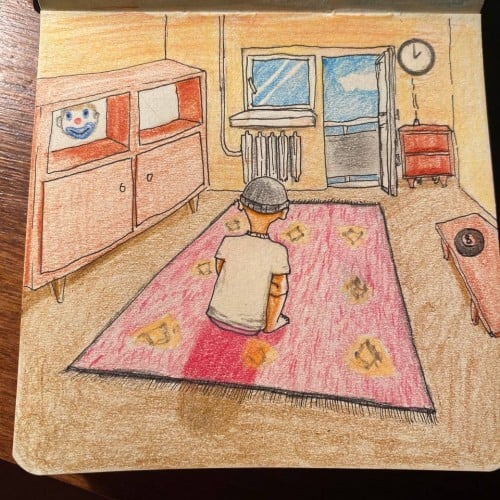
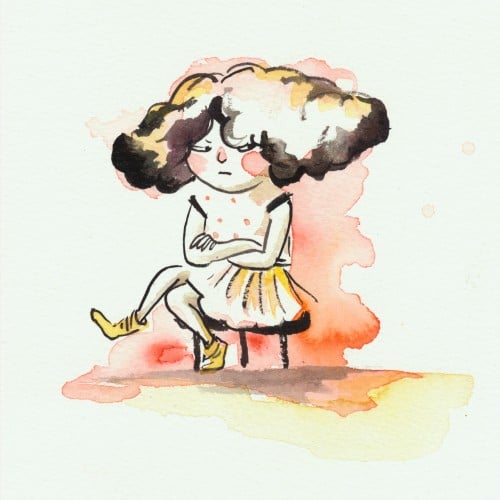
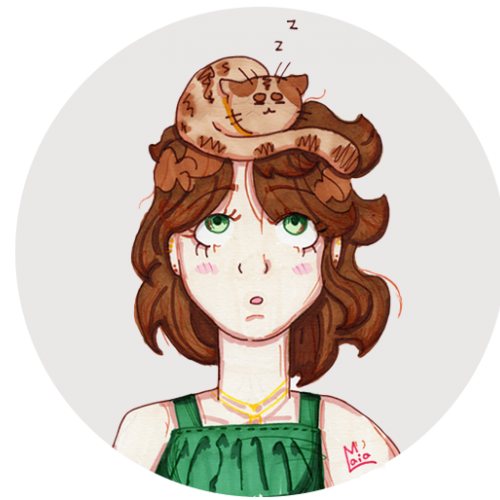
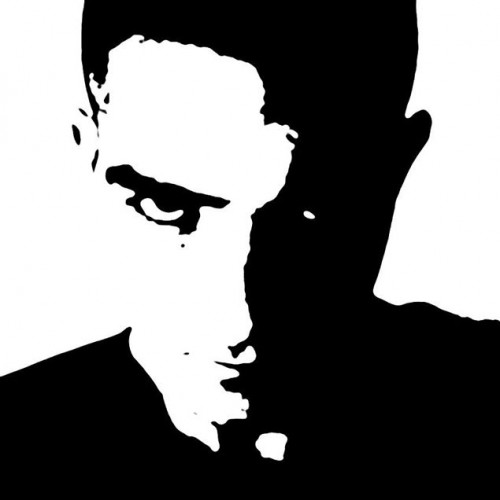
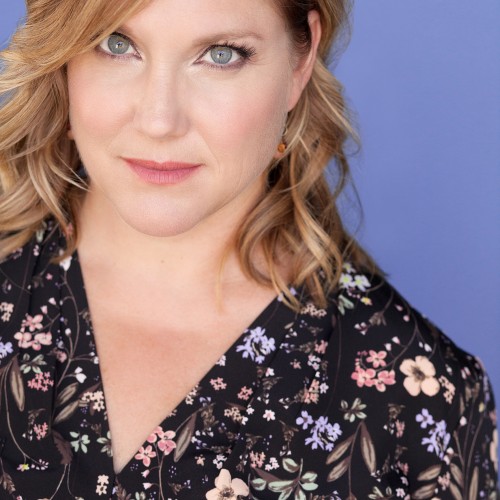
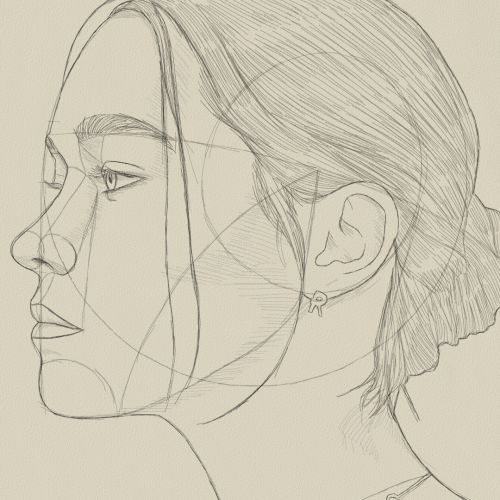
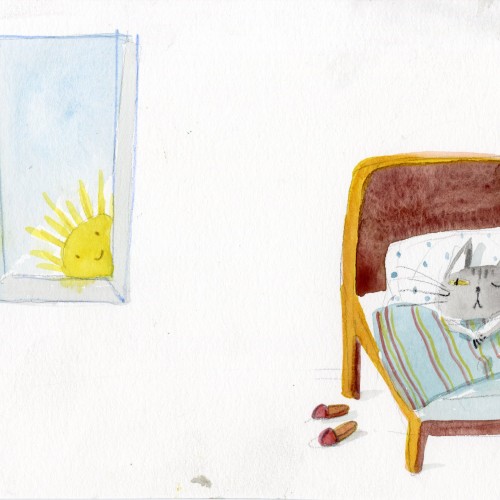
In this sketch, I drew myself during the time I lived in Kyiv for a couple of months.
It was one of those clear, sunny days when you really want to go outside - but all my friends were busy, and I was too tired of wandering around alone.
So I just sat on the carpet, staring out at the balcony, watching the blue sky, the clouds... and the occasional freshwater seagull flying by
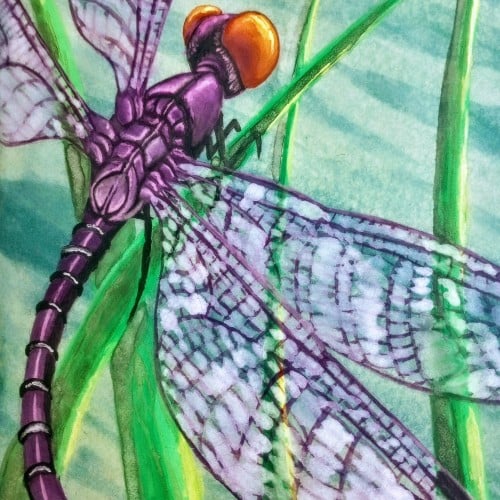
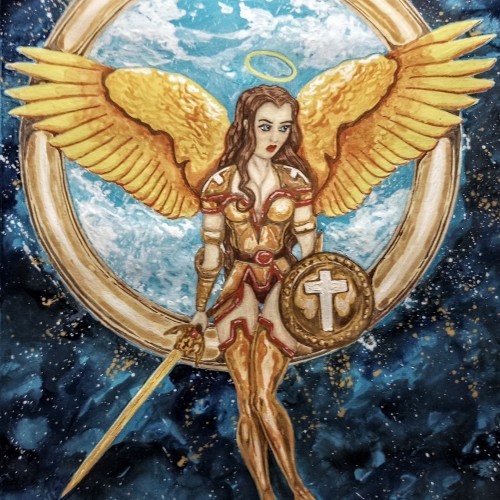
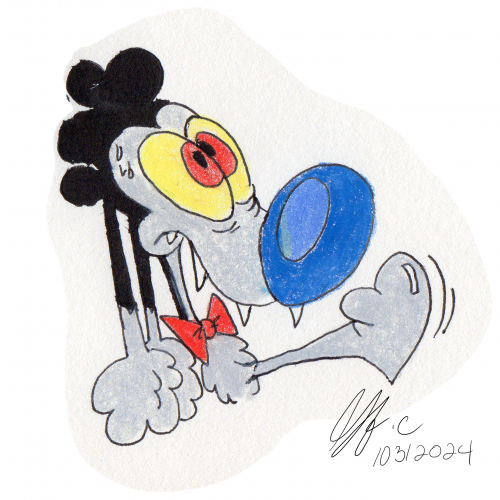
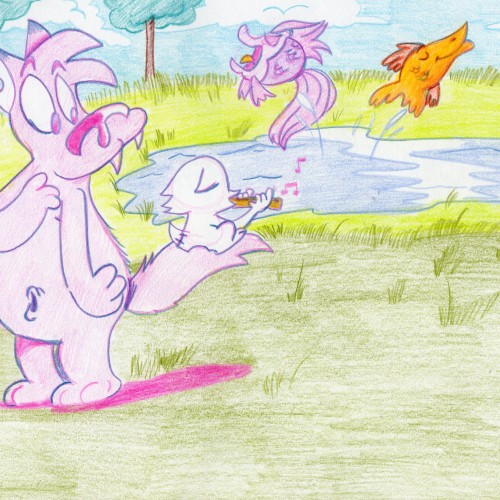
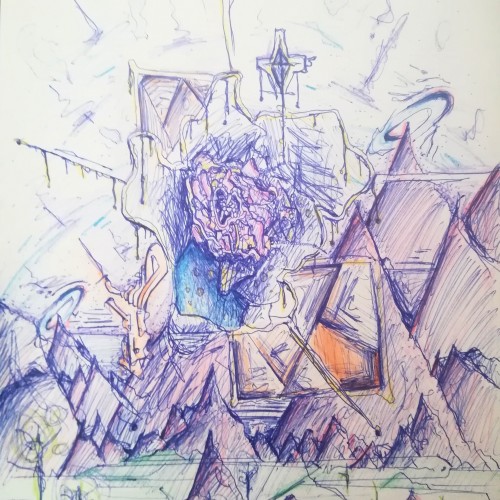
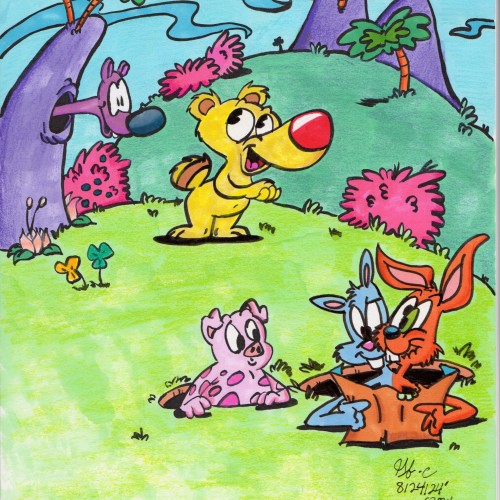
This one is my " other style " oddly I have two different styles of art , sometimes I feel very sci fi / fantasy , and other times I feel more like drawing animals . I've noticed that my style changes depending on which mood I'm in . It's been a while since I did any of these , this one is from a couple years ago .
Artist @asherbingham.fineart initiated a project offering free paintings of homes lost in the recent Los Angeles fires. Since announcing this on IG, she has received over 1500 requests and enlisted volunteer artists nationwide to assist. This is one of 35 homes I've painted.
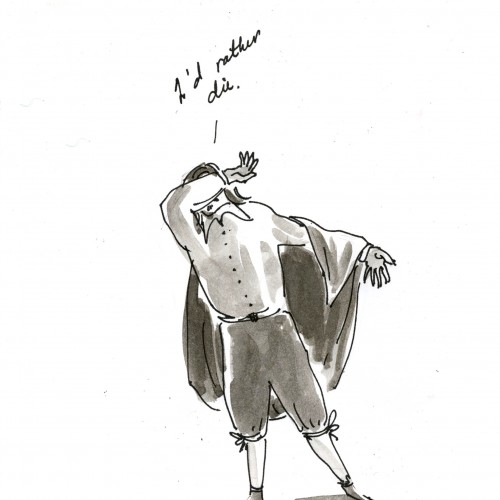
René Descartes (1596–1650)
Descartes was a late riser. The French philosopher liked to sleep until mid-morning, then linger in bed, thinking and writing, until 11:00 or so.
His comfortable bachelor’s life ended abruptly in late 1649, Descartes accepted a position in the court of Queen Christina of Sweden.
Descartes accepted a position in the court of Queen Christina of Sweden,Arriving in Sweden, in time for one of the coldest winters in memory, Descartes was notified that his lessons to Queen Christina would take place in the mornings—beginning at 5:00 A.M. He had no choice but to obey. But the early hours and bitter cold were too much for him. After only a month on the new schedule, Descartes fell ill, apparently of pneumonia; ten days later he was dead.
- From Daily Rituals: How Artists Work by Mason Currey
“Dubito, ergo cogito, ergo sum.
(English: "I doubt, therefore I think, therefore I am")”
― Rene Descartes
#dailyrituals #inktober #reneDescartes @masoncurrey #wouldratherdiethangetupearly
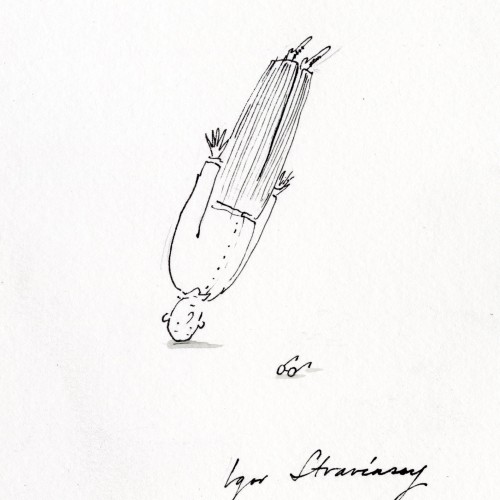
Igor Stravinsky (1882–1971)
“I get up at about eight, do physical exercises, then work without a break from nine till one,” Stravinsky told an interviewer in 1924. Generally, three hours of composition were the most he could manage in a day, although he would do less demanding tasks—writing letters, copying scores, practicing the piano—in the afternoon.
Unless he was touring, Stravinsky worked on his compositions daily, with or without inspiration, he said. He required solitude for the task, and always closed the windows of his studio before he began: “I have never been able to compose unless sure that no one could hear me.” If he felt blocked, the composer might execute a brief headstand, which, he said, “rests the head and clears the brain.”
- From Daily Rituals: How Artists Work by Mason Currey
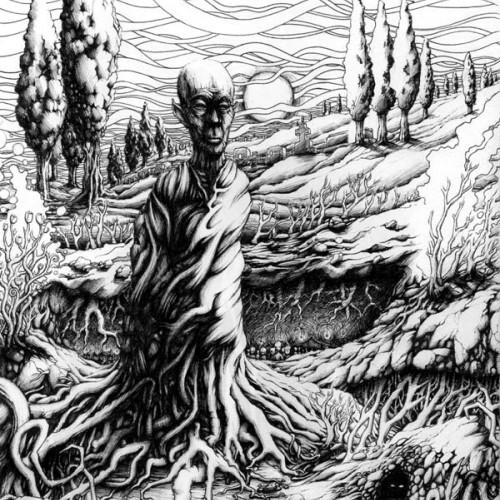
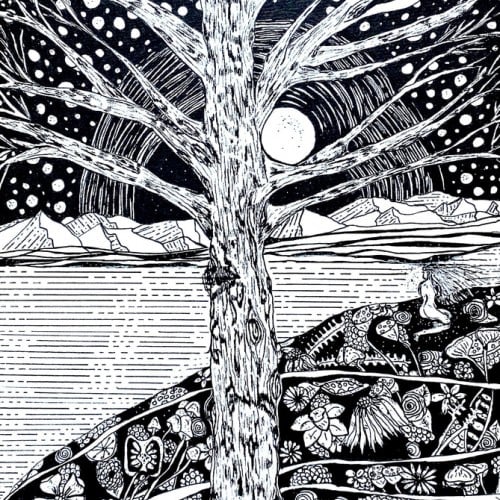
This captivating ink drawing features a fantasy character standing still, deeply rooted to the earth and seamlessly merged with nature. Surrounded by a complex web of trees and plants, the figure embodies the essence of the natural world. In the background, a mesmerizing sunset casts a warm glow over abstract waves of clouds, creating a harmonious blend of light and shadow. This artwork symbolizes the profound connection between humanity and the environment, inviting viewers to reflect on the beauty of nature.
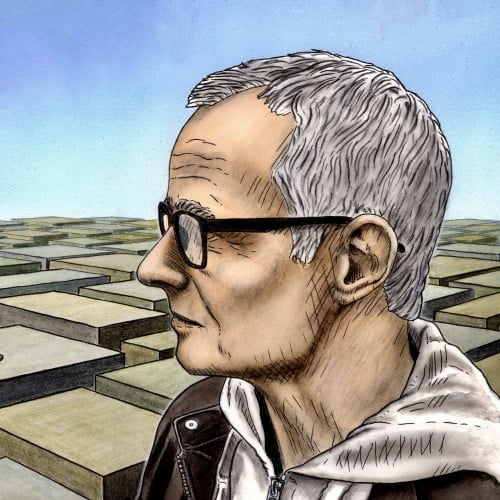
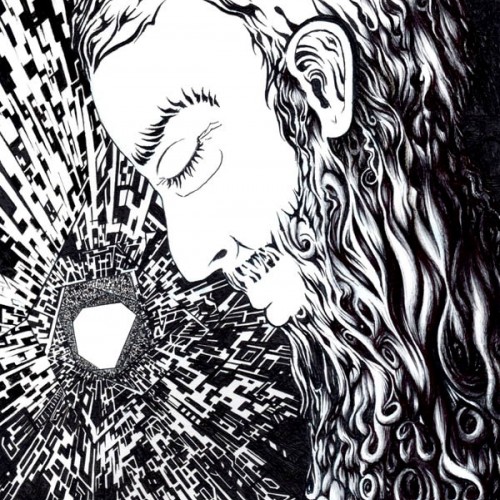
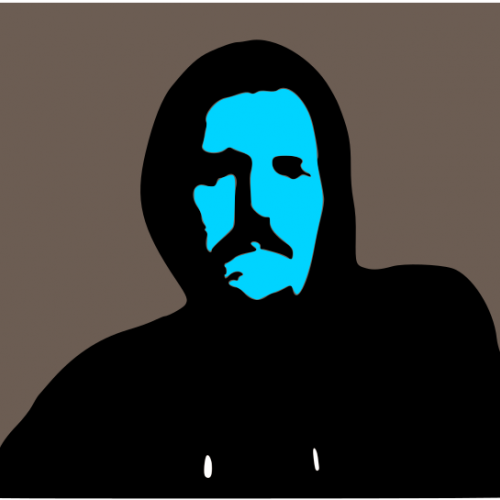
This black and white ink drawing portrays an aged man with a beard lost in deep contemplation within a futuristic spaceship setting. The subtle hints of sadness on his face are contrasted against the vastness of space, where the Milky Way is barely visible in the background. The artwork evokes feelings of isolation and reflection, inviting viewers to ponder the human experience amidst the cosmos.
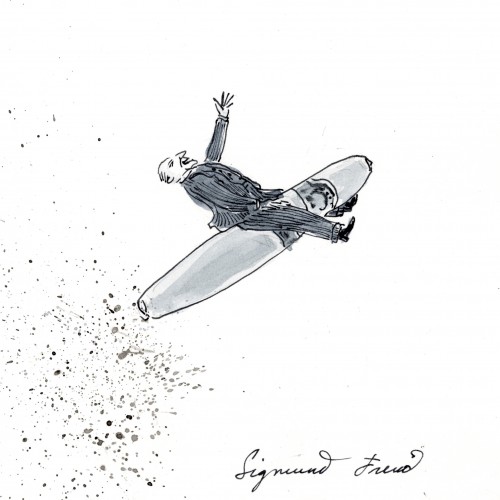
Sigmund Freud (1856–1939)
“I cannot imagine life without work as really comfortable,” Freud wrote to a friend in 1910. With his wife, Martha, to efficiently manage the household—she laid out Freud’s clothes, chose his handkerchiefs, and even put toothpaste on his toothbrush—the founder of psychoanalysis was able to maintain a single-minded devotion to his work throughout his long career.
Freud’s long workdays were mitigated by two luxuries. First, there were his beloved cigars, which he smoked continually, going through as many as twenty a day from his mid-twenties until near the end of his life, despite several warnings from doctors and the increasingly dire health problems that dogged him throughout his later years. (When his seventeen-year-old nephew once refused a cigarette, Freud told him,
From Daily rituals by Mason Currey
#dailyrituals #inktober #sigmundFreud @masoncurrey
my memory is my recent character i made so far inspired by serial experiment lain. my memory is partially self projection. a computer scientist who lost a student he was close with and saw them as their own spent 20 years creating a new project to commemorate his former student, emory. after 20 years, the project was a success, a humanoid machine has emory's memories stored in her and everything feels like deja vu for my memory. a confused and curious my memory must learn to function in society as a robot.
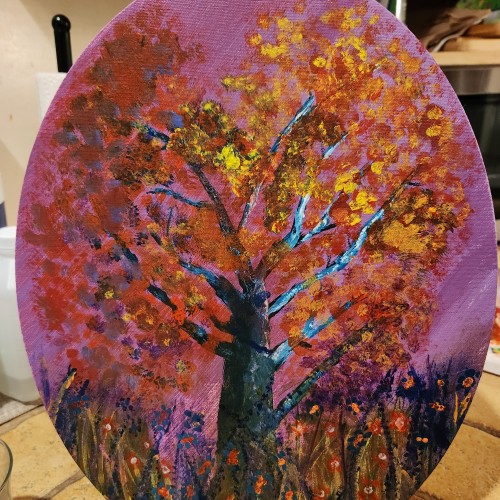
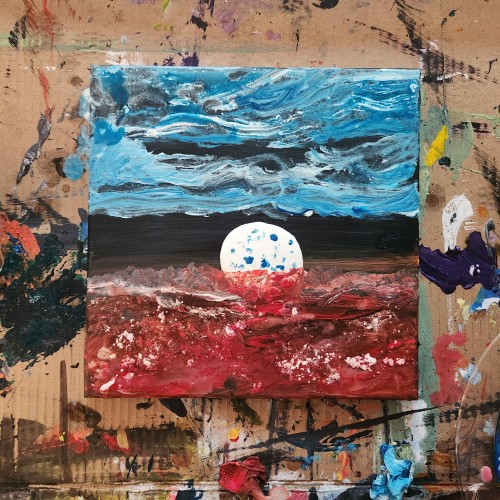
Mixed techniques on with acrylic, spontaneous creation. Join our acrylic painters discord if you use the medium and want a community around it to learn from https://discord.gg/NcJxBfVA