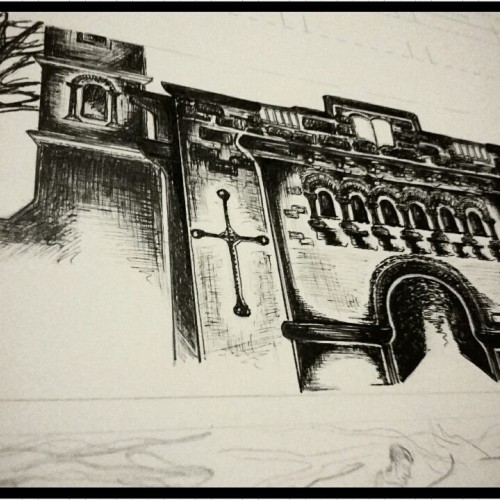
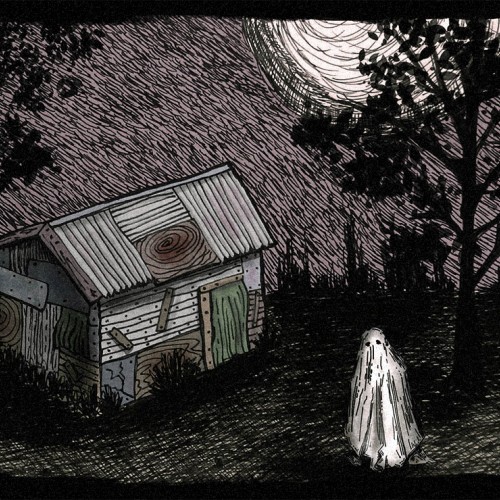
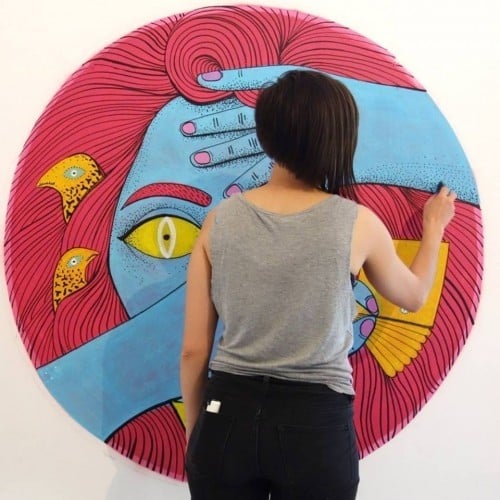
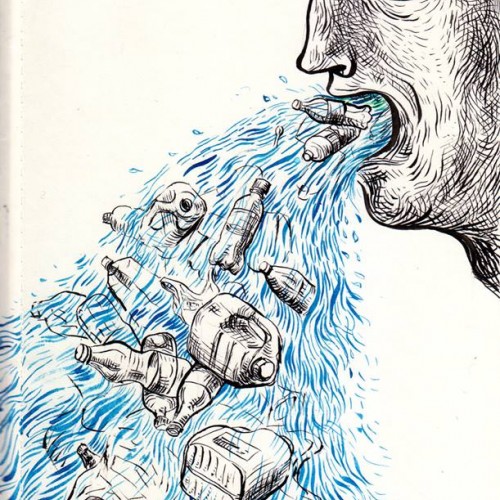
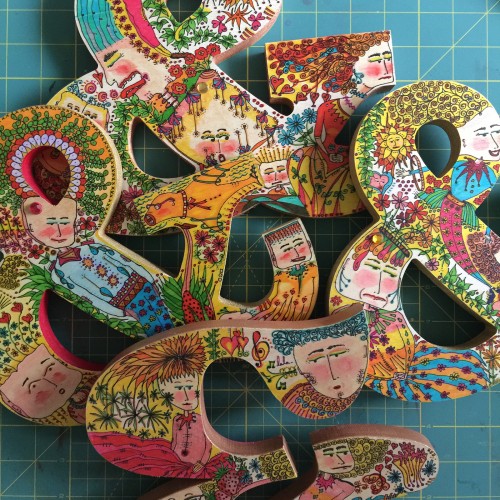
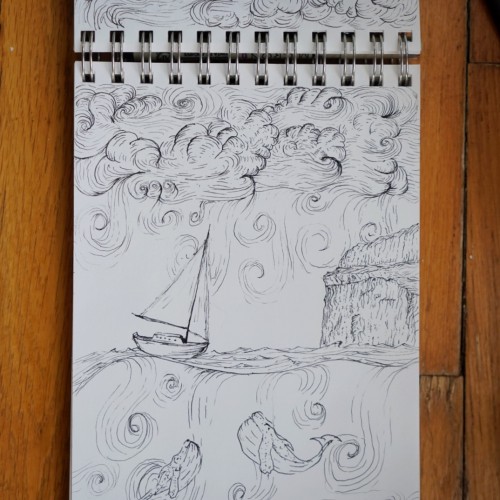
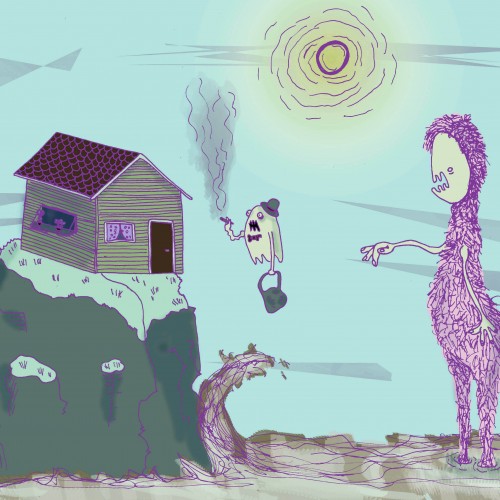
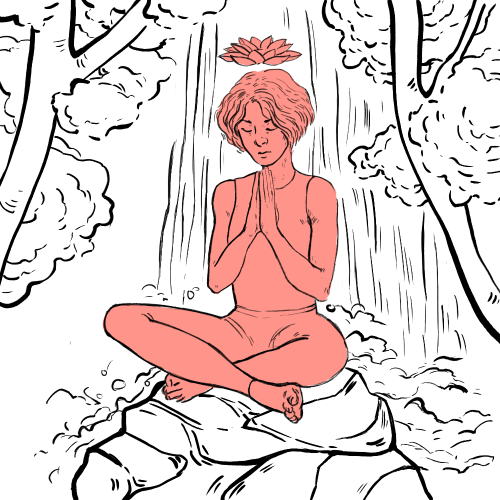
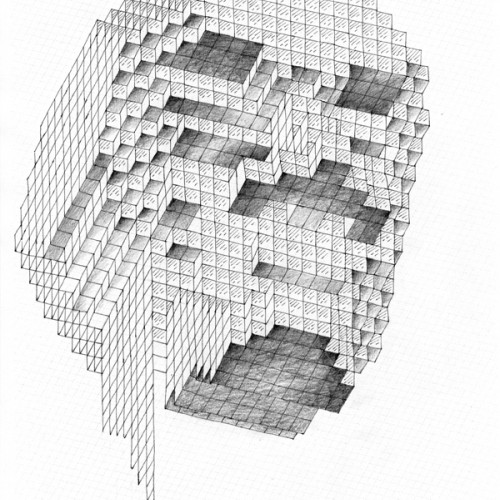
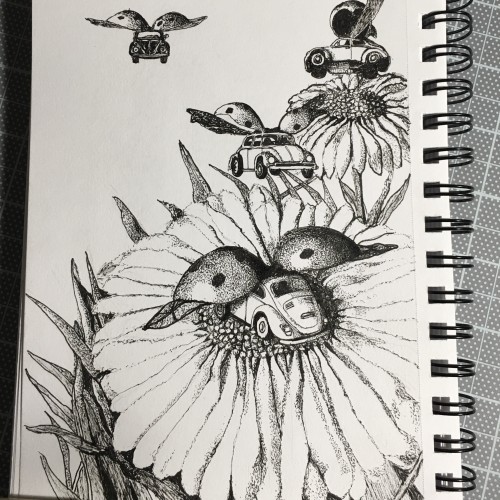
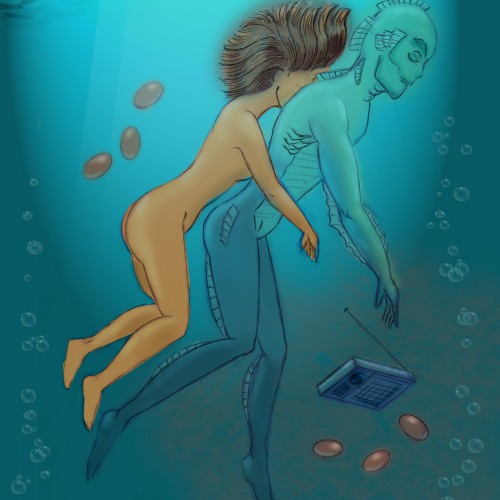
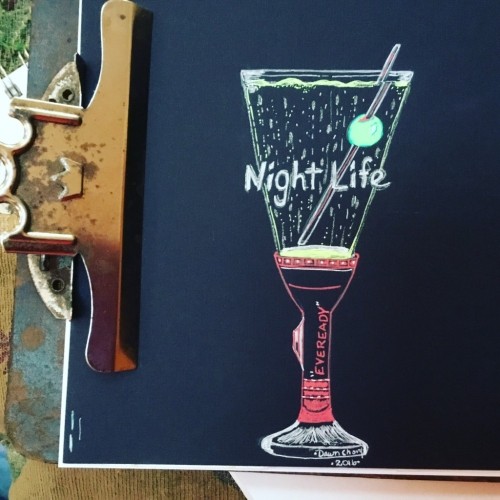
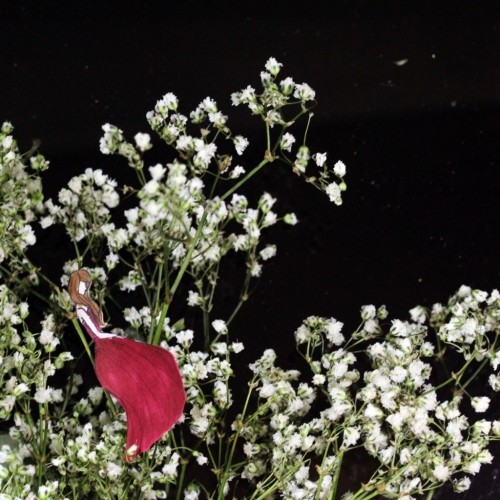
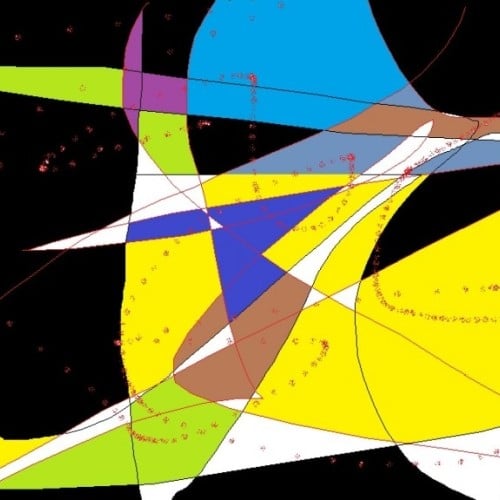
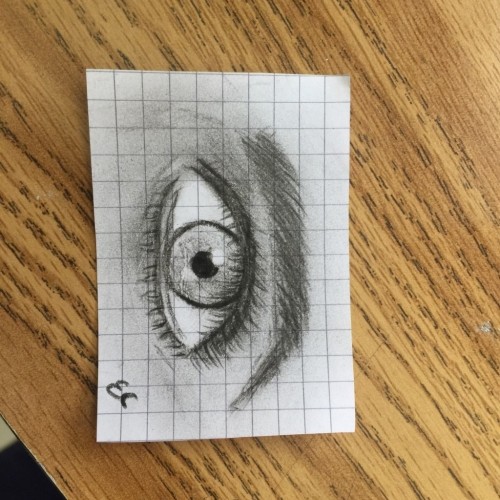
the next piece for #inktober environmental issues series continues with #day10 word #flowing. It's quite hard to correlate a situation with a word, but this is how flowing and plastic waste ended up looking like. How much plastic waste do I produce in a day? In a week? How about a year? Nature is full of plastic waste and is overflowing everywhere. In the rivers, seas and oceans... Next time they ask you at the supermarket if you need a plastic bag, think again...
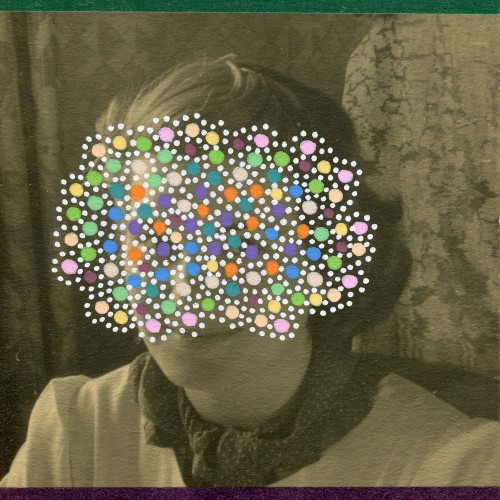
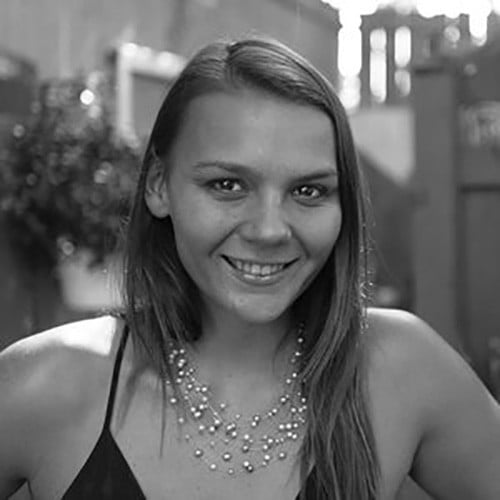
2023, Ballpoint pen on 5” x 8” acid free Moleskine sketchbook paper, Adobe Photoshop. First sketchbook drawing of 2024! Based on a photo of a model in a makeup company advert.
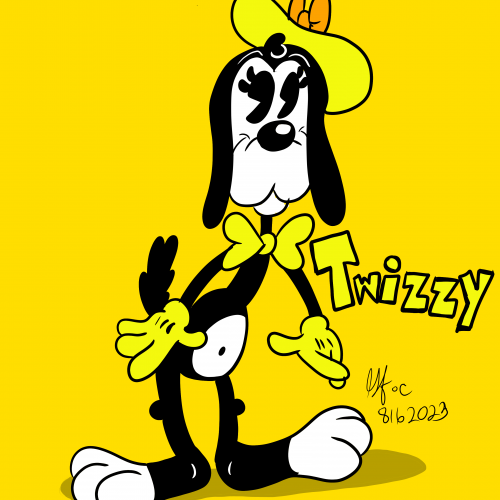
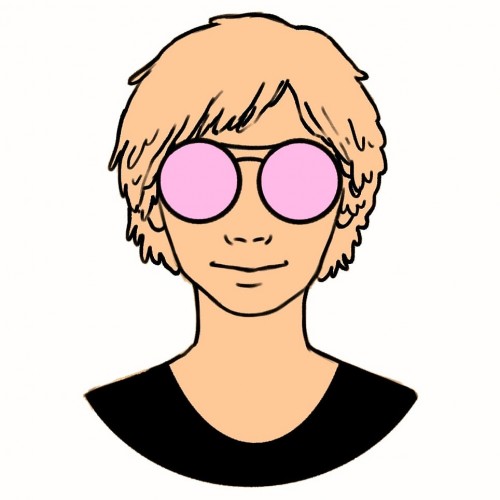
While doodling, I was thinking of my characters Dipsy Diddle, Peggy Bark, Chubbsly and Markley and imagined another dog character to the group. Ladies, gents and cartoon lovers alike. Meet Twizzle "Twizzy" the Basset Blood Hound.
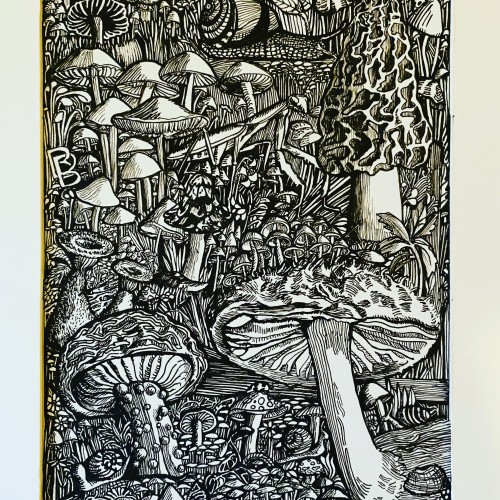
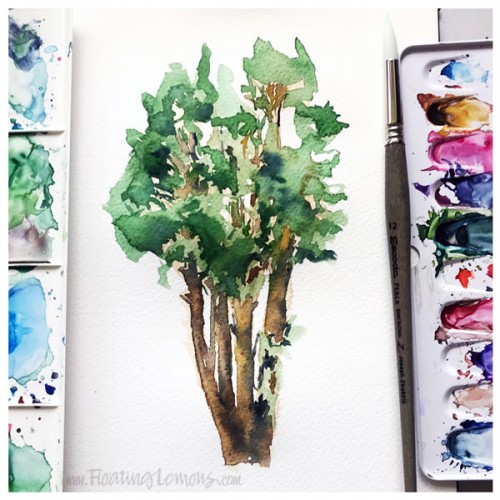
I don't normally paint trees. So I was surprised when my daily doodling produced this loose interpretation of the tree in my garden. I quite like it. Doodles are magical.
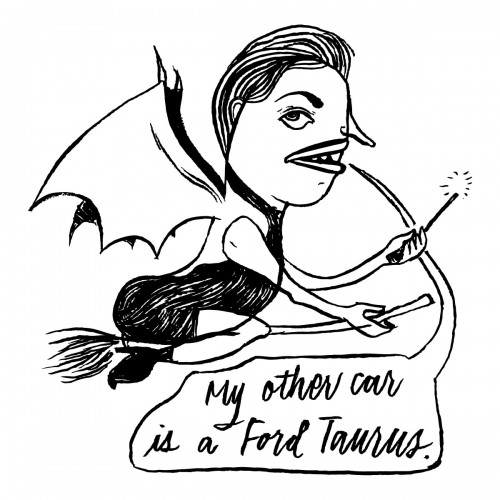
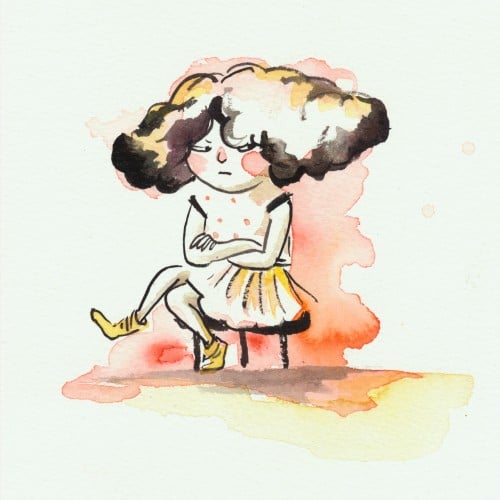
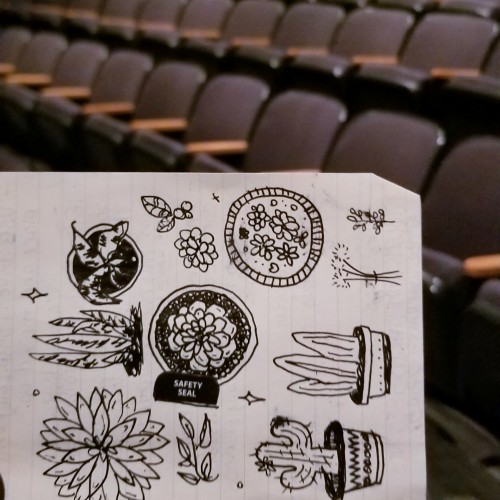
The Ford Taurus was the most boring car I could think of. This selection of doodles are all just ink on paper, applied with a brush. The black circle behind the cats was Sharpie. I had a design back there, decided I super-hated-it, and then screwed the whole thing up. Ah well. The cats are still okay.
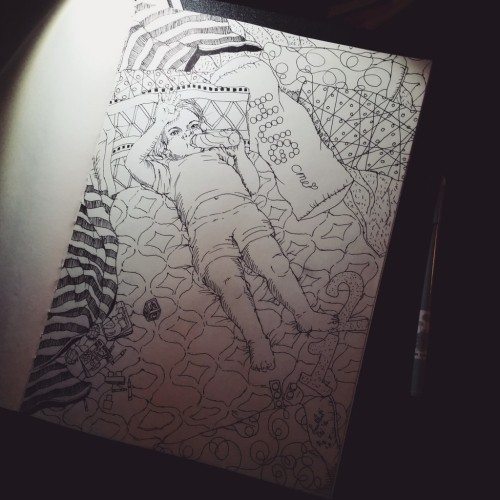
Bic4 Ballpoint Pen, Sanrio Novelty 10 Colour Ballpoint Pen on Archival 8.5" x 11" paper.
A breakdown of the Bic4 pen and No-name 10 colour pen layering that I’ve used.
Drawing in a single direction instead of using back-and-forth movement alleviates some of the blotching that happens when using ballpoint pens. The back-and-forth method usually deposits the gunk that builds up on the tip of the ballpoint, smearing them in unexpected and unfortunate places on the drawing. When using the back-and-forth method, I usually have a napkin handy in order to clean the tip of the pen. Model: Meadhbh (Maeve)
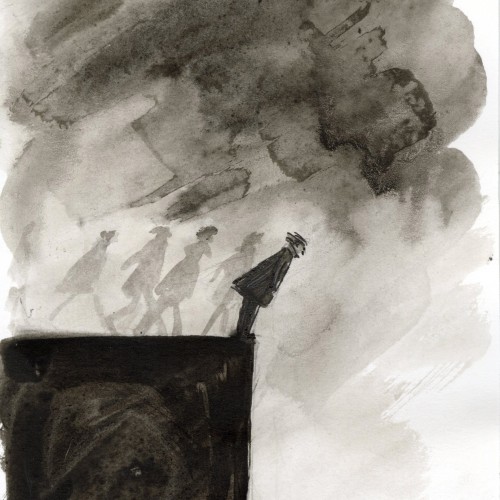
Samuel Beckett (1906–1989)
On a late-night walk near Dublin harbor, Beckett found himself standing on the end of a pier in the midst of a winter storm. Amid the howling wind and churning water, he suddenly realized that the “dark he had struggled to keep under” in his life—and in his writing, which had until then failed to find an audience or meet his own aspirations—should, in fact, be the source of his creative inspiration.
“I shall always be depressed,” Beckett concluded, “but what comforts me is the realization that I can now accept this dark side as the commanding side of my personality. In accepting it, I will make it work for me.”
- From Daily Rituals: How Artists Work by Mason Currey
#dailyrituals #inktober #samuelbeckett @masoncurrey
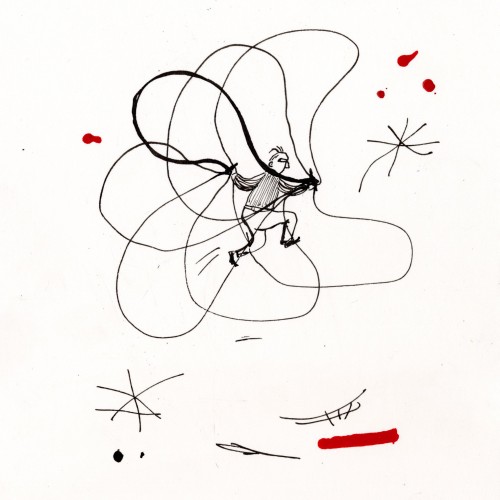
Joan Miró (1893-1983)
Miró always maintained a rigidly inflexible daily routine—both because he disliked being distracted from his work, and because he feared slipping back into the severe depression that had afflicted him as a young man, before he discovered painting. To help prevent a relapse, his routine always included vigorous exercise—boxing in Paris; jumping rope and Swedish gymnastics at a Barcelona gym; and running on the beach and swimming at Mont-roig, a seaside village where his family owned a farmhouse.
Miró hated for this routine to be interrupted by social or cultural events. As he told an American journalist, “Merde! I absolutely detest all openings and parties! They’re commercial, political, and everybody talks too much. They get on my tits!”
From Daily Rituals: How Artists Work by Mason Currey