Previous
Next
logo logo
logo logo
  • Discover Art
    • Trending
    • Most Recent
    • Most Faves
    • Most Views
    • Curated Galleries
  • Drawing Challenges
    • See All Challenges
  • Drawing Prompts
  • Artists
    • Most Popular
    • Most Recent
    • Available For Hire
    • Artist Spotlight
  • More
    • Marketplace
    • Art Discussions
    • Resources
    • News + Blog
Login
Most Recent
Select an option
  • Most Relevant
  • Most Faves
  • Most Views
  • Most Comments
  • Most Recent
SEARCH RESULTS FOR

how

Riley Kane Riley Kane
Enlarge
Orc banner wielder

I'm rather pleased with this one. Did you know that banner bearers are actually super important? In ancient battles, they stood at the front lines and used various signals to communicate the general's orders to the troops. There was an important battle between the Greeks and Persians in 480 BC. called the battle of Thermopylae. The Greeks were outrageously outnumbered. However, when a banner bearer accidentally dropped their banner, the other bearers thought it was the signal to retreat, and dropped their banners as well. The entire Persian army was routed by the significantly smaller Greek force. So technically this lady is much more important and powerful than any flashy warrior could be.

  • 56
  • 3
  • 2
Sabina Hahn Sabina Hahn
Enlarge
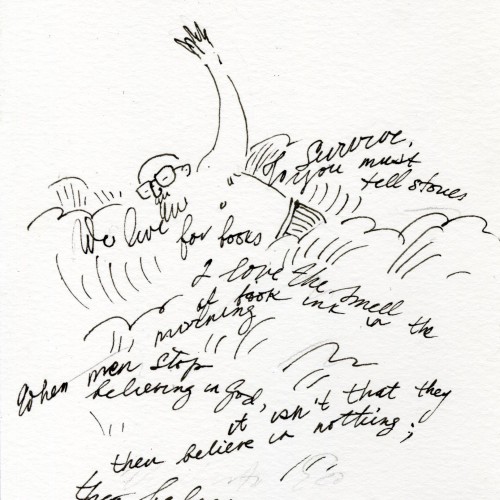
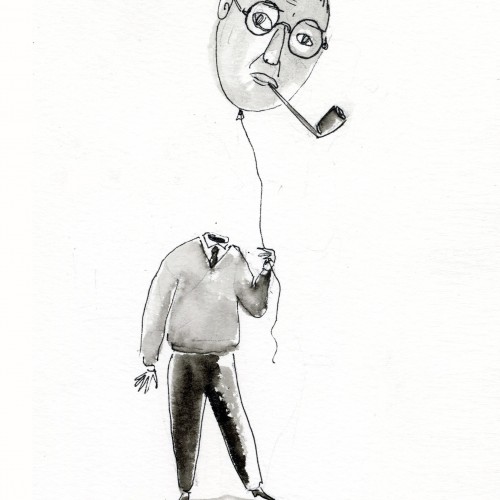
Umberto Eco

Umberto Eco (b. 1932) Eco says that he is able to be productive during the brief “interstices” in the day. He told The Paris Review’s interviewer: “This morning you rang, but then you had to wait for the elevator, and several seconds elapsed before you showed up at the door. During those seconds, waiting for you, I was thinking of this new piece I’m writing. I can work in the water closet, in the train. While swimming I produce a lot of things, especially in the sea. Less so in the bathtub, but there too.” - From Daily Rituals: How Artists Work by Mason Currey “When men stop believing in God, it isn’t that they then believe in nothing: they believe in everything.” ― Umberto Eco #dailyrituals #inktober #UmbertoEco @masoncurrey

  • 215
  • 4
  • 0
Dean C. Graf Dean C. Graf Plus Member
Enlarge
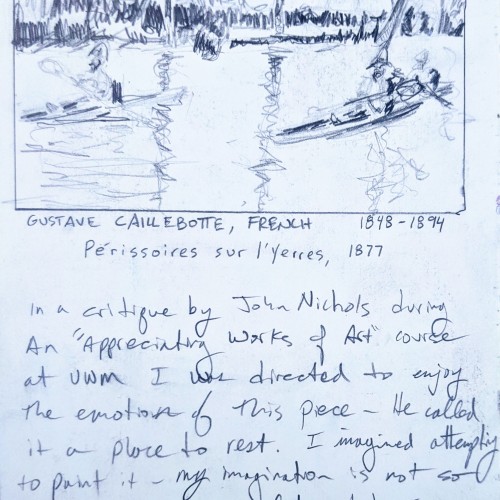
Appreciating Art

As I reflect on my past experiences, I am accutely aware of how often I have spoken from opinion rather than from experience. I have made mistakes. This makes me think of the Mark Twain quote -"Good judgement comes from experience. Experience comes from bad judgement." Let's go out and get some experience, shall we?

  • 58
  • 4
  • 1
Juice_Lime Juice_Lime
Enlarge
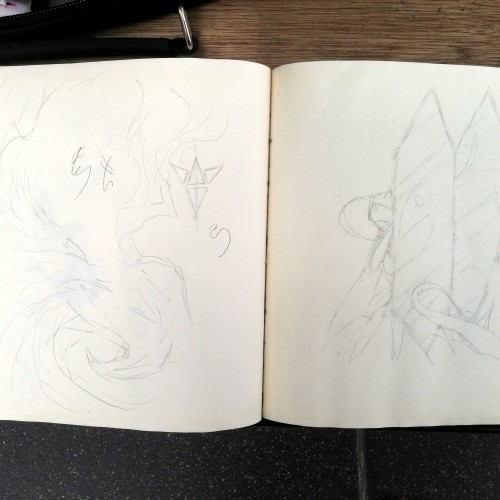
Bird

Very random mind drifting, in a surprisingly good mood today. No matter how much has changed, this figure never dissappears. It continues to be something outside my drawing abilities, appearing as a highly abstract entity.

  • 23
  • 2
  • 0
Riley Kane Riley Kane
Enlarge
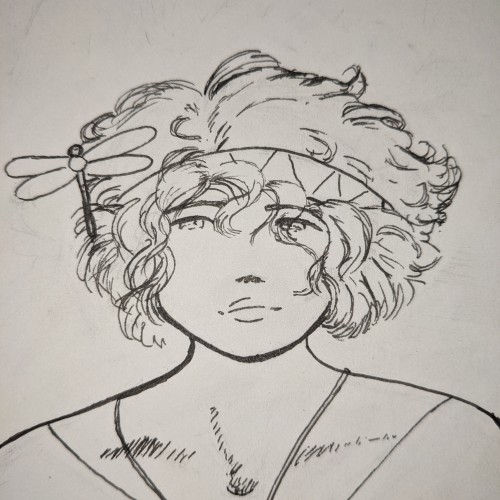
Sleepy Dragonfly observation

Posted the sketch of this earlier, but I thought the ink looked nicer, so here you are! I love dragonflies. Deadly hunters, slaughtering their prey without mercy, yet beguiling enough to somehow convince humans they are harmless as butterflies. They have their own sort of deadly, sleek beauty.

  • 92
  • 9
  • 0
Daniel Gräfen Daniel Gräfen
Enlarge
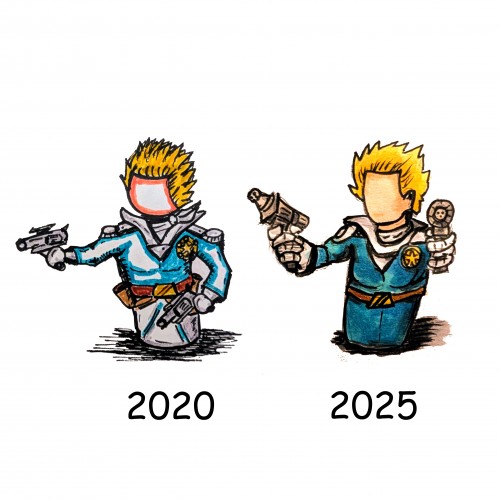
Shane Gooseman (2020 vs 2025)

Re-doodling after five years! Five years after joining Doodle Addicts, I decided to redraw my 47th upload and share it as my 431st upload to see how much I've progressed.

  • 160
  • 5
  • 3
Sabina Hahn Sabina Hahn
Enlarge
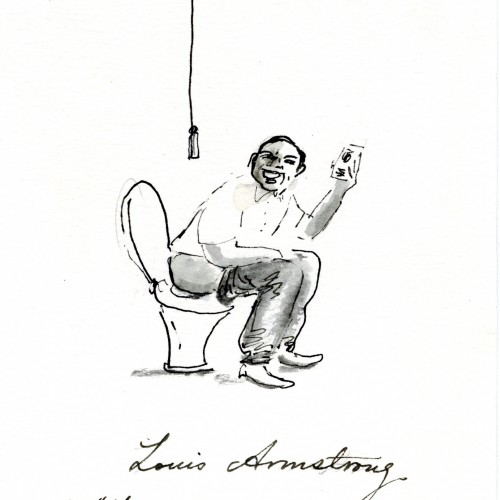
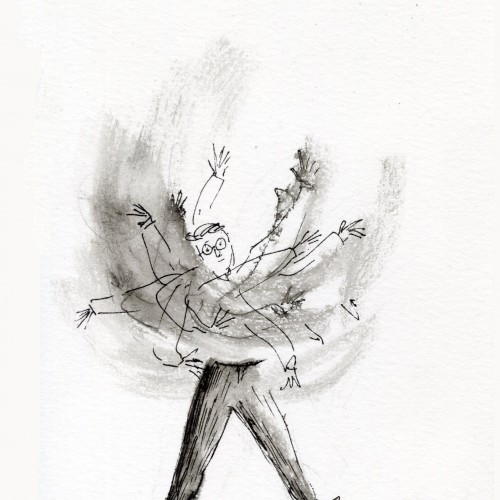
Louis Armstrong

Louis Armstrong (1901–1971) Armstrong relied on music to lull himself to sleep. Before he could get into bed, however, he had to administer the last of his daily home remedies, Swiss Kriss, a potent herbal laxative invented by the nutritionist Gayelord Hauser in 1922 (and still on the market today). Armstrong believed so strongly in its curative powers that he recommended it to all his friends, and even had a card printed up with a photo of himself sitting on the toilet, above the caption “Leave It All Behind Ya.” - From Daily Rituals: How Artists Work by Mason Currey “All music is folk music. I ain't never heard a horse sing a song.” ― Louis Armstrong #dailyrituals #inktober #LouisArmstrong @masoncurrey

  • 242
  • 2
  • 0
Lynn Lynn
Enlarge
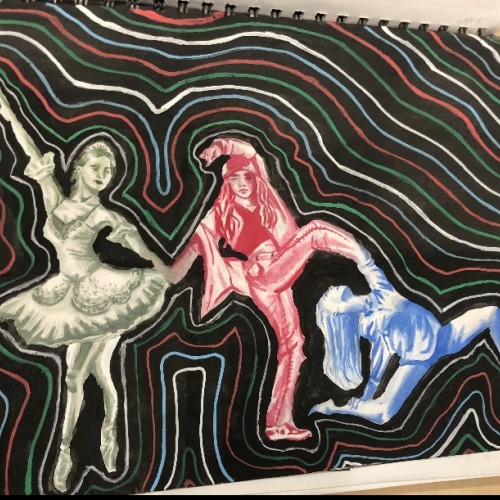
Movement in Dance

A representation of how human connection is formed by dance and the variety of styles found within dance. Additionally, the colors represent the general emotions each style invokes.

  • 115
  • 9
  • 3
Sabina Hahn Sabina Hahn
Enlarge
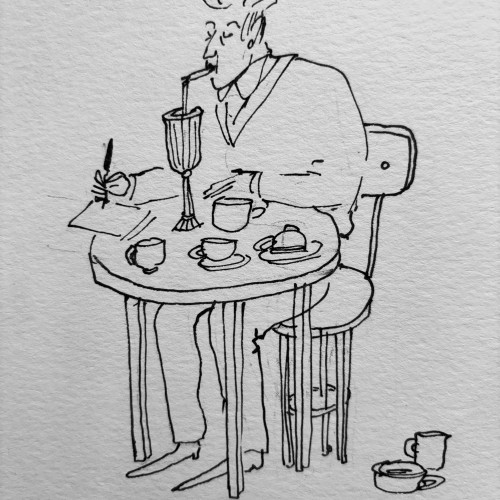
David Lynch

David Lynch (1946-2025) I like things to be orderly,” Lynch told a reporter in 1990. For seven years I ate at Bob’s Big Boy. I would go at 2:30, after the lunch rush. I ate a chocolate shake and four, five, six, seven cups of coffee—with lots of sugar. And there’s lots of sugar in that chocolate shake. It’s a thick shake. In a silver goblet. I would get a rush from all this sugar, and I would get so many ideas! I would write them on these napkins. It was like I had a desk with paper. “ - From Daily Rituals: How Artists Work by Mason Currey “I don't think it was pain that made [Vincent Van Gogh] great - I think his painting brought him whatever happiness he had.” ― David Lynch Thank you for all your amazing art! #dailyrituals #inktober #DavidLynch #goals @masoncurrey

  • 258
  • 8
  • 2
Sohail Sohail
Enlarge
Lines creating an image of .....

I remember how I just started making this piece with no guidelines no measurements.. nothing. Just me looking at the reference and goin blind in the feelings. I wanted to make this piece as alive as i could..I wanted to feel his presence near me.

  • 12
  • 4
  • 2
ROBIN ROBIN
Enlarge
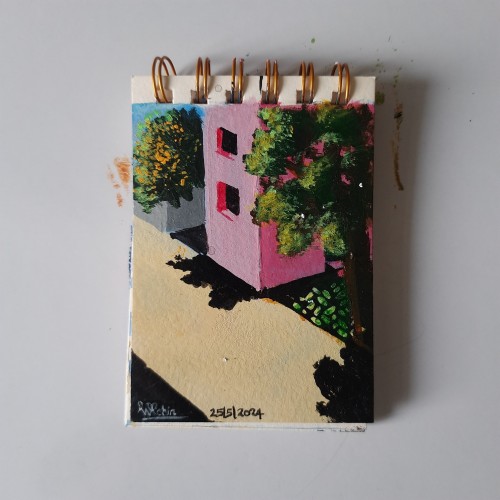
Street at Noon - Geometrical Acrylic Painting

This painting is based on an empty street at noon, when the sun is right above us scorching heat. the street look empty looking for a shade. I chose to show the street at 2pm where the sun slightly leans towards down. The whole painting is done on parallel lines. If you notice closely the lines of building and the road meet parallelly.

  • 206
  • 6
  • 4
Leona Hosack Leona Hosack
Enlarge
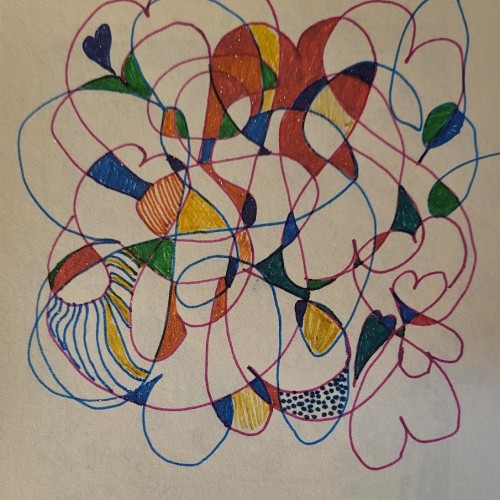
Hidden Hearts

Getting ready for Valentines Day. How many hearts can you find?

  • 21
  • 5
  • 0
Dean C. Graf Dean C. Graf Plus Member
Enlarge
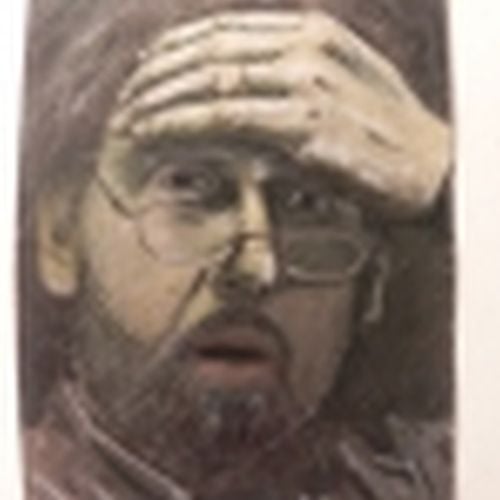
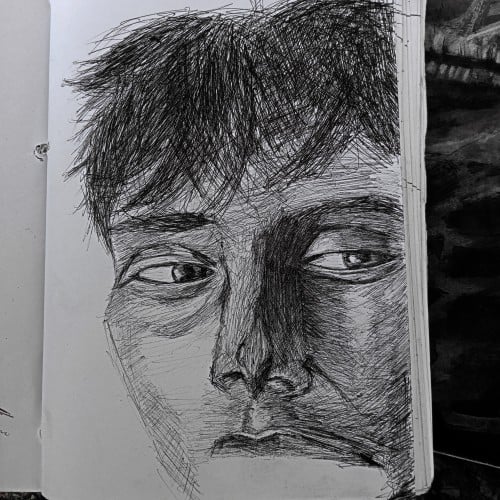
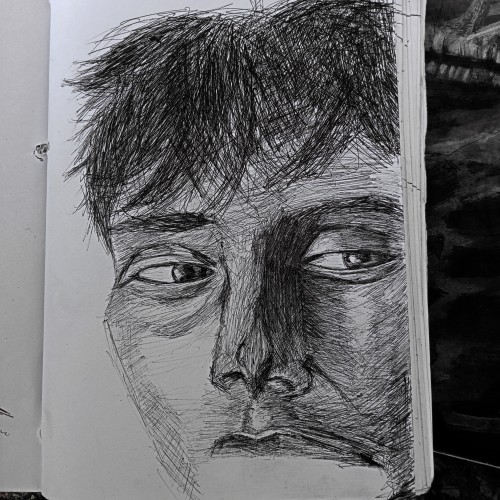
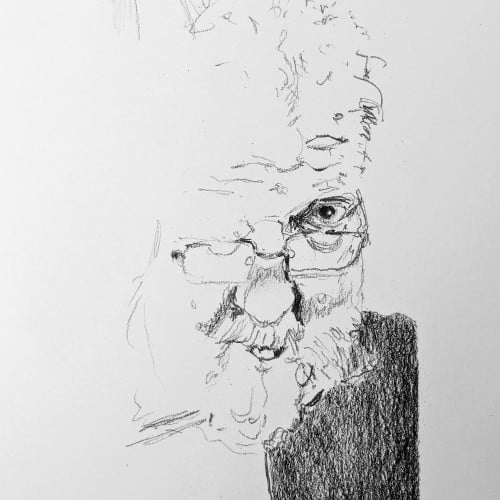
Observing the Observer - 10 minute after dinner self portrait

2B pencil focusing on the eye, nose and mouth. The reflection today is a suggestion that we find what we look for, and we see what we want to see. Our family dinners include a sharing time of: 1. Who blessed you today? 2. Who did you bless today? and 3. What are you thankful for? It is suggested by some that if you focus on the abundance, you will not see so much of the lack, but if you focus on the lack, you will not be able to see the abundance so well. This was illustrated by the questions: "How many red cars did you see on the way to work this morning?" My answer was: "No Idea!" It is because I was not looking. If I was being given $100.00 for each red car I spotted, I would have certainly been looking, and maybe even getting creative with the definition of 'red'. What are you looking for? What are you finding?

  • 169
  • 6
  • 0
Juice_Lime Juice_Lime
Enlarge
Runali

A drawing for someone I somehow met from the corner of the internet, his original character Runali. A few years of ups and downs, but there were many struggles due to poor mental health. In the end as things heal, we gradually recognised our differences and decided to take different paths.

  • 57
  • 6
  • 4
Juice_Lime Juice_Lime
Enlarge
Avatar

Hi. Am I hard to see? You are free to look closer. This is how I will most frequently present myself as, drawn here in an effort to rejuvenate past drawing abilities . Both Ego and Shadow are delicately present as one, although still not the truly completed form. That is still outside my own grasp within the field of creativity. Everything here has some meaning, including the blank background. A "Domain" in the form of a canvas. The ability to bend reality. A shadow that opens the door to the extraordinary. The simple tools to channel one's creativity. Most importantly, an Avatar of one's being.

  • 36
  • 7
  • 4
John Jenkins John Jenkins
Enlarge
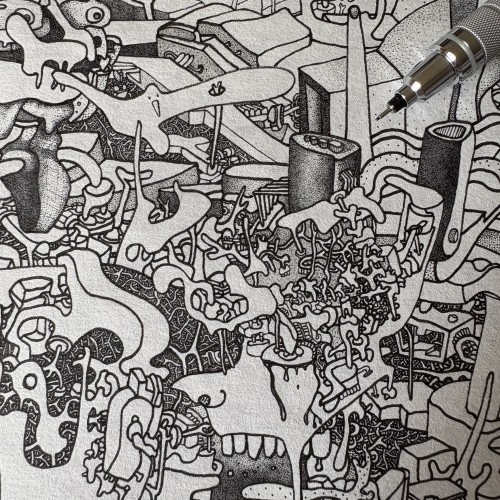
Untitled
1/5

Going through old drawings, 2012 - details shown from 2 different drawings.

  • 167
  • 5
  • 0
Sabina Hahn Sabina Hahn
Enlarge
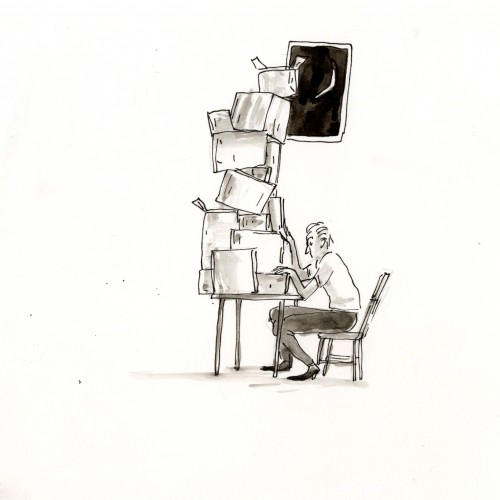
Joseph Cornell (1903–1972)

Joseph Cornell (1903–1972) Cornell worked nights at the kitchen table, sorting and assembling materials for his boxes. It was not easy going. Some nights he felt too fatigued from his day job to concentrate on his art and would sit up reading instead, switching on the oven for warmth. In the mornings, his quarrelsome mother would scold him about the mess he’d left at the kitchen table; without a proper workroom, Cornell was forced to store his growing collection of magazine clippings and dime-store baubles out in the garage. In 1940 Cornell finally mustered the courage to quit his job and pursue his art full-time—and even then his habits changed little. He still worked nights at the kitchen table, while his mother and brother slept upstairs. In the late morning he would head downtown for breakfast at his local Bickford’s restaurant, often satisfying his sweet tooth with a Danish or a slice of pie (and lovingly cataloging these indulgences in his diary). - From Daily Rituals: How Artists Work by Mason Currey #dailyrituals #inktober #JosephCornell @masoncurrey

  • 203
  • 12
  • 0
Artistic Ruminations Artistic Ruminations
Enlarge
Serene Shadows: A Cross-Hatched Village Tale

In this captivating cross-hatched pencil shading, a tranquil village scene comes to life. The intricate strokes create a harmonious blend of light and shadow, showcasing the serene beauty of rural life. Thatched roofs, winding pathways, and towering trees are meticulously detailed, inviting viewers to step into the peaceful simplicity of village existence. The gentle interplay of shades and textures evokes a sense of nostalgia and calm, capturing the essence of a timeless village story.

  • 101
  • 10
  • 0
Sabina Hahn Sabina Hahn
Enlarge
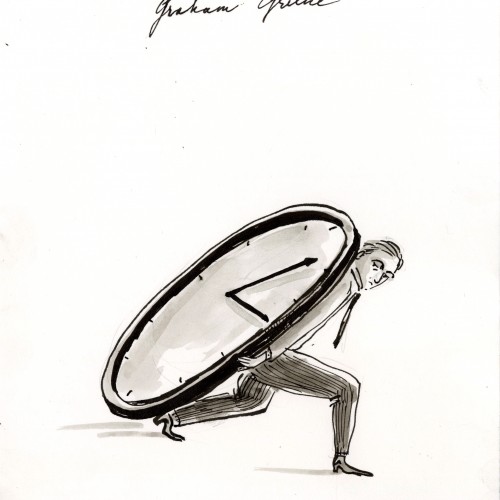
Graham Greene

Graham Greene (1904–1991) In 1968, an interviewer asked if he was “a nine-till-five man.” “No,” Greene replied. “Good heavens, I would say I was a nine-till-a-quarter-past-ten man.” - From Daily Rituals: How Artists Work by Mason Currey #dailyrituals #inktober #GrahamGreene #goals @masoncurrey

  • 314
  • 10
  • 2
Artistic Ruminations Artistic Ruminations
Enlarge
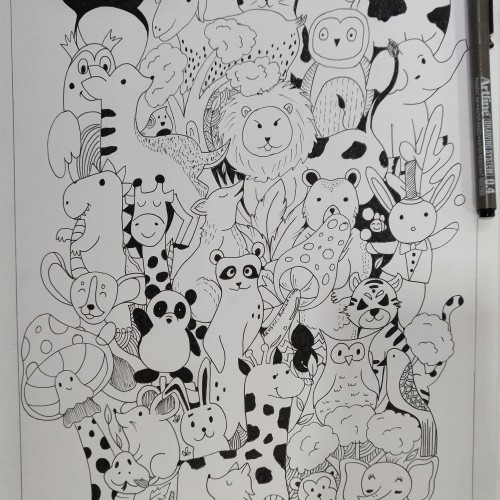
Whimsical Animal Parade

This delightful black-and-white drawing captures the lively and playful essence of a whimsical animal parade. Bursting with creativity, each animal character showcases unique traits and expressions, bringing a joyful scene to life. From the adorable, tiny mice balancing on top of each other to the elegant elephants dancing gracefully, the artwork is a breathtaking celebration of harmony and fun in the animal kingdom. With its intricate details and enchanting charm, this piece invites viewers to step into a world of imagination and whimsy where animals parade with joy and carefree spirit.

  • 102
  • 10
  • 4
BeastGurl1989 BeastGurl1989
Enlarge
Good Morning!

So after seeing some pictures of his human pictures I wanted to make something. This is based off the YouTube video link below. This guy made Alastors radio show and its KA! You should go check it out, I like to listen to it when I'm alone at the office, or when I study or whenever really. https://www.youtube.com/watch?v=ns18ZVI-ObQ

  • 86
  • 2
  • 0
Romanhan Romanhan
Enlarge
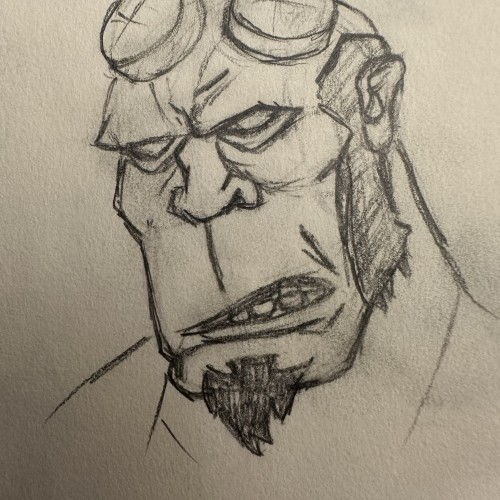
Hellboy

My first hellboy and I don’t like how it looks, but it is my first one.

  • 10
  • 2
  • 2
Sabina Hahn Sabina Hahn
Enlarge
Jean-Paul Sartre

Jean-Paul Sartre (1905–1980) By the 1950s, too much work on too little sleep—with too much wine and cigarettes—had left Sartre exhausted and on the verge of collapse. Rather than slow down, however, he turned to Corydrane, a mix of amphetamine and aspirin then fashionable among Parisian students, intellectuals, and artists (and legal in France until 1971, when it was declared toxic and taken off the market). The prescribed dose was one or two tablets in the morning and at noon. Sartre took twenty a day, beginning with his morning coffee and slowly chewing one pill after another as he worked. For each tablet, he could produce a page or two of his second major philosophical work, The Critique of Dialectical Reason. The biographer Annie Cohen-Solal reports, “His diet over a period of twenty-four hours included two packs of cigarettes and several pipes stuffed with black tobacco, more than a quart of alcohol—wine, beer, vodka, whisky, and so on—two hundred milligrams of amphetamines, fifteen grams of aspirin, several grams of barbiturates, plus coffee, tea, rich meals.” - From Daily Rituals: How Artists Work by Mason Currey #dailyrituals #inktober #jeanPaulSartre @masoncurrey

  • 200
  • 7
  • 1
Kurtis D Edwards Kurtis D Edwards Plus Member
Enlarge
Ozark witch hazel watercolor

I'm pleased with how this turned out. I cannot wait till February when mine blooms.

  • 138
  • 8
  • 0
Sabina Hahn Sabina Hahn
Enlarge
Dmitry Shostakovich (1906–1975)

Dmitry Shostakovich (1906–1975) Shostakovich’s contemporaries do not recall seeing him working, at least not in the traditional sense. The Russian composer was able to conceptualize a new work entirely in his head, and then write it down with extreme rapidity—if uninterrupted, he could average twenty or thirty pages of score a day, making virtually no corrections as he went. But this feat was apparently preceded by hours or days of mental composition—during which he “appeared to be a man of great inner tensions,” the musicologist Alexei Ikonnikov observed, “with his continually moving, ‘speaking’ hands, which were never at rest.” Shostakovich himself was afraid that perhaps he worked too fast. “I worry about the lightning speed with which I compose,” he confessed in a letter to a friend. Undoubtedly this is bad. One shouldn’t compose as quickly as I do. Composition is a serious process, and in the words of a ballerina friend of mine, “You can’t keep going at a gallop.” I compose with diabolical speed and can’t stop myself.… It is exhausting, rather unpleasant, and at the end of the day you lack any confidence in the result. But I can’t rid myself of the bad habit. - From Daily Rituals: How Artists Work by Mason Currey #dailyrituals #inktober #shostakovich @masoncurrey

  • 440
  • 8
  • 0
DeeDee  Joseph DeeDee Joseph
Enlarge
Oc Meme- Sera and K

I don't know why I suck at drawing art sheets for my ocs but somehow I seem to be great with memes of them.

  • 19
  • 4
  • 2
Juice_Lime Juice_Lime
Enlarge
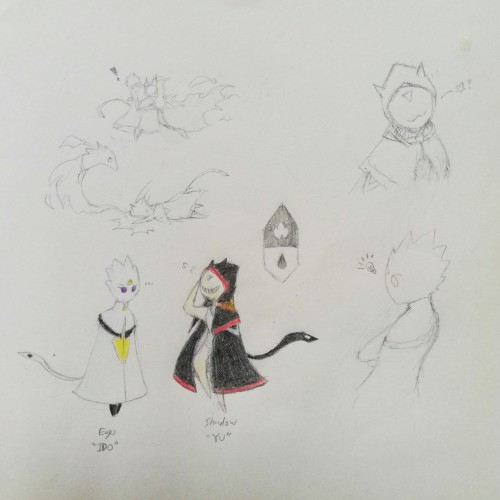
Ego and Shadow

Been developing in a way to free myself from external reference-based OC concepts, which was where I started from in drawing. In a way, exploring how I view characters from my own eyes. Here, is an example of drawing myself in two contrasting counterparts. Personal preferences are actually pretty simplistic by appearance.

  • 29
  • 2
  • 0
Brooke McLeod Brooke McLeod
Enlarge
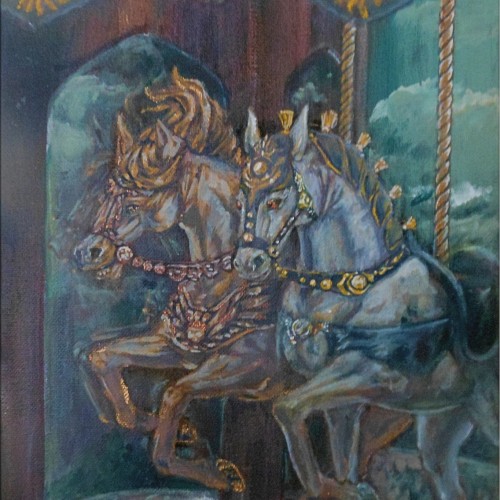
Rhapsody of The Sun

How many carousels are enough for one gallery? Trick question. There's never enough.

  • 42
  • 10
  • 7
Sabina Hahn Sabina Hahn
Enlarge
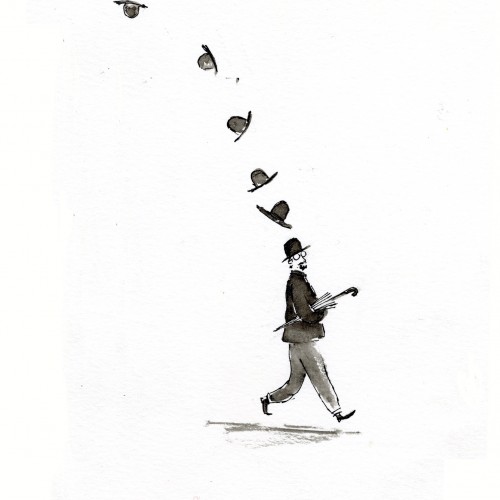
Erik Satie

Erik Satie (1866–1925) In 1898, Satie moved from Paris’s Montmartre district to the working-class suburb of Arcueil, where he would live for the rest of his life. Most mornings, however, the composer returned to the city on foot, walking a distance of about six miles to his former neighborhood, stopping at his favorite cafés along the way. According to one observer, Satie “walked slowly, taking small steps, his umbrella held tight under his arm. When talking he would stop, bend one knee a little, adjust his pince-nez and place his fist on his hip. Then he would take off once more, with small deliberate steps.” His dress was also distinctive: the same year that he moved to Arcueil, Satie received a small inheritance, which he used to purchase a dozen identical chestnut-colored velvet suits, with the same number of matching bowler hats. Locals who saw him pass by each day soon began calling him the Velvet Gentleman. The last train back to Arcueil left at 1:00 A.M., but Satie frequently missed it. Then he would walk the several miles home, sometimes not arriving until the sun was about to rise. Nevertheless, as soon as the next morning dawned, he would set off to Paris once more. The scholar Roger Shattuck once proposed that Satie’s unique sense of musical beat, and his appreciation of “the possibility of variation within repetition,” could be traced to this “endless walking back and forth across the same landscape day after day.” Indeed, Satie was observed stopping to jot down ideas during his walks, pausing under a streetlamp if it was dark. During the war the streetlamps were often extinguished, and rumor had it that Satie’s productivity dropped as a result. - From Daily Rituals: How Artists Work by Mason Currey

  • 300
  • 5
  • 0
Sabina Hahn Sabina Hahn
Enlarge
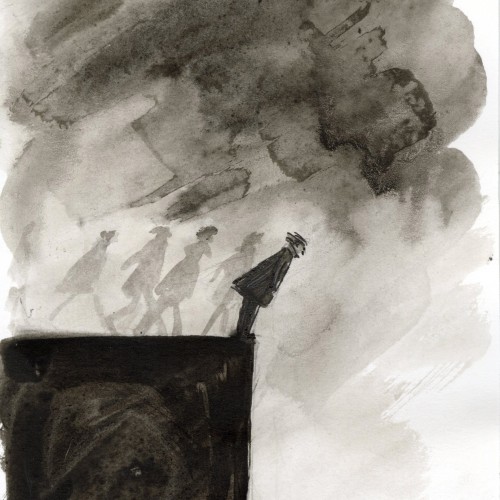
Samuel Beckett

Samuel Beckett (1906–1989) On a late-night walk near Dublin harbor, Beckett found himself standing on the end of a pier in the midst of a winter storm. Amid the howling wind and churning water, he suddenly realized that the “dark he had struggled to keep under” in his life—and in his writing, which had until then failed to find an audience or meet his own aspirations—should, in fact, be the source of his creative inspiration. “I shall always be depressed,” Beckett concluded, “but what comforts me is the realization that I can now accept this dark side as the commanding side of my personality. In accepting it, I will make it work for me.” - From Daily Rituals: How Artists Work by Mason Currey #dailyrituals #inktober #samuelbeckett @masoncurrey

  • 452
  • 11
  • 6
« Previous
Next »

Doodle Addicts

Navigate
  • Discover Art
  • Drawing Challenges
  • Weekly Drawing Prompts

  • Artist Directory
  • Art Marketplace
  • Resources
Other
  • News + Blog
  • About Us
  • Contact Us
Newsletter
© 2026 Doodle Addicts™ — All Rights Reserved Terms & Conditions / Privacy Policy / Community Guidelines
Add Doodle Addicts to your home screen to not miss an update!
Add to Home Screen