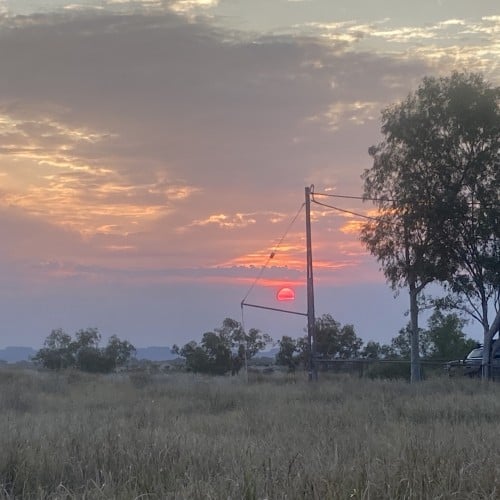
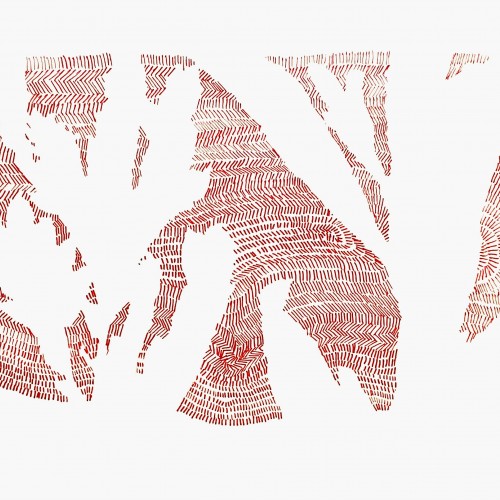
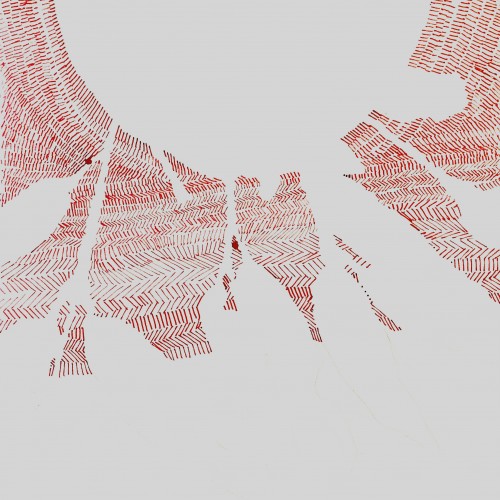
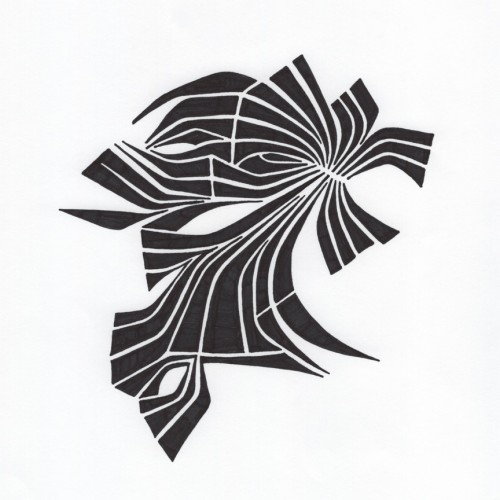
Continuing to look at the mysteries of plants used as bush medicine by Indigenous people in the East Kimberley of Western Australia. These two plants are common throughout the area. The one on the left is used for colds and the right for soap. How many of us would know what to look for?
Many people walk past plants either without noticing them or with just a glance. For the Walmajarri people in the Kimberley region of Western Australia, and many other Indigenous groups, plants provide a source of food and medicine. These outlines are of plants that are used by Walmajarri people as either food or medicine. For most people they remain a mystery, hence the outline only.
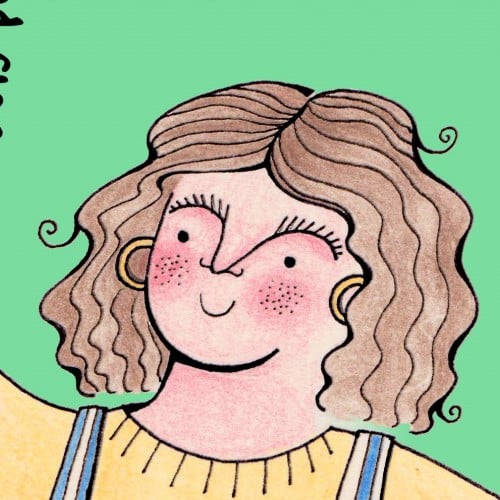
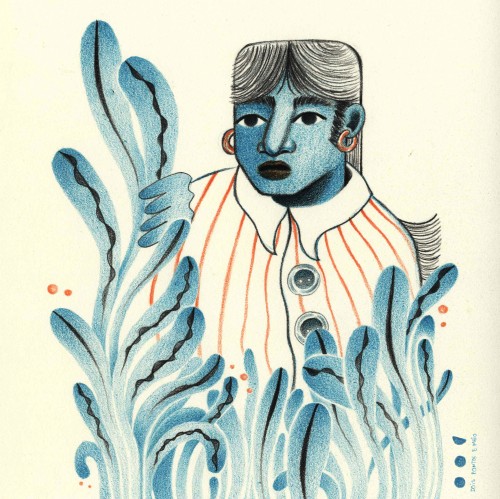
Here is one of 3 illustrations I made for customizable postcards, available for purchase at @cava.galeria
I wanted to use this green/bluish colour, plants, and a very curious human in this case.
What do you think the person is saying?
*The size is 15,5 cm by 11 cm
Limited number of postcards
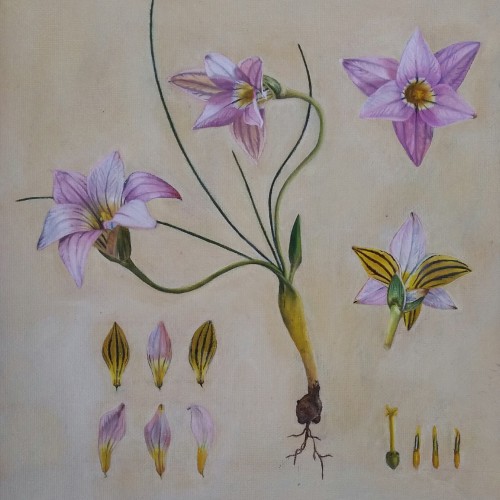
My first botanical illustration. Romulea rosea is a small member of the iris family indigenous to the fynbos biome here in South Africa. Oil paint on canvas. A4 size.
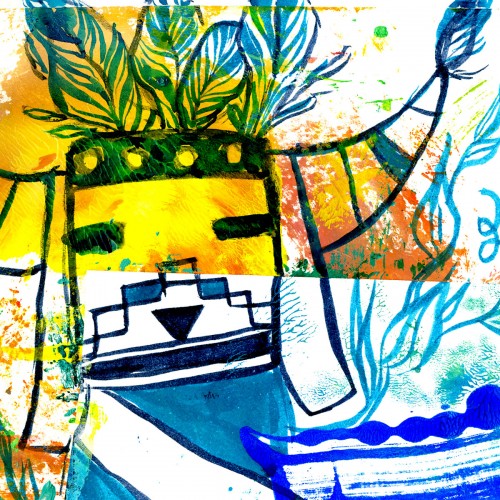
Our local antiques store had a huge treasure trove of vintage Native American themed toys and gifts this weekend. I realized that 1) I'd owned a lot of them and 2) none of my friends had. It never occurred to me that my collection was particularly large or unique. Doesn't every kid have a fixation on this country's indigenous population? Apparently not. I love the visual language of the Navajo and Hopi especially. My Kachina doll collection was the bomb.
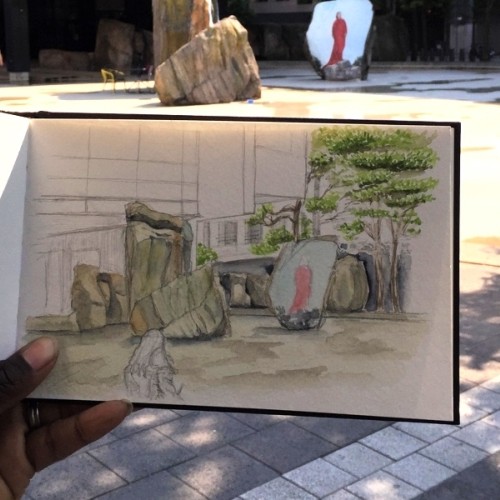
I headed over to the Devonian Square, near the Ryerson Image Centre, to sketch the Devonian Pond, also known as Lake Devo. It turns out that the images are part of a temporary art installation by artist Lori Blondeau regarding Indigenous identity.