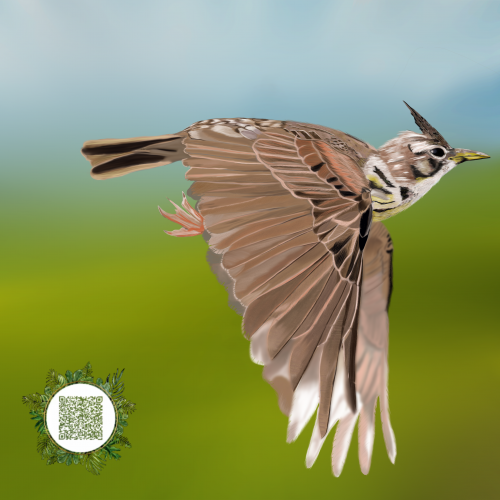
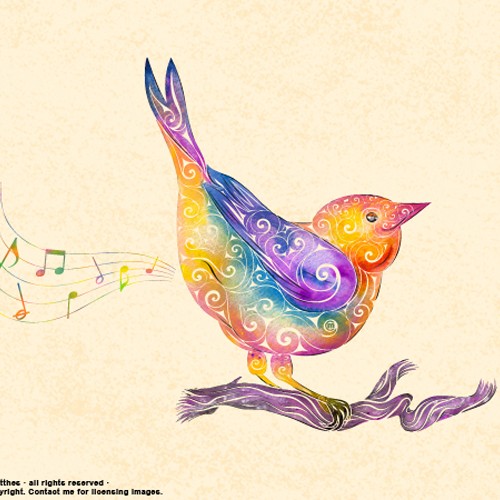
I just finished the Calandra Lark. Here are some facts about this beautiful bird...
Appearance: It's a large lark, about 17.5-20 cm long, with a robust build, a heavy bill, and noticeable pale eyebrows
. Its plumage is mainly greyish-brown streaked above and white below, with large black patches on the breast sides.
Habitat: This species is found in open plains, steppes, pastures, and dry cereal cultivations. It's mainly resident in the west of its range but Russian populations migrate further south in winter.
Diet: Their main food source is seeds, but they also consume insects when nesting.
Behaviour: Calandra Larks are known to be gregarious outside the breeding season, often forming large flocks.
Song: Their song is considered musical and slower than the Skylark's. It has been historically popular as a cagebird.
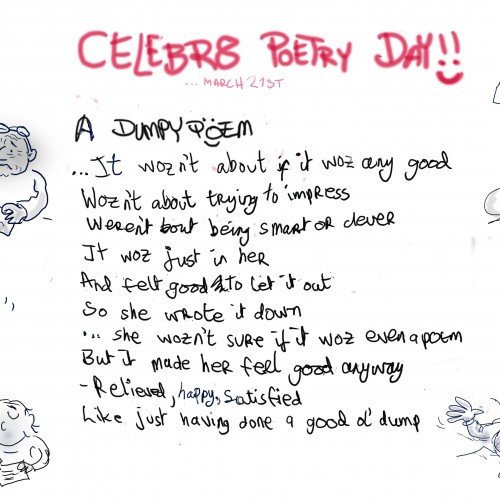
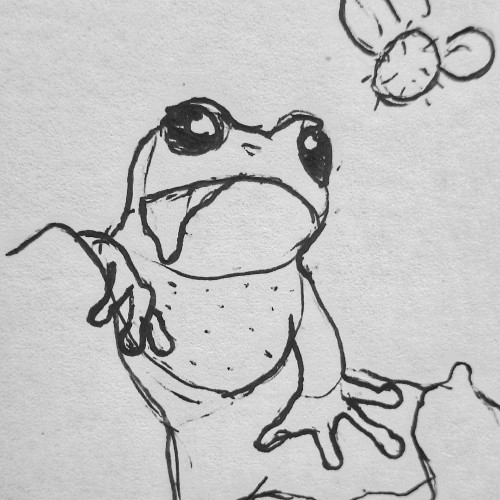
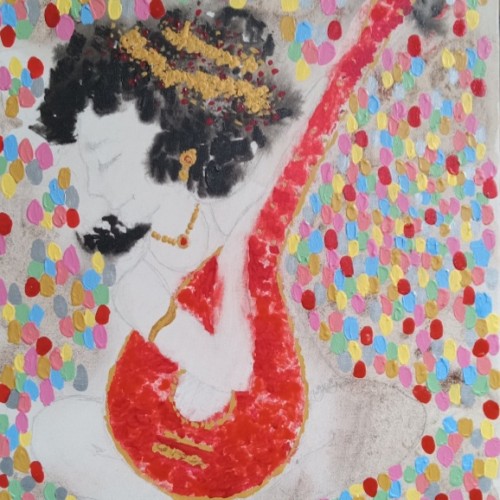
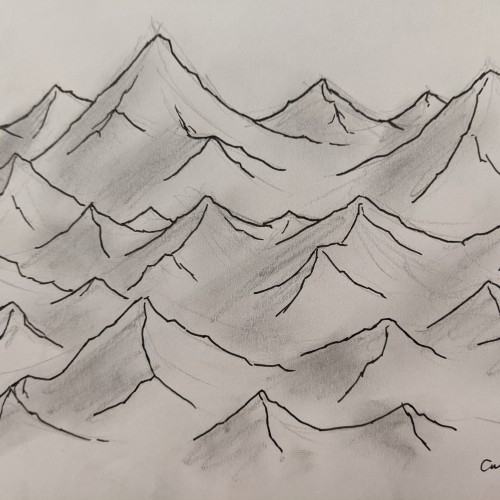
poem: a dumpy poem
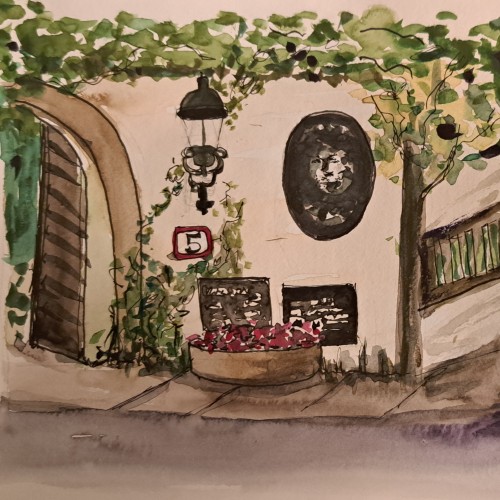
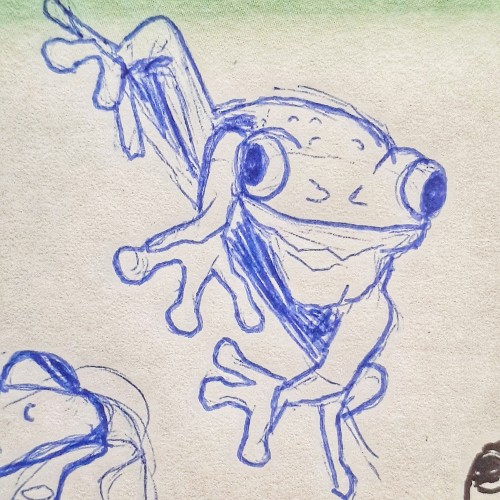
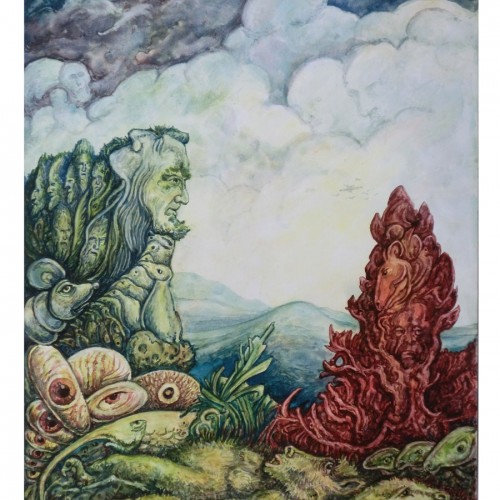
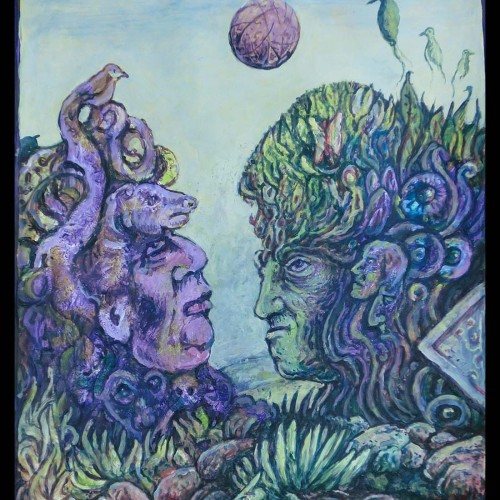
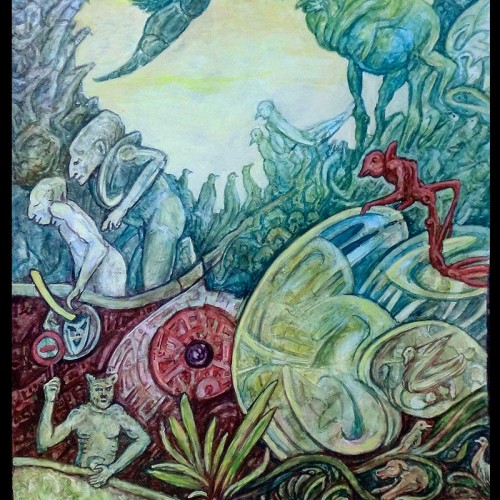
I'm compiling simple slapdash 5 min. drawings of my poems
10€ a drawing
Dave +351 969 534 520
https://artdavidmeehan.blogspot.com/p/7.html
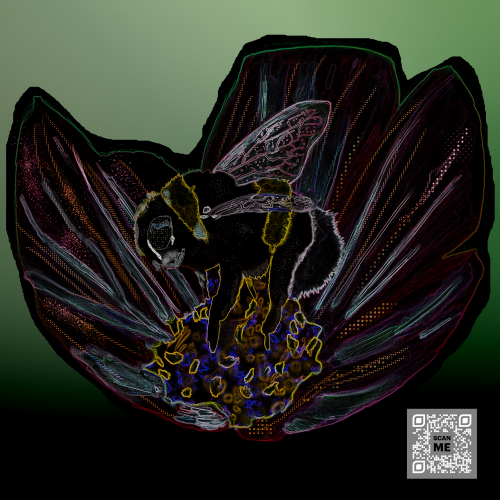
Flight of the bumblebee The lifecycle begins in spring, when rising temperatures awaken a queen bumblebee that has been hibernating alone in the soil. The queen will have spent the entire winter underground, using up reserves of energy stored as fat in her body. When she first emerges, she feeds on flowers, drinking nectar to gain energy. She will then begin to search for a suitable nest site. Frequent nesting sites include holes in the ground, tussocky grass, bird boxes and under garden sheds.
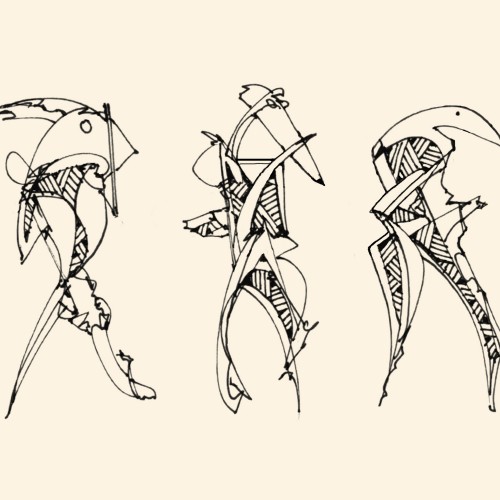
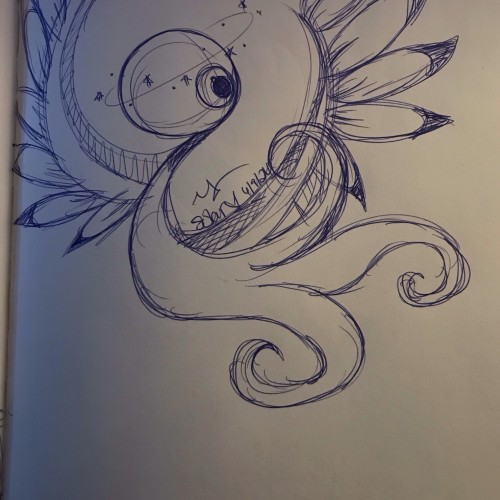
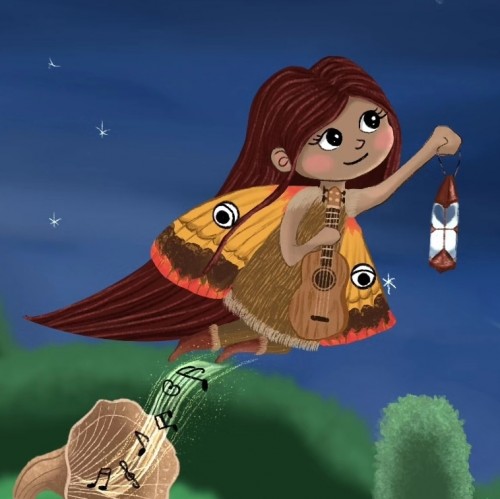
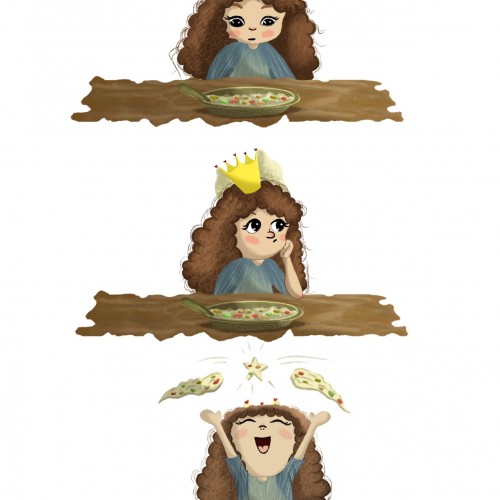
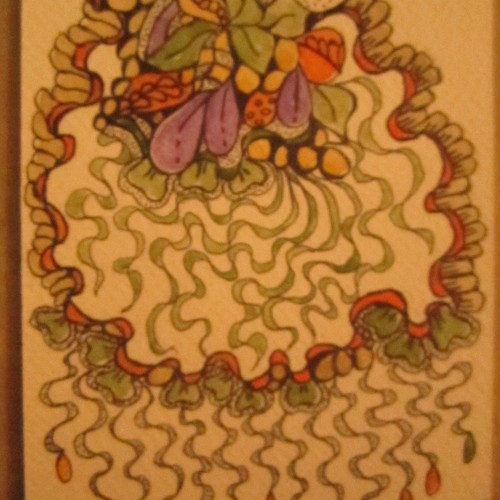
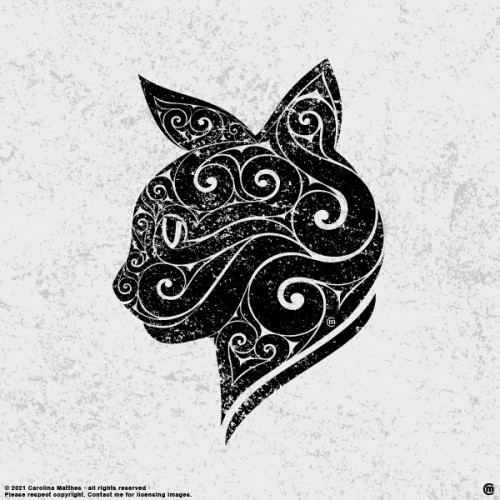
One of my Swirly Designs, illustrated with different tools such as Graphite, Aquarelle, Ink Pens and Ai & Tablet. Sometimes sheer Vectorillustration/design.
.
Urh.-Nr:1811955
.
Copyright by Carolina Matthes
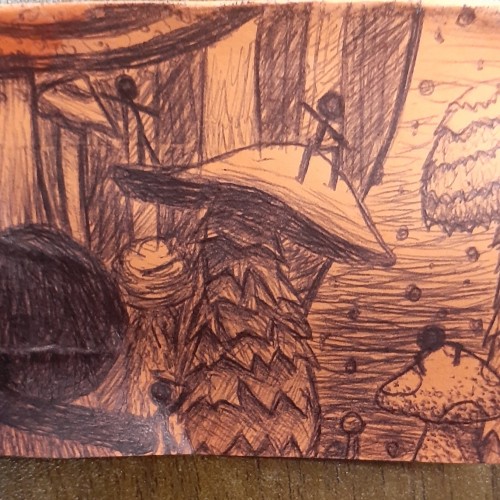
It was a really slow day at work, so slow that I had enough time to draw this on a sticky note with little to no interruptions. This was also inspired by a curated gallery on here called "Fun with Fungi".
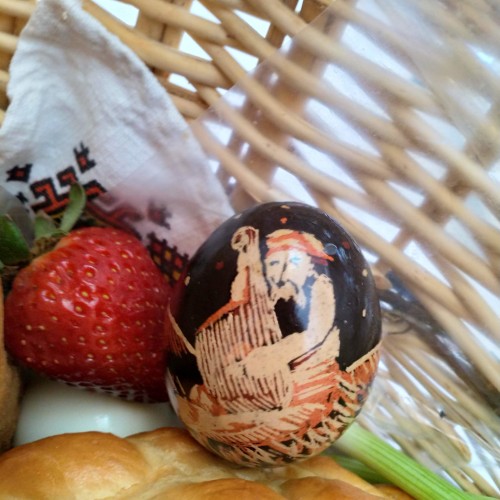
A pair of Ukrainian Easter eggs I've made. My designs are not especially traditional and are instead inspired by old wood cut art. The first egg features a musician playing a bandura and the second has 4 pictures, fish, forest, wheat and mountains. The eggs are made using beeswax applied with a metal tool called a Kistka (heated via a candle or electricity) you draw on the egg wherever you want to preserve its current colour before putting it into a dye bath working from the lightest colours to the darkest. When you have finished you remove the wax using a candle a paper towel and a little patience. heating and wiping away. then you can blow out your egg by making a hole in its top and bottom, smashing the yolk with a needle and blowing. These eggs are a couple of years old but we've pulled them out for easter last weekend.