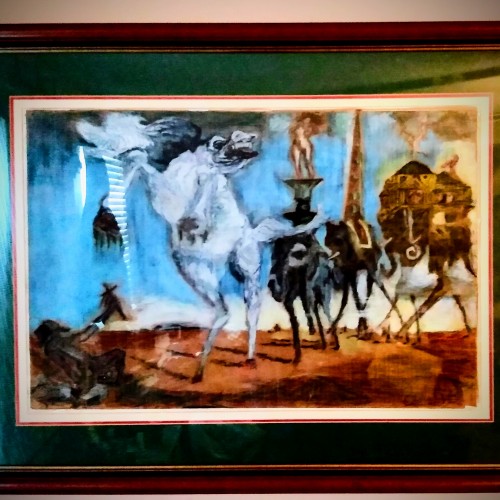
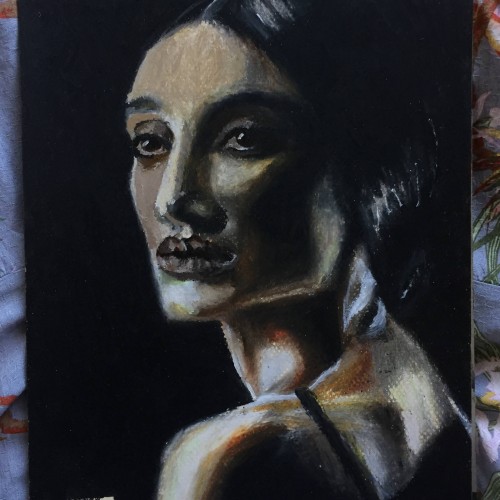
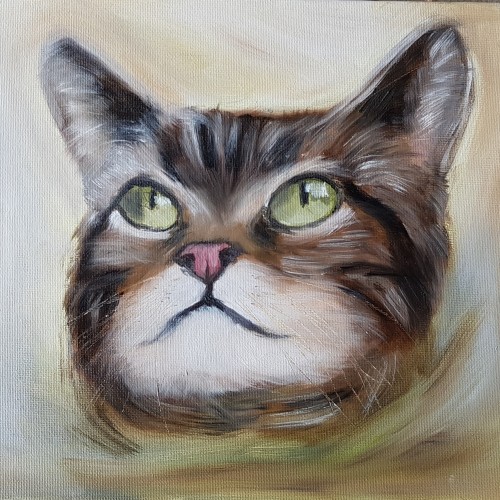
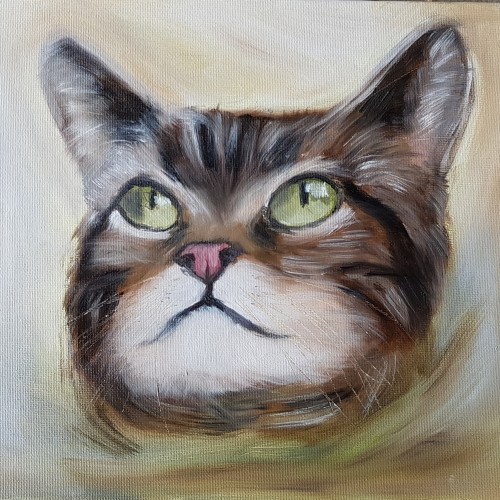
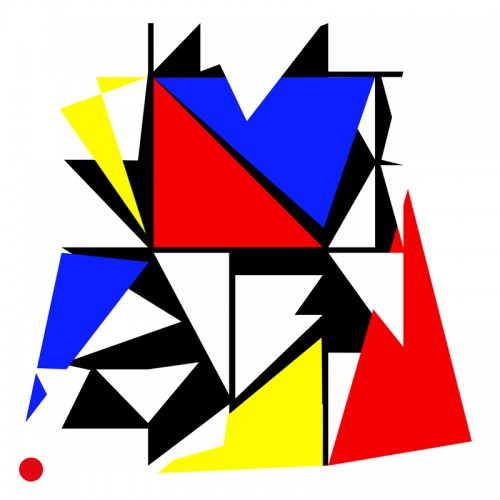
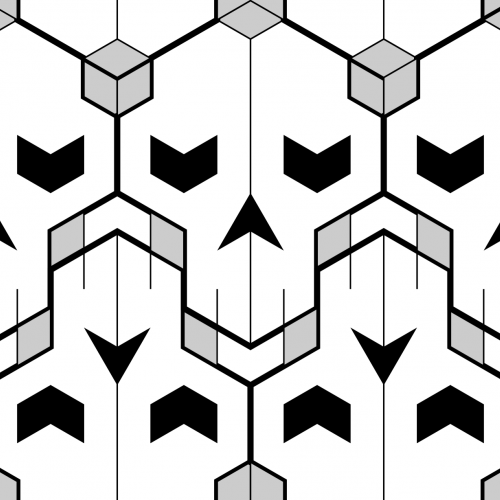
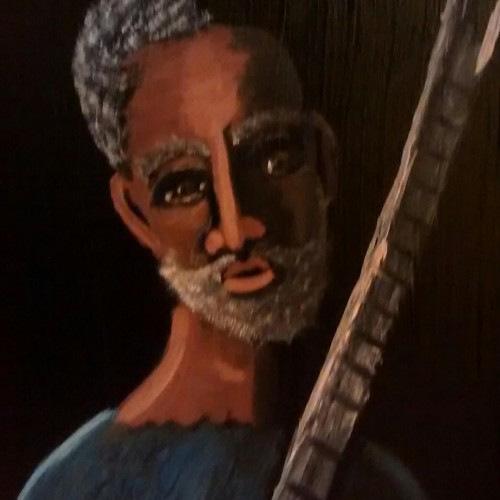
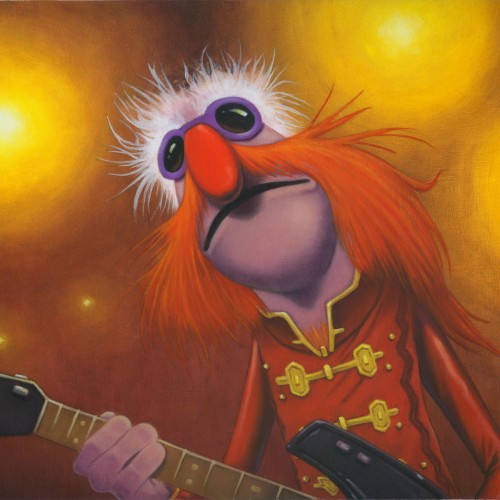
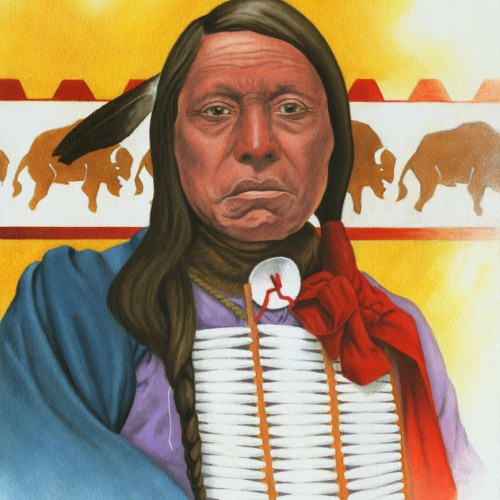
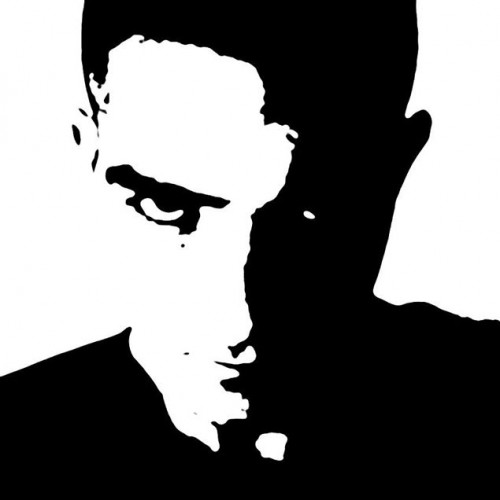
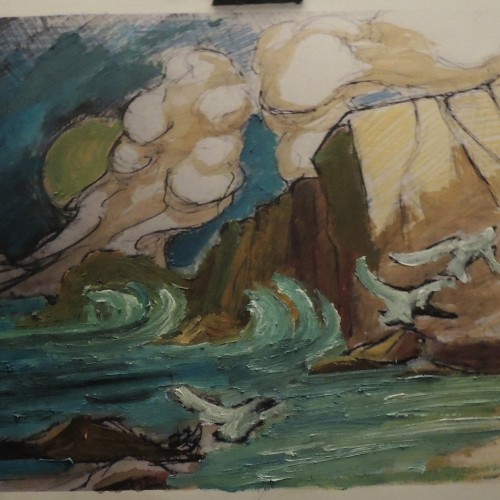
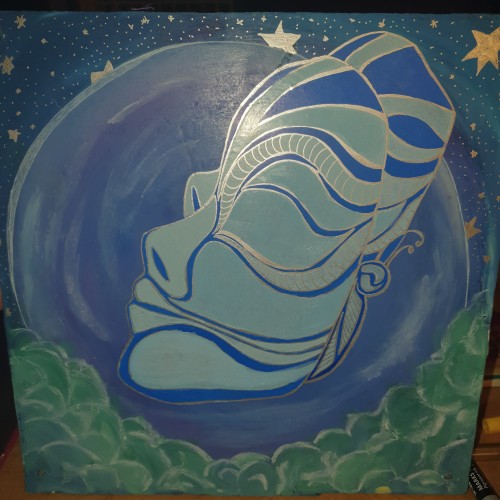
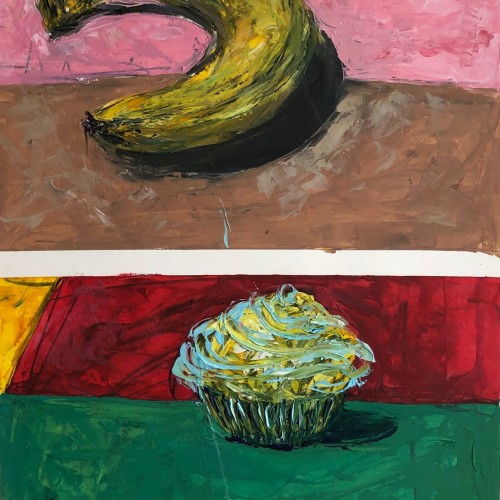
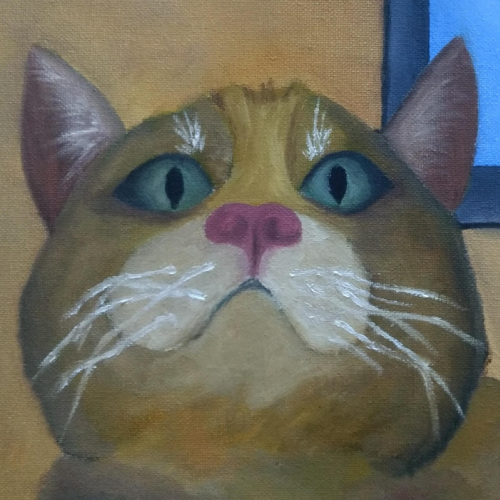
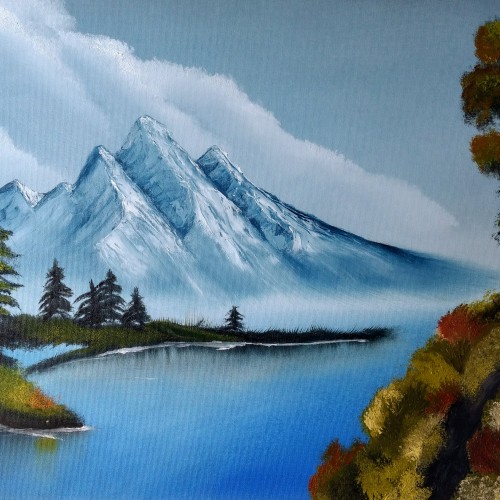
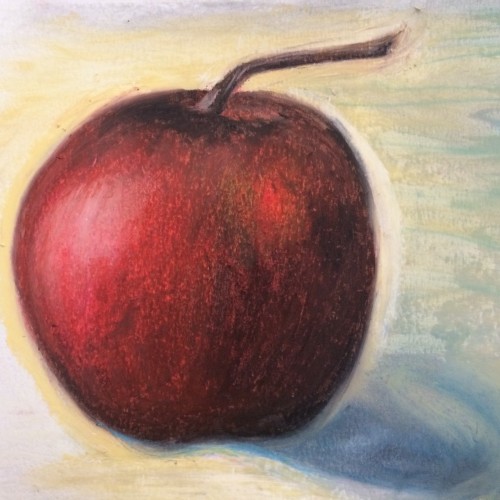
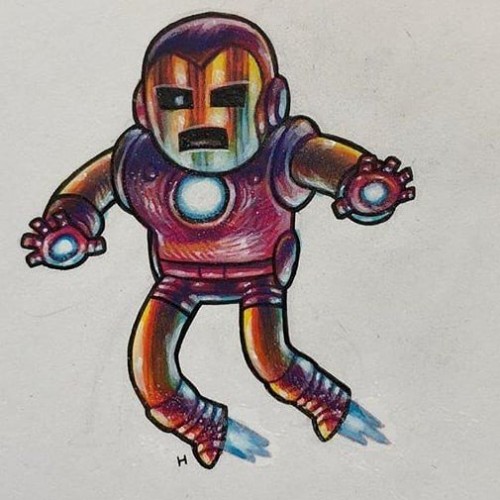
40" x 30" crayons, acrylic paint, ink, oil graphite, food coloring, make-up, enamel, colored pencils, white out on cardboard. My rendering of a Salvador Dali piece.
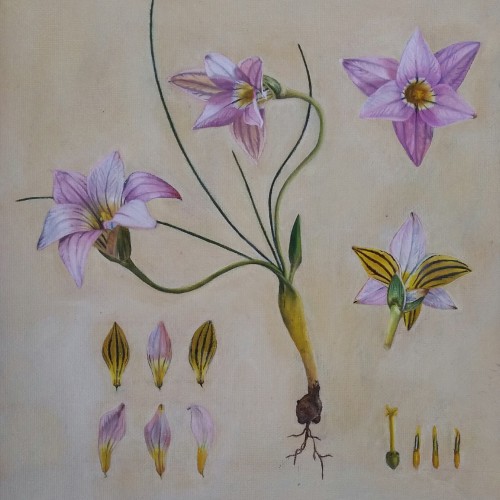
My first botanical illustration. Romulea rosea is a small member of the iris family indigenous to the fynbos biome here in South Africa. Oil paint on canvas. A4 size.
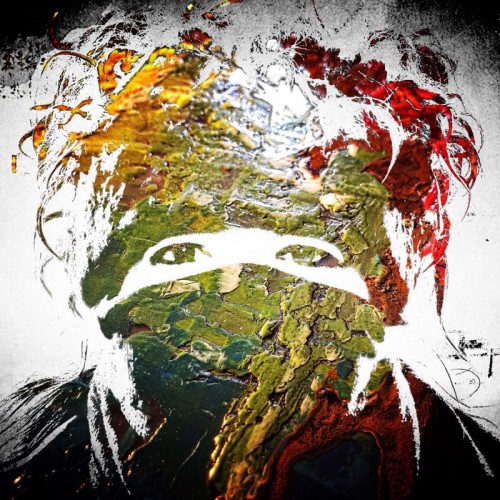
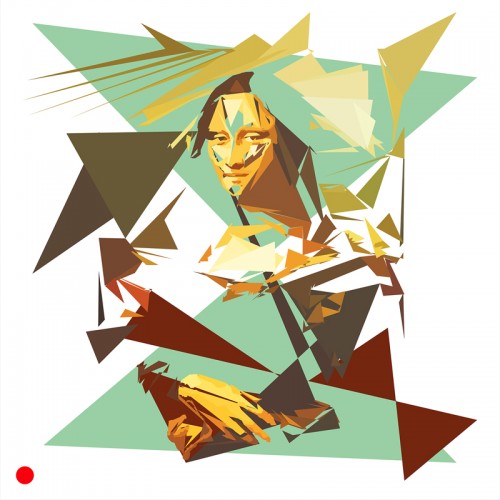
Français : L’Appropriationnisme ou le « Remake » est un concept simple. En effet, il suffit de reprendre le travail d’un artiste et signer la nouvelle production de son nom. Il ne s’agit, en aucun cas, de copier l’œuvre comme pourrait le faire un faussaire. Il ne s’agit pas non plus de plagier l’œuvre.
En ce qui me concerne, j’utilise l’œuvre célèbre d’un artiste reconnu. En réutilisant une œuvre originale préexistante et célèbre, condition sine qua non, je propose de rendre un hommage. Il ne s’agit en aucun cas d’un manque d’inspiration surtout lorsque l’on sait maintenant que : « l’art naît de l’art et non de la nature » : Ernst Gombrich.
Dans cette série, j’ai voulu revisiter des œuvres célèbres en utilisant ma technique graphique de l’éloge de l’approximation mettant en évidence la problématique de la défaillance et de la mémoire vaporeuse.
English: Appropriationism or Remake is a simple concept. Indeed, it is enough to take again the work of an artist and to sign the new production of his name. It is not a question of copying the work as a forger could do. It is not a question of plagiarizing the work.
As far as I'm concerned, I use the famous work of a recognized artist. By reusing a pre-existing and famous original work, condition sine qua non, I propose to pay tribute. It is by no means a lack of inspiration especially when we now know that: "art is born of art and not of nature": Ernst Gombrich.
In this series, I wanted to revisit famous works using my graphic technique of praising the approximation highlighting the problem of failure and vaporous memory.
https://www.pierretomyleboucher.fr
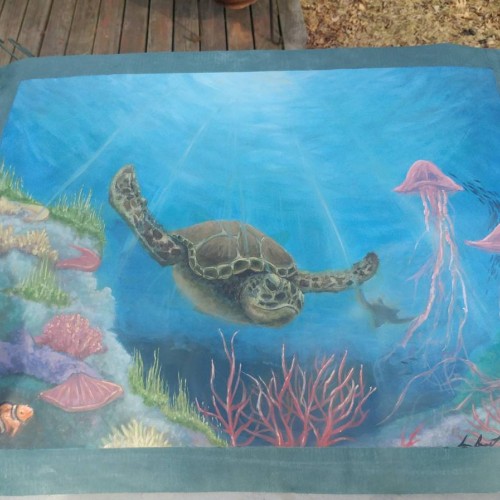
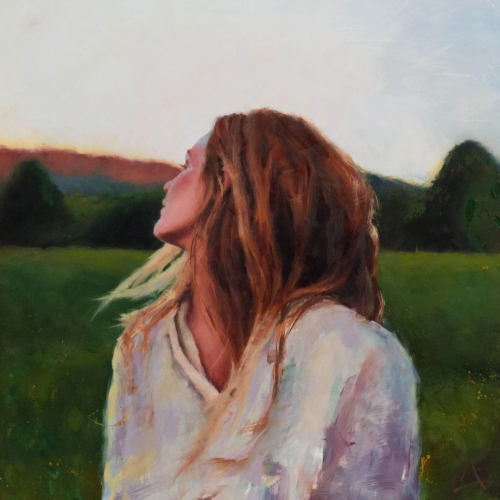
This piece was commissioned by a coworker. It was a very large piece at 24"by26" on green leather. I used an acrylic base and then completely covered that with oils. It becomes very dusty when dried so I added many layers of a spray varnish for oils on top. The color remained nice and vibrant.
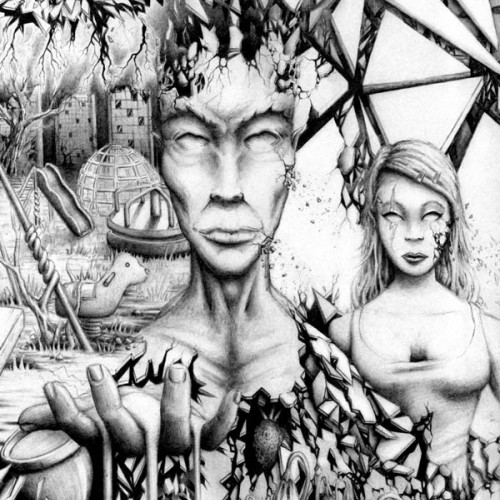
This poignant black and white pencil and ink drawing captures the essence of a dark, broken man with sand slipping through his fingers, symbolizing the passage of time and lost hopes. A hole in his chest reveals his heart, while beside him stands a similarly broken woman. In the foreground, withered flowers and a shattered hourglass accentuate the theme of decay and loss. The background features a forgotten playground, representing the loss of innocence, and a swirling vortex with lightning in the sky that engulfs the man's illusion of reality. This artwork speaks to the emotional turmoil and fragility of the human experience.
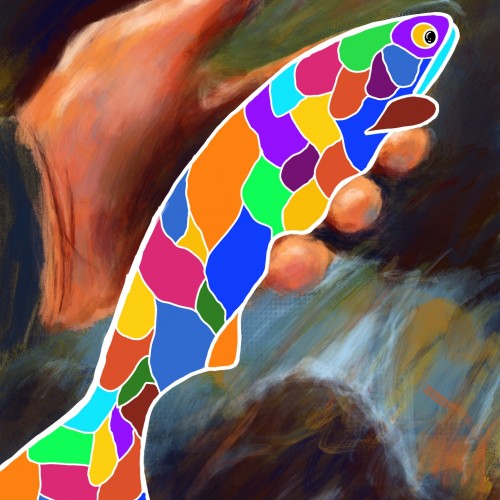
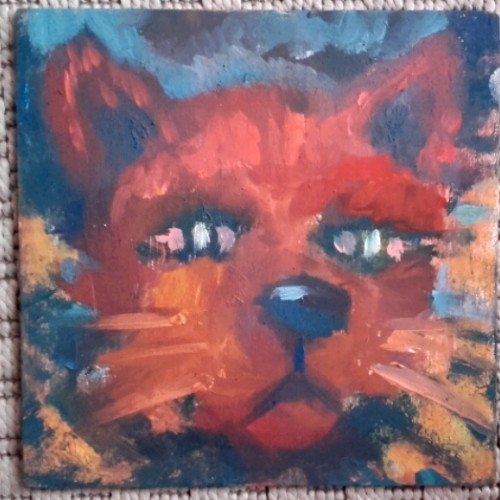
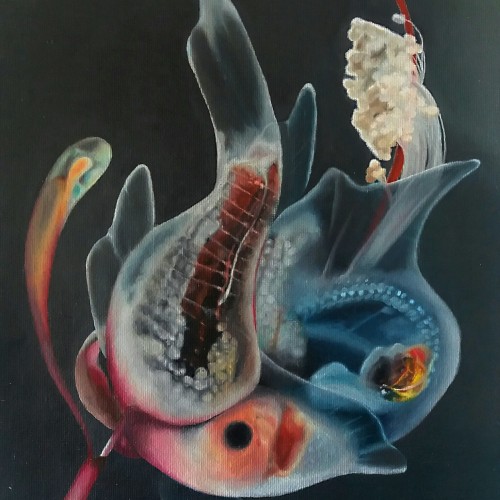
Oil paint on canvas; 21cm x 30cm. Named after the ghost glass catfish, I painted this a few months ago, taking inspiration from various translucent beasts
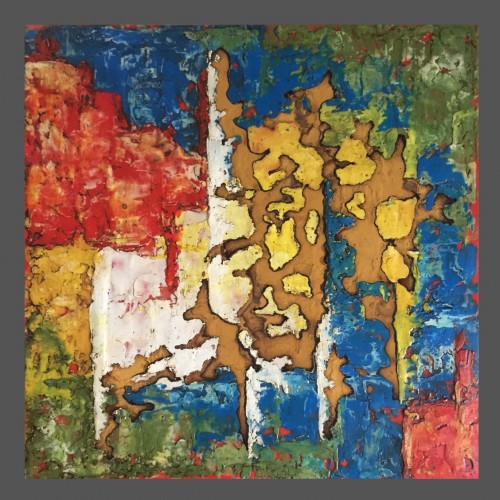
This is a 19 in by 24 in oil painting on Bristol paper. I love this piece because of the textures and the bright but muted colors. I did this in 2019 in the spring at the Fashion Institute of Technology. The professor always pronounced "fruit" in a very bazaar way. It was a great class overall.
Français : L’Appropriationnisme ou le « Remake » est un concept simple. En effet, il suffit de reprendre le travail d’un artiste et signer la nouvelle production de son nom. Il ne s’agit, en aucun cas, de copier l’œuvre comme pourrait le faire un faussaire. Il ne s’agit pas non plus de plagier l’œuvre.
En ce qui me concerne, j’utilise l’œuvre célèbre d’un artiste reconnu. En réutilisant une œuvre originale préexistante et célèbre, condition sine qua non, je propose de rendre un hommage. Il ne s’agit en aucun cas d’un manque d’inspiration surtout lorsque l’on sait maintenant que : « l’art naît de l’art et non de la nature » : Ernst Gombrich.
Dans cette série, j’ai voulu revisiter des œuvres célèbres en utilisant ma technique graphique de l’éloge de l’approximation mettant en évidence la problématique de la défaillance et de la mémoire vaporeuse.
English: Appropriationism or Remake is a simple concept. Indeed, it is enough to take again the work of an artist and to sign the new production of his name. It is not a question of copying the work as a forger could do. It is not a question of plagiarizing the work.
As far as I'm concerned, I use the famous work of a recognized artist. By reusing a pre-existing and famous original work, condition sine qua non, I propose to pay tribute. It is by no means a lack of inspiration especially when we now know that: "art is born of art and not of nature": Ernst Gombrich.
In this series, I wanted to revisit famous works using my graphic technique of praising the approximation highlighting the problem of failure and vaporous memory.
https://www.pierretomyleboucher.fr
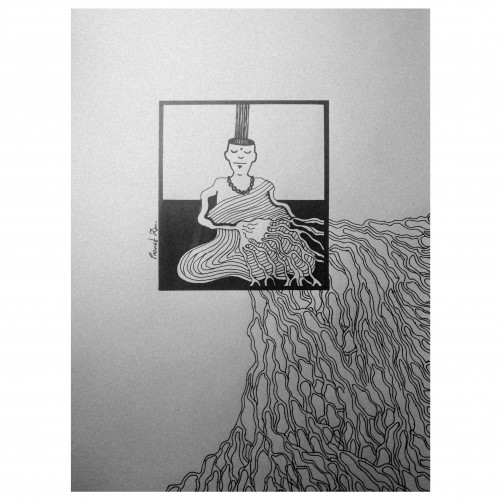
I am quiet and sharp, strong and calm. I learn from the trees, I become the tree, I nurture the soil while it gives me back, and let the energy flow throughout the universe. I am a master, I am a slave, for the existence of them before me verifies my frivolous character in this game.
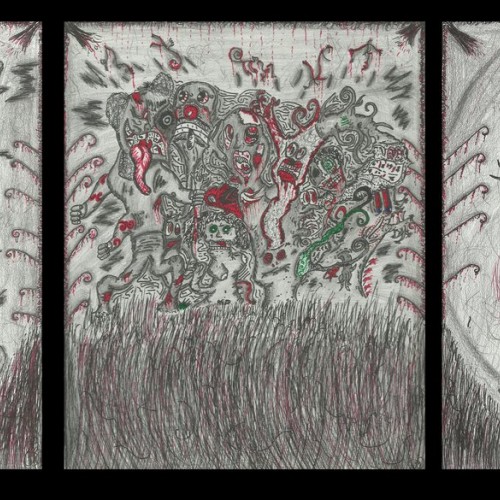
Realms of Vibrant Oddites at display through poetic tales of welcome wonder. What emotions be boiled in this cauldron? Thoughts of mindful darkness play this way.