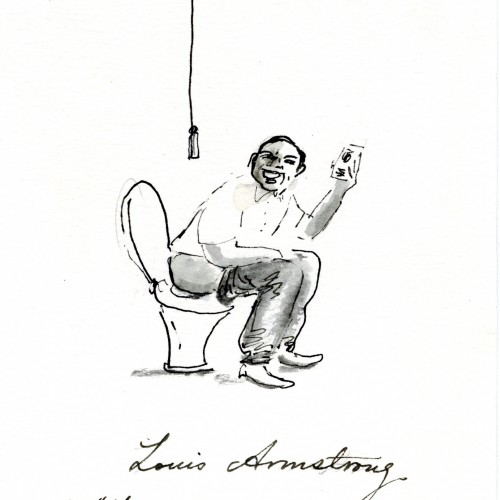
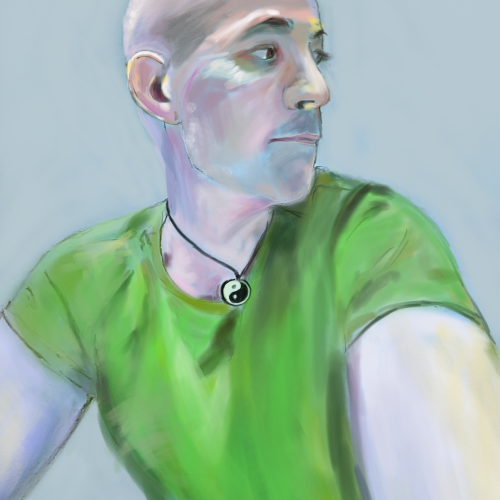
Louis Armstrong (1901–1971)
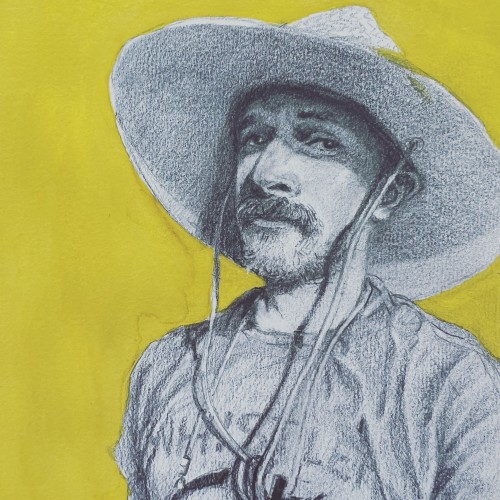
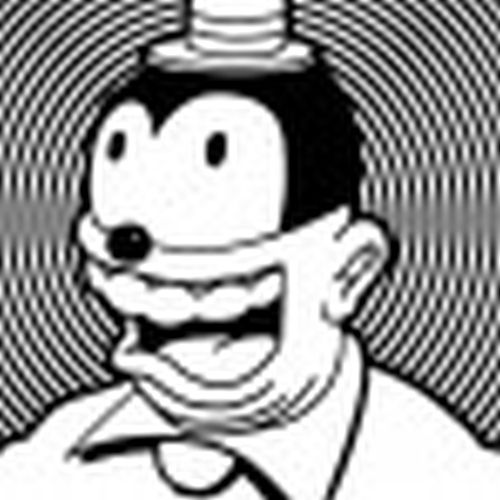
Armstrong relied on music to lull himself to sleep. Before he could get into bed, however, he had to administer the last of his daily home remedies, Swiss Kriss, a potent herbal laxative invented by the nutritionist Gayelord Hauser in 1922 (and still on the market today). Armstrong believed so strongly in its curative powers that he recommended it to all his friends, and even had a card printed up with a photo of himself sitting on the toilet, above the caption “Leave It All Behind Ya.”
- From Daily Rituals: How Artists Work by Mason Currey
“All music is folk music. I ain't never heard a horse sing a song.”
― Louis Armstrong
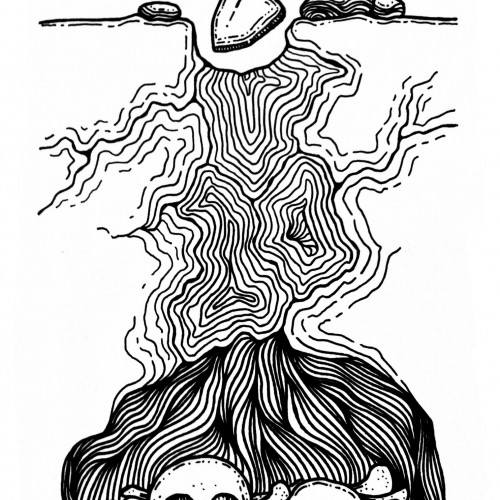
#dailyrituals #inktober #LouisArmstrong @masoncurrey
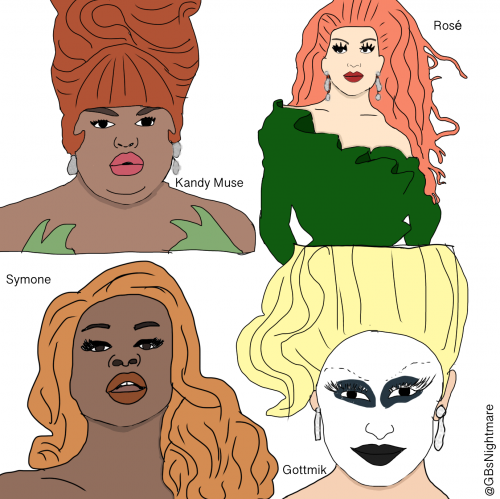
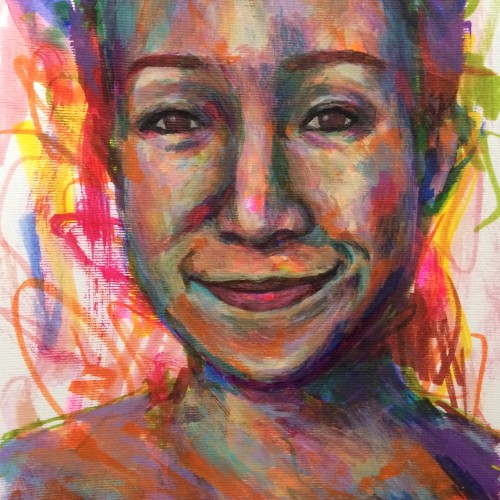
So if any of y’all have watched RuPaul sorry if I am spoiling it for you. It’s really great. I was told to make Appa from Avatar. Working on it @rayedrgn ! Okay so here it is! I traced just to get shapes then I colored it. Um I guess that’s it?
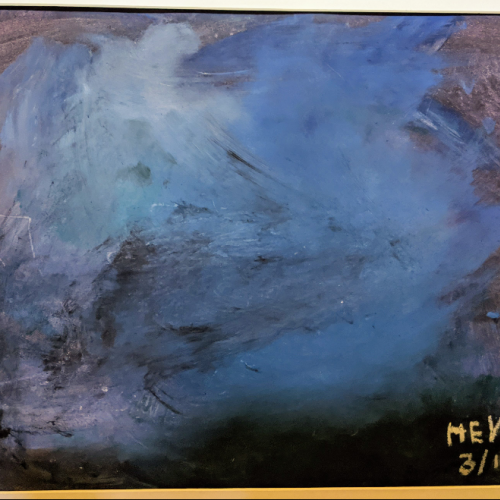
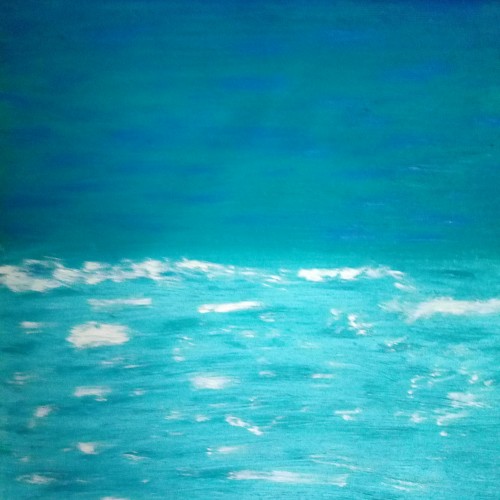
4 year old Henry engaged fully with thick applications of watercolor and oil pastels. He said it was a stormy sea with a small boat. This was at the onset of the pandemic, when we were all a bit uncertain and confined to our homes. I was reminded of an insight by Kierkegaard written in the early 1800s: “When the sailor is out on the sea and everything is changing around him, as the waves are continually being born and dying, he does not stare into the depths of these, since they vary. He looks up at the stars. And why? Because they are faithful – as they stand now, they stood for the patriarchs, and will stand for coming generations. By what means then does he conquer changing conditions? Through the eternal: By means of the eternal, one can conquer the future, because the eternal is the foundation of the future.”
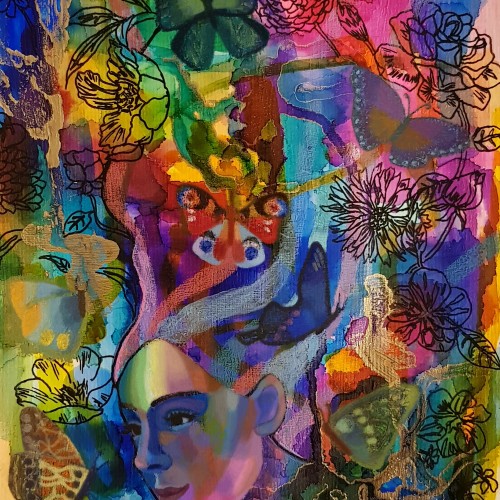
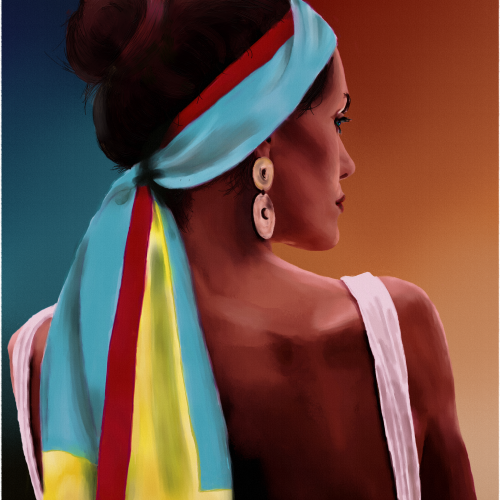
Combination of traditional and digital art. I actually hand painted this on some very textured paper with oil pastels a while back, so to 'tidy and clean' it I had to employ digital means. The background was done with alcohol inks, the 'flow' of it I was particularly proud of :).
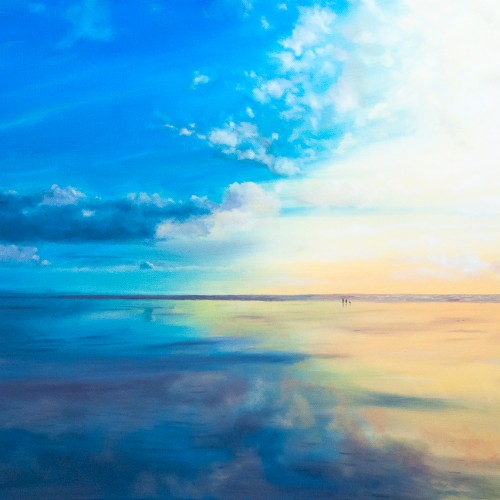
I started this oil painting in Feb 2020, and finished it in April the same year. I guess it's a tribute to Welsh beaches in winter - miles of sand, and barely anyone around.
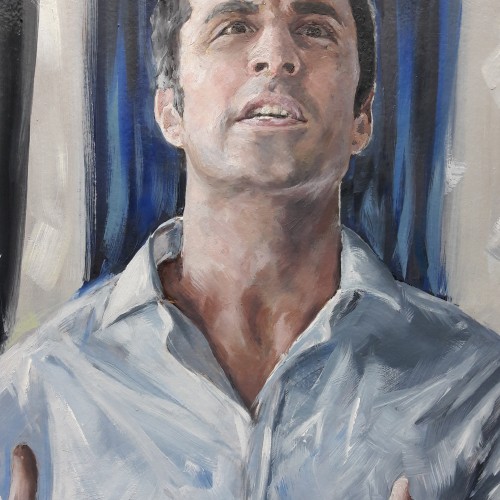
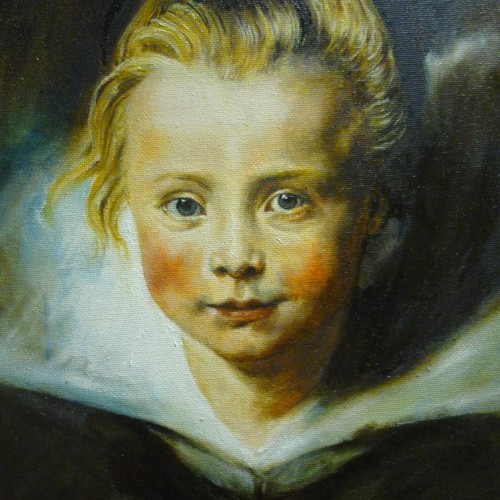
This beautifull peace I did in the course I had in university, reproduction. I really surprised myself with the result ^_^ . It is done with oilcolors on canvas.