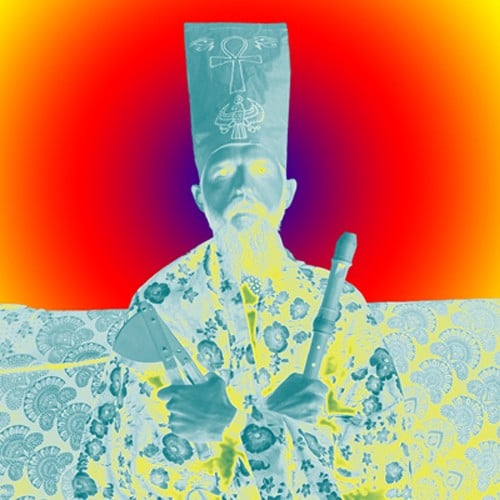
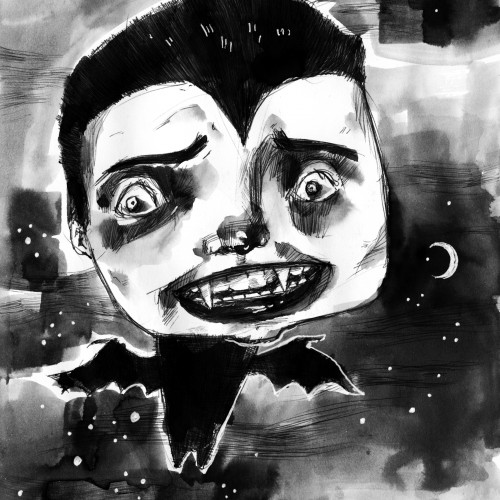
Dmitry Shostakovich (1906–1975)
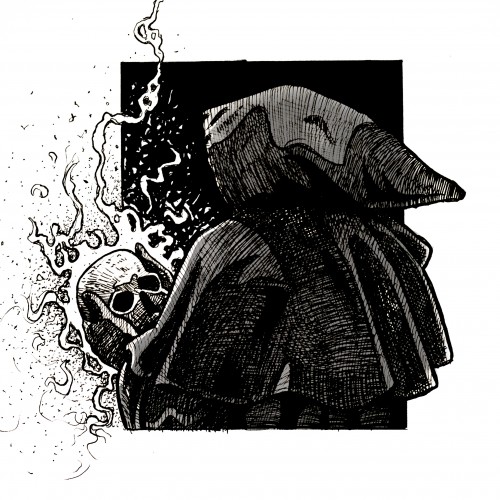
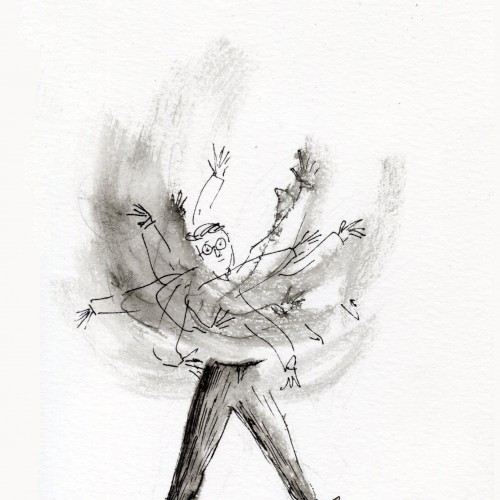
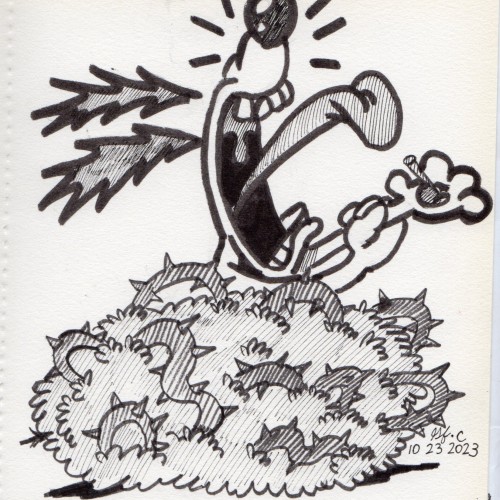
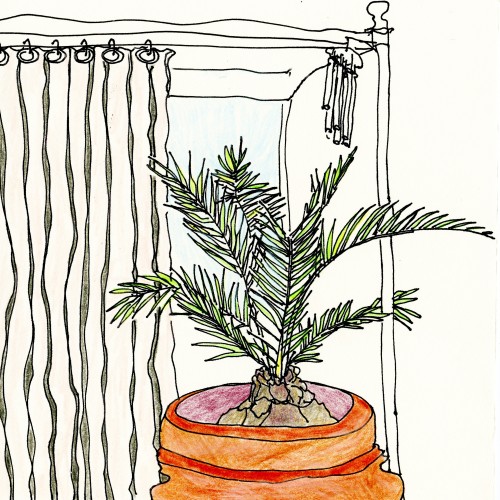
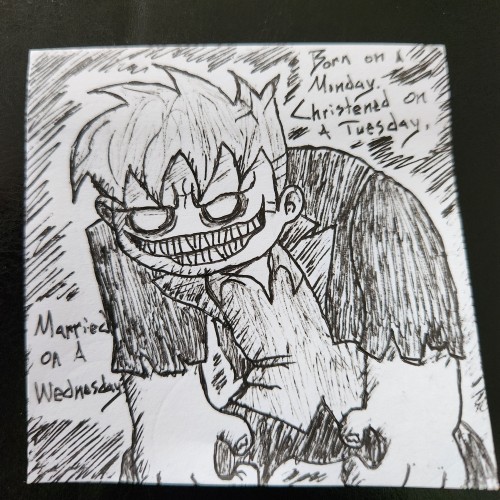
Shostakovich’s contemporaries do not recall seeing him working, at least not in the traditional sense. The Russian composer was able to conceptualize a new work entirely in his head, and then write it down with extreme rapidity—if uninterrupted, he could average twenty or thirty pages of score a day, making virtually no corrections as he went.
But this feat was apparently preceded by hours or days of mental composition—during which he “appeared to be a man of great inner tensions,” the musicologist Alexei Ikonnikov observed, “with his continually moving, ‘speaking’ hands, which were never at rest.”
Shostakovich himself was afraid that perhaps he worked too fast. “I worry about the lightning speed with which I compose,” he confessed in a letter to a friend. Undoubtedly this is bad. One shouldn’t compose as quickly as I do. Composition is a serious process, and in the words of a ballerina friend of mine, “You can’t keep going at a gallop.” I compose with diabolical speed and can’t stop myself.… It is exhausting, rather unpleasant, and at the end of the day you lack any confidence in the result. But I can’t rid myself of the bad habit.
- From Daily Rituals: How Artists Work by Mason Currey
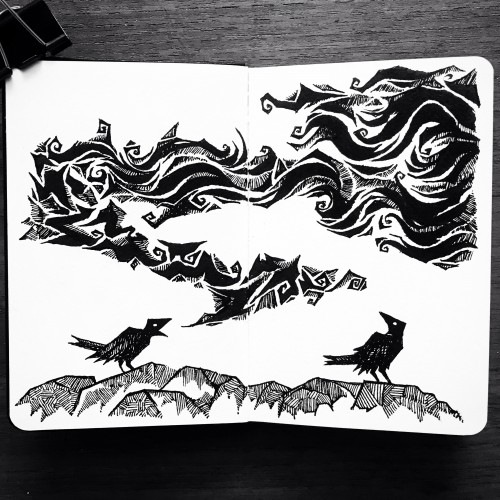
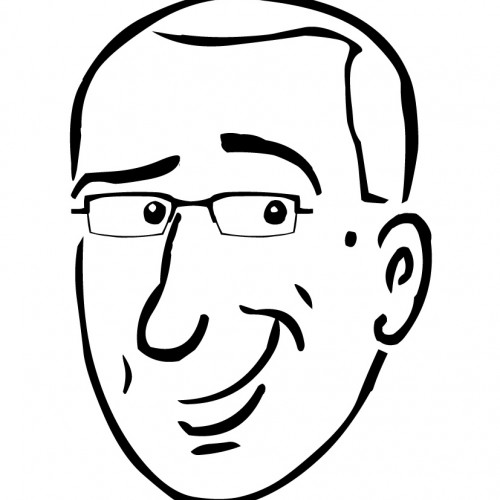
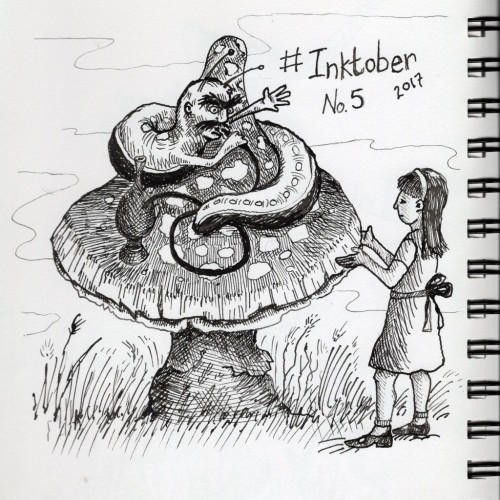
#dailyrituals #inktober #shostakovich @masoncurrey
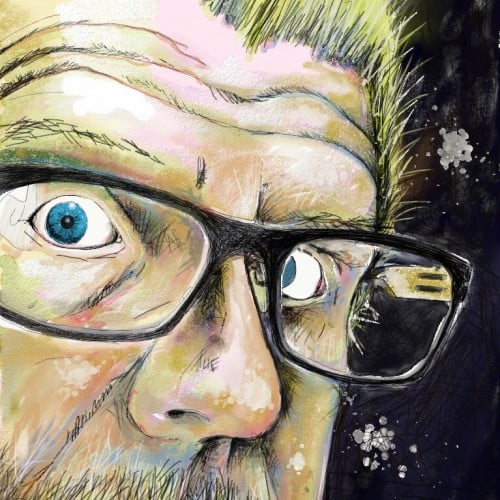
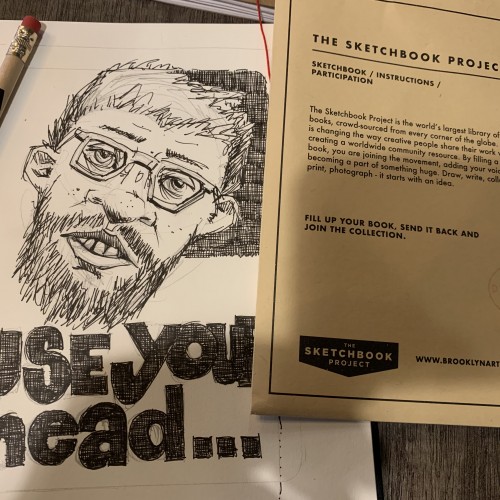
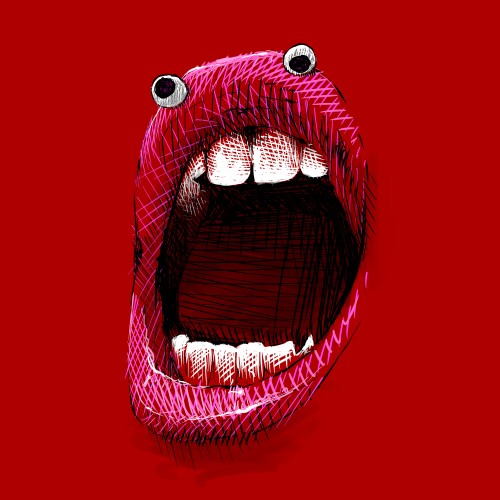
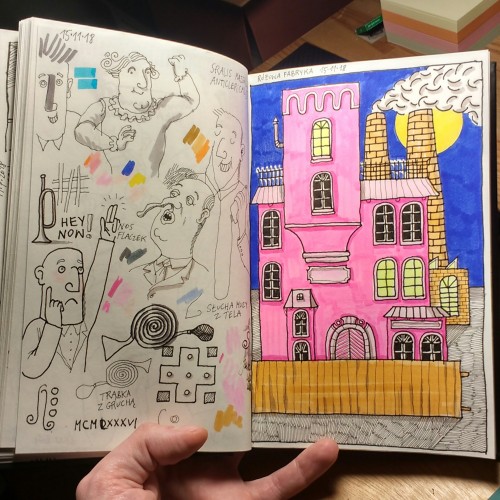
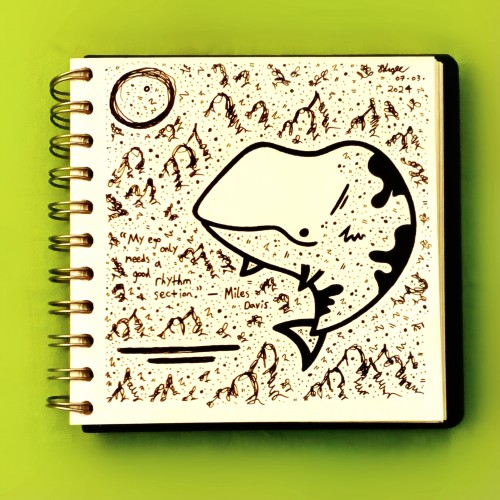
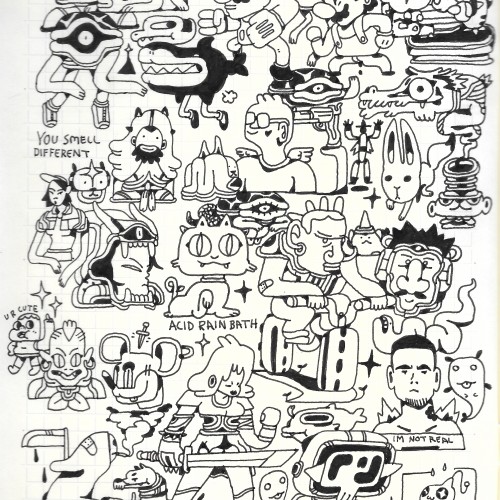
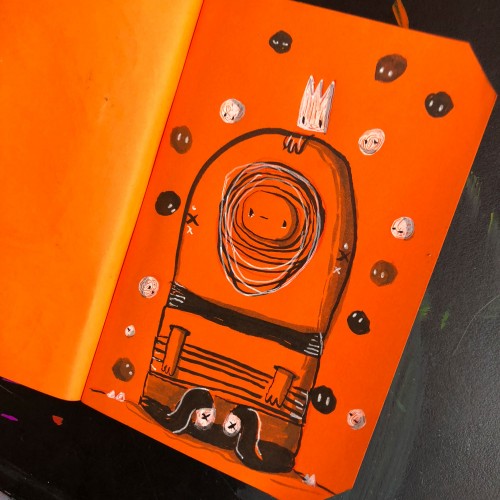
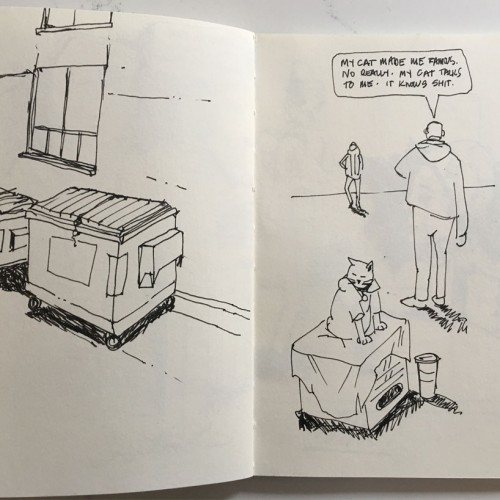
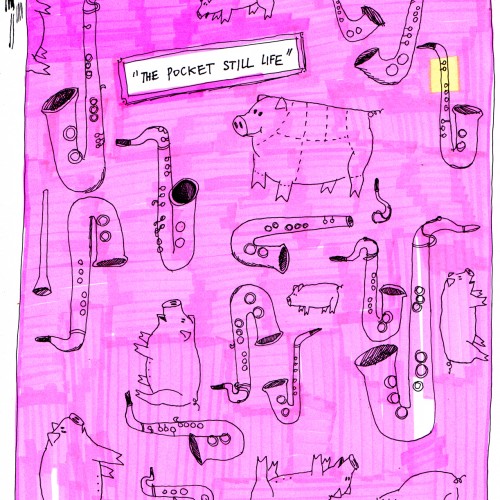
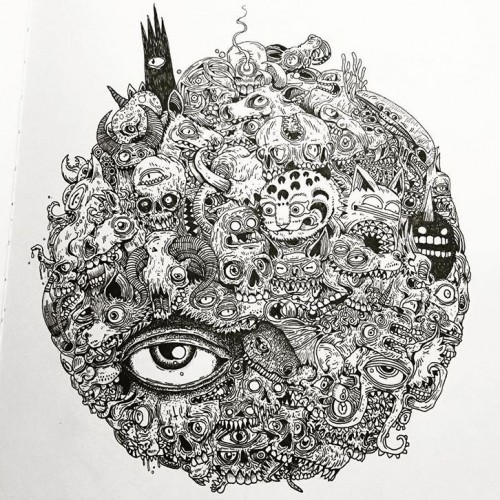
In wanting to get active with my fellow doodler community, I wanted to stop in and introduce myself. My name is Dalton Stark, I live in Texas, and i'm a doodle addict, and an advocate for the possibility of anything. For me, doodling is my purest state of being human. My sketchbooks are a very sacred place for me to practice this expressive and arcane form of imagination meditation, which I'm always trying to find more excuses to spend more time in. It is to me, all about intuition, making discoveries, surprising yourself, having fun and maybe even making yourself and others smile or laugh sometimes. I look forward to being a part of this beautiful inky ecosystem with y'all, here are some very secret sketchbook spreads.