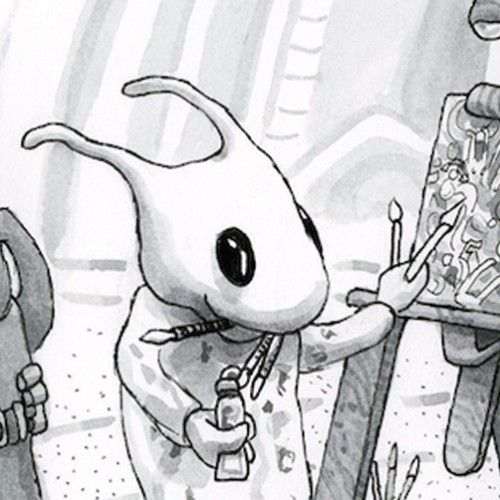
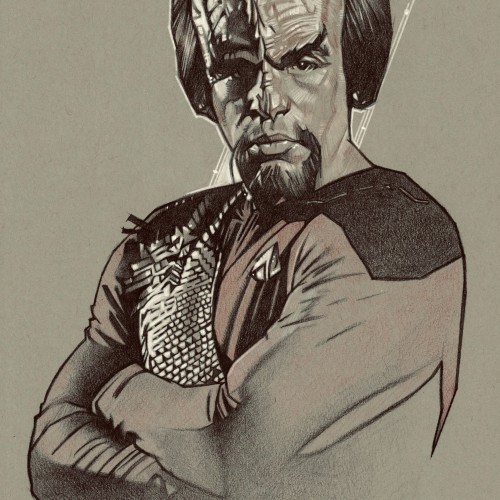
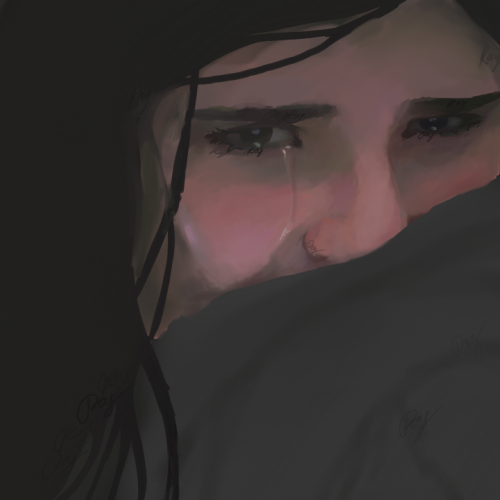
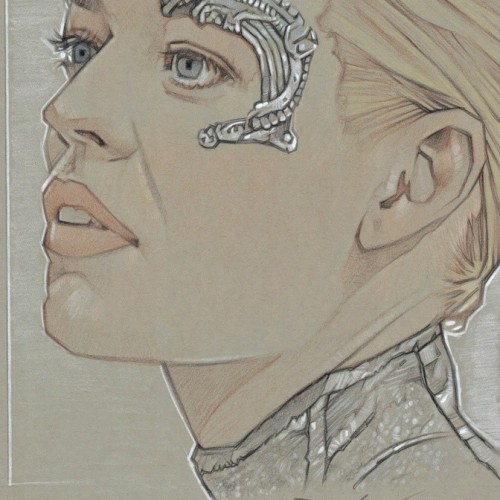
*Ps:not my bestest work at all! even I took 7 days aka 1 week on this and I liked finished ver better then inked ver!* (inked is messer lol)*
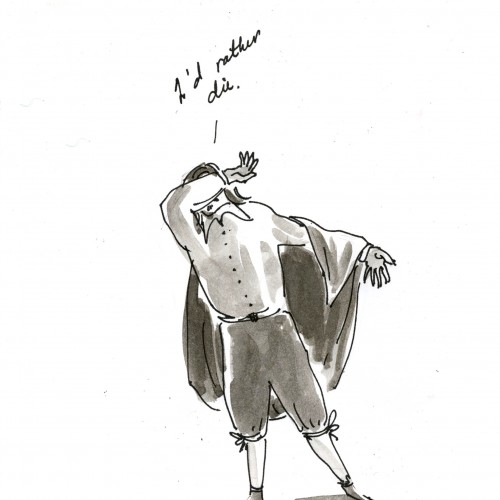
The characters in my drawing
René Descartes (1596–1650)
Descartes was a late riser. The French philosopher liked to sleep until mid-morning, then linger in bed, thinking and writing, until 11:00 or so.
His comfortable bachelor’s life ended abruptly in late 1649, Descartes accepted a position in the court of Queen Christina of Sweden.
Descartes accepted a position in the court of Queen Christina of Sweden,Arriving in Sweden, in time for one of the coldest winters in memory, Descartes was notified that his lessons to Queen Christina would take place in the mornings—beginning at 5:00 A.M. He had no choice but to obey. But the early hours and bitter cold were too much for him. After only a month on the new schedule, Descartes fell ill, apparently of pneumonia; ten days later he was dead.
- From Daily Rituals: How Artists Work by Mason Currey
“Dubito, ergo cogito, ergo sum.
(English: "I doubt, therefore I think, therefore I am")”
― Rene Descartes
#dailyrituals #inktober #reneDescartes @masoncurrey #wouldratherdiethangetupearly
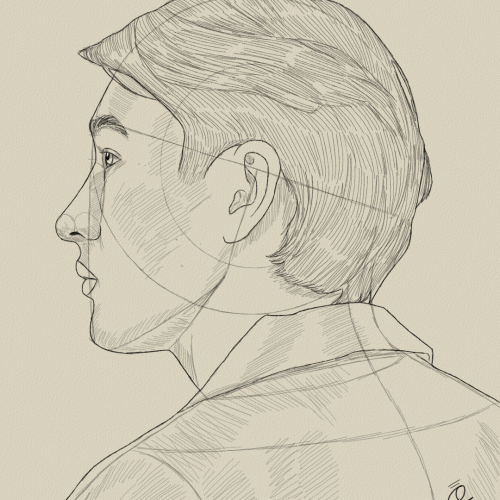
Model with Headphones Drawing Sketch Study by Oz Galeano
Instagram:
https://www.instagram.com/arte_ozgaleano/
Comissions:
https://www.fiverr.com/s/6WzyVL
Donations:
https://www.paypal.com/paypalme/ozgaleano
Youtube:
https://www.youtube.com/@OzGaleano?sub_confirmation=1
Patreon:
https://www.patreon.com/Ozgaleano
Shop:
https://www.inprnt.com/gallery/ozgaleano/
TIK TOK:
https://www.tiktok.com/@oz_galeano
Behance:
https://www.behance.net/ozgaleano
KO-FI:
https://ko-fi.com/ozgaleano/commissions
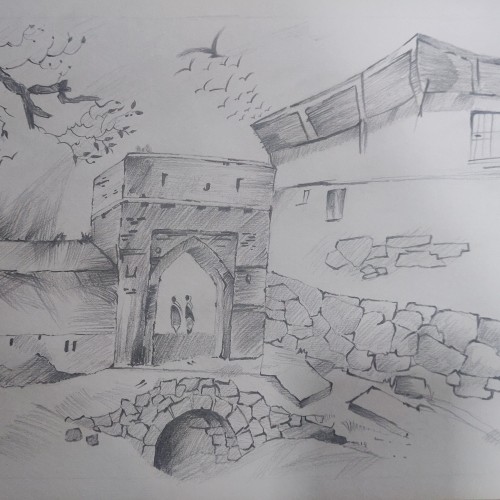
Draped in delicate pencil strokes, this artwork elegantly portrays a historic city gate, standing as a timeless sentry to myriad untold stories. Each shaded contour brings forth the intricate details of the gate's architecture, echoing the urban landscape of a bygone era. The deft use of monochrome evokes a nostalgic journey through the annals of time, where every shadow and highlight adds to the depth and texture of this piece. This mesmerizing blend of artistry and history invites viewers to step into the past and embrace the serene splendor of the city's storied gateway.
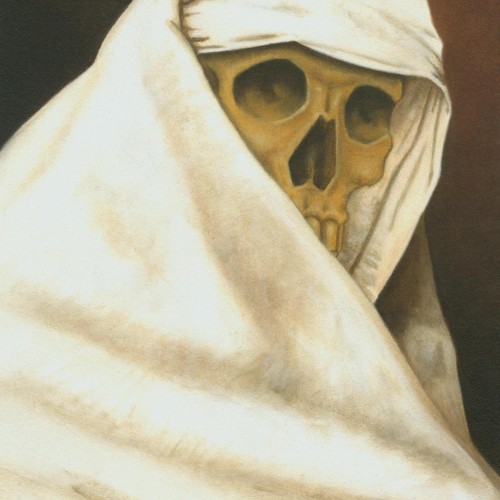
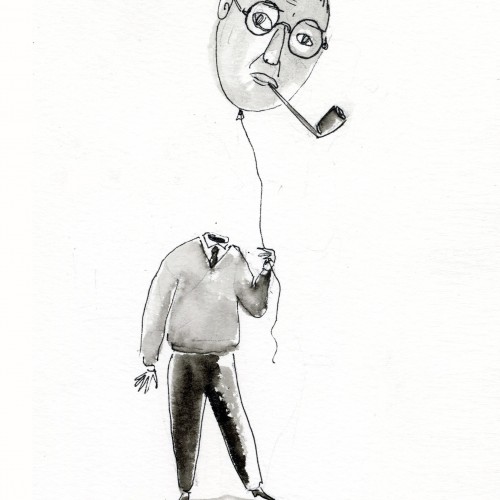
Jean-Paul Sartre (1905–1980)
By the 1950s, too much work on too little sleep—with too much wine and cigarettes—had left Sartre exhausted and on the verge of collapse. Rather than slow down, however, he turned to Corydrane, a mix of amphetamine and aspirin then fashionable among Parisian students, intellectuals, and artists (and legal in France until 1971, when it was declared toxic and taken off the market). The prescribed dose was one or two tablets in the morning and at noon. Sartre took twenty a day, beginning with his morning coffee and slowly chewing one pill after another as he worked. For each tablet, he could produce a page or two of his second major philosophical work, The Critique of Dialectical Reason.
The biographer Annie Cohen-Solal reports, “His diet over a period of twenty-four hours included two packs of cigarettes and several pipes stuffed with black tobacco, more than a quart of alcohol—wine, beer, vodka, whisky, and so on—two hundred milligrams of amphetamines, fifteen grams of aspirin, several grams of barbiturates, plus coffee, tea, rich meals.”
- From Daily Rituals: How Artists Work by Mason Currey
#dailyrituals #inktober #jeanPaulSartre @masoncurrey
Sketchbook #11.
Since the 100heads challenge was real tiresome for me, I devised myself another challenge - "50 heads". Basically it's a "100 heads challenge", but for lazy people) The rules are simple: I had to draw 10 two-page spreads of 5 heads, no time limit, no nothing. And I decided to use different materials for each spread.
Spread #1 - ballpoint pen (+ a little bit of watercolour) - NEMOPHILA.