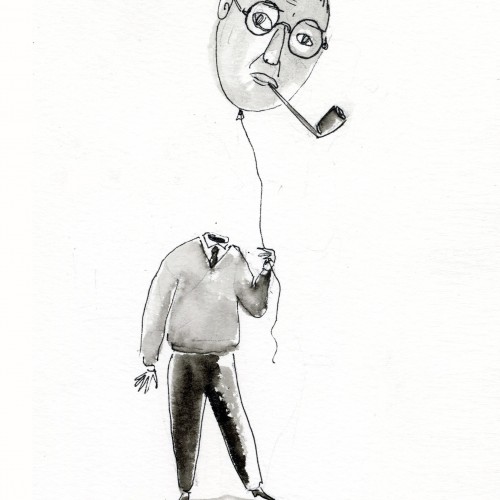
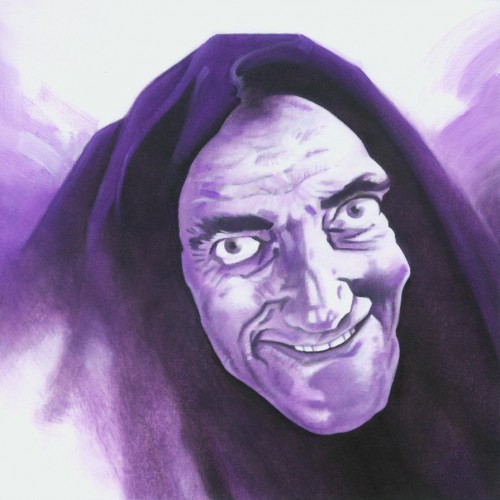
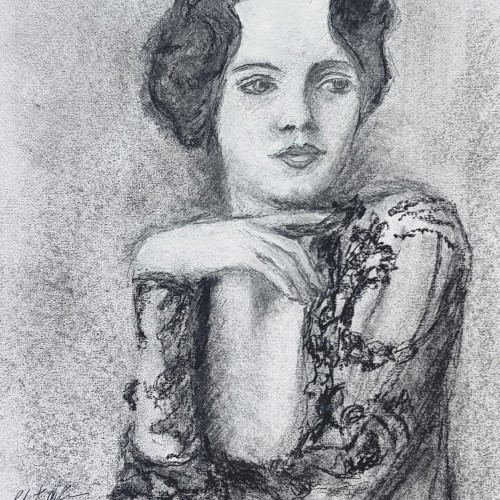
Jean-Paul Sartre (1905–1980)
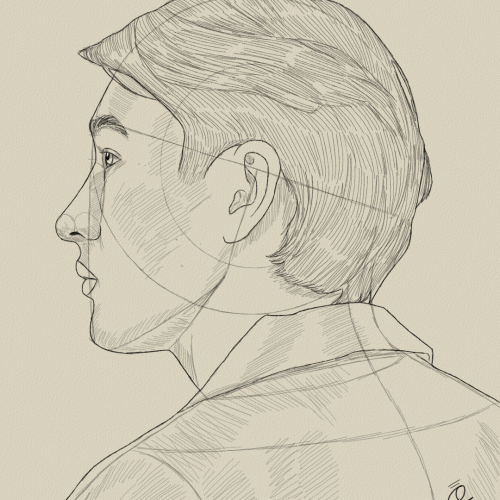
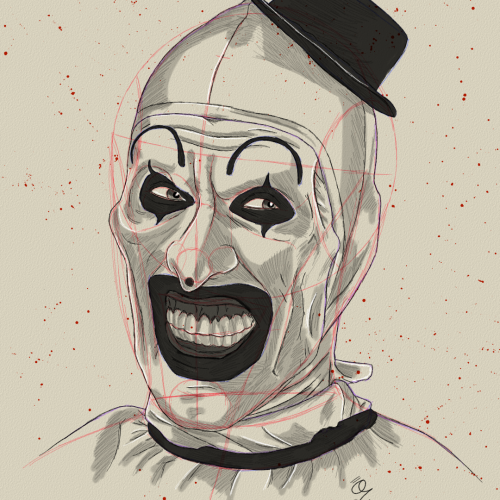
By the 1950s, too much work on too little sleep—with too much wine and cigarettes—had left Sartre exhausted and on the verge of collapse. Rather than slow down, however, he turned to Corydrane, a mix of amphetamine and aspirin then fashionable among Parisian students, intellectuals, and artists (and legal in France until 1971, when it was declared toxic and taken off the market). The prescribed dose was one or two tablets in the morning and at noon. Sartre took twenty a day, beginning with his morning coffee and slowly chewing one pill after another as he worked. For each tablet, he could produce a page or two of his second major philosophical work, The Critique of Dialectical Reason.
The biographer Annie Cohen-Solal reports, “His diet over a period of twenty-four hours included two packs of cigarettes and several pipes stuffed with black tobacco, more than a quart of alcohol—wine, beer, vodka, whisky, and so on—two hundred milligrams of amphetamines, fifteen grams of aspirin, several grams of barbiturates, plus coffee, tea, rich meals.”
- From Daily Rituals: How Artists Work by Mason Currey
#dailyrituals #inktober #jeanPaulSartre @masoncurrey
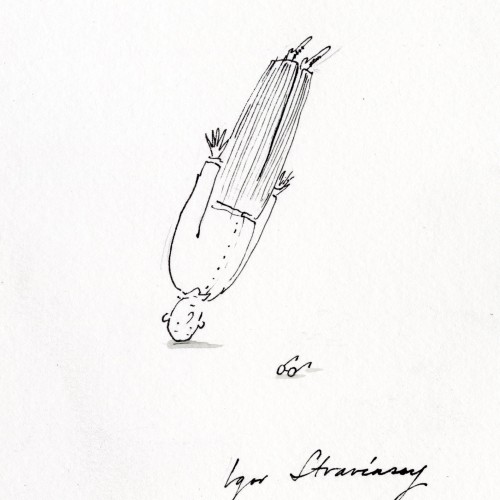
Igor Stravinsky (1882–1971)
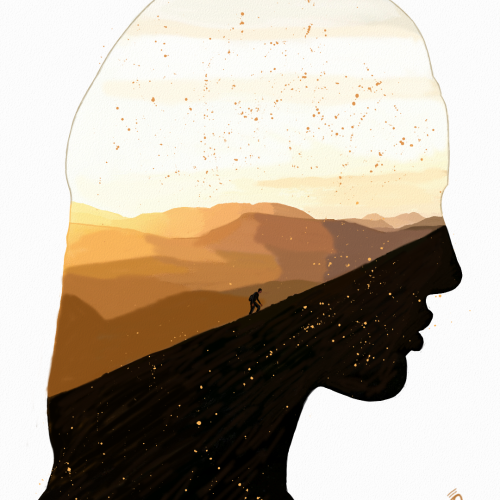
“I get up at about eight, do physical exercises, then work without a break from nine till one,” Stravinsky told an interviewer in 1924. Generally, three hours of composition were the most he could manage in a day, although he would do less demanding tasks—writing letters, copying scores, practicing the piano—in the afternoon.
Unless he was touring, Stravinsky worked on his compositions daily, with or without inspiration, he said. He required solitude for the task, and always closed the windows of his studio before he began: “I have never been able to compose unless sure that no one could hear me.” If he felt blocked, the composer might execute a brief headstand, which, he said, “rests the head and clears the brain.”
- From Daily Rituals: How Artists Work by Mason Currey
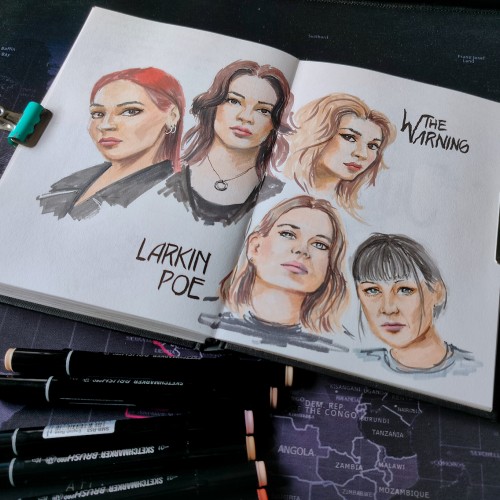
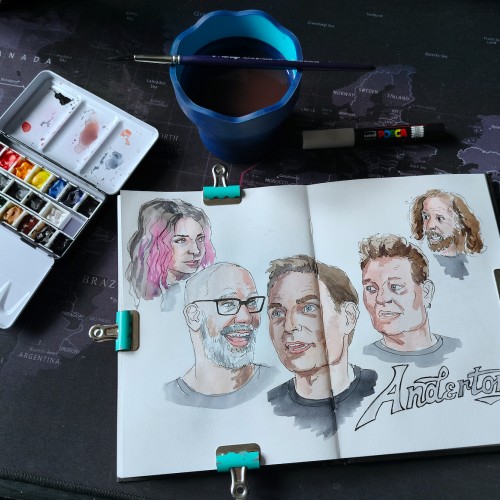
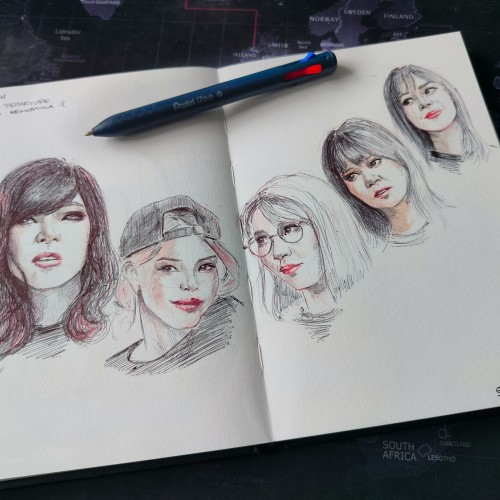
Sketchbook #11.
Since the 100heads challenge was real tiresome for me, I devised myself another challenge - "50 heads". Basically it's a "100 heads challenge", but for lazy people) The rules are simple: I had to draw 10 two-page spreads of 5 heads, no time limit, no nothing. And I decided to use different materials for each spread.
Spread #1 - ballpoint pen (+ a little bit of watercolour) - NEMOPHILA.
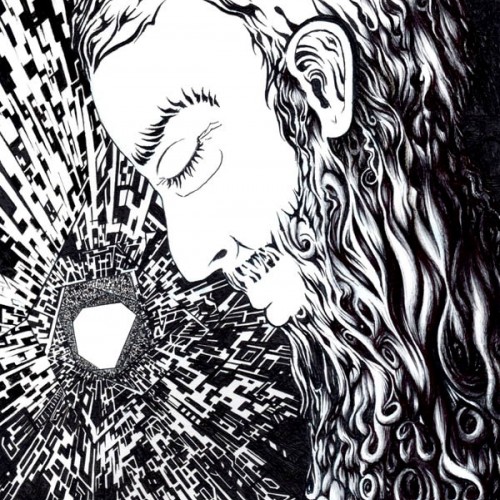
This black and white ink drawing portrays an aged man with a beard lost in deep contemplation within a futuristic spaceship setting. The subtle hints of sadness on his face are contrasted against the vastness of space, where the Milky Way is barely visible in the background. The artwork evokes feelings of isolation and reflection, inviting viewers to ponder the human experience amidst the cosmos.
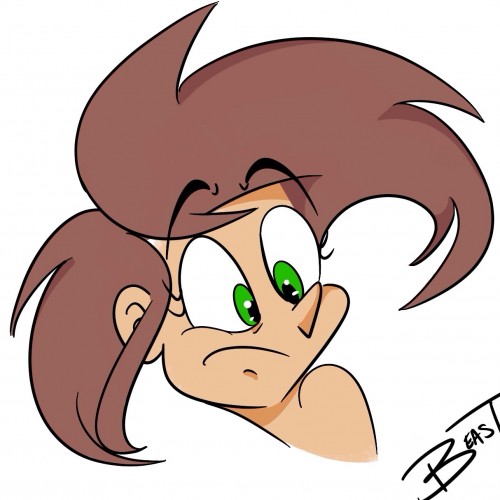
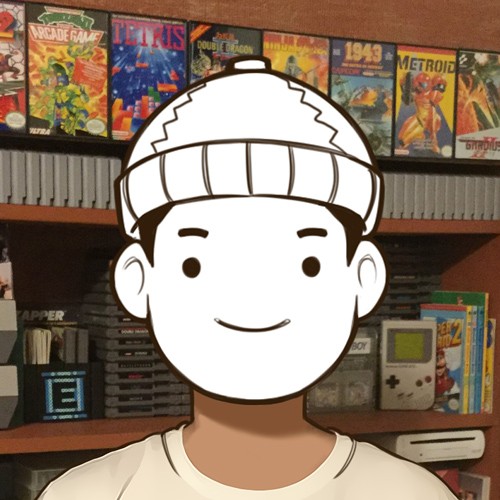
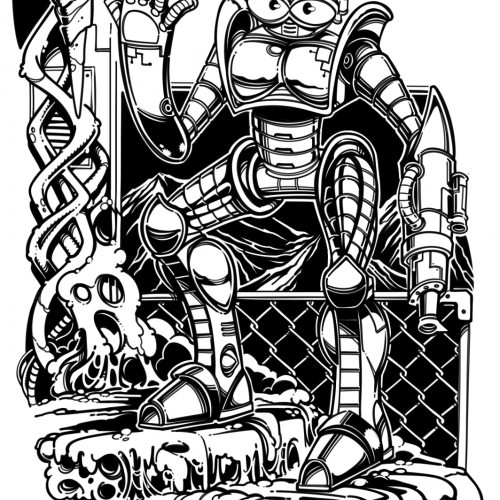
#21 B.o.B. (snes) fanart - This is just some Bob fan-art drawn on magma (dot) com using an iPad pro. B.o.B. is a run and gun platformer game on SNES that came out in 1993. I remember my next-door neighbor owned this game on super Nintendo but overall, the gameplay did not leave a good impression. The music is printed on my brain, but I don’t recommend giving the game a try. The box art was my only reference.
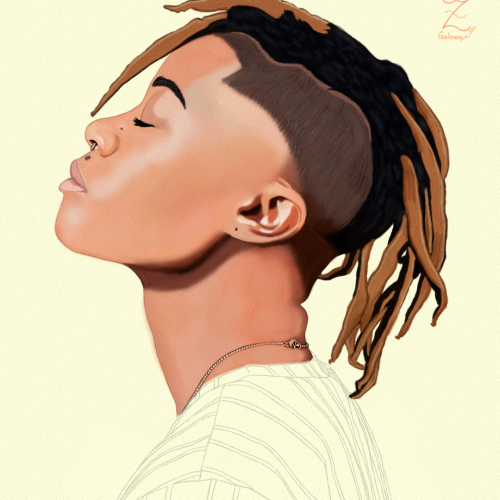
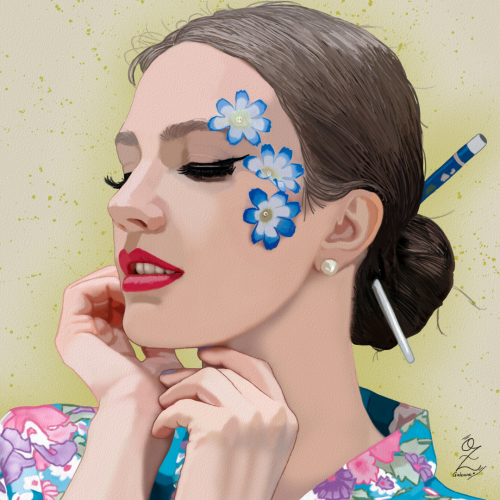
Model Portrait Art by Oz Galeano
Instagram:
https://www.instagram.com/arte_ozgaleano/
Comissions:
https://www.fiverr.com/s/6WzyVL
Donations:
https://www.paypal.com/paypalme/ozgaleano
Youtube:
https://www.youtube.com/@OzGaleano/videos
Patreon:
https://www.patreon.com/Ozgaleano
Shop:
https://www.inprnt.com/gallery/ozgaleano/
TIK TOK:
https://www.tiktok.com/@oz_galeano
Behance:
https://www.behance.net/ozgaleano
KO-FI:
https://ko-fi.com/ozgaleano/commissions