Sower and the Seed
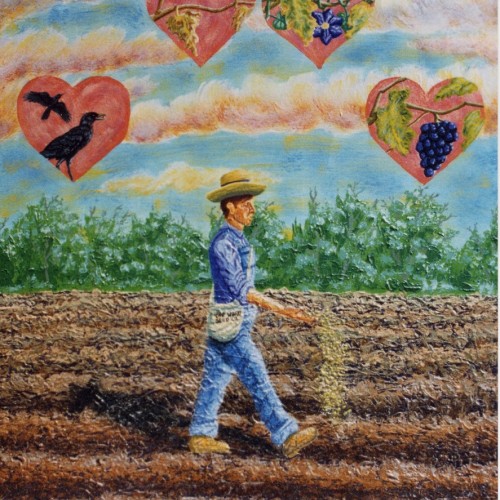
This painting illustrates the parable “The Sower and the Seed,” a teaching of Jesus
recorded in the book of Matthew chapter 13. The four hearts in the sky represent four
different responses of those who hear the Gospel message.
The heart on the lower left represents those who have heard the gospel but reject it.
The devil then comes and takes it away from their hearts. This is illustrated by the
crows flying away with the seed that fell on the road side.
The second heart on the upper left side of the sky represents those who receive the
gospel message with joy, but it doesn’t take root in their faith, and their faith is temporal, falling away when trials or affliction come their way because of the gospel. This
is illustrated by a grape vine withering away in the heat of the day due to a lack of a
deep root system.
The heart in the upper right corner of the sky represents those who received the gospel
and believe, but the worries of the world, and the deceitfulness of riches, choke the
word, and it becomes unfruitful. This is illustrated by the grapevine being choked out
by a purple, flower-bearing, climbing, strangling vine called, morning glory.
These vines produce pretty flowers, but they are an organic farmer’s enemy because
they will choke out his crops. I learned this firsthand in organic farming when I was a
missionary for a couple of summers.
The heart in the lower right corner of the sky represents those who hear, believe, and
are committed to living for the gospel, so they produce much fruit. This is illustrated
by a healthy, strong, fruit-bearing grapevine. The tilled field represents the world that
God has prepared to receive the Gospel message. The sower represents all Christians
that are commanded to go into the world and proclaim the gospel message. The seed
being thrown by the sower represents the gospel message going out to the world.
The seed bag has written on it, “The Word Seed Co.”
(October 28, 2017)
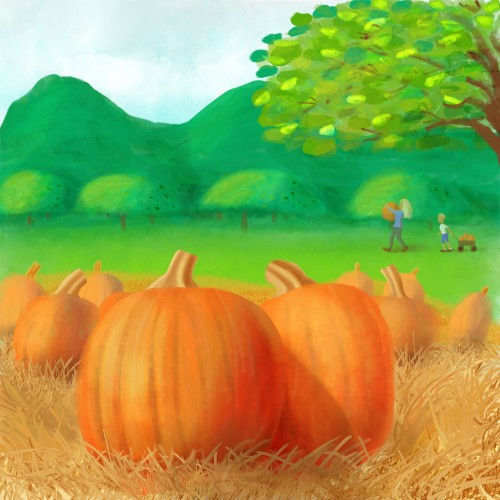
One of my favorite times of the year is Autumn. It’s a time that reminds me how blessed I am for the rich friendships I have in my life. It’s also a time I enjoy making new memories with relatives I have a deep emotional bond.
And for some reason, pumpkins symbolizes this wealth of love I have for these loved ones. Maybe because orange is a passionate color for me. Or maybe because the color orange is abundant during this season when warm a fuzzy feelings show up when I’m with my loved ones. This hue is in pumpkins, persimmons, hot apple cider beverages, cinnamon spice on pies or lattes, and the obvious autumn leaves.
But my focus for this illustration were big, fat pumpkins. I love hugging and squeezing them and feeling it’s cold flesh on my skin. I look forward to my next bite of pumpkin pie from our very good friend, Terry, who makes them very excellently!
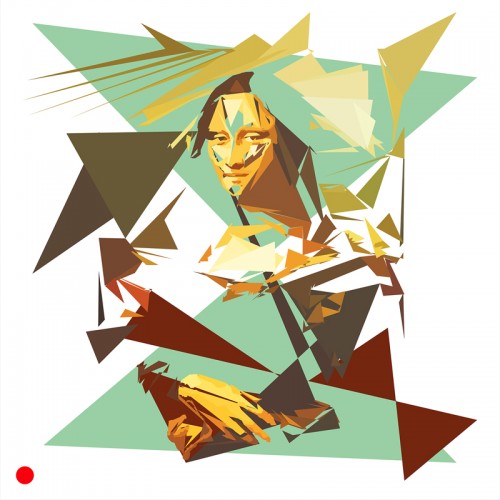
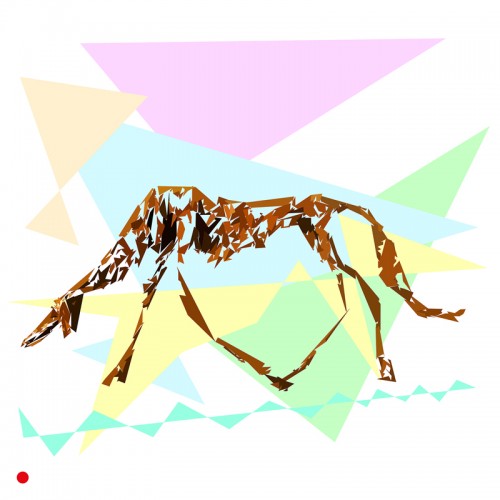
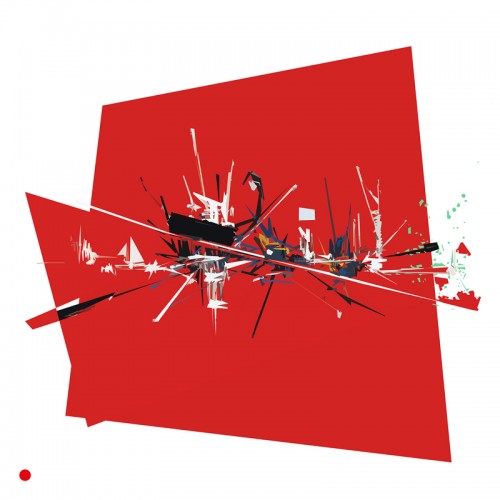
Français : L’Appropriationnisme ou le « Remake » est un concept simple. En effet, il suffit de reprendre le travail d’un artiste et signer la nouvelle production de son nom. Il ne s’agit, en aucun cas, de copier l’œuvre comme pourrait le faire un faussaire. Il ne s’agit pas non plus de plagier l’œuvre.
En ce qui me concerne, j’utilise l’œuvre célèbre d’un artiste reconnu. En réutilisant une œuvre originale préexistante et célèbre, condition sine qua non, je propose de rendre un hommage. Il ne s’agit en aucun cas d’un manque d’inspiration surtout lorsque l’on sait maintenant que : « l’art naît de l’art et non de la nature » : Ernst Gombrich.
Dans cette série, j’ai voulu revisiter des œuvres célèbres en utilisant ma technique graphique de l’éloge de l’approximation mettant en évidence la problématique de la défaillance et de la mémoire vaporeuse.
English: Appropriationism or Remake is a simple concept. Indeed, it is enough to take again the work of an artist and to sign the new production of his name. It is not a question of copying the work as a forger could do. It is not a question of plagiarizing the work.
As far as I'm concerned, I use the famous work of a recognized artist. By reusing a pre-existing and famous original work, condition sine qua non, I propose to pay tribute. It is by no means a lack of inspiration especially when we now know that: "art is born of art and not of nature": Ernst Gombrich.
In this series, I wanted to revisit famous works using my graphic technique of praising the approximation highlighting the problem of failure and vaporous memory.
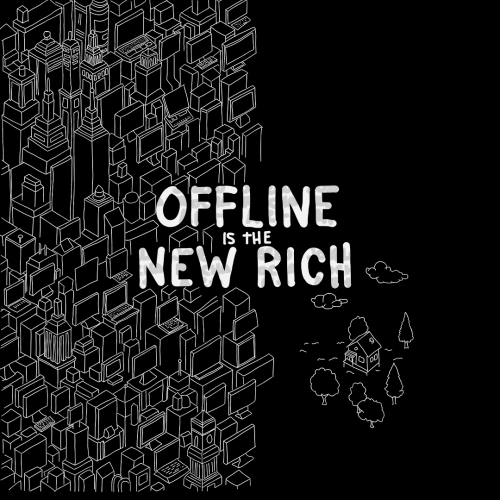
A dense cluster of geometric buildings sits beside the phrase "Offline is the New Rich" highlighting a contrast between urban and online life, and simplicity. To the right, a small house stands alone surrounded by trees and clouds.
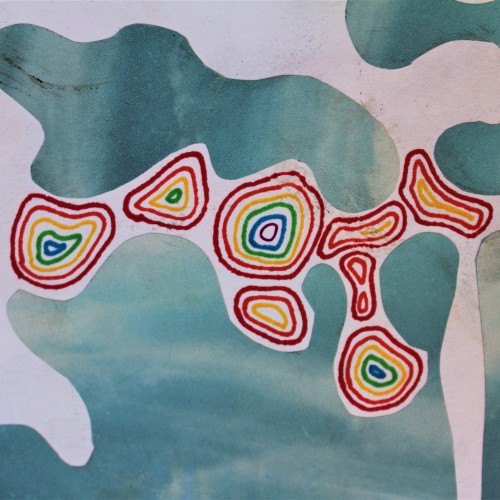
Embark on a journey through the mesmerizing world of our colorful rainbow artwork doodle drawing. This captivating creation is a vibrant symphony of hues that come together in harmonious chaos.
Every stroke of the pen is a burst of energy, every line a dance of colors that evoke emotions and spark imagination. From the rich reds that symbolize passion to the serene blues that whisper tranquility, each shade tells a story.
This artwork is a celebration of diversity, a reminder that beauty thrives in differences. It's a reminder of the positivity that radiates when we embrace the spectrum of life. The meticulous detailing and intricate patterns invite you to explore every nook and cranny, discovering hidden gems with each gaze.
Hang this masterpiece in your space, infuse your surroundings with its dynamic spirit. Let the vivid colors breathe life into your world, a testament to the joyful, vibrant, and kaleidoscopic nature of existence.
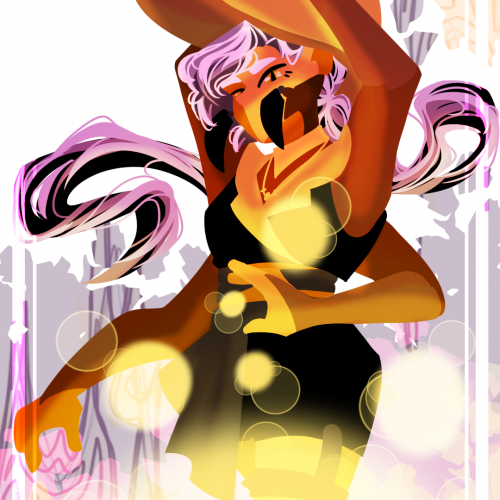
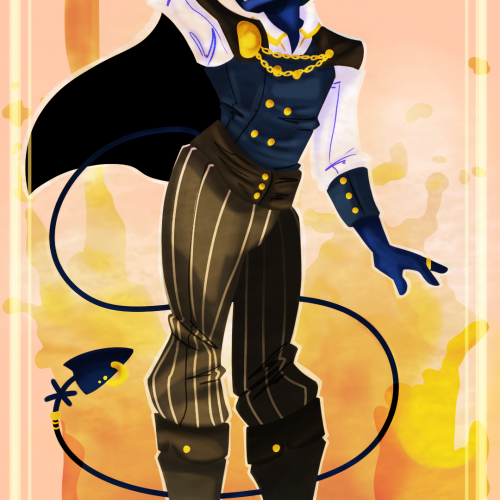
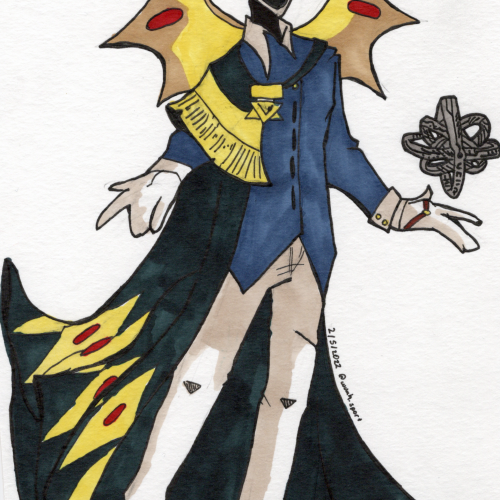
Well, technically. There's two who look extremely similar: the last one I colored is Aldrich, too, but all the others are Ulrich. If... I've even done Ulrich before.
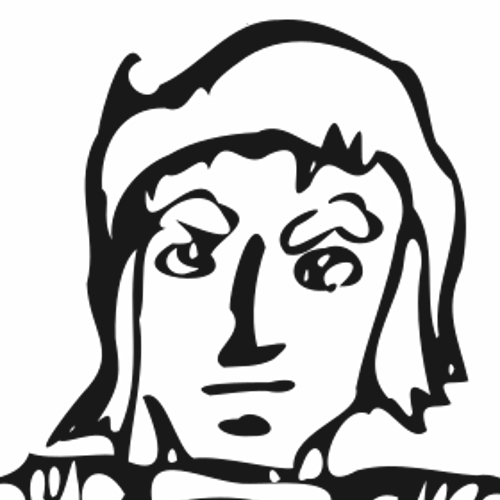
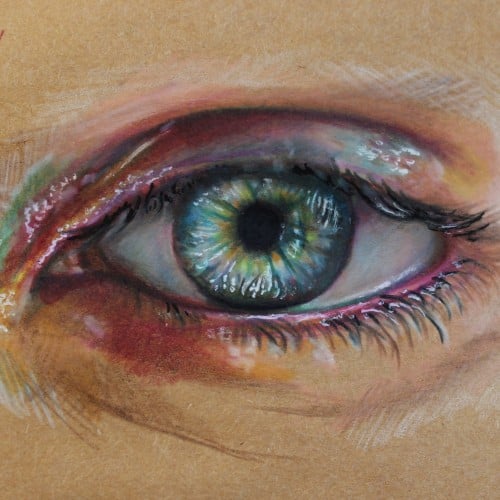
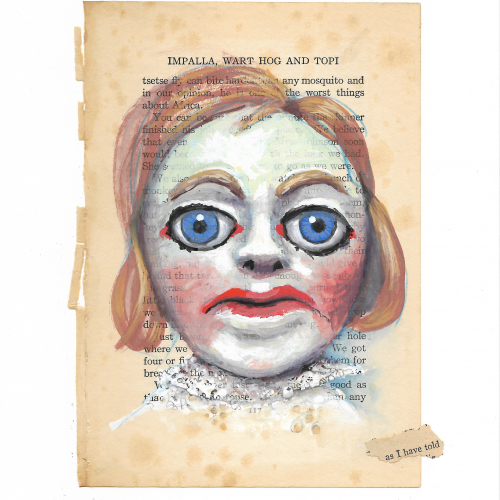
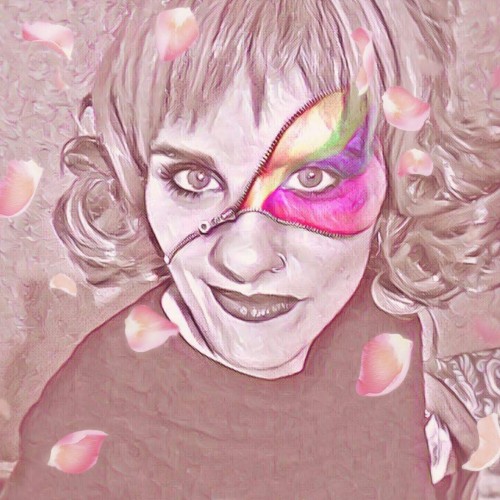
Impalla, Wart Hog and Topi is a strange painting of a young doll like female puppet head with large intimidating eyes. The scary doll head puppet looks like a frozen predator. Her expression almost ferrel but still oddly innocent at the same time. I chose the vintage storybook background based on the mottled rich tones of the paper itself and the fact that the title refers to prey and predators in Africa. It is an excerpt from an old African adventure story. I love the arresting expression and bright colours of this painting. She has great stopping power and evokes all kinds of emotions.
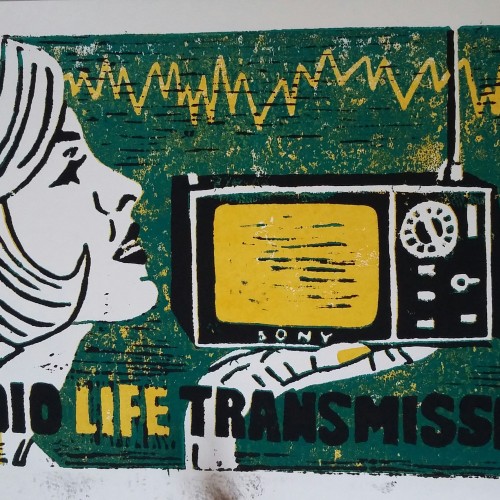
Starring Joy Division: Radio, Live Transmission (1979). Let me tell you a story about dancing to the radio to escape the day. About the feeling that "no language, just sound, that's all we need know, to synchronise". About media enriching your life. About media invading your life. Tricolor linoprint using one lino plate. July, 2020.
Français : L’Appropriationnisme ou le « Remake » est un concept simple. En effet, il suffit de reprendre le travail d’un artiste et signer la nouvelle production de son nom. Il ne s’agit, en aucun cas, de copier l’œuvre comme pourrait le faire un faussaire. Il ne s’agit pas non plus de plagier l’œuvre.
En ce qui me concerne, j’utilise l’œuvre célèbre d’un artiste reconnu. En réutilisant une œuvre originale préexistante et célèbre, condition sine qua non, je propose de rendre un hommage. Il ne s’agit en aucun cas d’un manque d’inspiration surtout lorsque l’on sait maintenant que : « l’art naît de l’art et non de la nature » : Ernst Gombrich.
Dans cette série, j’ai voulu revisiter des œuvres célèbres en utilisant ma technique graphique de l’éloge de l’approximation mettant en évidence la problématique de la défaillance et de la mémoire vaporeuse.
English: Appropriationism or Remake is a simple concept. Indeed, it is enough to take again the work of an artist and to sign the new production of his name. It is not a question of copying the work as a forger could do. It is not a question of plagiarizing the work.
As far as I'm concerned, I use the famous work of a recognized artist. By reusing a pre-existing and famous original work, condition sine qua non, I propose to pay tribute. It is by no means a lack of inspiration especially when we now know that: "art is born of art and not of nature": Ernst Gombrich.
In this series, I wanted to revisit famous works using my graphic technique of praising the approximation highlighting the problem of failure and vaporous memory.
https://www.pierretomyleboucher.fr
Français : L’Appropriationnisme ou le « Remake » est un concept simple. En effet, il suffit de reprendre le travail d’un artiste et signer la nouvelle production de son nom. Il ne s’agit, en aucun cas, de copier l’œuvre comme pourrait le faire un faussaire. Il ne s’agit pas non plus de plagier l’œuvre.
En ce qui me concerne, j’utilise l’œuvre célèbre d’un artiste reconnu. En réutilisant une œuvre originale préexistante et célèbre, condition sine qua non, je propose de rendre un hommage. Il ne s’agit en aucun cas d’un manque d’inspiration surtout lorsque l’on sait maintenant que : « l’art naît de l’art et non de la nature » : Ernst Gombrich.
Dans cette série, j’ai voulu revisiter des œuvres célèbres en utilisant ma technique graphique de l’éloge de l’approximation mettant en évidence la problématique de la défaillance et de la mémoire vaporeuse.
English: Appropriationism or Remake is a simple concept. Indeed, it is enough to take again the work of an artist and to sign the new production of his name. It is not a question of copying the work as a forger could do. It is not a question of plagiarizing the work.
As far as I'm concerned, I use the famous work of a recognized artist. By reusing a pre-existing and famous original work, condition sine qua non, I propose to pay tribute. It is by no means a lack of inspiration especially when we now know that: "art is born of art and not of nature": Ernst Gombrich.
In this series, I wanted to revisit famous works using my graphic technique of praising the approximation highlighting the problem of failure and vaporous memory.
https://www.pierretomyleboucher.fr
Français : L’Appropriationnisme ou le « Remake » est un concept simple. En effet, il suffit de reprendre le travail d’un artiste et signer la nouvelle production de son nom. Il ne s’agit, en aucun cas, de copier l’œuvre comme pourrait le faire un faussaire. Il ne s’agit pas non plus de plagier l’œuvre.
En ce qui me concerne, j’utilise l’œuvre célèbre d’un artiste reconnu. En réutilisant une œuvre originale préexistante et célèbre, condition sine qua non, je propose de rendre un hommage. Il ne s’agit en aucun cas d’un manque d’inspiration surtout lorsque l’on sait maintenant que : « l’art naît de l’art et non de la nature » : Ernst Gombrich.
Dans cette série, j’ai voulu revisiter des œuvres célèbres en utilisant ma technique graphique de l’éloge de l’approximation mettant en évidence la problématique de la défaillance et de la mémoire vaporeuse.
English: Appropriationism or Remake is a simple concept. Indeed, it is enough to take again the work of an artist and to sign the new production of his name. It is not a question of copying the work as a forger could do. It is not a question of plagiarizing the work.
As far as I'm concerned, I use the famous work of a recognized artist. By reusing a pre-existing and famous original work, condition sine qua non, I propose to pay tribute. It is by no means a lack of inspiration especially when we now know that: "art is born of art and not of nature": Ernst Gombrich.
In this series, I wanted to revisit famous works using my graphic technique of praising the approximation highlighting the problem of failure and vaporous memory.
https://www.pierretomyleboucher.fr
Français : L’Appropriationnisme ou le « Remake » est un concept simple. En effet, il suffit de reprendre le travail d’un artiste et signer la nouvelle production de son nom. Il ne s’agit, en aucun cas, de copier l’œuvre comme pourrait le faire un faussaire. Il ne s’agit pas non plus de plagier l’œuvre.
En ce qui me concerne, j’utilise l’œuvre célèbre d’un artiste reconnu. En réutilisant une œuvre originale préexistante et célèbre, condition sine qua non, je propose de rendre un hommage. Il ne s’agit en aucun cas d’un manque d’inspiration surtout lorsque l’on sait maintenant que : « l’art naît de l’art et non de la nature » : Ernst Gombrich.
Dans cette série, j’ai voulu revisiter des œuvres célèbres en utilisant ma technique graphique de l’éloge de l’approximation mettant en évidence la problématique de la défaillance et de la mémoire vaporeuse.
English: Appropriationism or Remake is a simple concept. Indeed, it is enough to take again the work of an artist and to sign the new production of his name. It is not a question of copying the work as a forger could do. It is not a question of plagiarizing the work.
As far as I'm concerned, I use the famous work of a recognized artist. By reusing a pre-existing and famous original work, condition sine qua non, I propose to pay tribute. It is by no means a lack of inspiration especially when we now know that: "art is born of art and not of nature": Ernst Gombrich.
In this series, I wanted to revisit famous works using my graphic technique of praising the approximation highlighting the problem of failure and vaporous memory.
Français : L’Appropriationnisme ou le « Remake » est un concept simple. En effet, il suffit de reprendre le travail d’un artiste et signer la nouvelle production de son nom. Il ne s’agit, en aucun cas, de copier l’œuvre comme pourrait le faire un faussaire. Il ne s’agit pas non plus de plagier l’œuvre.
En ce qui me concerne, j’utilise l’œuvre célèbre d’un artiste reconnu. En réutilisant une œuvre originale préexistante et célèbre, condition sine qua non, je propose de rendre un hommage. Il ne s’agit en aucun cas d’un manque d’inspiration surtout lorsque l’on sait maintenant que : « l’art naît de l’art et non de la nature » : Ernst Gombrich.
Dans cette série, j’ai voulu revisiter des œuvres célèbres en utilisant ma technique graphique de l’éloge de l’approximation mettant en évidence la problématique de la défaillance et de la mémoire vaporeuse.
English: Appropriationism or Remake is a simple concept. Indeed, it is enough to take again the work of an artist and to sign the new production of his name. It is not a question of copying the work as a forger could do. It is not a question of plagiarizing the work.
As far as I'm concerned, I use the famous work of a recognized artist. By reusing a pre-existing and famous original work, condition sine qua non, I propose to pay tribute. It is by no means a lack of inspiration especially when we now know that: "art is born of art and not of nature": Ernst Gombrich.
In this series, I wanted to revisit famous works using my graphic technique of praising the approximation highlighting the problem of failure and vaporous memory.
Français : L’Appropriationnisme ou le « Remake » est un concept simple. En effet, il suffit de reprendre le travail d’un artiste et signer la nouvelle production de son nom. Il ne s’agit, en aucun cas, de copier l’œuvre comme pourrait le faire un faussaire. Il ne s’agit pas non plus de plagier l’œuvre.
En ce qui me concerne, j’utilise l’œuvre célèbre d’un artiste reconnu. En réutilisant une œuvre originale préexistante et célèbre, condition sine qua non, je propose de rendre un hommage. Il ne s’agit en aucun cas d’un manque d’inspiration surtout lorsque l’on sait maintenant que : « l’art naît de l’art et non de la nature » : Ernst Gombrich.
Dans cette série, j’ai voulu revisiter des œuvres célèbres en utilisant ma technique graphique de l’éloge de l’approximation mettant en évidence la problématique de la défaillance et de la mémoire vaporeuse.
English: Appropriationism or Remake is a simple concept. Indeed, it is enough to take again the work of an artist and to sign the new production of his name. It is not a question of copying the work as a forger could do. It is not a question of plagiarizing the work.
As far as I'm concerned, I use the famous work of a recognized artist. By reusing a pre-existing and famous original work, condition sine qua non, I propose to pay tribute. It is by no means a lack of inspiration especially when we now know that: "art is born of art and not of nature": Ernst Gombrich.
In this series, I wanted to revisit famous works using my graphic technique of praising the approximation highlighting the problem of failure and vaporous memory
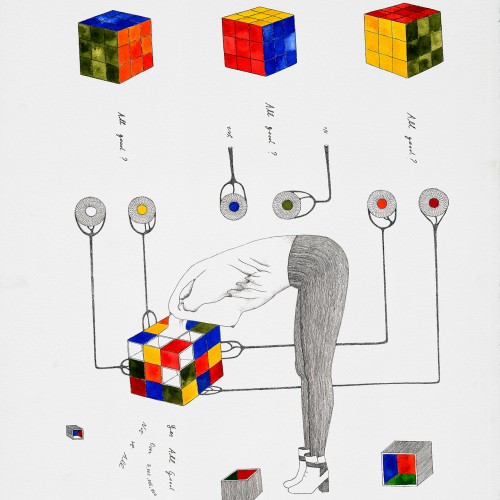
Final assemblage - manual drawing enriched with digital elements, A5 format
The punch line:
An external, independent force ruined the morning by shattering the cup.
Fate took its share.
The question is:
Does this same external interference have the power to destroy the rest of the day?
Does one rotten fruit have the chance to rob all the others of their flavor? The sun will shine no matter the situation.
Choice and acceptance don't have to be mutually exclusive!
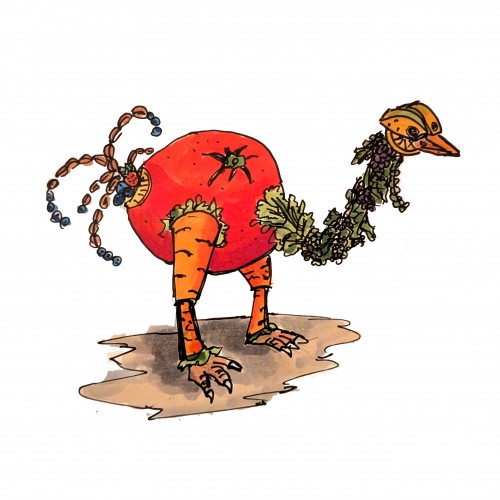
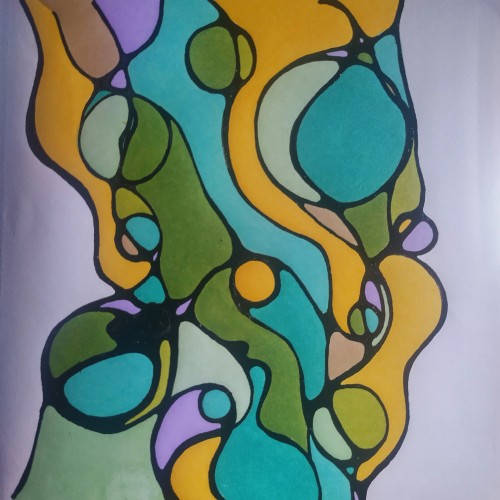
I just discovered Chartpak markers and am in love; they are truly awesome to work with. The colors are so rich and never streaky. So if you didn't guess, this was done using Chartpaks and a Gelly Roll Glaze Black pen.