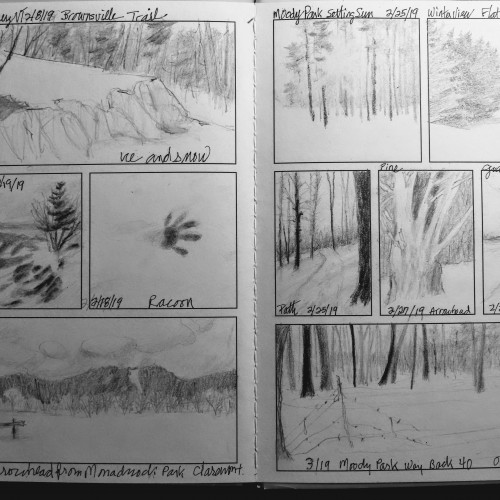
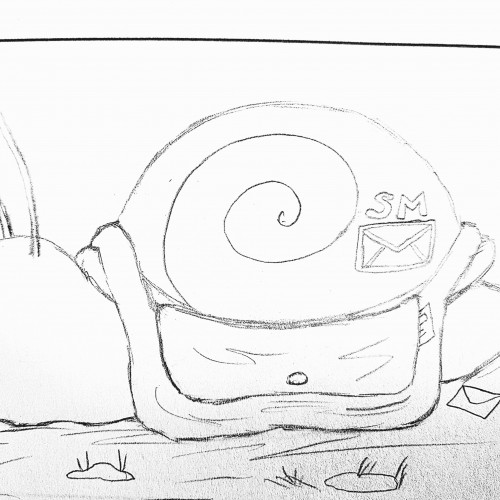
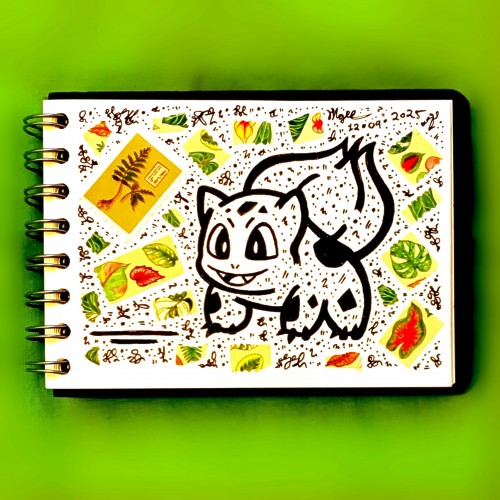
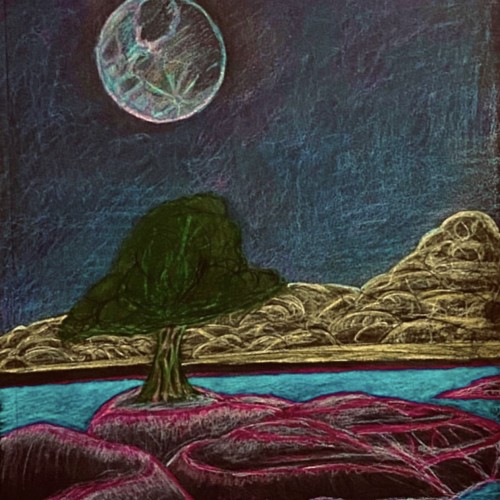
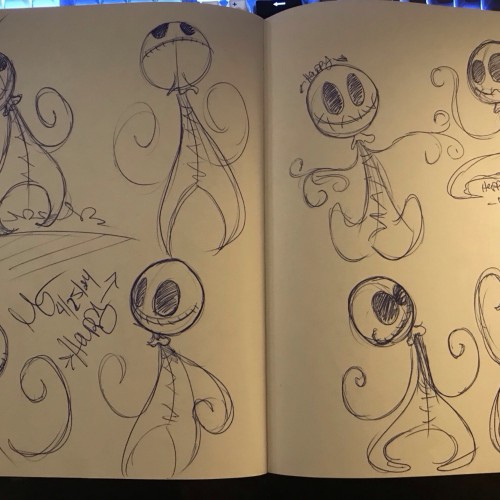
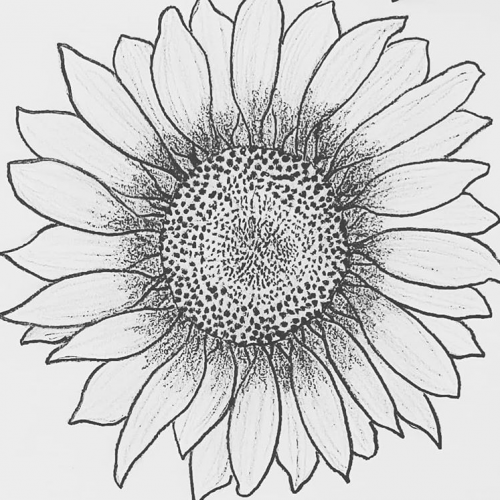
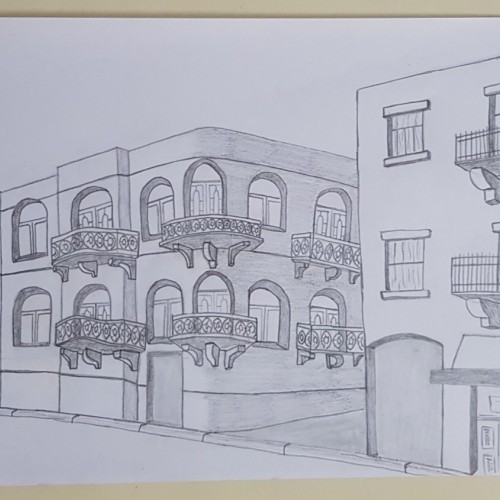
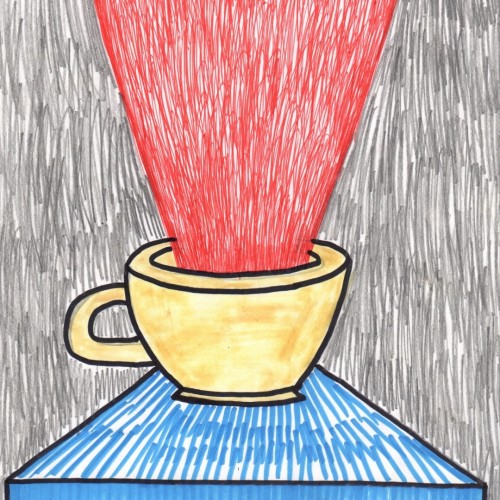
This little book had several tiny squares/rectangles per page. At first I didn't know how to fill it (2017). Eventually I sketched trees, scenes, birds, animals I'd seen during a days walk. It accidentally became a diary of seasons! Not all my art is nature sketching, I'm a watercolor artist as well. But line and pen drawing, halftone is what I've been up to for a while.
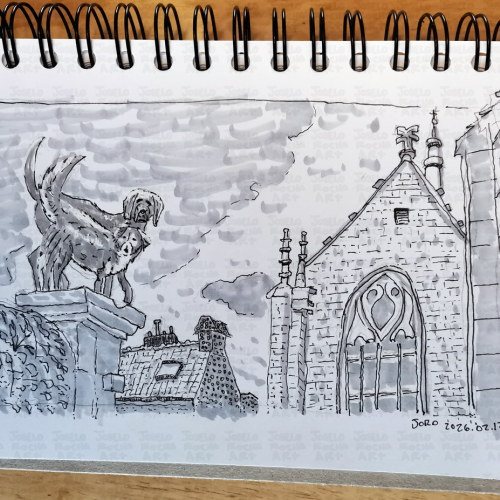
A detailed hand-drawn ink and wash illustration featuring two majestic dogs that look like statues perched above a historic gothic cathedral. This piece captures the timeless atmosphere of old European streets, blending architectural precision with the organic soul of a loyal companion cast in stone. Perfect for fans of urban sketching, dark academia, and classical monument art.
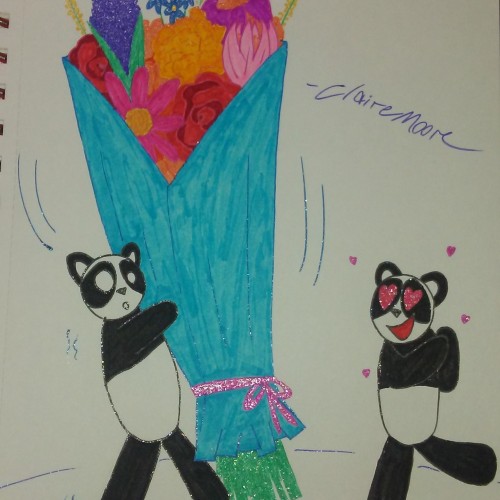
This is an adorable picture of a panda giving another panda a giant bouquet of flowers. The drawing was sketched with pencil, outlined with glitter pens, and mostly filled in with brush pens. Some details were filled in with the glitter pens also. Getting the flowers to look nice was not easy, but I think I just got away with it. Hope you enjoy the cute pair.
Sketchbook #11.
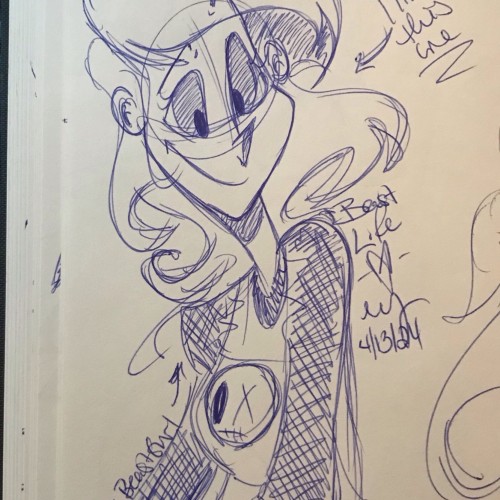
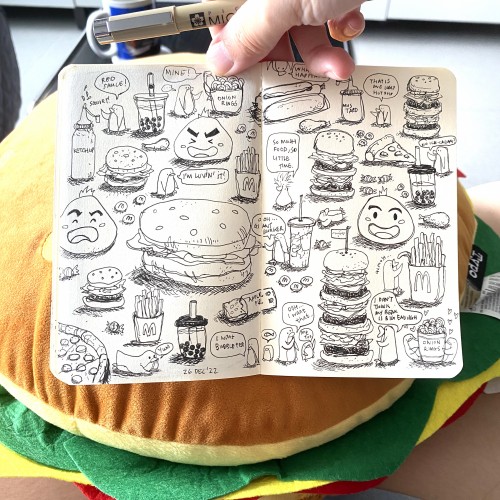
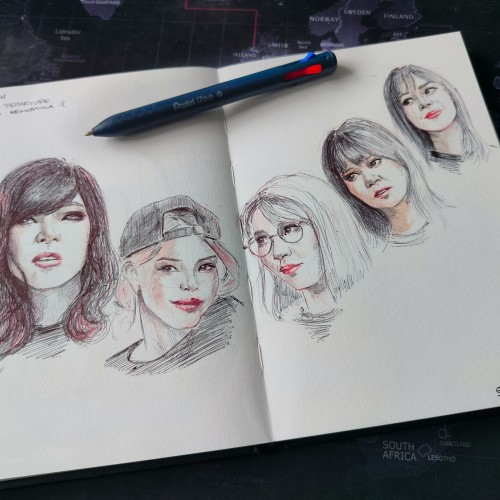
Since the 100heads challenge was real tiresome for me, I devised myself another challenge - "50 heads". Basically it's a "100 heads challenge", but for lazy people) The rules are simple: I had to draw 10 two-page spreads of 5 heads, no time limit, no nothing. And I decided to use different materials for each spread.
Spread #1 - ballpoint pen (+ a little bit of watercolour) - NEMOPHILA.
Finding your own art style is a loooong process...
But I've made the first steps, I think. I found my colors.
What was your beginning in this process?
--
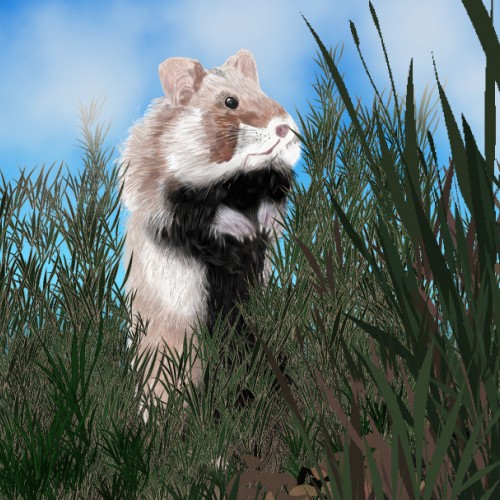
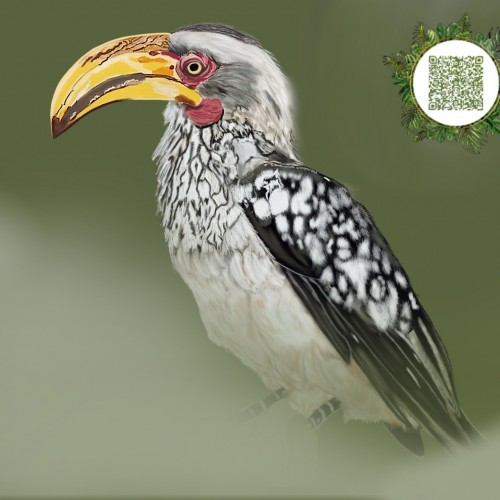
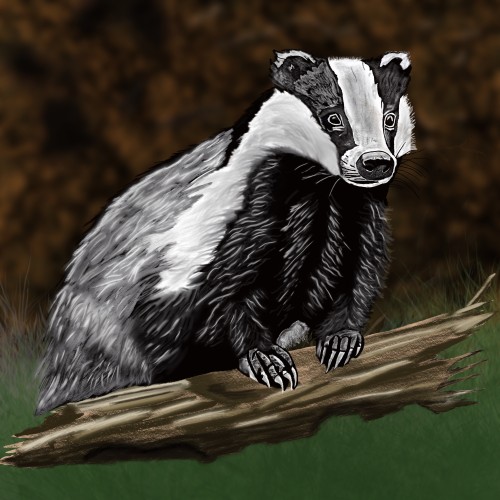
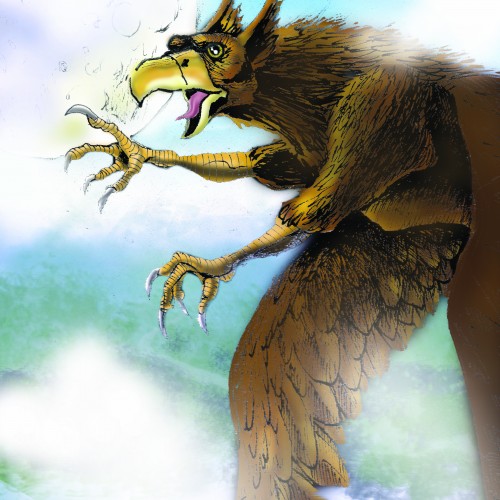
Digital painting created in Krita.
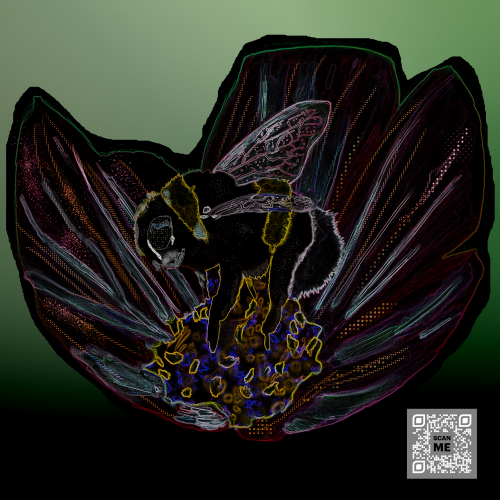
Flight of the bumblebee The lifecycle begins in spring, when rising temperatures awaken a queen bumblebee that has been hibernating alone in the soil. The queen will have spent the entire winter underground, using up reserves of energy stored as fat in her body. When she first emerges, she feeds on flowers, drinking nectar to gain energy. She will then begin to search for a suitable nest site. Frequent nesting sites include holes in the ground, tussocky grass, bird boxes and under garden sheds.