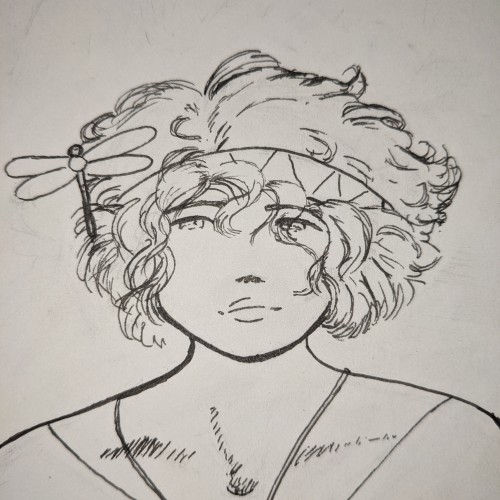
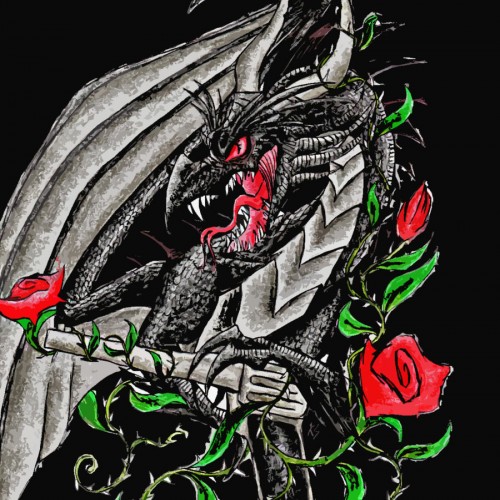
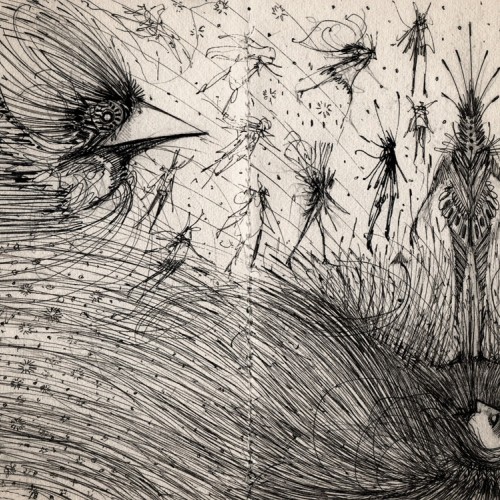
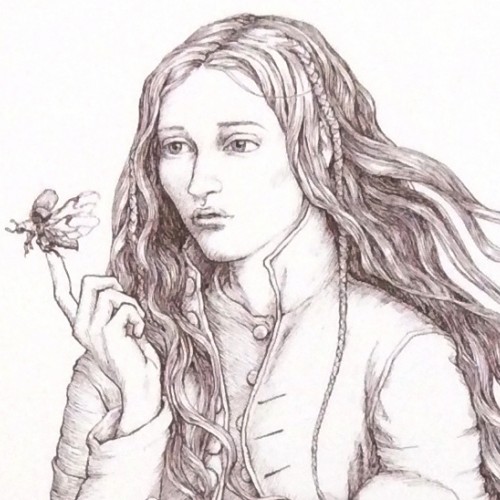
Posted the sketch of this earlier, but I thought the ink looked nicer, so here you are! I love dragonflies. Deadly hunters, slaughtering their prey without mercy, yet beguiling enough to somehow convince humans they are harmless as butterflies. They have their own sort of deadly, sleek beauty.
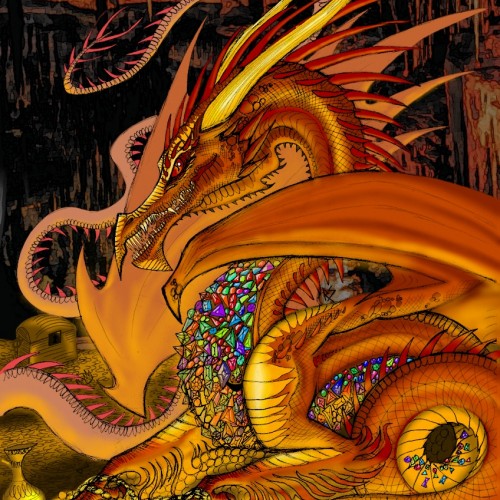
My vision of the character ‘Smaug’ from J.R.R. Tolkien’s ‘The Hobbit’.
Pencil sketch, coloured digitally on IbisPaint X.
Here is a passage from The Hobbit describing Smaug’s appearance: “There he lay, a vast red-golden dragon, fast asleep; thrumming came from his jaws and nostrils, and wisps of smoke, but his fires were low in slumber. Beneath him, under all his limbs and his huge coiled tail, and about him on all sides stretching away across the unseen floors, lay countless piles of precious things, gold wrought and unwrought, gems and jewels, and silver red-stained in the ruddy light. Smaug lay, with wings folded like an immeasurable bat, turned partly on one side, so that the hobbit could see his underparts and his long pale belly crusted with gems and fragments of gold from his long lying on his costly bed.”
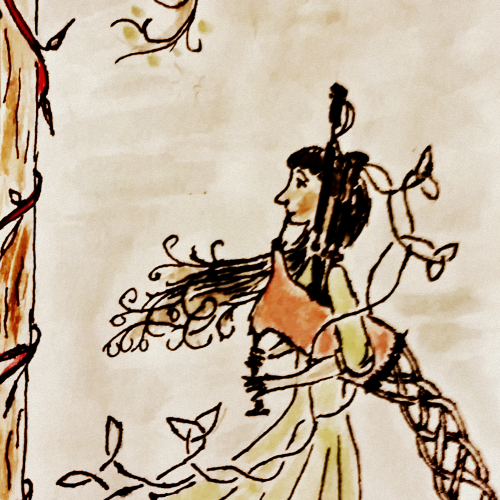
Don’t get caught here unawares… I don’t suggest you take the stairs. The treasure that this castle keeps, deep beneath the water sleeps. But if you’re patient with the tides, there’s another path it hides. Quickly now! Find the door! and hurry back onto the shore. For the moon, she will not wait to turn the tide and flood the gate. Don’t get caught here unawares… I don’t suggest you take the stairs.
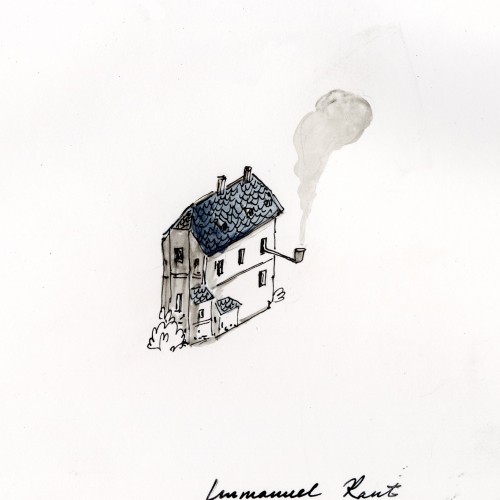
Immanuel Kant (1724–1804)
Kant’s biography is unusually devoid of external events.
As Heinrich Heine wrote: The history of Kant’s life is difficult to describe. For he neither had a life nor a history.
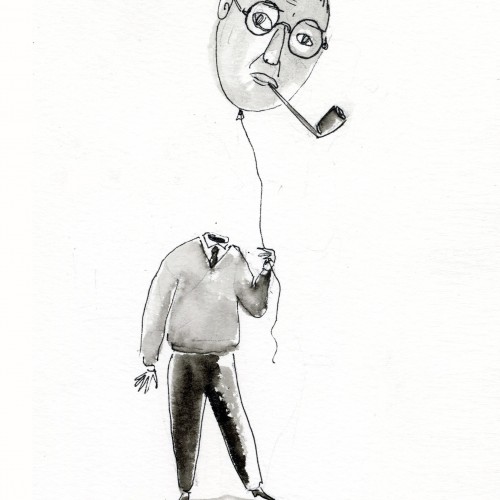
In actual fact, as Manfred Kuehn argues in his 2001 biography, Kant’s life was not quite as abstract and passionless as Heine and others have supposed…. If he failed to live a more adventurous life, it was largely due to his health: the philosopher had a congenital skeletal defect that caused him to develop an abnormally small chest, which compressed his heart and lungs and contributed to a generally delicate constitution. In order to prolong his life with the condition—and in an effort to quell the mental anguish caused by his lifelong hypochondria—Kant adopted what he called “a certain uniformity in the way of living and in the matters about which I employ my mind.”
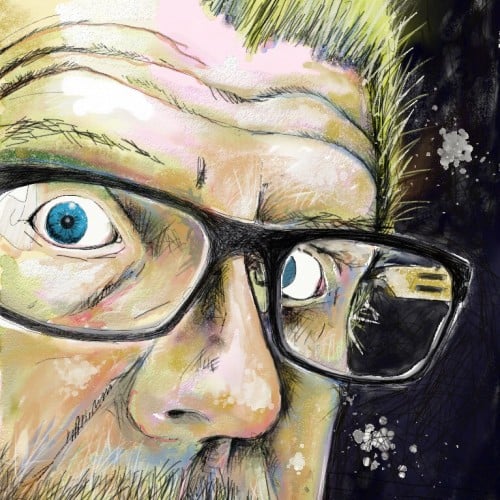
This routine was as follows: Kant rose at 5:00 A.M., after being woken by his longtime servant, a retired soldier under explicit orders not to let the master oversleep. Then he drank one or two cups of weak tea and smoked his pipe. According to Kuehn, “Kant had formulated the maxim for himself that he would smoke only one pipe, but it is reported that the bowls of his pipes increased considerably in size as the years went on.”
- From Daily Rituals: How Artists Work by Mason Currey
#dailyrituals #inktober #ImmanuelKant @masoncurrey
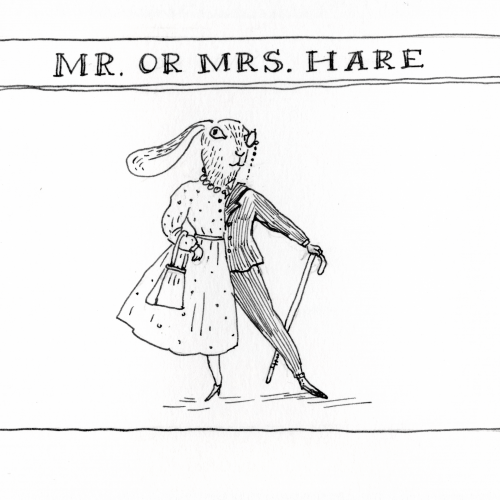
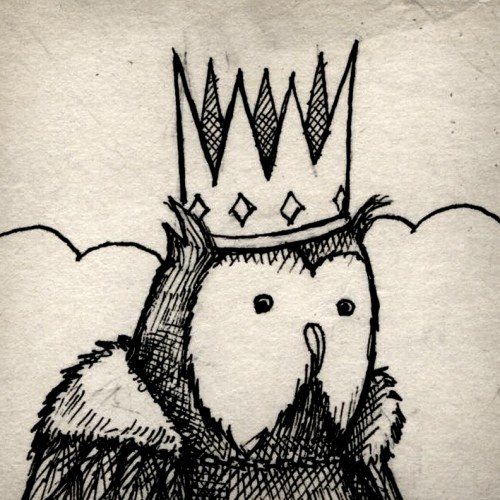
Superstition : Hare.
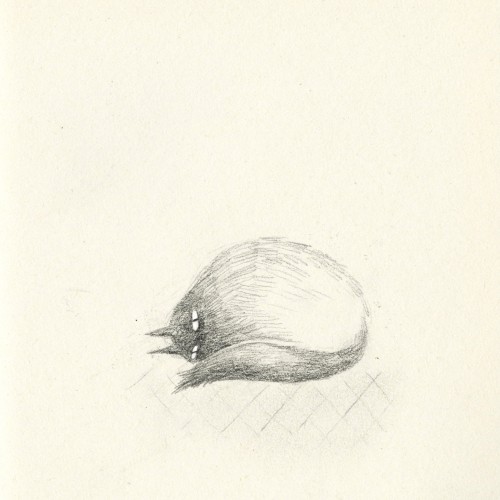
Two extraordinary beliefs about the hare which are still repeated though no longer held, are that it is so timid that it never closes its eyes, even in sleep; and that once a year the creatures change their sex!
From "A DICTIONARY OF OMENS AND SUPERSTITIONS" by Philippa Waring. https://www.instagram.com/p/CDED3E7BKu4/?utm_source=ig_web_copy_link
Jean-Paul Sartre (1905–1980)
By the 1950s, too much work on too little sleep—with too much wine and cigarettes—had left Sartre exhausted and on the verge of collapse. Rather than slow down, however, he turned to Corydrane, a mix of amphetamine and aspirin then fashionable among Parisian students, intellectuals, and artists (and legal in France until 1971, when it was declared toxic and taken off the market). The prescribed dose was one or two tablets in the morning and at noon. Sartre took twenty a day, beginning with his morning coffee and slowly chewing one pill after another as he worked. For each tablet, he could produce a page or two of his second major philosophical work, The Critique of Dialectical Reason.
The biographer Annie Cohen-Solal reports, “His diet over a period of twenty-four hours included two packs of cigarettes and several pipes stuffed with black tobacco, more than a quart of alcohol—wine, beer, vodka, whisky, and so on—two hundred milligrams of amphetamines, fifteen grams of aspirin, several grams of barbiturates, plus coffee, tea, rich meals.”
- From Daily Rituals: How Artists Work by Mason Currey
#dailyrituals #inktober #jeanPaulSartre @masoncurrey
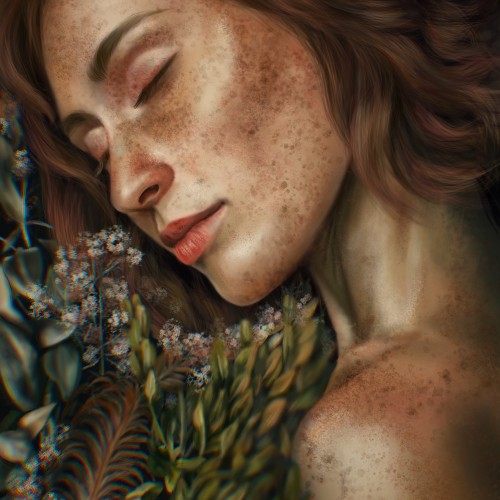
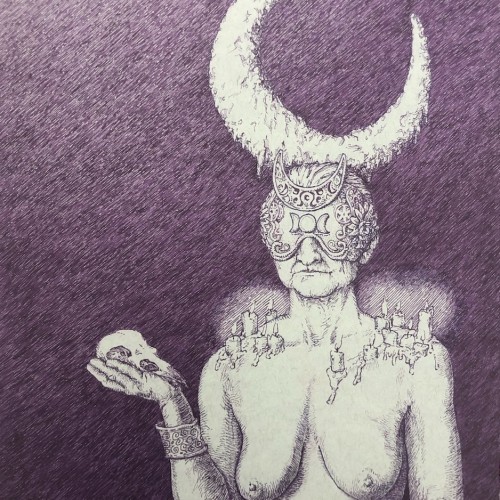
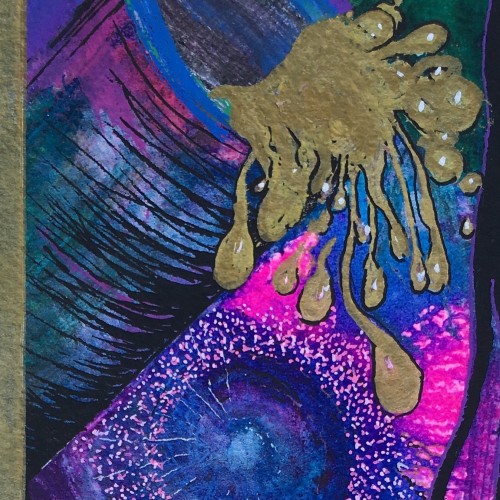
Nyx is the goddess before manifestation begins, the daughter of Chaos. She is the Eternal Darkness before there was light. Mother of numerous primordial powers such as Death, Sleep, the Fates, Nemesis and Old Age.
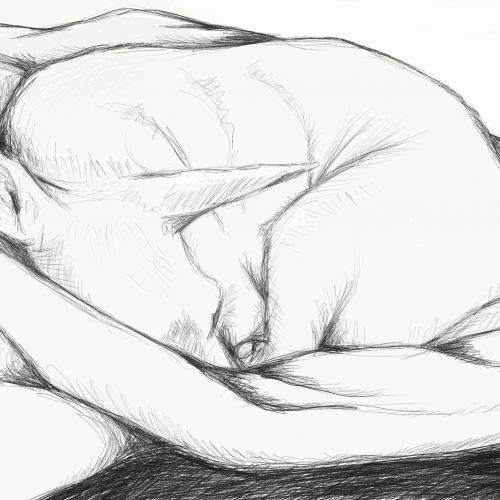
Multi media: inks sprayed on sketchbook, brush markers, and fine liners seeking out shapes via negative painting. Then plonking about a bit, until sleep finally embraced me.
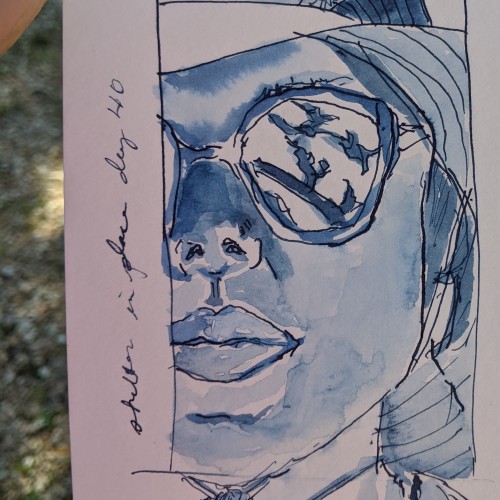
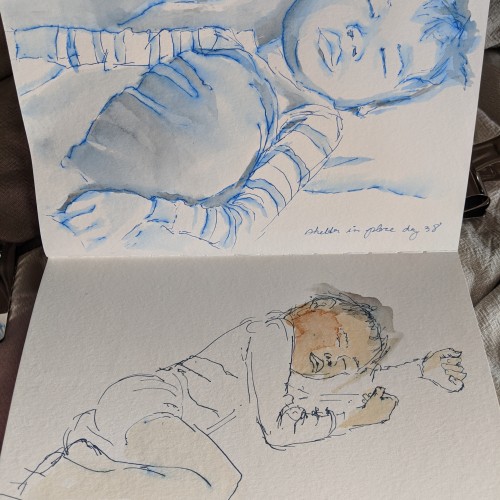
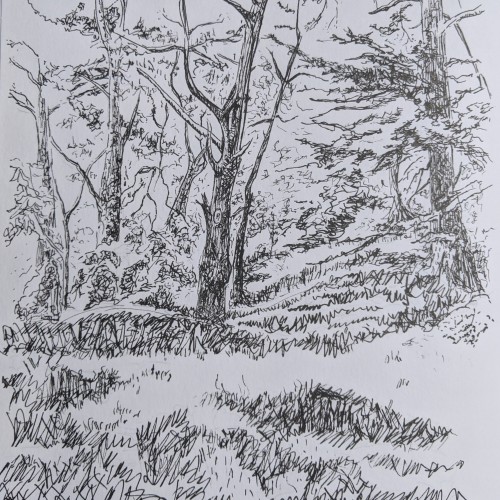
The silver lining of this shelter in place is my daily afternoon walk to put my son down for a nap in his stroller. In our previously scheduled life, he would fall asleep on the drive home from school. These are non native eucalyptus and my beloved favorite tree, a Monterey pine, on a shady side trail of Golden Gate Park.
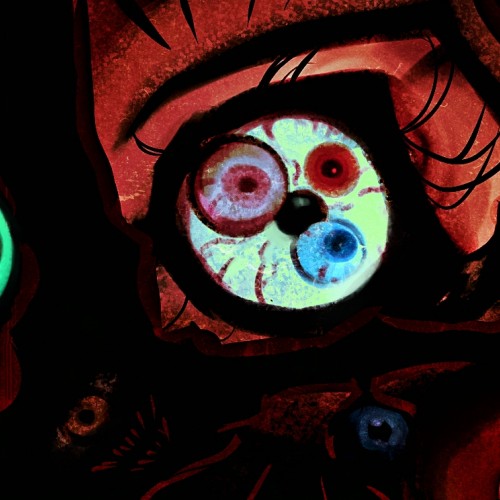
"Like maggots in a dog's carcass, they fill me, my children..."
A cosmic being known as "The Sleeper", "The Ugly", but most often he is proudly called "The Father".
"Like maggots in a dog's carcass, they fill me, my children..."
A cosmic being known as "The Sleeper", "The Ugly", but most often he is proudly called "The Father".
I SWEAR I made him before I knew about Barbatos.
Anyway, The Father sleeps deep beneath Gotham and unwittingly poisons the city and its population with his toxic aura. He is known to his cult as the God of Madness and Chaos. He simply cannot control his influence on those around, which makes him a villain of a tragic fate. I figured his existence would be a good enough explanation for why Gotham is such a rotten piece of society, with very creative supervillains who loves to be so extra and why they not executed horribly for everything they've done. The cult of his worshippers is quite old and includes a huge number of people trying to keep him asleep, because if he wakes up and gets out of his prison, it will be the end of the city, and maybe not only the city...
I should point out: he's not actually a god, he's an alien, and he's not the embodiment of "chaos and madness" - he's a cosmic horror, most likely mentally ill and therefore his aura is toxic. He didn't create the villains or Batman, but his aura affected the environment in which they were created.