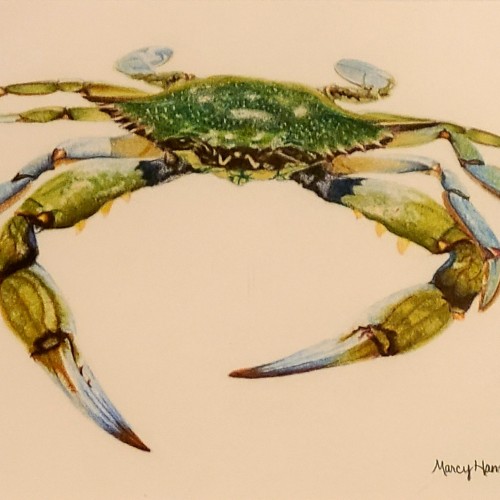
Colored Pencil. Tried photo editing, but for some reason, my blue crab looks green in every photo no matter what I do....so trust me, it's more blue!! LOL
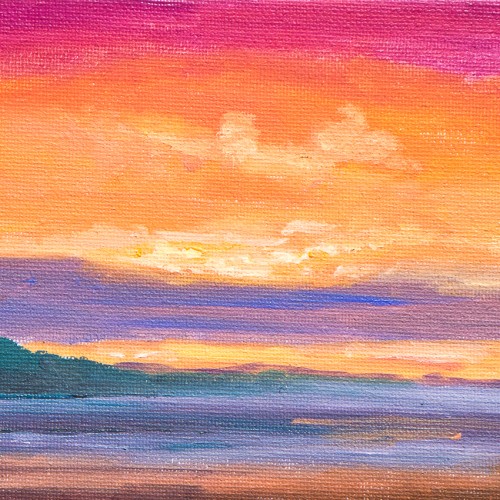
A colour study for a larger piece. Unfortunately with the larger piece, I screwed up with the thick over thin rule and consequently, the paint cracked after a few months. Frustrated at having to start it again, but lesson learnt.
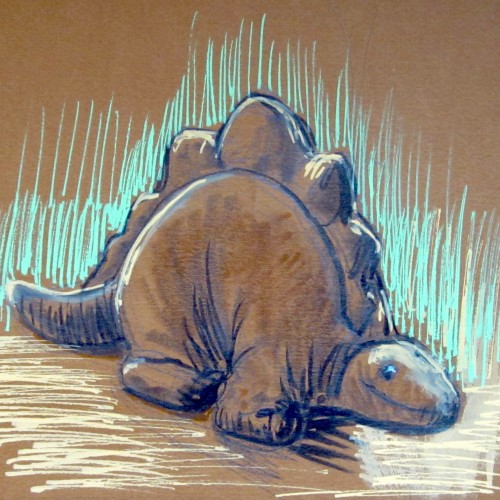
Inktober 2020, Day 25: "Buddy".
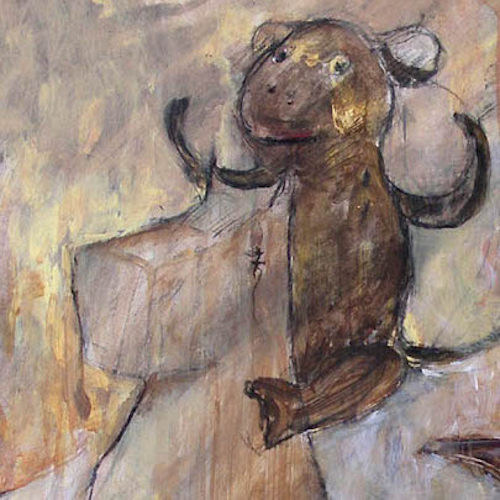
I thought what better match for the prompt than Stanley Stegosaurus, which my parents got to me when we moved to the US, when I was six. Stanley was a good buddy to me, when I didn’t understand at first the weird language spoken by those American kids. It has also been a good buddy to me during this weird pandemic time, when my IRL social life seems to be limited to maybe meeting one person once a month.
Brush pens and posca on coloured A4.
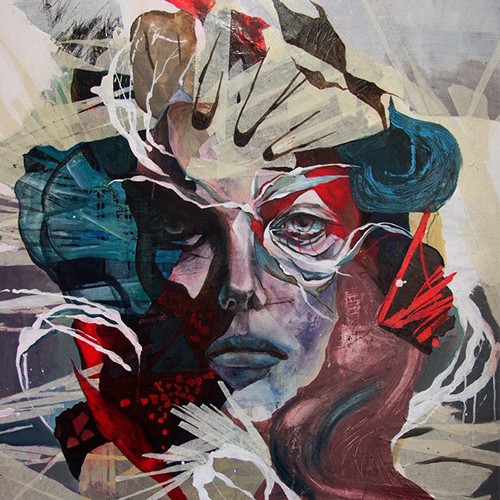
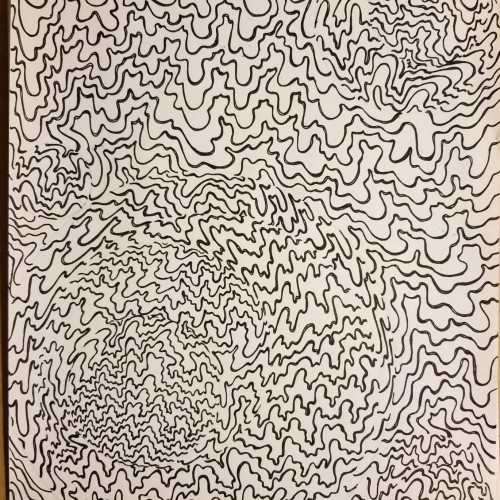
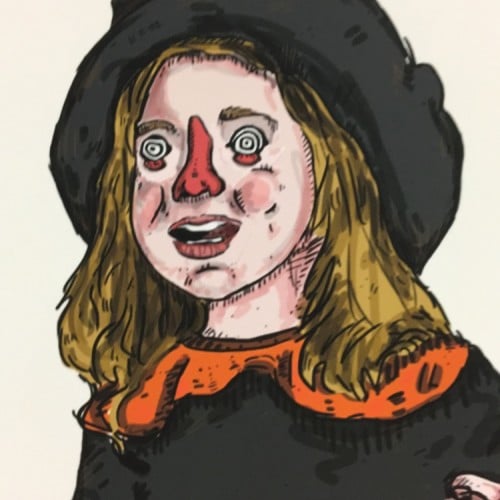
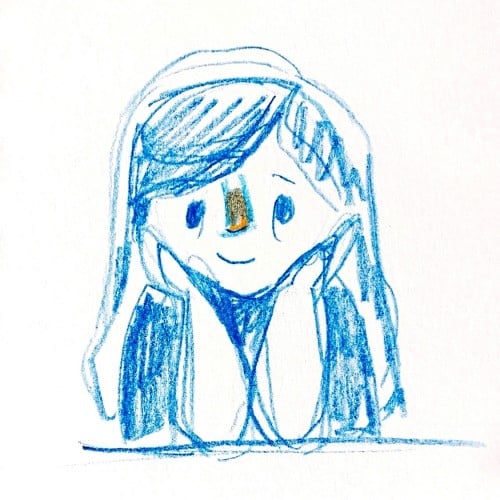
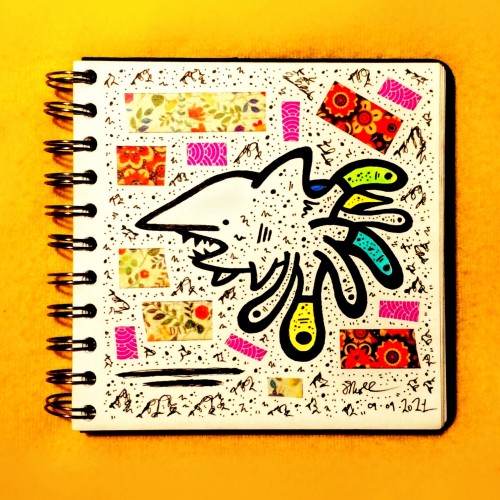
This week hasn't been great. My anxiety was pretty high for most of it, and it was honestly for no reason. My brain tends to be very chaotic, I suppose, and I have trouble controlling my thoughts sometimes. This was a random doodle I did last night at 10 p.m. I've decided I'm going to add color to it, which will either look good or make everyone's eyes hurt even more..at least I have a picture of this version.
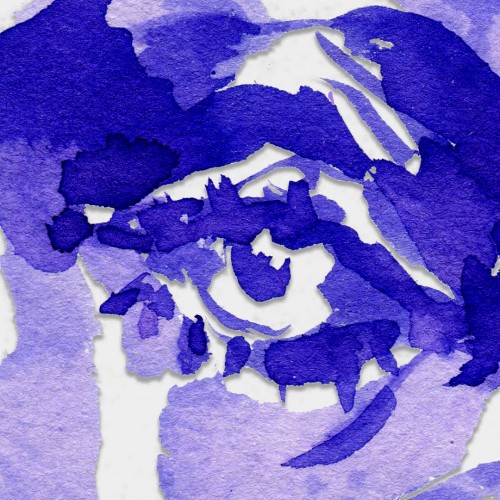
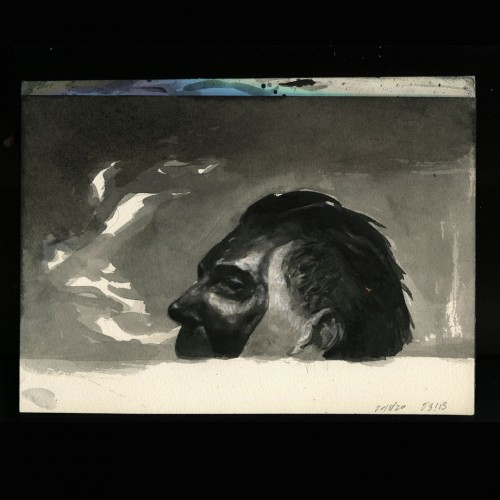
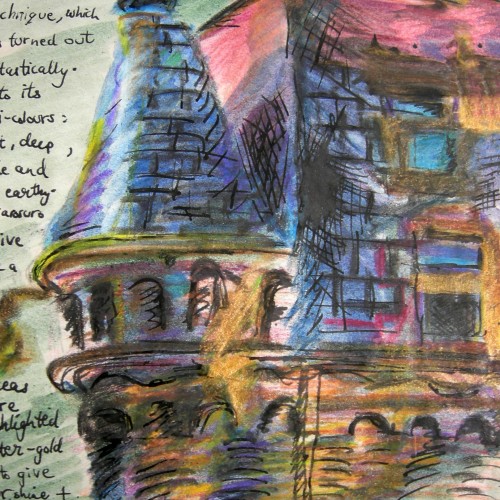
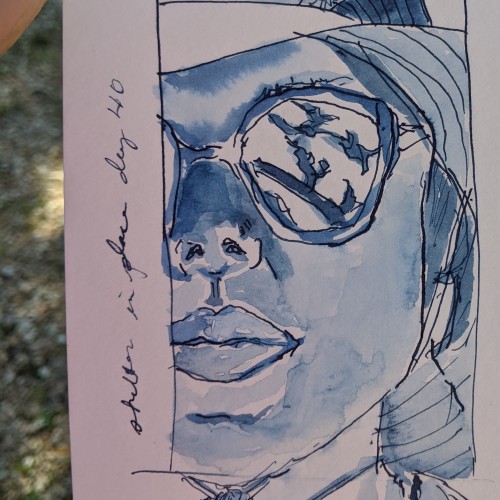
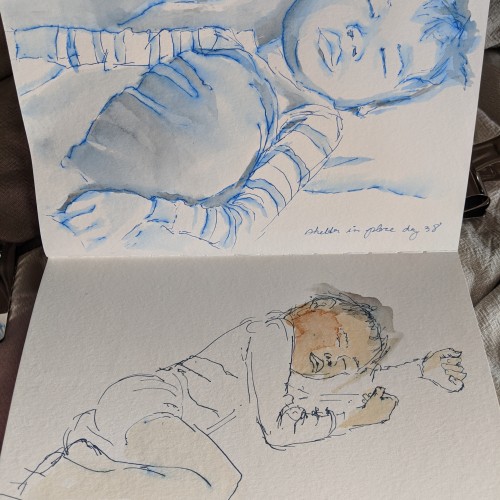
A page from my sketchbook during my Foundation Diploma in Art & Design in London. Diluted ink is a great medium. It always gives this authentic look. I think I used colouring pencils below to give it a strong colourful look. Love this one.
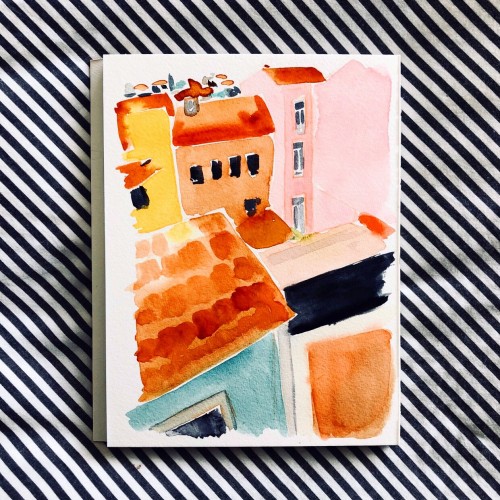
Another wobbly neighborhood. Focusing on color and composition and leaving behind perfect perfective and detail. Ultimately, putting fun first in my personal work moving forward.
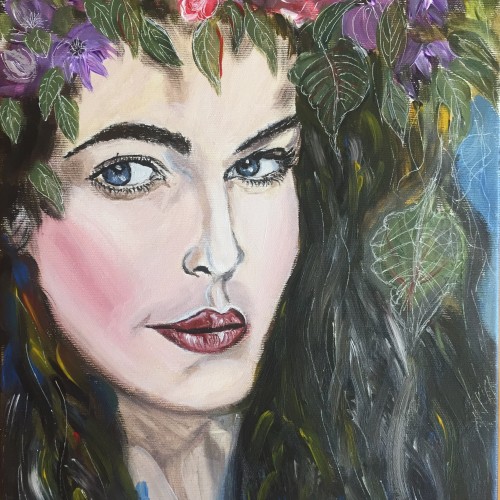
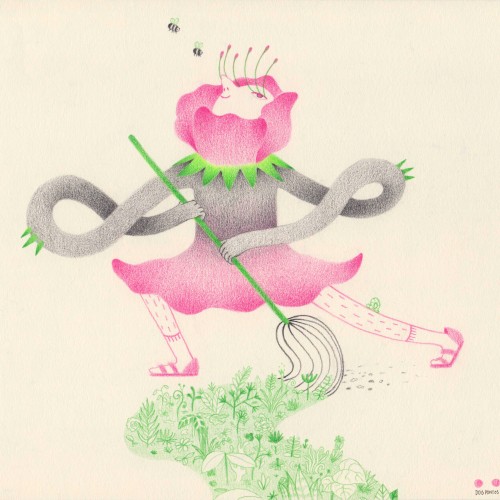
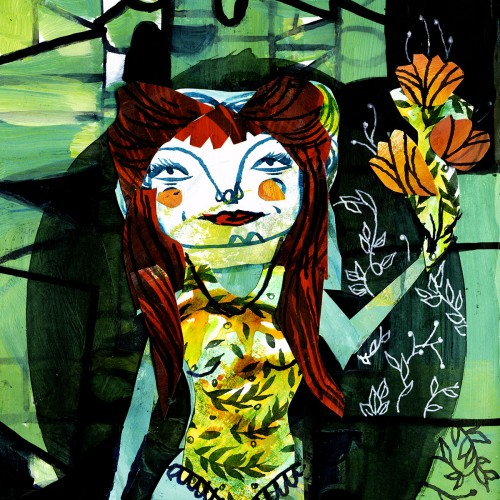
I like the notion of Poison Ivy from Batman being a sort of vengeful Mother Earth. I sometimes wish Mother Earth would give us the smackdown. We deserve it.
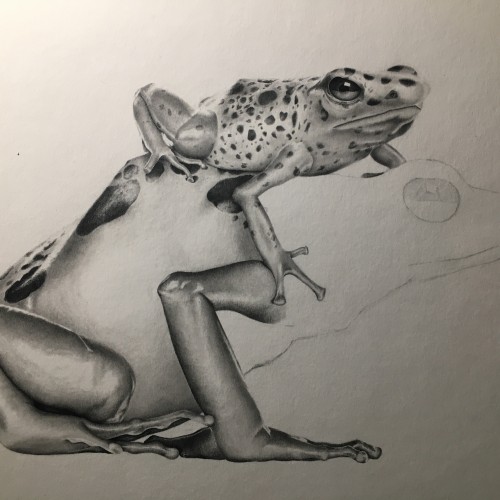
Work in progress. I've always been fascinated by the poison dart frog. It is as ferociously cute as it is poisonous ;). View all my work on Instragram: @CritiQ
“In Caribbean mythology, the lusca or luska is the term given to one of the most feared sea monsters in the region. A deadly creature that prowls the deep and feeds on the unsuspecting. A being or a pod of beings that scour the Gulf eating up all in its wake. The lusca is a chimera; a mismatch of animal parts. A conglomerate of some of the Caribbean’s most feared creatures. It is a cryptid that said to hunt and prowl the Gulf and areas near the Mexican shore. Luscas are one of the lesser known cryptids of the deep. They are also one of the most fascinating not only on account of its fearsome symmetry but of the mystery that surrounds them...”
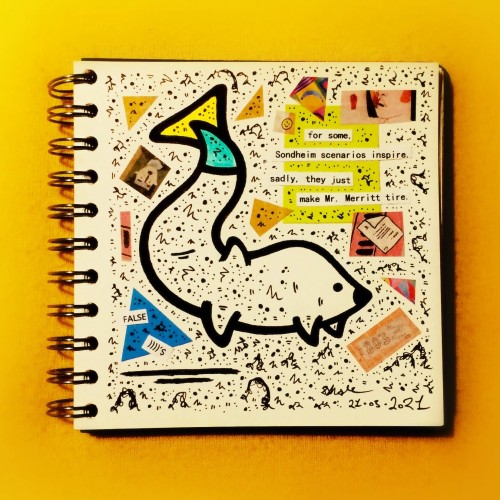
This line from the Stephin Merritt episode of the 'She's A Talker' podcast (referring to Stephen Sondheim plot-lines) got my imagination ticking in overdrive
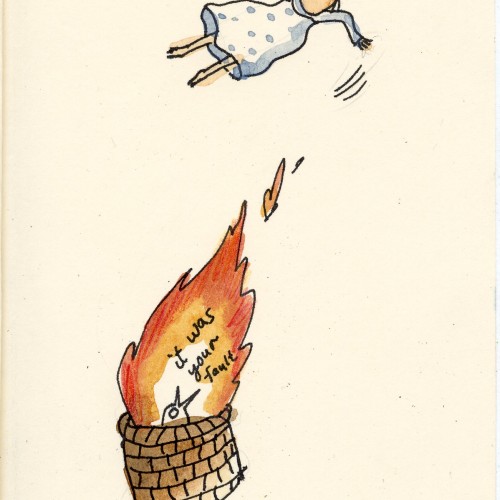
I started by thinking up the most awful things I could, which wasn't particularly difficult. When I had made things as awful as possible I took a run and bounced off the floor and flew away from everything, leaving it all behind me in a deep well. Down there the whole town was burning. Down there Poppolino was padding around in the studio in the dark screaming with loneli-ness. Down there sat the crow saying: it was your fault that I died. And the Unmentionable Thing crawled under the mat.
But I just went on flying.
- Sculptor's Daughter by Tove Jansson
#dailydrawing #tovejansson
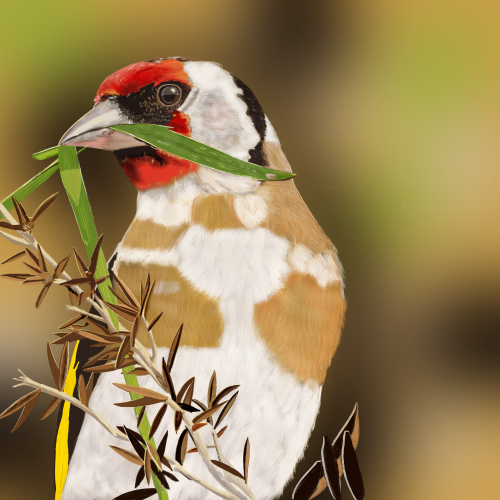
The European Goldfinch is a striking small finch with a distinctive red face and black-and-white head. Its wings are black with a bright yellow wing bar, while the body is mainly buff or light brown.
During the breeding season, the bill of male and female goldfinches is white, but at other times of the year, it is marked with a black tip.
Female goldfinches are very alike in appearance to males, and visually, it is hard to tell them apart from a distance. At close range, the sexes can be distinguished by the size of the red facial patch, with the females not extending past the eyes as it does in males of the species.
Juvenile goldfinches do not develop adults' red, white and black facial markings until the late summer or autumn after hatching. Until this point, they have streaky buff-brown markings on their heads. Info: Birdfact . com
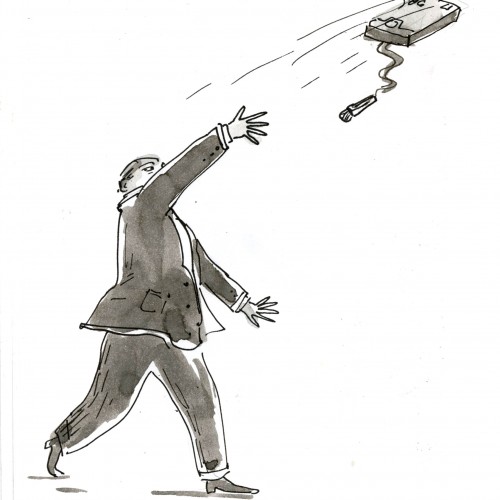
P. G. Wodehouse (1881–1975)
Once, when he was beginning a Wooster-Jeeves novel, he experimented with using a Dictaphone. After he had dictated the equivalent of a page, he played it back to check it over. What he heard sounded so terribly unfunny that he immediately turned off the machine and went back to his pad and pencil.
After this, according to the biographer Robert McCrum, “he might snooze a bit in his armchair, have a bath, and do some more work, before the evening cocktail (sherry for her, a lethal martini for him) at six, which they took in the sun parlour, overlooking the garden.
- From Daily Rituals: How Artists Work by Mason Currey
“He had just about enough intelligence to open his mouth when he wanted to eat, but certainly no more.”
― P.G. Wodehouse
#dailyrituals #inktober #PGWodehouse @masoncurrey
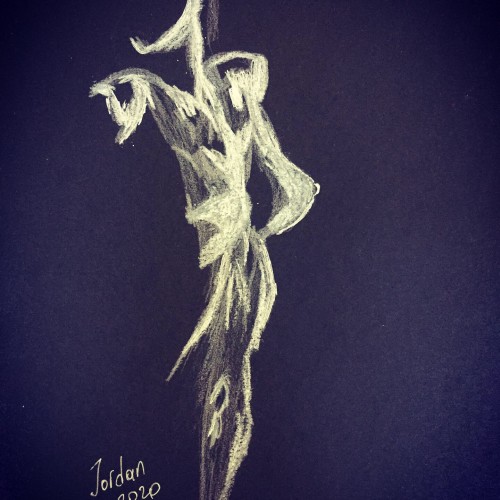
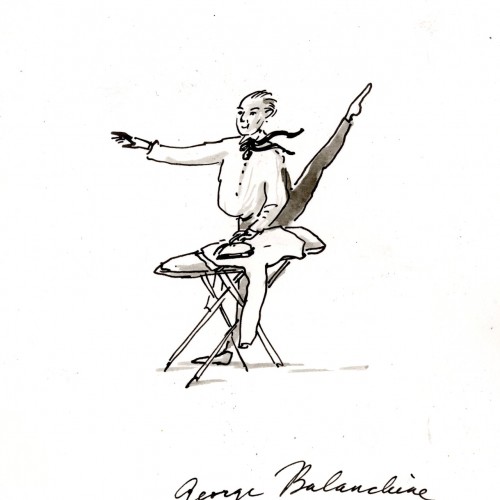
George Balanchine (1904–1983)
Balanchine liked to do his own laundry. “When I’m ironing, that’s when I do most of my work,” he once said. The choreographer rose early, before 6:00 A.M., made a pot of tea, and read a little or played a hand of Russian solitaire while he gathered his thoughts. Then he did his ironing for the day (he did his own washing too, in a portable machine in his Manhattan apartment) and, between 7:30 and 8:00, phoned his longtime assistant for a rundown of the day’s schedule.
- From Daily Rituals: How Artists Work by Mason Currey
“I like to do things certain ways and I disagree with everybody but I don't even want to argue.”
― George Balanchine
#dailyrituals #inktober #balanchine @masoncurrey