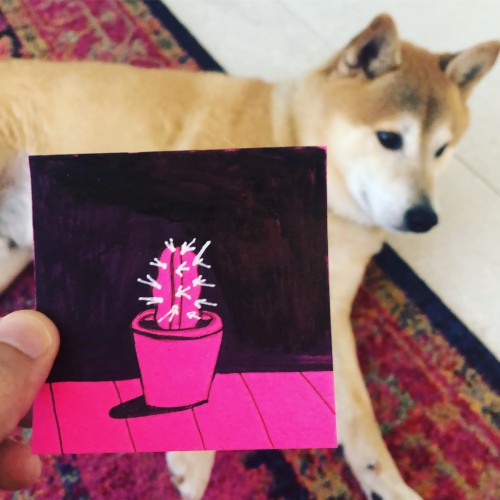
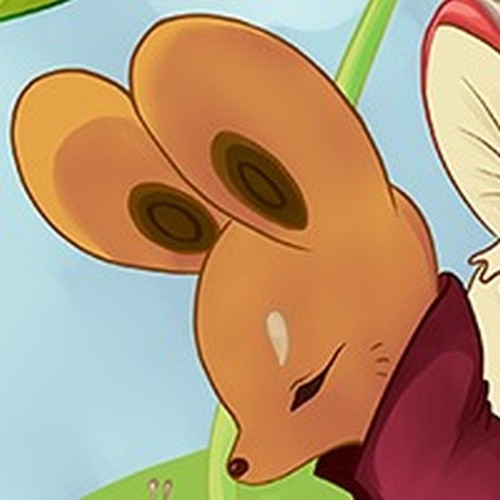
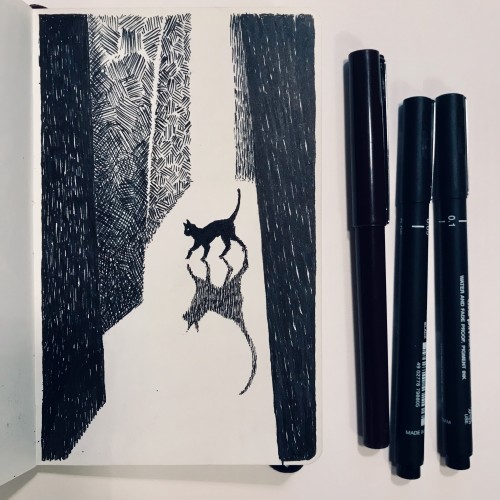
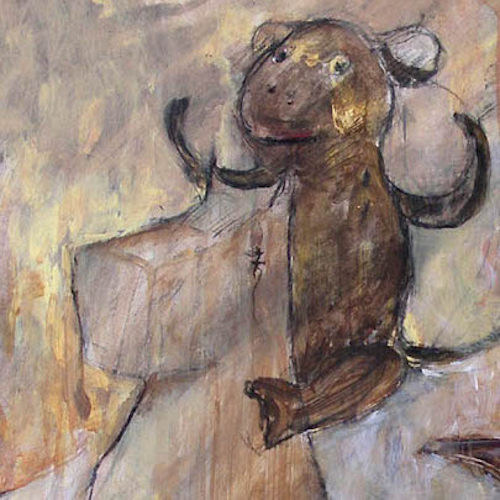
Bear.
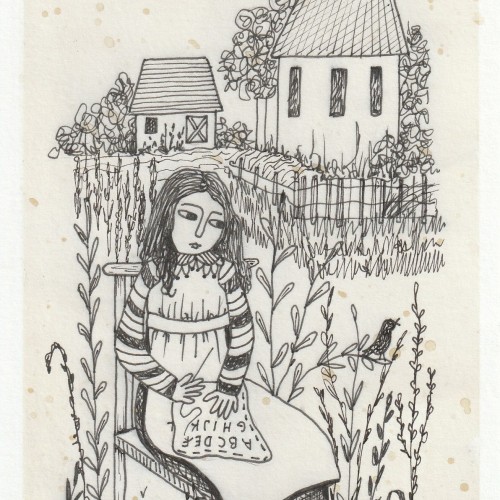
Among the backwoodsmen of America there was a superstition that bears breed only once every seven years, and when they did this caused such a disturbance in the atmosphere that any cattle in the district which were about to calve would lose their young.
From "A DICTIONARY OF OMENS AND SUPERSTITIONS" by Philippa Waring. https://www.instagram.com/p/CA5Y7HaBrTw/?utm_source=ig_web_copy_link
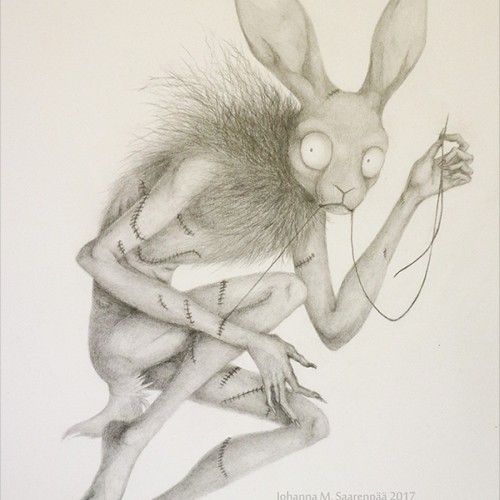
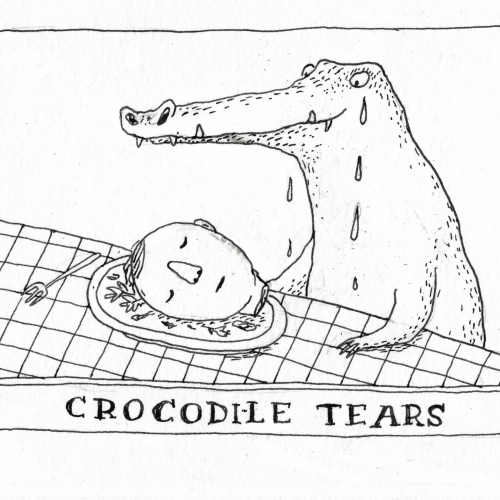
Omens : Crocodile.
The Indians believe that crocodiles make a moaning and sighing noise like a human being in distress to attract their victims. They also have a curious superstition that the creatures shed their famous "tears" over a victim's head after they have devoured the body - and then polish off the head to complete the meal!
From "A DICTIONARY OF OMENS AND SUPERSTITIONS" by Philippa Waring
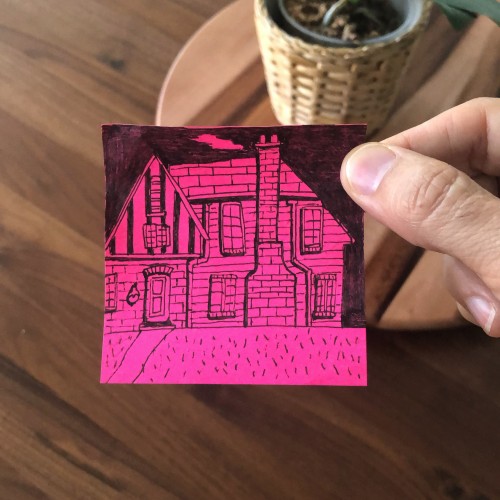
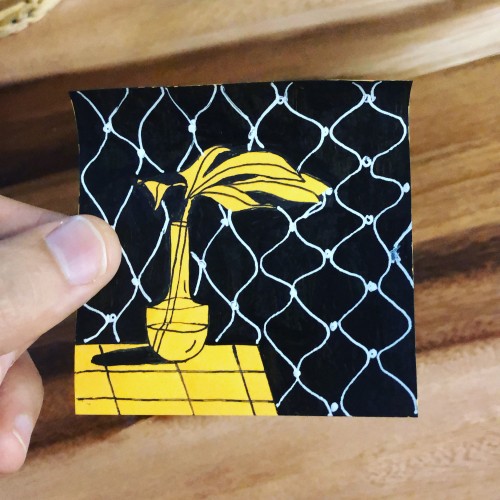
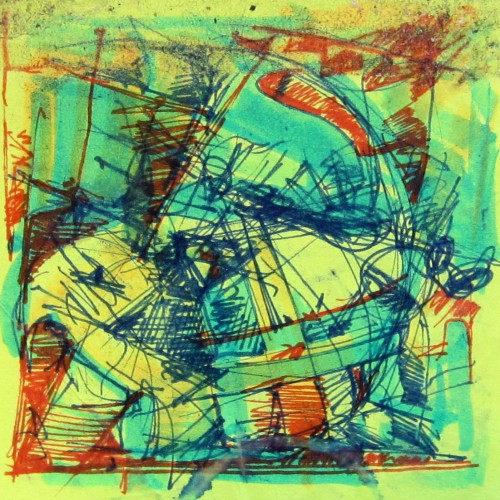
Ballpoint pen and Stabilos; this took longer than it should've. I think it turned out pretty nicely, but the coloring isn't the best (my pens started running out of ink). "I reject your reality and substitute my own"- Adam Savage
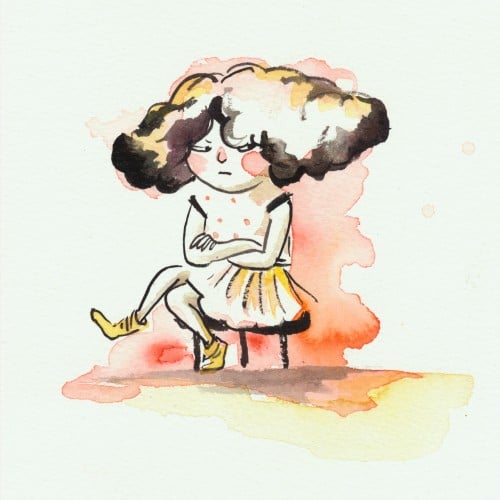
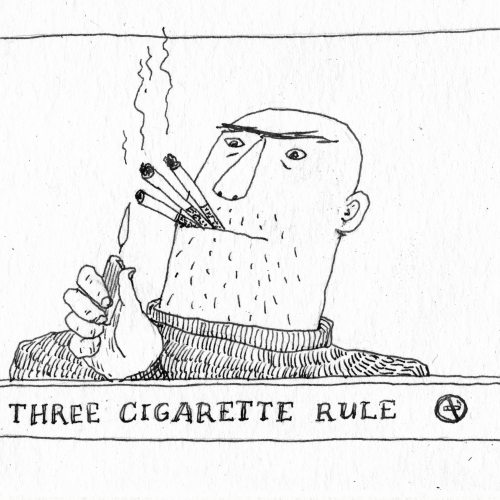
Superstition : Cigarettes.
The superstition that it is bad luck to light three cigarettes from one match appears to have originated during the Boer War. It was said that a sniper could spot where men might be as the first cigarette was being lit, take aim as the second was ignited and fire with deadly effect at the third. Two lights were enough for any group of men who valued their lives.
From "A DICTIONARY OF OMENS AND SUPERSTITIONS" by Philippa Waring
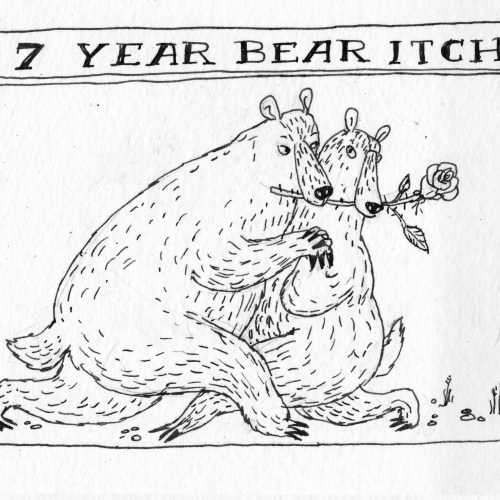
Superstitions: Skull.
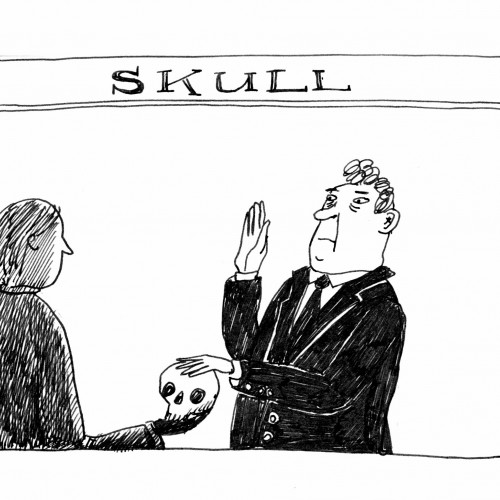
It was claimed in Ireland for many years that if a man took an oath on a skull and was lying as he did so, he would be struck dead soon thereafter.
* Maybe we should bring that back and make politicians swear on the skulls of those who lied and died. I bet there would be less lying thereafter.
https://www.instagram.com/p/CGACG5jBcbo/?utm_source=ig_web_copy_link
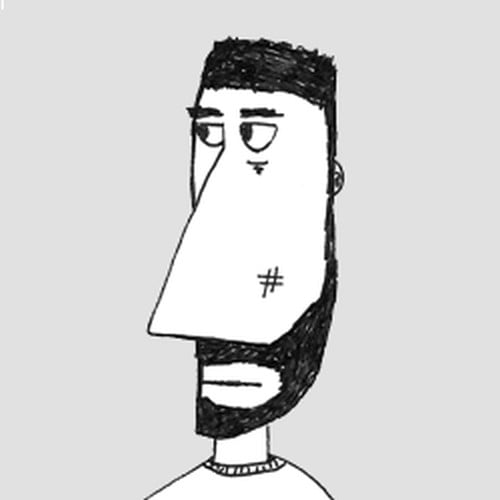
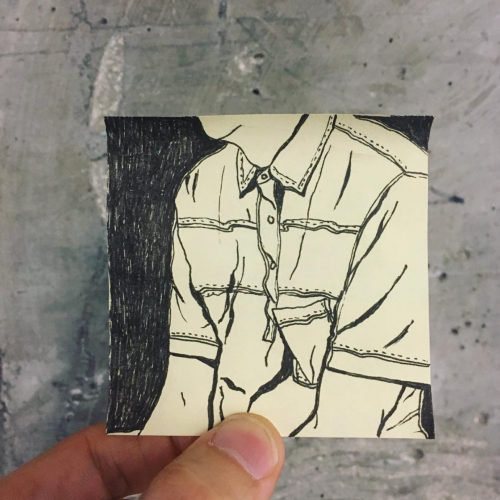
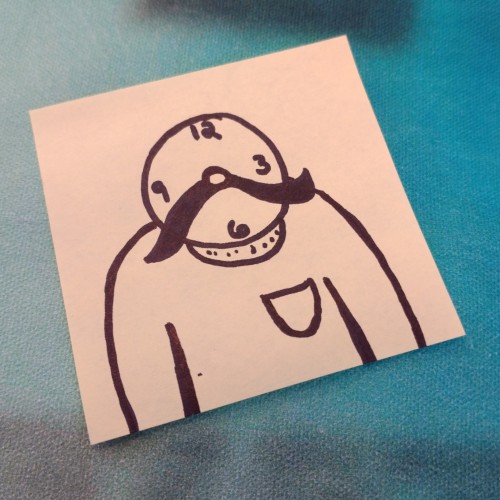
Immanuel Kant (1724–1804)
Kant’s biography is unusually devoid of external events.
As Heinrich Heine wrote: The history of Kant’s life is difficult to describe. For he neither had a life nor a history.
In actual fact, as Manfred Kuehn argues in his 2001 biography, Kant’s life was not quite as abstract and passionless as Heine and others have supposed…. If he failed to live a more adventurous life, it was largely due to his health: the philosopher had a congenital skeletal defect that caused him to develop an abnormally small chest, which compressed his heart and lungs and contributed to a generally delicate constitution. In order to prolong his life with the condition—and in an effort to quell the mental anguish caused by his lifelong hypochondria—Kant adopted what he called “a certain uniformity in the way of living and in the matters about which I employ my mind.”
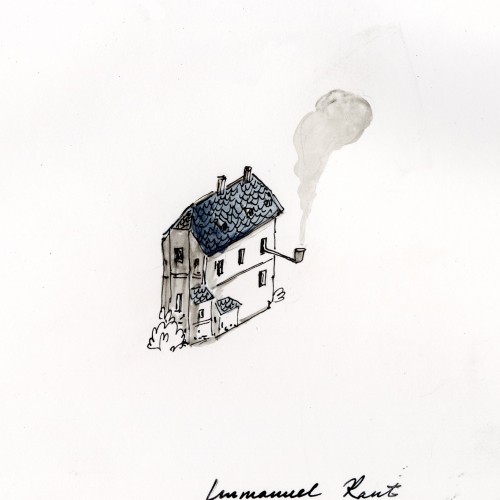
This routine was as follows: Kant rose at 5:00 A.M., after being woken by his longtime servant, a retired soldier under explicit orders not to let the master oversleep. Then he drank one or two cups of weak tea and smoked his pipe. According to Kuehn, “Kant had formulated the maxim for himself that he would smoke only one pipe, but it is reported that the bowls of his pipes increased considerably in size as the years went on.”
- From Daily Rituals: How Artists Work by Mason Currey
#dailyrituals #inktober #ImmanuelKant @masoncurrey